





Pink stonecrop will help you fight depression and anxiety!
 Author:
 Rhodiola rosea, also known as "golden root", is an adaptogenic herb with a tremendous number of benefits to offer in various aspects of human health. For example, it has the ability to promote fat burning, give the body energy and help strengthen the brain. Adaptogens are a group of plants that can help the body adapt to physical, chemical and environmental stress. Stonecrop is one of the most effective adaptogens ever because it contains active compounds that have the ability to help balance the stress hormone cortisol. Today, let's take a closer look at this adaptogenic plant and discover what it can actually offer us.
A theoretical window - what is this Rose Hip actually?
Pink Stonecrop grows at high altitudes in the Arctic regions of Asia and Eastern Europe and is part of traditional medicine systems literally all over the world. St. John's Wort has a long history in traditional Chinese medicine, where it has been used primarily to improve stamina and reduce stress. The Vikings used Rose Hip to increase physical strength, and the Sherpas in mountainous regions used it to help them climb high altitudes, even climbing Mount Everest.
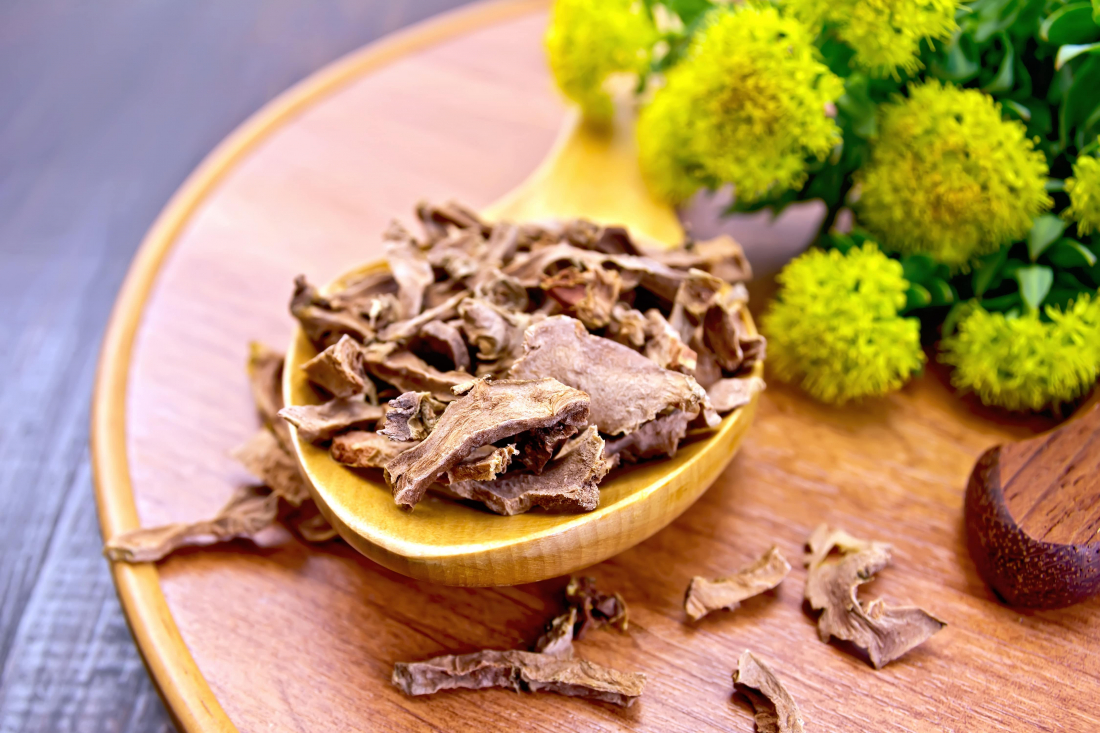
Most prized of all is the Rose Hip as a natural supplement for regulating stress, improving physical fitness and increasing energy levels. Rhodiola is non-toxic in normal doses and is often a more pleasant choice than strong medications. It helps the body adapt to stress, mitigating its negative effects, and can also be an effective prevention of hormonal changes associated with long-term stress. It helps to reduce levels of the 'stress hormone' cortisol, combat fatigue, boost energy and vigour, but it can also promote fat burning, improve cognitive function or combat depression.
According to research, the rosehip contains more than 40 types of chemical compounds that are beneficial to our body's health in many different ways. Among the active components found in this plant that are responsible for its pharmacological effects, rosavin and salidroside are particularly important. In studies carried out on animal subjects, rosavin has been found to have antidepressant, adaptogenic, anxiolytic and stimulant effects, and is therefore without doubt one of the main active substances offered by the stonecrop.
The five main benefits that supplementation with St. John's Wort offers
We have already touched on some of the benefits in the opening paragraphs, but let's go through them in detail.
Helps regulate cortisol levels
One of the main reasons why people have resorted to taking adaptogenic herbs in recent years is to try to balance levels of the stress hormone cortisol, which can be beneficial for mental health, vitality, smooth weight loss or maintaining a healthy weight, but also for overall quality of life and slowing down the onset of signs of aging such as impaired memory or impaired concentration. Rosehip can be useful for calming the body when the nervous system goes into "fight" mode in an attempt to cope with everyday stressors, and it is this ability that is among its main benefits.

Stress is something that more or less touches all of our lives these days. It occurs practically throughout the day - at work, at home, but also during training, for example. When stressed, the body releases the hormone cortisol to a greater extent. Under normal circumstances, the body can cope with it without much difficulty. But if we are going through a difficult period and its levels remain high for a prolonged period of time, it can have a negative impact on a number of health aspects. We may see weight gain, difficulty sleeping, impaired immune function, fatigue and disinclination to activities that normally make us happy, and so on. While not omnipotent, the stonecrop can be a good helper for stressful times.
It can help fight depression, boost cognitive function and improve brain function
Another amazing benefit of rhodiola supplementation is its ability to improve cognitive function. At the same time, it has been shown to work as a natural remedy for depression and anxiety, which plague an overwhelming portion of the population. Rhodiola can help increase the sensitivity of neurons - including the two neurotransmitters serotonin and dopamine. These neurotransmitters are known to be able to improve cognitive function, concentration and memory, and are important for good mood, making them very important players in preventing anxiety and depression. In animal studies, Rosehip has also been shown to help restore damaged neurons in the hippocampus, an area of the brain considered the center of emotion, memory, and autonomic nervous system regulation.
Many functional medicine doctors prescribe just Rosehip as an effective natural alternative to antidepressants. It works because it can increase sensitivity to dopamine, which has been shown to improve mood and also help fight food cravings and addiction to sweets. If diets such as depression or anxiety bother you, talk to your doctor about taking this adaptogen.

Promotes fat burning
Another of the many incredible benefits of St. John's Wort is that it helps the body use stored fat more efficiently for energy production. We all know that regular training, especially strength training or HIIT, promotes fat burning, but if you want to take your results to the next level consider just taking Rhodiola. Rhodiola has the ability to promote the reduction of visceral fat, that which is deeply stored and is the most damaging in general, as it contributes to the development of heart disease and other serious illnesses.
The stonecrop promotes fat burning due to its content of the active compound rosavins. Rosavin stimulates an enzyme called lipase, which is crucial for fat burning. As we mentioned earlier, St. John's Wort also has the ability to regulate levels of the stress hormone cortisol, which further contributes to body fat loss. When cortisol levels are high, we tend to reach for more calorie-dense foods, for example, and St. John's Wort can help with that as well. To make matters worse, research is emerging that shows that St. John's Wort can increase our metabolic rate. But of course, we also need to follow other healthy lifestyle principles that lead to fat reduction - a healthy diet, adequate amounts of exercise and plenty of rest and quality sleep.
It increases energy and can effectively support athletic performance
If you are looking for a natural way to achieve an energy boost and want to support your athletic performance, then rosehip is exactly what you are looking for. St John's Wort has been very popular in fitness and other sports in recent years and it is no wonder at all. It can help increase strength and endurance by being able to boost red blood cell production while reducing the degree of oxidative damage. Red blood cells (RBCs) carry oxygen to the muscles and their higher numbers can dramatically improve an athlete's performance and help delay the onset of fatigue, allowing you to train more intensely for longer periods of time.

In addition, St. John's Wort has anti-inflammatory effects that aid in rapid muscle recovery and lead to greater endurance. According to other research, stonecrop promotes performance by increasing ATP synthesis, which is essential for cellular energy.
It helps delay fatigue - both physical and mental
Stonecrop is a great helper (not only) for all athletes. It has the ability to delay the onset of fatigue and promote mental alertness. But these benefits can also benefit people with mentally demanding jobs, students preparing for demanding exams, or mothers on maternity leave who don't know where to jump first. The results of studies suggest that stonecrop can be very effective in promoting concentration and mental and physical performance, thus contributing to significant productivity.
It also appears that in the short term it can help to offset low energy levels associated with sleep deprivation. Be warned, however, we certainly don't mean to say that you can just take Rozchodnica and not sleep - sleep is essential for overall health, and this remains constant. We just all know that there are situations when, due to stress, challenging times, or just raising little ones, sleep is not quite as good as we would like or need. Even at such times, the Staircase can be a good partner to help you get through these moments more easily.
Recommended
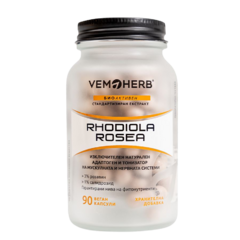
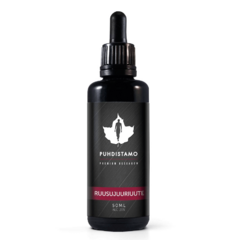
In what form can we encounter St. John's wort and what is the recommended dosage?
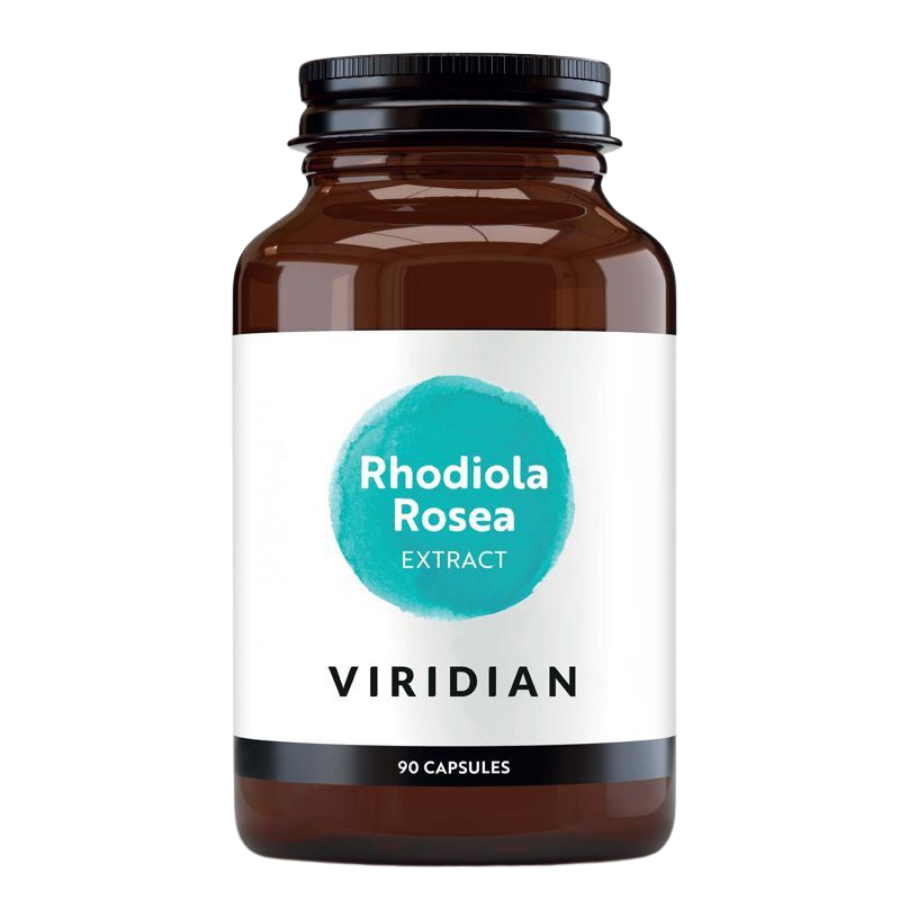
As a dietary supplement, rhodiola root extract is usually taken in the form of capsules or tablets. We can also encounter tinctures, but for most people, capsules are the most suitable. The recommended supplemental dose of Rhodiola rosea extract is 250-700 milligrams per day (usually divided into 1-2 doses). It is recommended not to take more than 700 milligrams per day. Ideally, rhodiola should be taken about 15 minutes before meals. Higher doses should be divided into at least two smaller doses to facilitate absorption (for example, one dose before breakfast and one before dinner).
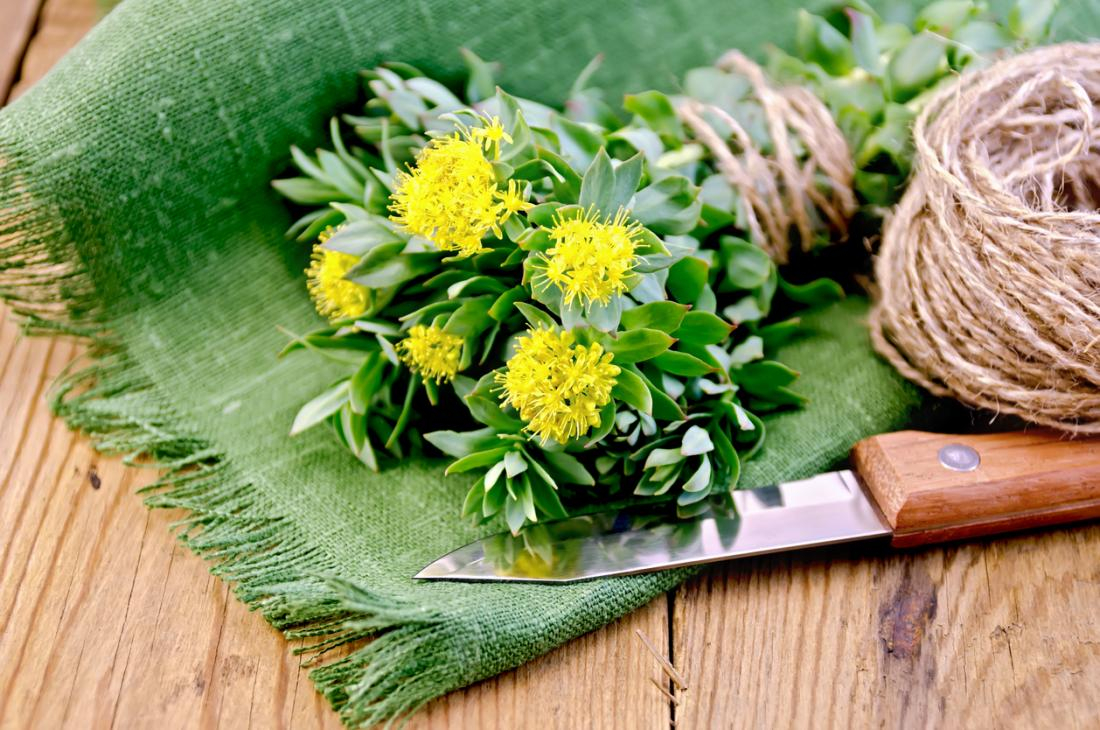
According to the ancient practices of traditional Chinese medicine and Ayurvedic medicine, herbs, roots and mushrooms are better absorbed when taken with a 'warming herb' (such as black pepper or capsaicin) and some healthy fat. Supplement mixtures that contain St. John's Wort along with any of these ingredients can be used more efficiently by the body. In addition to capsules and tincture, you can also consume St. John's Wort in tea form.
Are there negative effects associated with its use?
As far as side effects are concerned, St. John's Wort is usually very well tolerated and no negative health complications arise after taking it (in reasonable doses, of course). According to some studies, it is even less likely to have side effects than prescription drugs such as antidepressants and other medications used to relieve anxiety and depressive conditions. Very rarely, dizziness or dry mouth occur after ingestion - in this case, it is recommended not to continue taking St. John's Wort, or to consult a doctor about side effects.
What can I take away from this article?
Rosehip is an adaptogenic herb that offers very interesting benefits to the human body. The main benefits derived from its supplementation include normalizing cortisol levels, aiding in fat burning and weight loss, promoting athletic performance, combating depression and anxiety, and increasing mental performance. Rhodiola is well tolerated in the vast majority of cases and is very unlikely to cause side effects, but may temporarily cause dry mouth or dizziness. The recommended dose is between 250-500 milligrams once or twice a day.
Sources:
Verpeut, J. L., Walters, A. L., & Bello, N. T. (2013). Citrus aurantium and Rhodiola rosea in combination reduce visceral white adipose tissue and increase hypothalamic norepinephrine in a rat model of diet-induced obesity. Nutrition research (New York, N.Y.), 33(6), 503-512. https://doi.org/10.1016/j.nutres.2013.04.001
Lishmanov, I., Trifonova, Z., Tsibin, A. N., Maslova, L. V., & Dement'eva, L. A. (1987). Plasma beta-endorphin and stress hormones in stress and adaptation. Biulleten' eksperimental'noi biologii i meditsiny, 103(4), 422-424.
Amsterdam JD, Panossian AG. Rhodiola rosea L. as a putative botanical antidepressant.Phytomedicine. 2016;23(7):770-783.
Perfumi, M., & Mattioli, L. (2007). Adaptogenic and central nervous system effects of single doses of 3% rosavin and 1% salidroside Rhodiola rosea L. extract in mice. Phytotherapy research : PTR, 21(1), 37-43. https://doi.org/10.1002/ptr.2013Anghelescu I-G, Edwards D, Seifritz E, et al. Stress management and the role of Rhodiola rosea: a review. International Journal of Psychiatry in Clinical Practice. 2018;22(4):242-252.
Verpeut, J. L., Walters, A. L., & Bello, N. T. (2013). Citrus aurantium and Rhodiola rosea in combination reduce visceral white adipose tissue and increase hypothalamic norepinephrine in a rat model of diet-induced obesity. Nutrition research (New York, N.Y.), 33(6), 503-512. https://doi.org/10.1016/j.nutres.2013.04.001
Battistelli, M., De Sanctis, R., De Bellis, R., Cucchiarini, L., Dachà, M., & Gobbi, P. (2005). Rhodiola rosea as antioxidant in red blood cells: ultrastructural and hemolytic behavior. European journal of histochemistry : EJH, 49(3), 243-254.
De Bock, K., Eijnde, B. O., Ramaekers, M., & Hespel, P. (2004). Acute Rhodiola rosea intake can improve endurance exercise performance. International journal of sport nutrition and exercise metabolism, 14(3), 298-307. https://doi.org/10.1123/ijsnem.14.3.298
Abidov, M., Crendal, F., Grachev, S., Seifulla, R., & Ziegenfuss, T. (2003). Effect of extracts from Rhodiola rosea and Rhodiola crenulata (Crassulaceae) roots on ATP content in mitochondria of skeletal muscles. Bulletin of experimental biology and medicine, 136(6), 585-587.
Lishmanov, I., Trifonova, Z., Tsibin, A. N., Maslova, L. V., & Dement'eva, L. A. (1987). Plasma beta-endorphin and stress hormones in stress and adaptation. Biulleten' eksperimental'noi biologii i meditsiny, 103(4), 422-424.
Liu, L., Liu, C., Wang, Y., Wang, P., Li, Y., & Li, B. (2015). Herbal Medicine for Anxiety, Depression and Insomnia. Current neuropharmacology, 13(4), 481-493. https://doi.org/10.2174/1570159x1304150831122734
Mao, J. J., Li, Q. S., Soeller, I., Xie, S. X., & Amsterdam, J. D. (2014). Rhodiola rosea therapy for major depressive disorder: a study protocol for a randomized, double-blind, placebo-controlled trial. Journal of clinical trials, 4, 170. https://doi.org/10.4172/2167-0870.1000170
No posts have been made yet.








