





Improve your healthy lifestyle with nine adaptogens!
 Author:
 Natural medicine (especially Chinese and Ayurvedic) has relied on the healing effects of herbs and foods for many years. A good example of this is adaptogenic herbs or "adaptogens". One of the main benefits of adaptogens is their effect on stress levels and their ability to help the body adapt to new conditions. As you probably know, the human body is designed to release the hormone cortisol in response to stress, but elevated cortisol levels over a long period of time and chronic stress can affect every physiological system in the body, including the thyroid and adrenal glands.
We probably don't need to debate too long that stress is not good for either the mental or physical side of our bodies. Cortisol is often mentioned in connection with stress. In fact, cortisol is also known as the stress hormone. The regulation of this hormone and its action makes sure that homeostasis, i.e. the harmony of the internal environment, which is so necessary for the normal functioning of the body systems, is constantly maintained in the body. If cortisol is misaligned blood pressure will rise, immune system function will decrease and blood sugar levels will rise to give the body enough energy to fight stressors. In normal situations, our body reacts to the stressor and once the stressor subsides, cortisol levels return to harmonious levels.

However, people who are daily or excessively stressed can experience a state of so-called permanent stress, which has a very negative effect on overall health - poor bowel function because cortisol stimulates the production of gastric juices, which leads to stomach acidification, adrenal problems, we are more susceptible to illness due to a weakened immune system, there is a permanent increase in blood pressure, acceleration of the aging process and much more.
People who are often excessively stressed include most often young parents, college students, nurses and doctors, relatives and members of patients requiring constant care, and people performing demanding jobs. Long-term chronic stress leads to adrenal fatigue, and to even more potentially dangerous problems if left untreated. While most scientists and doctors agree that the approach to reducing chronic stress is multifactorial, more and more people are reaching for natural supplements and herbs - and that's where adaptogens come in.
Theoretical window - what are these adaptogens?
First, let's explain the concept of phytotherapy. Phytotherapy refers to the use of plants for their healing abilities as a supplement or replacement for traditional treatments. Adaptogens are then a completely unique class of medicinal plants: they help to balance, restore and protect the body. The term adaptogenic herbs or substances was first recorded in 1947 by Russian scientist N. Lazarev, who used it to describe their non-specific effect that increases the body's resistance to stress. Adaptogens were "redefined" by two more Russian scientists in 1958 - adaptogens, according to them , must be harmless and cause minimal negative complications to the physiological functions of the organism, must have a non-specific effect, and usually have a normalizing effect regardless of the direction of the pathological condition. The aforementioned effect has been observed in multiple animal studies and found that various adaptogens have the ability to produce this generally increased tolerance to stress.
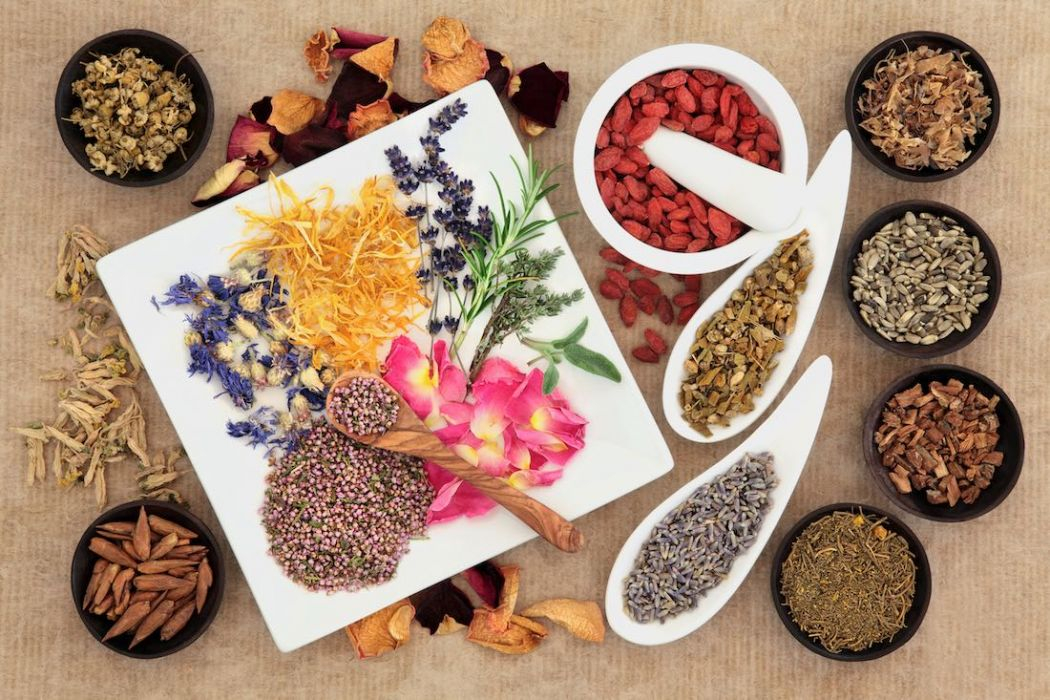
When faced with a stressor, whether physical or mental, our bodies go through what is called the General Adaptation Syndrome (GAS). The GAS is a three-phase response: alarm, adaptation, and exhaustion. Adaptogens help us stay in the resistance (adaptation) phase longer, through a stimulating effect that delays exhaustion. Instead of collapsing in the middle of a stressful moment, task or event, adaptogens can help us balance hormone levels and can increase our resistance to stress so we should be able to withstand it longer.
Thus, adaptogens help to relieve stress by regulating the amount of stress hormones released during challenging stress reactions. Chronic stress depletes our bodies due to the constant release of the hormones CRH, ACTH and cortisol. Adaptogens help to increase resistance to stress by blocking the release of CRH and ACTH. So what this actually means is that adaptogens help to reduce the human body's need to produce stress hormones in response to stress. This is very positive because it prevents the last state of adrenal syndrome, adrenal exhaustion , or other negative consequences associated with long-term exposure to stress, such as hormonal imbalances, loss of libido or thyroid and adrenal problems, depression, loss of zest for life, and loss of energy.
There are many plants that have been credited with these virtually miraculous effects, but today we'll look at just a few where the effects have actually been confirmed by multiple studies.
Ginseng (panax ginseng)
Ginseng is considered one of the most powerful adaptogens ever. Panax ginseng has been shown to successfully increase subjective calmness and certain aspects of memory performance in healthy young adults. Studies are inclined to conclude that Panax ginseng has significant anti-stress properties and can be used to treat a variety of stress-induced disorders such as depression and other psychological disorders. Interestingly, several studies with Panax ginseng have found that it does not directly alter cortisol levels, at least not in the short term, but does affect various other stress response systems, such as blocking the action of ACTH in the adrenal glands (a hormone that stimulates the production of glucocorticoid steroid hormones).
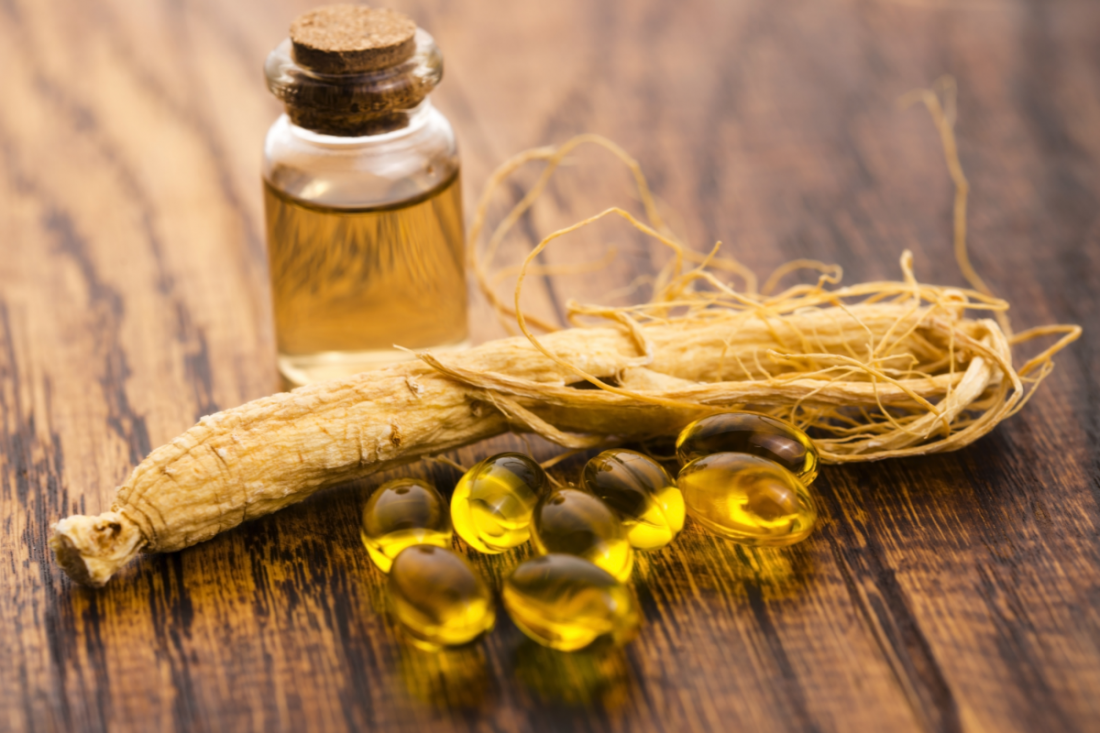
This red ginseng flower also has antioxidant effects, has also been found to improve mood and mental performance, may help regulate fasting blood sugar levels, and may even help newly diagnosed diabetic patients lose weight.
Sacred basil
Also called tulsi, holybasil is particularly well known in India, where local medicine has used it as an effective anti-aging supplement for many years. The benefits of holy basil have also long been an integral part of Ayurvedic medicine for the treatment of many health ailments such as infections, skin diseases, liver disorders, colds and coughs, malaria and fever, as well as being used as an antidote for snake bites and scorpions.
In recent years, scientists from around the world have studied the impact of holy basil on the body. Specifically, several studies have been conducted on mice and rats to observe its anti-stress activity. However, we can also find studies on human subjects, for example, the one from 2015 tested the benefits of the increase in cognitive function that holy basil is thought to have, and found that the reaction time of the subjects was significantly improved, as well as a reduction in the number of erroneous decisions.
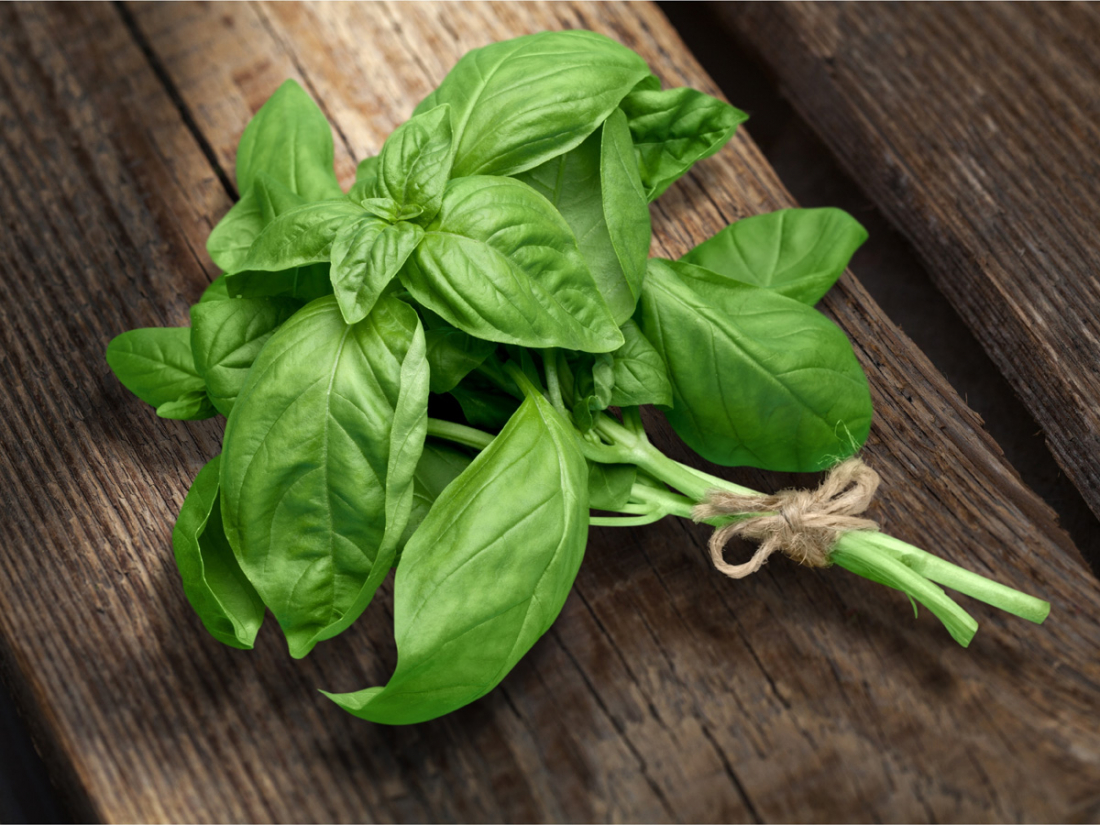
One of the reasons why holy basil may be effective in improving stress responses is the presence of three phytochemical compounds. The first two, ocimumosides A and B, have been defined as anti-stress compounds and may reduce blood corticosterone (another stress hormone) and create positive changes in the neurotransmitter system in the brain. The third, 4-allyl-l-O-beta-D-glucopyronosyl-2-hydroxybenzene, is also able to reduce the effects and effects of stress , according to laboratory test results . This herb also has a positive effect on the adrenal glands, helping to stabilize blood sugar levels, regulate blood pressure, help fight bacteria and viral infections, and support liver and immune system function.
Ashwagandha
Ashwagandha is often referred to as Indian ginseng. Its effects on cortisol, stress resistance and internal stress responses have been studied for decades. Research has been conducted on both animal and human subjects. In one research involving human subjects, ashwagandha was shown to improve stress resilience as well as participants' self-rated quality of life. Ashwaganga supports testosterone production, so it may have an effect on sexual libido and increase fertility. It also has a positive effect on thyroid function and health.
Licorice
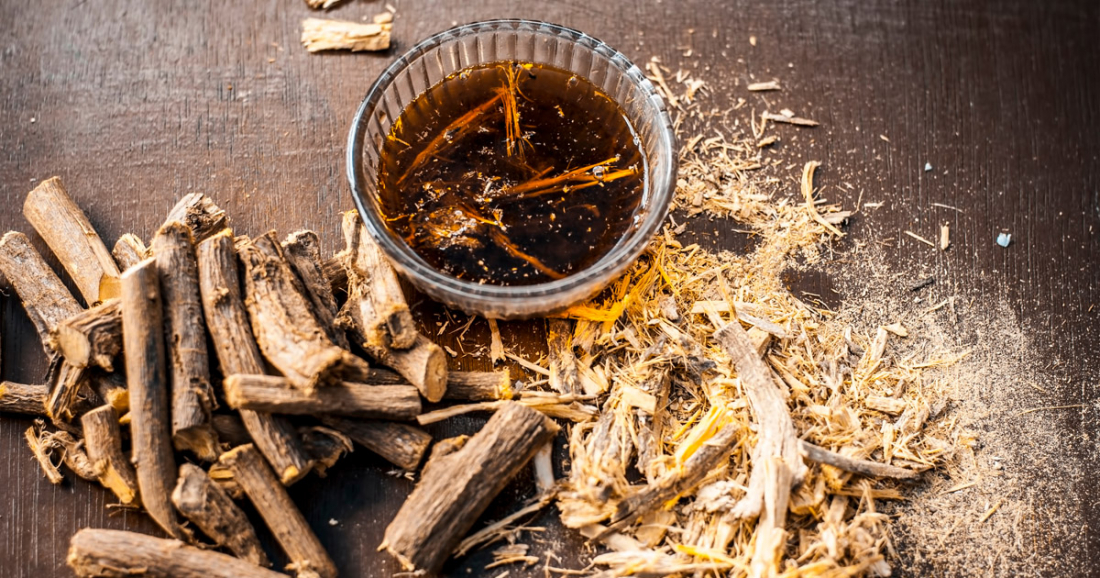
Another adaptogen is the well-known licorice. Licorice root can have the effect of increasing energy and stamina, and it also effectively boosts the immune system. Licorice, on the other hand, can increase blood pressure, so people who have trouble with higher blood pressure should look for other adaptogens instead. Even for healthy individuals , it is recommended to cycle the use of licorice. To get to the other effects - studies show that licorice supplementation can help regulate levels of stress-related hormones, especially cortisol. One possible implication of this is the observed effect of this adaptogenic herb on preventing ulcers. Another, but by no means the last, benefit is its help with weight loss regimens, digestive problems and also lowers testosterone levels in women.
Codryceps mushroom
Cordyceps,reishi,shiitake, andmaitake mushrooms are all mushrooms with powerful antioxidant properties. Yes, indeed, mushrooms can have the full benefits of antioxidant foods as well. They may not be adaptogens in the classic sense, but each has adaptogenic, anti-cancer, and immune-boosting effects.
Cordyceps in particular has been studied for its positive effect on cortisol levels and reduction of oxidative stress. For example, we find a study that examined the effect of using a powdered Cordycep supplement in adult men with sedentary jobs. The researchers concluded that the subjects experienced a regulation of the skewed cortisol levels due to exercise, a reduction in oxidative stress levels, and also this supplement helped alleviate feelings of fatigue. These results have been confirmed by several other independent studies, which is very positive news for us as active athletes.
Rosehip (rhodiola rosea)
Rhodiola or also golden root is a powerful adaptogen that has been the subject of much research. Like other adaptogens, rhododendron offers a biological defense against stress. Studies show that repeated administration of rhodiola helps to increase resistance to fatigue, resulting in increased mental performance, especially the ability to concentrate, while also reducing the cortisol response to stress in patients with adrenal burnout and fatigue syndrome. This plant also functions as an antioxidant.
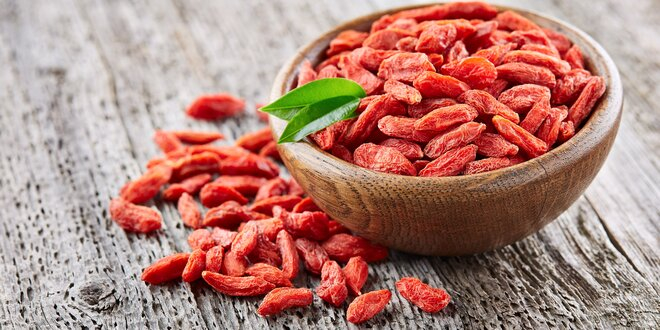
Goji berry
Goji is considered a superfood because it contains a large amount of antioxidants and micronutrients. Due to this, it helps tostrengthen the immune system, works as a good helper in blocking oxidative stress, helps to lower blood pressure and also regulates blood sugar levels, making itvery suitable for diabetics. To make matters worse, goji is a very effective remedy to help treat depression and other psychological disorders. It also helps regulate triglyceride and cholesterol levels. The list of positive effects of goji is far from ending, but we could devote an entire article to goji with ease, so we'll just list these few here.
Maca peruviana
Maca is another relatively well-known supplement that needs no long introduction, and at the same time a description of all its effects would give us a separate article. Maca is a powerful antioxidant with many positive effects on the body. However, it stands out for its effects on the health of reproductive organs, harmonization of sex hormones and stimulation of libido in both men and women. In women it also reduces the symptoms of PMS and menopause, while in men it has a positive effect on an enlarged prostate. But not just for the reproductive system, maca also positively affects mood, boosts energy and has positive effects on memory.
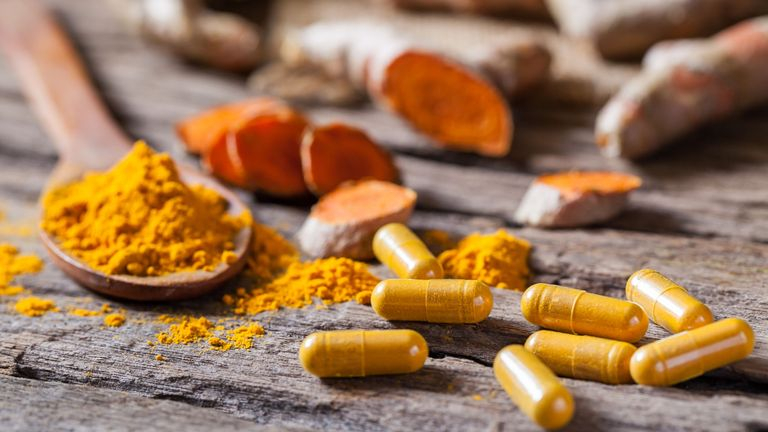
Turmeric
Turmeric is known primarily as a spice, widely used in Indian (it is part of curries) and oriental cuisine. However, it is also part of traditional Chinese medicine and Ayuveda. Turmeric, or rather curcumin, as a substance, has the ability to positively affect blood pressure levels, is very often used as a supportive agent for the treatment of depression and diabetes, has powerful anti-inflammatory agents and is used to relieve pain, improve skin health and, according to many studies, may be a promising weapon for the prevention of various types of cancer.Of course, we could go on and on, as turmeric is indeed very effective for a wide range of health conditions, but check out this article for more information.
Of course, the list of adaptogens is much bigger, but we've listed the most well-known and probably the most effective. Adaptogenic plants promise up to miraculous effects, but you know, you must never rely on that alone. These very useful plants certainly won't replace your diet or necessary medications, but they can help you with harmonizing hormone levels and with stress regulation. However, make sure you don't take any interacting medications before you start taking them, as adaptogens often tend to inhibit the effects of important medications. Get your adaptogens only from quality and proven sources.
Recommended

Conclusion
Adaptogens offer many positive effects and new ones are constantly being discovered thanks to ongoing research. However, it is not advisable to rely solely on the almost magical adaptogens, even though they promise to increase resistance to stress, enhance physical and mental performance. Adaptogens are probably one of the most meaningful supplements and we dare say that each of us should take some of them regularly. However, you still need to make sure you eat a healthy, balanced and varied diet, take regular exercise and get outdoors, and don't forget to get quality and adequate sleep, rest and activities that help regulate stress.
Sources:
https://www.ncbi.nlm.nih.gov/pubmed/20737519
https://www.ncbi.nlm.nih.gov/pmc/articles/PMC3155223/
http://nopr.niscair.res.in/handle/123456789/17525
https://www.ncbi.nlm.nih.gov/pubmed/22455995
https://www.ncbi.nlm.nih.gov/pmc/articles/PMC3573577/
https://www.liebertpub.com/doi/abs/10.1089/acm.2017.0183
https://www.ncbi.nlm.nih.gov/pubmed/21184804
https://www.ncbi.nlm.nih.gov/pubmed/18536978/
https://www.ncbi.nlm.nih.gov/pubmed/19486939/
https://www.ncbi.nlm.nih.gov/pubmed/29344416
https://www.ncbi.nlm.nih.gov/pubmed/25037390
https://www.ncbi.nlm.nih.gov/pubmed/28007001
https://www.ncbi.nlm.nih.gov/pubmed/24931003 xml-ph-0013@deepl
No posts have been made yet.








