





Do you suffer from insomnia or difficulty falling asleep? Try one of our tips!
 Author:
 Quality sleep in sufficient quantity is absolutely indispensable for the human body. Good quality sleep is crucial for many bodily processes, good regeneration, performance, productivity and hormonal balance, among other things. Sleep affects, for example, cortisol, the stress hormone, or the hormones leptin and ghrelin, which are responsible for regulating hunger and satiety. Lack of sleep (in terms of quality or quantity) can therefore lead to weight gain, irritability, impaired memory and cognitive function, a weakened immune system, the development of depression, anxiety, performance decline and other unpleasant symptoms. Sleep problems are becoming more and more widespread, so today we're going to give you some tips that can help you fall asleep more easily or improve the quality of your sleep itself.
Temperature, fresh air and no light, or the ideal conditions for sleep
The environment we sleep in plays a very important role in influencing the quality of our sleep. Therefore, we should make sure that our bedroom is as well prepared as possible for sleep. If you want to achieve a really deep and good quality sleep, it is important that the room you sleep in is rather cooler and has plenty of fresh air. Fresh air is important not only for health and mental alertness, but also for quality sleep, which is why it's a good idea to ventilate your bedroom during the day or at least open the window for a few minutes before you go to bed.
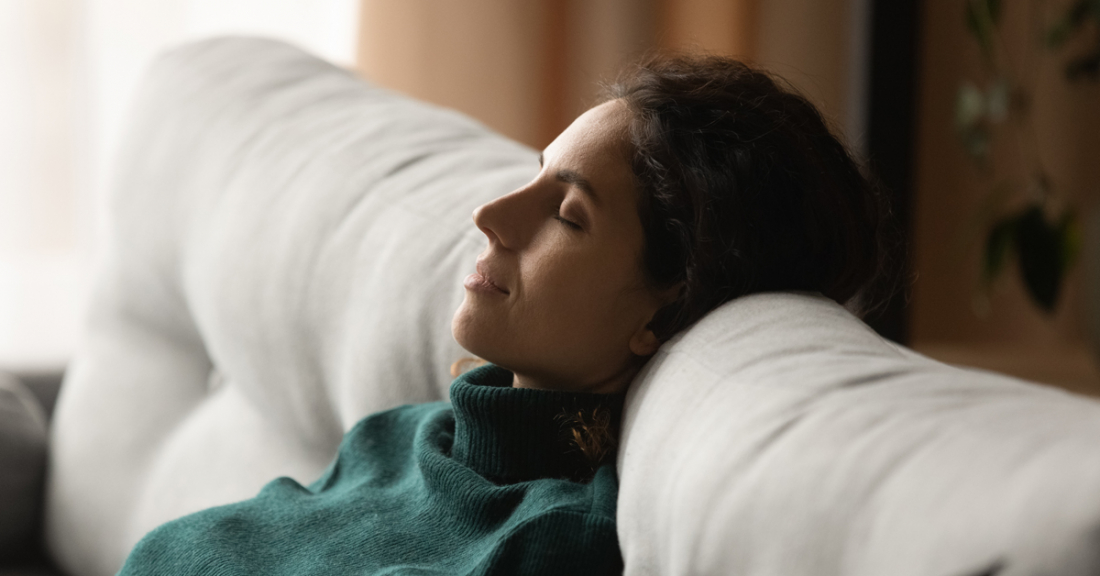
According to various studies, the ideal temperature for sleep should be somewhere around 18-20 degrees. This is sometimes difficult to achieve in the summer and often we would be grateful for such a temperature, but especially during the winter, when we can influence the temperature in the room, try not to overheat and keep the bedroom rather cooler. Of course, light also plays a part - ideally we should fall asleep in complete darkness, which blinds, shutters or a scratch box can help with.
Don't underestimate choosing the right mattress
It's not just the room conditions, but also the choice of the right mattress, pillow, duvet and bedding that play a huge role in the quality of your sleep. Everyone's need for a mattress is different - some people are suited to softer options, while others need more firm support. The same can be said for pillows - some people sleep better on harder pillows, such as foam or orthopaedic pillows, while others can't afford classic feather pillows. The choice of mattress and pillow is of course strongly influenced by your own preferences and needs, but try and find what really suits you. The duvet should not be too heavy. Don't forget to wash your bedding often - after all, freshly laundered duvets are the best to sleep in. Also air out your duvet and pillow from time to time, this will give your sleep a new dimension.
Try to go to bed around the same time
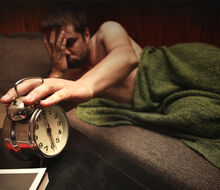
Ideally, we should go to bed at around the same time every day, and get up at around the same time as well, including weekends. If your body gets used to a routine like this, it will be better prepared for sleep at that time and you will probably find it much easier to fall asleep. After a busy week, it may seem like a great idea to sleep in on the weekend, but that's not quite the case. Listen to your circadian rhythms, go to bed when you're tired, get plenty of quality sleep at night, and, barring any exceptional situations, try not to stay up too late. If you don't work shifts, also avoid sleeping late in the day - if you get tired, set your alarm for 20-30 minutes. Such a short powernap can be very beneficial and offers many interesting benefits, but don't extend the time unnecessarily as it will do more harm than good.
Sleep rituals
In addition to setting a regular sleep routine, you can also create some sleep rituals that can help you fall asleep faster. Such a ritual could be a warm shower, an evening yoga stretch, meditation, listening to music, reading a book, or perhaps sipping herbal tea, hot cocoa, or dissolved magnesium. If you develop a habit that you do regularly, your brain will fix it as a signal for bedtime and it's very likely that you'll find falling asleep easier.
Watch out for heavy meals and alcohol consumption
In order to get a good night's sleep, it's also important to pay attention to your diet. It is advisable not to go to bed too full, but not completely hungry either. In the evening, avoid eating heavy, fatty and overly sweet foods, which can be problematic for digestion and can cause us to have difficulty falling asleep. Avoid eating fast food, fried foods, sweets and try not to overeat. This can be easily avoided by giving your body a regular supply of energy in the form of good quality food during the day and not skipping meals or starving yourself, which causes evening forays to the fridge that often end in overeating.
Of course, it's not just the quantity that's important, but also the composition of your diet. In the evening, we should consume lighter meals, but which are nutritious enough so that our body does not suffer from hunger during the night and wake us up with a growling stomach. There is no need to stress about the myth that we should eat for the last time at 6:00 pm, unless you go to bed with the chickens, there is no reason to eat for the last time this early. Feel free to eat an hour or two before bedtime (you need to test what works for you). As already mentioned, opt for lighter meals before bed - for example, grilled meat or fish with a green and carbohydrate side dish, a salad with a piece of bread, rye bread with scrambled eggs or some good spread.

Something to avoid before bedtime is alcohol. While it may seem like a good idea to have a glass of wine or beer after work to "sleep better", more likely than not, the exact opposite scenario will occur. Consuming alcoholic beverages before bed may help you fall asleep, but the quality of your sleep will suffer greatly. In addition, the consumption of alcoholic beverages can also have quite a negative impact on the weight loss or training recovery process, especially if you consume alcohol regularly.
Be careful with caffeine and pre-workout supplements
To be able to function after a series of nights with poor quality sleep, most of us opt for a proper caffeine dope as a solution. But this can end up doing far more harm than good. In fact, caffeine acts as a nervous system stimulant, temporarily suppressing fatigue, promoting concentration and alertness. Such effects are commonly enjoyed by a large proportion of the human population, making caffeine the world's most widely used stimulant ever. However, caffeine is a good servant but a very bad master. Excessive caffeine intake can cause nervousness, restlessness, lack of concentration, dizziness and can also cause serious problems with falling asleep and sleep quality.
In addition to coffee, pre-workout supplements also contain caffeine in large quantities. If you're going to work out in the afternoon, beware that the stimulants in your kicker will make it harder to fall asleep. In the late afternoon, it's a good idea to reach for a decaffeinated pretzel, for example. The same goes for coffee and caffeinated drinks - you shouldn't go completely overboard with their intake in the afternoon either.

Don't forget to get some air
We mention the importance of getting out in the fresh air every day - even if it's just for a few minutes - quite often, but it doesn't hurt to do it again. Being outdoors regularly has a whole host of benefits for our whole body. From giving us a rest, airing out our heads, refreshing our brains and getting fresh air into our lungs, we also boost our productivity, strengthen our immune system, get some vitamin D over the summer and last but not least, work on the quality of our sleep. It doesn't matter if you go out for sports, take a lunch break with your colleagues in the front yard or park your car a few blocks away and take a walk on your way home, to the gym or even to the store. Every moment counts, and if you can manage to spend at least 30 to 60 minutes outside every day, your whole body will thank you.

Regular exercise works wonders, but nothing should be overdone
Regular physical activity is very important to feel good, maintain a healthy weight, do something for your health and stretch your body from sitting behind a computer or in a car all day. But nothing should be overdone - because if the body doesn't have enough space to recover, overtraining occurs, and this can cause (among other things) serious sleep disturbances. So - everything in moderation! Move every day, but don't forget to vary your activities, go to the gym a couple of times a week, but also try some team sports, cycling, swimming or go for a simple walk.
Also pay attention to the timing of your workouts - especially after more intense activities. It's important to remember that more strenuous activities in the evening or late afternoon can have a negative effect on our sleep. But of course, this is also quite individual - some people are able to fall asleep a few minutes after they come in from a workout, others still feel energised after two hours, so you'll need to test how a particular physical activity affects your sleep cycle specifically. It is generally recommended to opt for lighter activities like yoga or some stretching before bed.

Try meditation or yoga
If you have trouble switching off in the evening and your mind is racing with thoughts of work or other stressful issues, try meditation, yoga or a shorter stretch in which you focus on your breath and body movements and let go of all the thoughts that are weighing you down. This ritual doesn't have to take long - just take a mat, turn off all your devices, light a candle, or put on some relaxing music and breathe for a few minutes. Then you can do some light stretching, which will help release tension in your muscles and can also serve as a pre-sleep ritual, after which your body will be ready to go to sleep. A short walk can serve just as well, fresh air really does wonders!
Limit theuse of electronic devices before bedtime
About an hour before bedtime, we should not be exposed to blue light. Therefore, avoid excessive use of electronics. In fact, the blue light that emanates from our phone monitors, computers and TVs can disrupt the sleep process. If you want or need to watch an electronic screen before bed, wear blue light-blocking glasses or use a night light setting that turns the screen backlight orange rather than blue. It's also a good idea not to bring electronics into the bedroom, or at least put your phone in sleep mode so you're not awakened by social media notifications or other stimuli.

Experience the power of the right supplements
You can also support easier falling asleep, but also the quality of your sleep itself, with the right supplements. But let's be clear from the outset that taking supplements is not self-help and that unless you work on other factors, just taking a supplement won't get you through. For example, you can use magnesium in combination with zinc - this duo perfectly complements each other and together they provide significant support for regeneration processes, help calm the nervous system, and this is very important for quality sleep. Various herbs can also be useful - such as lemon balm, mint, lavender or chamomile. Try a tea or perhaps an essential oil containing them.
Melatonin, the sleep hormone, is also a great help for better quality sleep. The body can produce melatonin on its own, and its release is a signal to the body that it's time to go to sleep. The production of this hormone is cyclical - that is, its release into the blood fluctuates during the day and night. Quite logically, the body produces the most melatonin in the evening, and in the morning, on the contrary, its level is the lowest. Because melatonin is a substance inherent to the body, dietary supplements containing it are a very popular and natural way to treat insomnia. In recent years, supplements containing CBD have also been frequently touted as a solution to sleep problems and better recovery. Not to worry - they are not psychoactive, they are not addictive and they won't give you a positive drug test.
Recommended
GreenFood Melatonin
Prom-in 100% Magnesium Bisglycinate
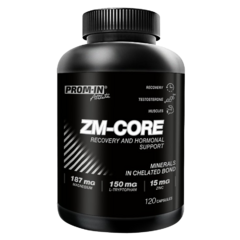
Prom-in ZM-Core
What to take away from the article?
Getting enough quality sleep is integral to overall health, athletic and mental performance. In addition to resting, regenerating and regaining strength, it also harmonises the levels of a number of hormones. Just because of the comprehensive effect it has on our body, we should make it one of our key daily priorities. It is generally stated that we should (ideally) sleep 7-9 hours per day, but the actual optimum will be slightly different for each of us. Sleep is just as important as a proper diet and training plan, so we should definitely not underestimate it. If you're plagued by insomnia or difficulty falling asleep, try some of the tips we've put together today!
Sources:
Abbasi, B., Kimiagar, M., Sadeghniiat, K., Shirazi, M. M., Hedayati, M., & Rashidkhani, B. (2012). The effect of magnesium supplementation on primary insomnia in elderly: A double-blind placebo-controlled clinical trial. Journal of research in medical sciences : the official journal of Isfahan University of Medical Sciences, 17(12), 1161-1169.
Zhao, Z. C., Zhou, Y., Tan, G., & Li, J. (2018). Research progress about the effect and prevention of blue light on eyes. International journal of ophthalmology, 11(12), 1999-2003. https://doi.org/10.18240/ijo.2018.12.20
Ferracioli-Oda, E., Qawasmi, A., & Bloch, M. H. (2013). Meta-analysis: melatonin for the treatment of primary sleep disorders. PloS one, 8(5), e63773. https://doi.org/10.1371/journal.pone.0063773
Shochat, T., Haimov, I., & Lavie, P. (1998). Melatonin--the key to the gate of sleep. Annals of medicine, 30(1), 109-114. https://doi.org/10.3109/07853899808999392Hartescu, I., Morgan, K., & Stevinson, C. D. (2015). Increased physical activity improves sleep and mood outcomes in inactive people with insomnia: a randomized controlled trial. Journal of sleep research, 24(5), 526-534. https://doi.org/10.1111/jsr.12297
Halpern, J., Cohen, M., Kennedy, G., Reece, J., Cahan, C., & Baharav, A. (2014). Yoga for improving sleep quality and quality of life for older adults. Alternative therapies in health and medicine, 20(3), 37-46.
Tosini, G., Ferguson, I., & Tsubota, K. (2016). Effects of blue light on the circadian system and eye physiology. Molecular vision, 22, 61-72.
https://www.webmd.com/sleep-disorders/sleep-blue-light
Cooper, C. B., Neufeld, E. V., Dolezal, B. A., & Martin, J. L. (2018). Sleep deprivation and obesity in adults: a brief narrative review. BMJ open sport & exercise medicine, 4(1), e000392. https://doi.org/10.1136/bmjsem-2018-000392
Itani, O., Jike, M., Watanabe, N., & Kaneita, Y. (2017). Short sleep duration and health outcomes: a systematic review, meta-analysis, and meta-regression. Sleep medicine, 32, 246-256. https://doi.org/10.1016/j.sleep.2016.08.006
No posts have been made yet.








