





Tips on how to better handle training in the heat!
 Author:
 Summer is already in full swing and the temperatures are climbing really high. We've been focusing on tanning, summer eating and today we're looking at how to handle the heat coolly from a training perspective. So whether you're a lover of running or other outdoor activities, or you go to a gym that doesn't have air conditioning, you can look forward to an article full of tips on how to make your workout in the heat more enjoyable and bearable.
Tips to make exercise in the heat more enjoyable
We're not going to beat around the bush and jump straight into tips that will make even training in the heat fun, intense and enjoyable.
1. Hydrate, hydrate and hydrate again!
The first tip is pretty predictable, but it's especially important in the heat, so it's imperative that we list it. During hot summer days, you need to supply your body with plenty of fluids, and if you're moving, that goes double! In fact, you sweat even more during exercise in the heat than you do in normal conditions, which means that your body loses even more fluid than it does during exercise in the winter months, so you logically need to replenish more. Research suggests that when playing sport in hot environments, individuals commonly sweat up to one litre per hour - this is many times more than in normal temperature conditions and you need to adapt your drinking regime well to this.
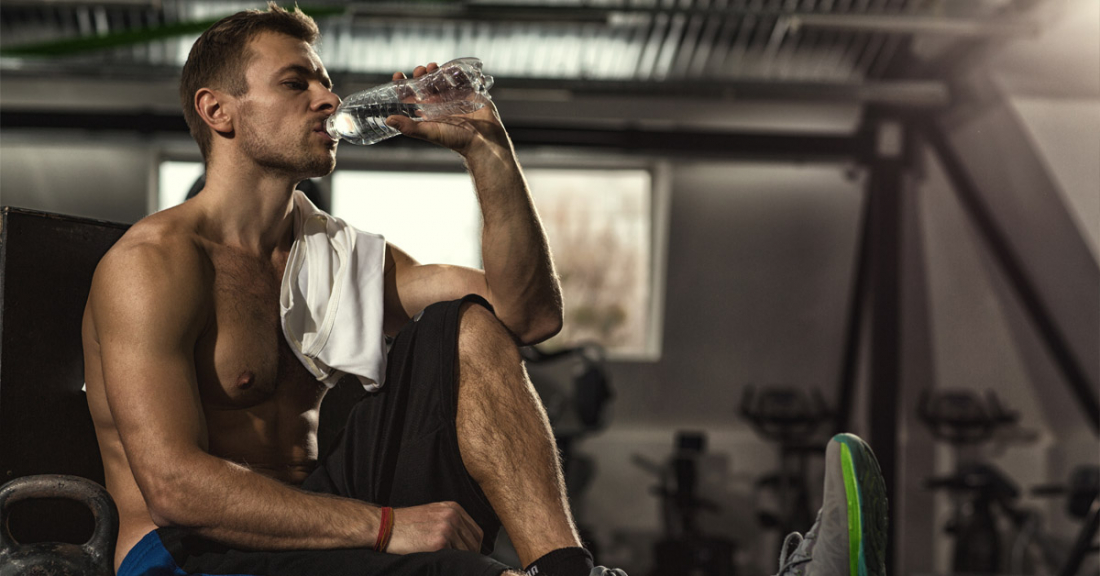
During the summer it is very important to be adequately hydrated before the actual training begins. Not only should you drink plenty of water before, during and after training, but it is also quite helpful to eat foods that help restore electrolyte balance. Before and after exercising in the heat, eat or drink naturally hydrating foods that provide electrolytes. These include coconut water, watermelon, cucumber, celery, citrus fruits and carrots. After your workout, be sure to replenish sweaty fluids and sodium. Drink an extra two to three cups of water, and eating foods with just enough sodium won't hurt either. This can be found in cucumbers, sauerkraut or simply just add a pinch of sea salt to your post-workout meal.
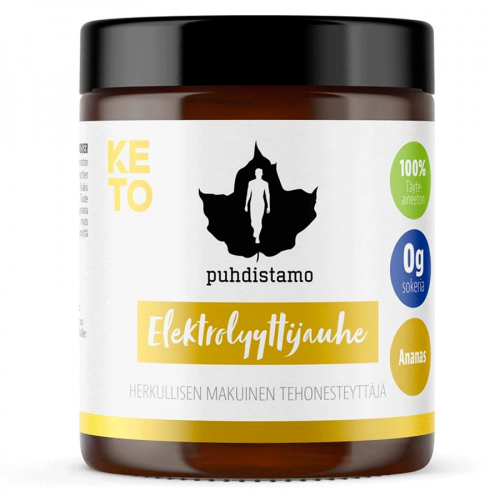
Purifier Electrolyte Powder is a holistic, delicious tasting electrolyte drink powder that helps maintain the balance of necessary electrolytes in our bodies.
2. Plan your workout and think!
If you plan to exercise outdoors, choose a cooler time of day when the sun isn't currently beating down at 106. So ideally early morning or late afternoon/early evening. These are great times to exercise outdoors as they minimize exposure to direct sunlight, but also for workouts in the gym. If you don't have the opportunity to run or exercise outdoors when it's not so hot, at least try to seek out shady areas - in the summer, for example, it's a great option to run in the woods among the trees, where it's much cooler and more pleasant than on the hot asphalt in the city. In short - plan, think and look for ways to make your outdoor workouts as enjoyable as possible. If you're going to exercise in the sun, don't forget your headgear and make sure you apply a good, strong enough sunscreen - it's probably easier than ever to get a sunburn while playing sports.

3. Consider a pre-workout shower
Yes, really - a pre-workout shower can be a pretty decent way to manage workouts in the heat. In fact, research suggests that manipulating body temperature before exercise can affect exercise performance and can be an effective strategy for athletes competing in stressful environments, such as extreme heat. A cool shower or a brief splash in cold water before exercising in the heat is a great way to lower body temperature and ensure that the body handles the workout much better.
4. Wear light clothing
If you're exercising outdoors, avoid wearing dark clothing that will attract the sun's rays and make you doubly hot. For outdoor exercise in the heat, opt for white or other light-coloured clothing that reflects the sun. It doesn't hurt to think about the material either - choose lightweight clothing and moisture-wicking garments that wick sweat to the outside surface and help keep you dry. You may find that you end up working out best without a t-shirt, as that's a great choice too. Plus - your skin needs to breathe, so the less you wear, the better.
5. Listen to your body
When exercising in the heat, it's important to know your limits. If you get dizzy, lightheaded or just don't feel right, don't push it, rest and have a good drink. Even experienced and well-trained individuals can struggle in the heat, as the hot air and high temperatures are quite different from training in conditions we are normally used to. Give your body time to adapt and really listen to it. The human body is really an amazing "machine" and will always tell you exactly what it needs - you just have to learn to feel it properly. Excessive sweating can lead to heat exhaustion, and that can lead to other unpleasantness. So be really careful to replenish fluids during activities and pay attention to the signals your body is giving you.
Recommended
Viridian SPORTS Electrolyte Fix
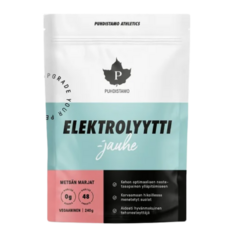
Puhdistamo Electrolyte Powder
6. Short training, good training!
In hot weather, less is sometimes more. Especially if you're not used to moving in the heat, don't go crazy and opt for shorter training sessions instead - start at about 20-30 minutes. Let your body get used to physical activity in the heat, whether it's outdoors or in the gym, and only then can you start to slowly lengthen the interval. Especially if you're suffering from high blood pressure, don't overdo it. Seriously, keep your wits about you!
7. Instead of running, try swimming or other water sports
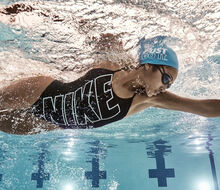
If you're a runner, but you just can't run in the heat, can't go running when it's cooler, or don't enjoy the un-air-conditioned confines of a gym, try some other activities. Swimming is an ideal summer sport - it puts a strain on your whole body and although it may not seem like it, you'll get a really good workout! Swimming is also one of the most gentle sports on the musculoskeletal system, making it an activity suitable for everyone, whether it's for body work, recovery or regeneration. Find a clean swimming pool, a natural area with plenty of space or head to the city pool, over the summer your body will thank you for it - in every way. As well as swimming, you could try surfing or windsurfing - both are very challenging sports and you definitely won't get bored!
What to take away from the article?
Training in the heat is not for everyone and has its own rules. The most important is sufficient hydration not only during the movement, but also before and after. In addition, today we've given some tips on how to manage your workouts in the heat and how to make them more enjoyable - ideally move at a time of day when the sun isn't burning so much, and if you can't, seek out shady areas or try the magic of water sports. Appropriate clothing, the ability to listen to your body and not overdoing it in the heat are also important, especially if you're not used to hot air and high temperatures.
Sources:
Maughan, R., & Shirreffs, S. (2004). Exercise in the heat: challenges and opportunities. Journal of sports sciences, 22(10), 917-927. https://doi.org/10.1080/02640410400005909
Terrados, N., & Maughan, R. J. (1995). Exercise in the heat: strategies to minimize the adverse effects on performance. Journal of sports sciences, 13 Spec No, S55-S62. https://doi.org/10.1080/02640419508732278
No posts have been made yet.








