MCT oil for coffee or bulletproof coffee
 Author:
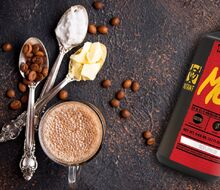
 The "bulletproof coffee" phenomenon, also known as Bulletproof Coffee, has literally flooded the fitness and healthy lifestyle world in recent years. It promises a rocket start to the day, laser-sharp focus, weight loss support and endless energy. Typically consisting of high-quality coffee, MCT oil and often butter or ghee, this drink has become a morning ritual for many athletes and biohackers. But what does the science say? Are these bold claims backed by evidence, or is it more like clever marketing? So in this article, we take a look at two recent studies that examined some of the key effects attributed to this popular drink.

Article content:
What is MCT oil?
The heart of Bulletproof Coffee is undoubtedly MCT oil. The acronym MCT stands for Medium-Chain Triglycerides. Unlike the more common long-chain fats (LCTs) found in olive oil or avocados, for example, MCT fats have a unique metabolic pathway. Our bodies can absorb them more quickly and transport them directly to the liver, where they can be promptly converted into energy in the form of ketones. It is this rapid conversion to "fuel" that is one of the main reasons MCT oil has gained popularity, especially among individuals following low-carbohydrate or ketogenic diets. For athletes, it sounds like an ideal source of quick and sustainable energy.
Claims versus science: Let's take a closer look
Marketing around Bulletproof Coffee is often built around a few key benefits. But how does it stand up in the face of scientific scrutiny?
1. Cognitive performance on command? A razor-like brain?
One of the most commonly touted benefits of Bulletproof Coffee is the supposed improvement in cognitive function - better focus, mental clarity and productivity. The logic is that the rapid influx of energy from MCT oil, or ketone formation, will provide the brain with "superfuel". But how does this claim stand up in light of the scientific data?
A study published in the journal Nutrients in 2021 looked at this very question. The research compared the acute effects of consuming Bulletproof Coffee (containing MCT oil and ghee) with black coffee on cognitive function in healthy individuals. The results were somewhat sobering. The study authors concluded that:
"Preliminary results suggest that there was no difference in cognitive function between the two conditions."1
Thus, it appears that, at least in the short term and in healthy individuals, the addition of MCT oil and fat to coffee versus coffee alone does not provide a measurable cognitive benefit beyond what caffeine alone provides.

2. A miracle fighter against inflammation?
Another often touted benefit is the anti-inflammatory effect. Chronic inflammation is associated with a number of civilizational diseases, and efforts to suppress it are of interest to many athletes seeking better recovery and overall health. Could Bulletproof Coffee be one tool to keep inflammation at bay?
A second study, also published in the Journal of Inflammation Research in 2021, examined the effect of coffee with MCT oil and ghee on markers of cellular inflammation in young healthy people. Specifically, the researchers focused on the concentration of circulating monocytes and the expression of the TLR4 receptor on their surface, markers associated with inflammatory processes. Here too, the results were rather neutral. The study states:
"Preliminary results of the current study showed no significant effect of BPC [Bulletproof Coffee] consumption on circulating monocyte concentration or monocyte surface TLR4 expression. "2
Thus, based on these findings, Bulletproof Coffee in this particular formulation and population does not appear to have significant anti-inflammatory effects as measured by these specific markers.
3. The key to better satiety and weight control?
While for cognition and inflammation the scientific evidence from these studies has not generated much enthusiasm, a more interesting picture is emerging in the area of appetite control and satiety. Athletes, especially those on weight loss diets or aiming to optimize body composition, are constantly looking for ways to better manage hunger and regulate caloric intake. This is where Bulletproof Coffee could offer some benefits.
The aforementioned study from the journal Nutrients,1 which failed to show cognitive improvement, yielded a different, potentially positive finding. Participants who consumed Bulletproof Coffee reported "greater feelings of fullness and lower perceived future food intake," compared to those who drank only black coffee. This finding is consistent with some of the well-known properties of fats, which generally take longer to digest and thus may contribute to a longer feeling of fullness. While MCT oils are metabolized more quickly than LCTs, the overall high fat content of the beverage (due to MCTs and possibly butter/ghee) seems to play a role. For athletes, this may mean less temptation to reach for unhealthy snacks between meals and better control of overall caloric intake, which is key for weight management.
Potential pitfalls and what to watch out for
Despite the potential benefit of increased satiety, it's important to approach Bulletproof Coffee with common sense and be aware of the potential drawbacks.
- It is a very calorie-dense beverage. A single serving can easily contain 200-500 calories, primarily from fat. If you indulge in such coffee in addition to your regular diet without cutting calories elsewhere, it can lead to unwanted weight gain. Athletes should carefully factor these calories into their daily energy intake and expenditure.
- Digestive upset: Sudden inclusion of large amounts of MCT oil can cause digestive upset such as abdominal pain, diarrhea or nausea in some individuals. It is recommended to start with small doses (e.g., a teaspoon) and gradually increase the amount as tolerated.
- Nutrient depletion: if Bulletproof Coffee replaces a nutrient-dense breakfast (e.g. porridge with fruit and protein), it can deplete the diet of important micronutrients, fibre and protein.
- Limitations of the studies: It is also good to note that the studies mentioned1,2 were conducted on 'young healthy people' and looked mainly at acute (short-term) effects. Thus, the long-term effects of regular consumption of Bulletproof Coffee on different populations and health aspects remain a subject for further investigation. It cannot be automatically assumed that the same results will apply to everyone.
Who might benefit (and who might not)?
So who might consider including Bulletproof Coffee in their arsenal and who should be more wary? Given the findings of a potential increase in satiety, this drink may be an interesting choice for:
- Individuals on a low-carbohydrate or ketogenic diet: MCT oil promotes ketone production and the high fat content fits the diet profile.
- Athletes in a weight loss period: when properly incorporated into caloric intake, it can help manage hunger.
- Those with a very active morning: A quick energy boost from MCTs and caffeine can provide a "kick".
- Intermittent fasting experimenters: May help prolong fasting (even if technically breaking the fast).
Conversely, caution should be used:
- Individuals with sensitive digestion.
- Athletes with high carbohydrate requirements (e.g., endurance athletes).
- Individuals with cardiovascular problems or high cholesterol should consult a physician.
Final summary: Reality versus expectations
Bulletproof Coffee, a combination of coffee, MCT oil and fat, has earned a firm place among popular trends. Promises of cognitive enhancement, anti-inflammatory effects, or energy sound enticing. But when we look at the concrete scientific evidence from recent studies, the picture is a bit more sobering.
Research suggests that, in terms of acute cognitive improvement in healthy individuals, Bulletproof Coffee provides no measurable benefit over black coffee.1 Similarly, no significant positive impact has been demonstrated for the markers of cellular inflammation examined.2
Where Bulletproof Coffee appears to score points, however, is in the area of satiety. One study showed that its consumption led to a greater sense of fullness and reduced perception of future food intake compared to black coffee.1 This may be useful for those trying to control their caloric intake.
However, it is crucial to be mindful of the high caloric content of this beverage and the potential for digestive difficulties. In conclusion, Bulletproof Coffee is not a miracle elixir, but may be an interesting supplement for specific groups of people and goals if used judiciously and in the context of an overall balanced diet. As with many supplements and nutritional strategies, individual reactions can vary. It is always a good idea to listen to your body.
Recommended
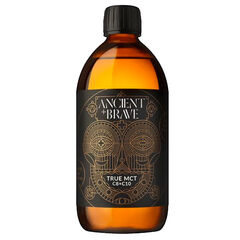
Ancient Brave True MCT
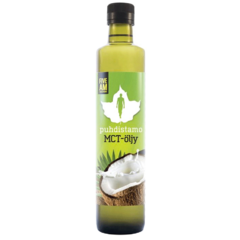
Puhdistamo MCT Oil
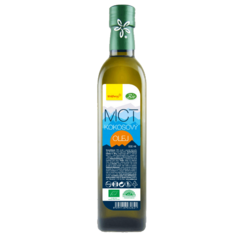
Wolfberry Kokosový olej MCT BIO
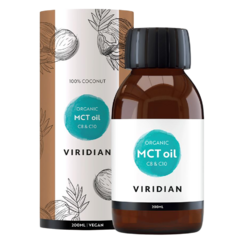
Viridian MCT Oil Organic
Sources:
- [1] Rae K, Buso M, et al. Investigating the Effects of a High-fat Coffee Beverage Containing Medium-Chain Triglyceride Oil and Ghee on Cognitive Function and Measures of Satiety. Nutrients. 2021;13(5):1709.
- [2] Trub S, Buso M, Kern M, et al. Impact of Coffee Containing Medium-Chain Triglyceride Oil and Ghee on Markers of Cellular Inflammation in Young Healthy Humans. J Inflamm Res. 2021;14:3235-3243.
- Images: ancientandbrave.earth
No posts have been made yet.