





Maximum benefits and uses of MCT oil: the key to a healthy lifestyle
 Author:
 MCT (medium chain triglycerides) oil has become very popular in recent years, not only among athletes and healthy lifestyle enthusiasts. And no wonder! In addition to the fact that MCT oil can act as a great source of quickly available energy, this type of fat is also associated with other very interesting benefits for overall health. For example, MCTs can support cognitive function, fat burning, optimize nutrient absorption, and last but not least, they can benefit the health and proper functioning of our brains. Today, let's talk about how MCT fats work and what we can actually expect from them.
Article content:
- Theoretical window - what is MCT oil and how is it different from other types of fat?
- MCT vs. Coconut oil
- Health Benefits of MCT Oil
- What to take away from the article?
Theoretical window - what is MCT oil and how does it differ from other types of fat?
"MCT" stands for medium-chain triglycerides, a form of saturated fatty acids. So the name MCT is quite logically derived from the chemical structure. Sometimes we also see the term "MCFA", translated as medium-chain fatty acids. All types of fatty acids consist of chains in which different amounts of carbon and hydrogen molecules are linked. Depending on the number of carbons in their structure, fatty acids can be distinguished into three groups:
- SCFA - short-chain fatty acids (e.g. butyric acid), which have fewer than six carbons,
- MCFA - medium chain fatty acids, which have between 6 and 12 carbons,
- LCFAs - long chain fatty acids (e.g. omega-3s) which have 13-21 carbons.
Compared to longer-chain fatty acids, MCTs are absorbed more easily and significantly faster because the body has much less work to do to break down the carbon bonds. Because MCTs are smaller, they can more easily penetrate cell membranes and do not need to be broken down by the enzyme lipase to be used by the body, as is the case with longer chain acids. Medium-chain fats are therefore easily digested, go directly to the liver and are available as an immediate source of energy. In addition, MCTs have a relatively strong thermogenic effect, which gives them the ability to positively influence our metabolism. Another great benefit is that our body can effectively use MCTs as an energy source instead of storing them as body fat, but of course this only applies to consumption within reasonable limits.
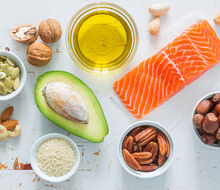
MCTs include the following 4 acids:
- caproic acid (C6)
- caprylic acid (C8)
- capric acid (C10)
- lauric acid (C12)
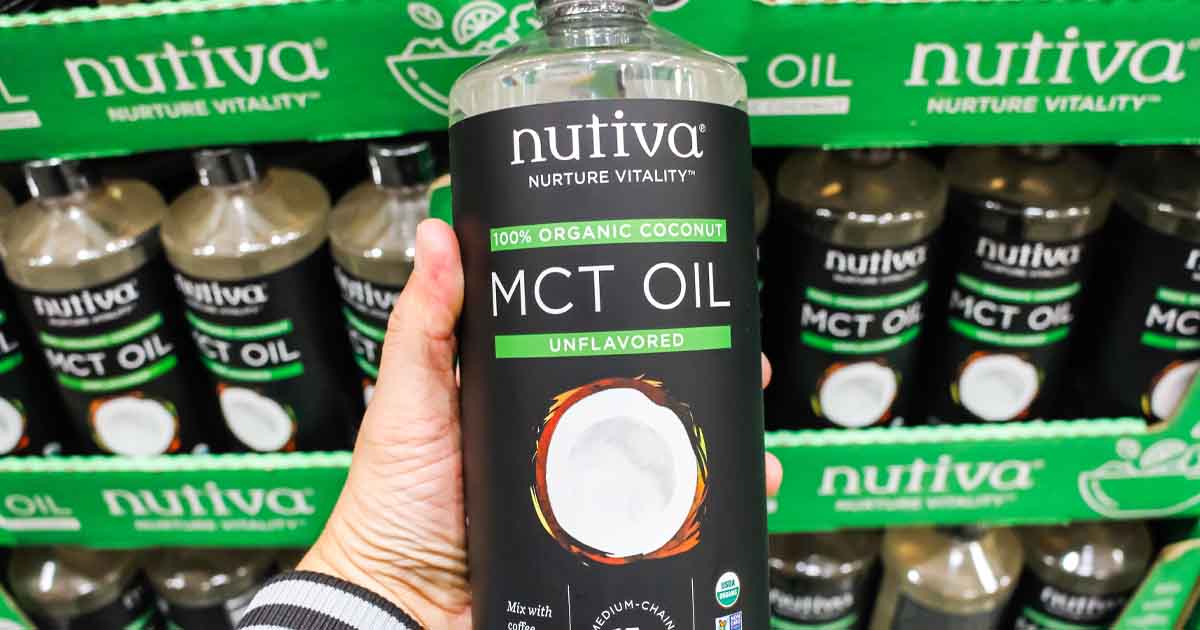
While all four acids are classified as MCTs, research suggests that the most beneficial medium-chain fatty acid is caprylic acid (C8), which is found, for example, in coconut oil. This acid is the most metabolically active of all MCTs. MCTs are well tolerated by people who have difficulty digesting fats, for example due to conditions such as Crohn's disease or leaky gut syndrome, and are also well tolerated by individuals suffering from gallbladder problems. A rich source of MCT fats is, for example, the aforementioned coconut or palm oil.
MCT vs. Coconut oil
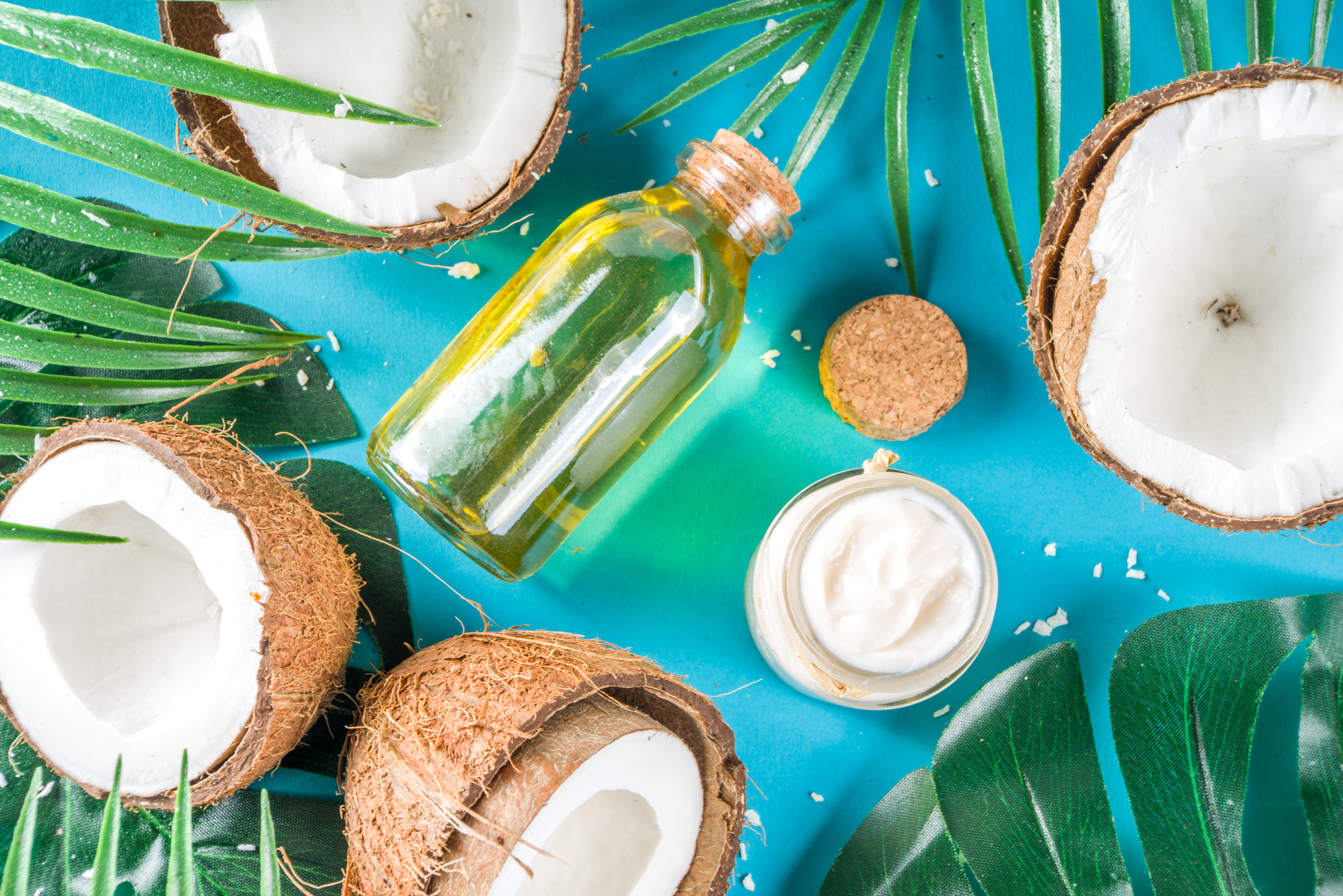
You may be wondering what the difference between coconut oil and MCT oil actually is. As you probably correctly understood, MCT oil is a component of coconut oil and is created by extracting it. High-quality MCT oil contains only caprylic acid, while coconut oil contains other fatty acids, including long-chain ones. Caprylic acid provides the most health benefits in coconut oil, but it is also the least abundant in coconut oil. For this reason, consuming MCT oil, which is a concentrated source of this acid, is significantly more beneficial.

Health benefits of MCT oil
Enough theory - let's take a look at what benefits consuming MCT oil can actually provide to our bodies. And there are not a few of them:
Support for cognitive function and brain health
The human brain is largely made up of fatty acids, so in order to be in a good mood, perform at peak levels at work, school and the gym, concentrate well and keep the brain in good shape into old age, we absolutely need a steady supply of them. Medium-chain fats are considered to be one of the most easily digestible and well-utilized forms of fatty acids. They can be particularly useful for followers of very low-carbohydrate diets such as ketogenic diets. Indeed, studies show that they can reduce the adverse effects of ketoinduction and shorten the time to ketosis. Some research has also concluded that consuming MCTs may even help improve memory problems, including those related to Alzheimer's disease.
Positive effect in fat reduction
There is evidence to suggest that MCT oil can help promote satiety, and may even increase metabolic rate. But definitely don't imagine that you'll take a few teaspoons of MCT oil every day and the fat will disappear on its own. That would be nice, but it doesn't really work that way. While research doesn't show a direct correlation between MCT oil consumption and a lower body fat percentage, there is evidence of a positive effect in terms of speeding up metabolism.
For example, in a 2003 study, researchers compared long-term use of MCTs vs. LCTs. Factors studied included energy expenditure, body composition, and fat metabolism in obese people. MCTs were found to be significantly more effective in association with increased basal metabolic rate and fat oxidation, both important factors for fat reduction. Experimental studies show that MCTs suppress fat deposition precisely through increased thermogenesis and fat oxidation. MCTs are thought to help the body produce ketones without having to reduce carbohydrate intake to drastically low levels. Because of their thermogenic effect and ability to act as a quick source of energy, MCTs are sometimes referred to as one of the best forms of fat to consume in low-carb diets.
Optimizing the digestive process and improving nutrient absorption
MCT oil is also quite important in balancing the ratio of beneficial and harmful bacteria in the gut microbiota, which has positive effects for proper digestive function, energy expenditure, and the ability to maximize the absorption of vitamins and minerals from the foods we eat. Medium chain fats can help reduce a wide range of pathogenic viruses, strains and bacteria that cause digestive problems, including candida, constipation, diarrhea, stomach pain and so on.
In addition, MCT oil helps to rebuild the intestinal lining, so it may be beneficial in the treatment of leaky gut syndrome, for example. A sufficient intake of fatty acids is also important so that our bodies can absorb certain vitamins and minerals found in food. For example, fatty acids are necessary for the absorption of beta-carotene or vitamin E.
MCT oil has strong antibacterial, antiviral and anti-inflammatory properties
Following the positive effect on the intestinal biome, it is also good to highlight the antibacterial, antiviral and anti-inflammatory effects that MCTs can have. According to some studies, medium-chain fats offer better protection against infections of various kinds than longer-chain fatty acids. For example, MCTs have natural antimicrobial properties, which can reduce the amount of harmful bacteria in our gut without destroying beneficial bacteria. According to research, MCT fats offer protection against bacteria such as streptococcus (which causes pneumonia and sinus infections), straphylococcus (which causes food poisoning and urinary tract infections) and neisseria (which causes meningitis and other inflammatory diseases).
MCT oil is a great source of energy
As mentioned several times today, the body can absorb MCTs faster than long-chain triglycerides (LCTs), which contain more carbons in their fatty acid chains. Because of the shorter chain length, MCTs travel faster from the intestine to the liver. In the liver, the fats are broken down to be either used as an energy source or stored as body fat. Because MCTs readily enter the bloodstream without having to be broken down, they are available as an immediate source of energy in the form of ketones.
Ketones are used as fuel by our brains, but they can also be used to produce ATP. ATP acts as an energy source in almost all biochemical reactions in our body. Due to the fact that MCT fats act as a quick source of energy, according to current research, they can serve as a boost for increasing endurance, which will surely be appreciated by athletes of various disciplines. There are also studies that suggest that MCT oil may reduce the production of lactic acid, which is produced in muscles during intense exercise and causes them to fatigue, ache, or cramp.
Where to find MCT oil?
MCT oil can be purchased in supplement form - it is available as a regular liquid oil, but even as a powder. Supplements are a truly concentrated source of MCTs without any additional additives. In addition, MCT fats can be ingested in certain foods. Butter, some dairy products, coconut oil can contain them, and palm fat is also a good source, but it has been very controversial in recent years. Not so much because of its negative impact on health, but mainly because of its unsustainable extraction, which has led to massive deforestation of the Amazon rainforest. By consuming these foods, you will get other sources of fat and other nutrients such as protein, vitamins and minerals in addition to MCTs. When buying MCT oil, make sure the product contains only caprylic acid (C8), which has been shown to have the most benefits of MCT fats .
Recommended daily dosage
The optimal daily dose depends on many different factors. From physical disposition, to goals, to health status, to overall diet structure. One important thing to keep in mind when taking MCT oil - it is a pure fat, so it is a very concerted source of energy. On the one hand, this is quite desirable given its properties, but on the other hand, it is not entirely advisable to overdo it, as it contains a large amount of calories. Of course, consuming fat does not in itself lead to fat gain, but you need to think about the overall concept of the diet and the fact that there are other sources of fat that are beneficial to have in the diet (for example, omega-3 fatty acids). If you're going to use MCT oil to enhance every meal you have in a day, it's probably not the most sensible strategy. An intake of about one teaspoon to one tablespoon per day is plenty sufficient to reap the health benefits.
.jpg)
Where to incorporate MCT oil
Not too long ago, there was a big boom in the fitness and health food world with a drink called Bulletproof coffee. Underneath this name is a mix of coffee, butter and MCT oil. This fat-laden concoction was created as part of the Bulletproof diet trend and its consumption has once again divided experts into two camps. Regular eaters who do not skip carbohydrates in their diet are not recommended to consume this drink at all. Fortunately, there are much healthier, more convenient and tasty ways to ingest MCT oil.
MCT oil is usually tasteless and odorless, which is why it finds wide application. You can use it to make salad dressing, for example, by mixing MCT oil with a teaspoon of honey, a teaspoon of mustard, a handful of your favourite herbs and a pinch of salt. You can also add it to smoothies or shakes, which is a beneficial strategy as MCT oil can stabilize blood sugar levels by helping to slow the rate of absorption of glucose and fructose molecules. MCT oil goes particularly well with tropical fruits in smoothies.
But you don't just have to consume MCT oil - it can also be used in skin or hair care. It can be incorporated into moisturizer, lip balm, sunscreen, shaving cream, conditioner, face masks, or essential oil blends.
Risks and side effects
Because MCT fats occur naturally in some foods, MCT oil is generally well tolerated. The occurrence of side effects associated with the consumption of MCT oil is rather rare and does not involve any major problems. Potential side effects include nausea, vomiting, diarrhoea and digestive discomfort. To reduce the incidence of side effects, we recommend starting with a smaller dose such as one teaspoon, which can be increased gradually over time to one tablespoon per day if needed. Incorporating MCT oil into meals can also help reduce the incidence of potential problems.
Since a high intake of MCTs may affect cardiovascular disease risk factors in people predisposed to developing heart disease, before taking MCT oil, consult your doctor first if you are in this risk group.
What can I take away from this article?
MCT (medium chain triglycerides) oil has become very popular in recent years, and not only among athletes and healthy lifestyle enthusiasts. And no wonder! The scientifically proven benefits of MCT oil include its ability to provide a quick source of energy, aid in fat reduction or weight maintenance, support cognitive function, optimize digestion and improve nutrient absorption. MCT fats can be found in some foods, but they can also be purchased in the form of what is called MCT oil. The latter is tasteless and odourless, so it finds wide application. It can be used to make salad dressings, added to smoothies or anywhere else you would use another type of oil.
Recommended
Mutant MCT Oil
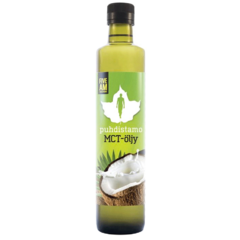
Puhdistamo MCT Oil
Sources:
- Jadhav, H. B., & Annapure, U. S. (2023). Triglycerides of medium-chain fatty acids: a concise review. Journal of food science and technology, 60(8), 2143-2152. https://doi.org/10.1007/s13197-022-05499-w
- Maher, T., & Clegg, M. E. (2021). A systematic review and meta-analysis of medium-chain triglycerides effects on acute satiety and food intake. Critical reviews in food science and nutrition, 61(4), 636-648. https://doi.org/10.1080/10408398.2020.1742654
- St-Onge, M. P., & Jones, P. J. (2003). Greater rise in fat oxidation with medium-chain triglyceride consumption relative to long-chain triglyceride is associated with lower initial body weight and greater loss of subcutaneous adipose tissue. International journal of obesity and related metabolic disorders : journal of the International Association for the Study of Obesity, 27(12), 1565-1571. https://doi.org/10.1038/sj.ijo.0802467.
- Schönfeld, P., & Wojtczak, L. (2016). Short- and medium-chain fatty acids in energy metabolism: the cellular perspective. Journal of lipid research, 57(6), 943-954. https://doi.org/10.1194/jlr.R067629
- Taylor, M. K., Swerdlow, R. H., & Sullivan, D. K. (2019). Dietary Neuroketotherapeutics for Alzheimer's Disease: An Evidence Update and the Potential Role for Diet Quality. Nutrients, 11(8), 1910. https://doi.org/10.3390/nu11081910
- Nagao, K., & Yanagita, T. (2010). Medium-chain fatty acids: functional lipids for the prevention and treatment of the metabolic syndrome. Pharmacological research, 61(3), 208-212. https://doi.org/10.1016/j.phrs.2009.11.00
- St-Onge, M. P., & Bosarge, A. (2008). Weight-loss diet that includes consumption of medium-chain triacylglycerol oil leads to a greater rate of weight and fat mass loss than does olive oil. The American journal of clinical nutrition, 87(3), 621-626. https://doi.org/10.1093/ajcn/87.3.621
- Sung, M. H., Liao, F. H., & Chien, Y. W. (2018). Medium-Chain Triglycerides Lower Blood Lipids and Body Weight in Streptozotocin-Induced Type 2 Diabetes Rats. Nutrients, 10(8), 963. https://doi.org/10.3390/nu10080963
- St-Onge, M. P., Bourque, C., Jones, P. J., Ross, R., & Parsons, W. E. (2003). Medium- versus long-chain triglycerides for 27 days increases fat oxidation and energy expenditure without resulting in changes in body composition in overweight women. International journal of obesity and related metabolic disorders : journal of the International Association for the Study of Obesity, 27(1), 95-102. https://doi.org/10.1038/sj.ijo.0802169
- Fushiki, T., Matsumoto, K., Inoue, K., Kawada, T., & Sugimoto, E. (1995). Swimming endurance capacity of mice is increased by chronic consumption of medium-chain triglycerides. The Journal of nutrition, 125(3), 531-539. https://doi.org/10.1093/jn/125.3.531
- Nosaka, N., Suzuki, Y., Nagatoishi, A., Kasai, M., Wu, J., & Taguchi, M. (2009). Effect of ingestion of medium-chain triacylglycerols on moderate- and high-intensity exercise in recreational athletes. Journal of nutritional science and vitaminology, 55(2), 120-125. https://doi.org/10.3177/jnsv.55.12
- Wang, Y., Liu, Z., Han, Y., Xu, J., Huang, W., & Li, Z. (2018). Medium Chain Triglycerides enhances exercise endurance through the increased mitochondrial biogenesis and metabolism. PloS one, 13(2), e0191182. https://doi.org/10.1371/journal.pone.0191182
- Nosaka, N., Tsujino, S., Honda, K., Suemitsu, H., Kato, K., & Kondo, K. (2020). Effect of Ingestion of Medium-Chain Triglycerides on Substrate Oxidation during Aerobic Exercise Could Depend on Sex Difference in Middle-Aged Sedentary Persons. Nutrients, 13(1), 36. https://doi.org/10.3390/nu1301003
- Image: musclepower.pl
No posts have been made yet.








