





Coconut oil: Properties, uses and health benefits
 Author:
 Coconut oil is quite a frequently discussed topic in nutrition. Some people look down on it and strongly condemn it, others do not allow it. That's why we're going to take a closer look at coconut oil today. The truth is that coconut oil offers a whole host of interesting benefits, not just in terms of its nutritional profile, and it's a shame to completely disregard it.
Article content:
- Theoretical window - what is coconut oil?
- A theoretical window in a theoretical window, or what does it actually mean that it is high in saturated acids?
- The biggest benefits of coconut oil
- How to use coconut oil?
- What to take away from the article?
The theoretical window - what is coconut oil?
In order to discuss the nutritional benefits and drawbacks of coconut oil, we first need to understand its basic variants. We can come across refined coconut oil and virgin coconut oil. As it is traditionally the case, the virgin variant is much healthier and preferable than the latter. Virgin coconut oil is the least refined and the most beneficial. It is made from copra, or dried coconut meat, which is removed from the shell and pressed to extract the natural oils. It usually has a great nutty and slightly sweet taste.
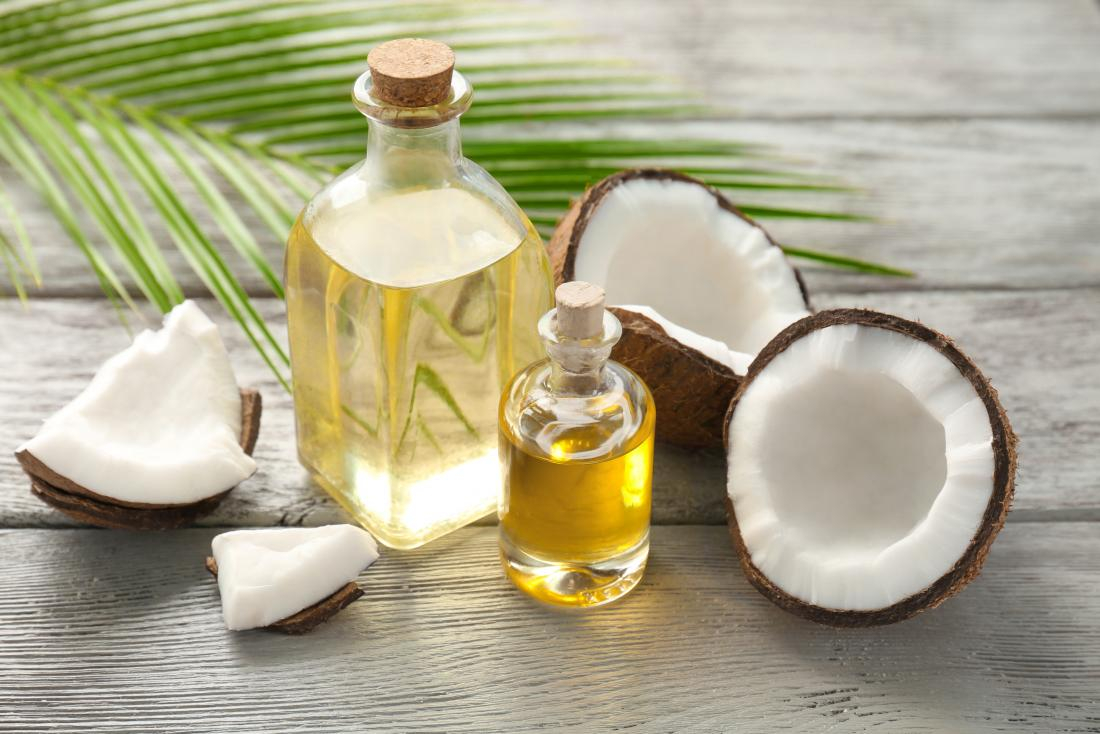
Refined coconut oil has undergone a refining process that includes purification, bleaching and deodorisation processes. Unlike virgin coconut oil, refined oils do not have a distinct coconut taste or aroma. They are not recommended for consumption because many are produced at high temperatures and using various chemicals that can destroy the beneficial antioxidants of the original coconut oil. However, refined coconut oils can be used in the production of creams or other cosmetics.
At room temperature (around 25 °C), coconut oil has a solid texture, and at higher temperatures it begins to liquefy. It has a high smoke point (specifically 175 °C) and is therefore suitable for use in a hot kitchen as it does not burn. Coconut oil is high in saturated fatty acids, which is why it has been vilified and criticised quite often in recent years, because saturated fatty acids are thought to have a negative effect on cardiovascular health and studies on this subject are quite controversial, but we will come back to this later.

A theoretical window in a theoretical window, or what does it actually mean that it has a high saturated acid content?
Fats are made up of small compounds called fatty acids. These are made up of chains of different lengths. Most fats and oils are made up of long-chain triglycerides. Coconut oil is a bit unique in this respect. The fatty acids contained in coconut oil are medium chain triglyceride (MCT) fatty acids, which are also found, for example, in breast milk. This type of hand is very well metabolized and gives coconut oil a number of interesting benefits. These unique fats include:
- caprylic acid
- lauric acid
- capric acid
- myristic acid
Most of the fatty acids we consume in our diet are long-chain fatty acids. However, the medium-chain fatty acids found in coconut oil are metabolized quite differently than regular fatty acids. They are taken from the intestines directly to the liver, where they are either used as a quick source of energy or converted into so-called ketone bodies (ketones), which are used in the treatment of many brain diseases such as epilepsy and Alzheimer's disease.
MCT fats are easily digestible, hence their ability to provide energy quickly. Compared to long-chain fatty acids, MCTs tend to convert less into fat, which is why they are also often cited as aids in fat reduction efforts. Other highlights include high antioxidant content and antibacterial effects.
The biggest benefits of coconut oil
Coconut oil has a wide range of uses and a variety of amazing benefits. Let's take a look at the most important ones together.
It can promote fat burning and support healthy digestion
In this regard, coconut oil offers several major benefits. It was mentioned earlier that it is metabolized in the liver, provides a quick source of energy and, compared to long-chain fatty acids, tends to be much less likely to be stored as body fat. It can also increase satiety, allowing fewer calories to be taken in. For example, carpic acid has been shown to significantly improve thyroid function, help reduce resting heart rate and help the body burn fat for energy. However, definitely don't take this to mean that coconut oil has the ability to promote fat burning, so eat it by the spoonful every day. Like other oils, coconut oil is very calorie dense and needs to be handled with care.
Due to its antibacterial properties, coconut oil can also promote digestion. The compounds present in coconut oil fight bacteria and parasites found inside the digestive tract. These effects are appreciated, for example, by individuals suffering from irritable bowel syndrome. Coconut oil also helps to absorb nutrients and amino acids.

Provides a fast source of energy
Coconut oil is very popular among endurance and strength endurance athletes because it provides a quick and reliable source of energy. As mentioned above, compared to long-chain acids, MCT fats are already metabolized in the liver, making them a similarly good source of energy as carbohydrates. This is used, for example, by triathletes or runners who need a reliable source of energy for their performance. In addition, MCT fats have the ability to boost the metabolism.
A miracle for the skin
Coconut oil also finds use externally. One of the best known and most appreciated benefits of coconut oil is its beneficial effects on the skin. This is because it has the ability to moisturize strongly and has antimicrobial properties. It is quickly absorbed and supplies the skin with important nutrients, which is why it is a very common ingredient in cosmetic products of all kinds. Because coconut oil provides nutrients and hydration to the skin, it also has a proven ability to prevent skin ageing. To make matters worse, it can be a handy helper for people who suffer from a variety of skin conditions such as atopic eczema or fungal diseases. As a bonus, it also has healing effects.

Coconut oil against Alzheimer's disease
Alzheimer's disease is the most common cause of dementia. This condition reduces the brain's ability to use glucose for energy. The digestion of medium-chain fatty acids (MCFAs) by the liver produces ketones, which are readily available to the brain for energy. Ketones provide energy to the brain without requiring insulin to process glucose into energy. Scientists therefore believe that ketones may offset the early symptoms of mild to moderate Alzheimer's disease by providing an alternative source of energy for brain cells. This is why coconut oil, as one of the sources of MCT fats, appears to be an aid in the treatment and prevention of this serious disease.
A 2020 review of studies highlights the role of medium-chain triglycerides in the prevention of Alzheimer's disease due to their neuroprotective, anti-inflammatory and antioxidant properties. Speaking of the brain, let's follow up with other benefits that are relevant to this part of the body - coconut oil has the ability to boost memory and overall brain function, especially in the elderly.
Recommended
LifeLike Kokosový olej
Support for cardiovascular health
Coconut oil is high in natural saturated fats. Coconut oil is often criticised for its saturated fat content and studies are very contradictory. One possible explanation for the conflicting results could be the different methods between studies. Some studies compare the effects of coconut oil with other sources of saturated vegetable fats, while others compare it with saturated animal fats - such as butter. Therefore, logically, each study arrives at slightly different results, and this sometimes casts an unnecessarily negative picture of coconut oil.
Recent studies largely agree that coconut oil doesn't have the negative effects associated with saturated fat consumption that long-chain saturated fats do, and may even be more beneficial. Of course, even in this case, the difference between a drug and a poison is only in the amount. We'd probably totally recommend adding coconut oil to your coffee, or eating it by the spoonful, but you certainly don't have to be scared as hell of it. According to modern research, coconut oil can promote an increase in HDL, the beneficial cholesterol, while lowering LDL, the "bad" cholesterol, thus benefiting the health of the cardiovascular system.
It is a great source of antioxidants and can support the immune system
Coconut oil is quite rich in various antioxidants that help to neutralise harmful molecules called free radicals. This in turn helps ward off a variety of chronic and degenerative diseases. The antioxidants in coconut oil are anti-inflammatory and have the ability to protect the brain and promote its functionality. Coconut oil contains lauric acid (monolaurin) which has been shown to reduce candida, fight bacteria and create a hostile environment for viruses. Studies suggest that coconut oil has antimicrobial effects and helps activate the anti-inflammatory nature of the immune response in the human body.

How to use coconut oil?
As already mentioned, if you are going to buy coconut oil, definitely choose the virgin version. Refined versions, as with other foods, are not as beneficial and lose key nutrients. So how can we use coconut oil specifically?
Cooking and baking
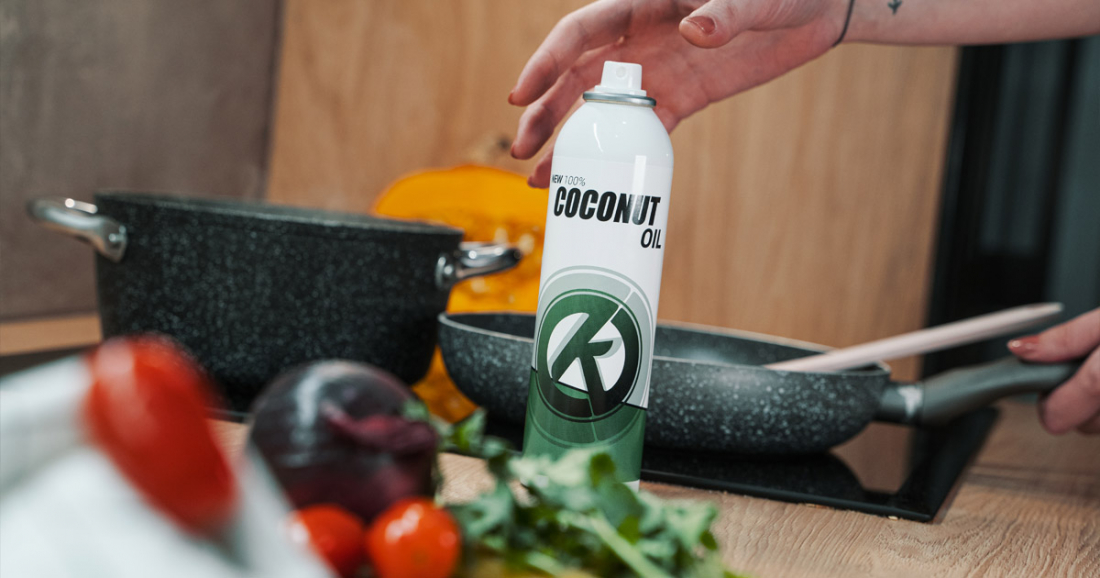
Coconut oil can be used in cooking and baking and can be added to smoothies. Natural, unrefined, organic coconut oil adds a pleasant coconut flavour to dishes, but does not contain harmful toxins like other hydrogenated cooking oils. We already know that coconut oil is easily digestible and adding it to meals or smoothies helps to quickly boost energy, which is appreciated by athletes of all kinds. Its high smoke point also makes it suitable for sautéing meats and other foods. Great for making pancakes. Coconut oil also solidifies when refrigerated, so it is often added to a variety of toppings and can be used to make wonderful desserts. However, don't overdo it with coconut oil - it's still a high-calorie food and contains saturated fat, which should be kept to no more than 10% of the total fat we consume in a day.
For skin, hair and teeth
Coconut oil can also be used as a skin moisturiser, make-up remover or soothing cream. You can use it in the form of prepared cosmetic creams, but feel free to use it neat. It is especially beneficial to rub it into your skin right after showering. It works as a great moisturizer and has antimicrobial properties that boost skin and hair health. You can also use it to make homemade face and hair masks. It can also be applied to the lips as a lip balm. Coconut oil is also used as an ingredient in toothpastes and has the ability to whiten teeth. Last but not least, it can be used as a massage oil.
In the home
To make matters worse, coconut oil works as a natural dust guard, laundry detergent, furniture polish and homemade hand soap. It kills bacteria and mold that can breed in your home, and also keeps surfaces shiny.
What to take away from the article?
Coconut oil is one of the most popular fats ever. Despite being a very controversial nutrition topic, especially in recent years, there is no need to fear it or strictly eliminate it from your diet. Coconut oil has a wide range of uses - its high smoke point makes it perfect for hot cooking, roasting meat, frying pancakes or adding to desserts. It adds a beautiful aroma to dishes. For consumption, choose a virgin, unrefined version. But you can also use it externally, as it tends to moisturise the skin and prevent it from ageing. In short, coconut oil will never go to waste at home.
Sources:
Hewlings S. (2020). Coconuts and Health: Different Chain Lengths of Saturated Fats Require Different Consideration. Journal of cardiovascular development and disease, 7(4), 59. https://doi.org/10.3390/jcdd7040059
Mumme, K., & Stonehouse, W. (2015). Effects of medium-chain triglycerides on weight loss and body composition: a meta-analysis of randomized controlled trials. Journal of the Academy of Nutrition and Dietetics, 115(2), 249-263. https://doi.org/10.1016/j.jand.2014.10.022
Boateng, L., Ansong, R., Owusu, W. B., & Steiner-Asiedu, M. (2016). Coconut oil and palm oil's role in nutrition, health and national development: A review. Ghana medical journal, 50(3), 189-196.
Maher, T., & Clegg, M. E. (2021). A systematic review and meta-analysis of medium-chain triglycerides effects on acute satiety and food intake. Critical reviews in food science and nutrition, 61(4), 636-648. https://doi.org/10.1080/10408398.2020.1742654
Verallo-Rowell, V. M., Katalbas, S. S., & Pangasinan, J. P. (2016). Natural (Mineral, Vegetable, Coconut, Essential) Oils and Contact Dermatitis. Current allergy and asthma reports, 16(7), 51. https://doi.org/10.1007/s11882-016-0630-9
Cunnane, S. C., Courchesne-Loyer, A., St-Pierre, V., Vandenberghe, C., Pierotti, T., Fortier, M., Croteau, E., & Castellano, C. A. (2016). Can ketones compensate for deteriorating brain glucose uptake during aging? Implications for the risk and treatment of Alzheimer's disease. Annals of the New York Academy of Sciences, 1367(1), 12-20. https://doi.org/10.1111/nyas.12999
Neelakantan, N., Seah, J., & van Dam, R. M. (2020). The Effect of Coconut Oil Consumption on Cardiovascular Risk Factors: A Systematic Review and Meta-Analysis of Clinical Trials. Circulation, 141(10), 803-814. https://doi.org/10.1161/CIRCULATIONAHA.119.043052
Sheela, D. L., Nazeem, P. A., Narayanankutty, A., Shylaja, R. M., Davis, S. P., James, P., Valsalan, R., Devassy Babu, T., & Raghavamenon, A. C. (2017). Coconut phytocompounds inhibits polyol pathway enzymes: Implication in prevention of microvascular diabetic complications. Prostaglandins, leukotrienes, and essential fatty acids, 127, 20-24. https://doi.org/10.1016/j.plefa.2017.10.004
Shilling, M., Matt, L., Rubin, E., Visitacion, M. P., Haller, N. A., Gray, S. F., & Woolverton, C. J. (2013). Antimicrobial effects of virgin coconut oil and its medium-chain fatty acids on Clostridium difficile. Journal of medicinal food, 16(12), 1079-1085. https://doi.org/10.1089/jmf.2012.0303
Wang, B., Li, L., Fu, J., Yu, P., Gong, D., Zeng, C., & Zeng, Z. (2016). Effects of Long-Chain and Medium-Chain Fatty Acids on Apoptosis and Oxidative Stress in Human Liver Cells with Steatosis. Journal of food science, 81(3), H794-H800. https://doi.org/10.1111/1750-3841.13210
Lin, T. K., Zhong, L., & Santiago, J. L. (2017). Anti-Inflammatory and Skin Barrier Repair Effects of Topical Application of Some Plant Oils. International journal of molecular sciences, 19(1), 70. https://doi.org/10.3390/ijms19010070
Lei, T., Xie, W., Han, J., Corkey, B. E., Hamilton, J. A., & Guo, W. (2004). Medium-chain Fatty acids attenuate agonist-stimulated lipolysis, mimicking the effects of starvation. Obesity research, 12(4), 599-611. https://doi.org/10.1038/oby.2004.69
No posts have been made yet.








