





Vegetable oils | Everything you need to know about them
 Author:
 If you spend any time in the kitchen yourself, you know that you can't do without oil. It is not only used in baking and frying, but is also commonly used in various dressings, salads, soups and various desserts. What's more, it's not an empty source of calories - quality oil is a source of a whole range of health benefits. Which is the healthiest? And which is best for cooking? That's what our article today is all about.
What is oil?
Common sense can tell us what oil is. In terms of chemical structure, it is a fat, of which triacylglycerols are the majority. In very simple terms, plants have a certain amount of fat stored in their seeds (or fruits). And this fat is obtained by pressing, which can take place either cold or in the presence of heat. As you can guess, cold pressing does not degrade the beneficial substances, but the amount of oil obtained is much lower.
What does it contain?
The oil obtained in this way contains a variety of different substances. First and foremost, of course, are the lipids - monounsaturated, polyunsaturated and saturated fatty acids are present in different proportions in different types of oil. But there are also a variety of vitamins, minerals, colouring agents (such as carotenoids) and tocopherols, as well as lecithin and various antioxidant and aromatic substances.
Which oil is the healthiest?
There are dozens of different products on the market today, all derived from different sources, and asking which is the healthiest is in principle the same as asking which fruit is the healthiest. In short, each has its pros and cons. So let's take a look at some of the very commonly used oils:
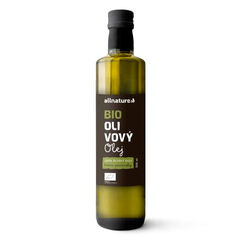
Olive oil
Olive oil is a classic that shouldn't be missing from the shelf of anyone who is committed to a healthy diet. Why is it so popular? In particular, because of its excellent fatty acid profile and its many proven benefits. For example, scientific studies have shown a correlation between the so-called Mediterranean diet, which ensures a sufficient intake of fats from olive oil or nuts, and a lower incidence of cardiovascular disease. In addition, it has proven antioxidant properties and has been shown to have a positive effect on lowering cholesterol levels, improving cognitive function and even insulin resistance.
- Is olive oil suitable for cooking?
If you are buying a good quality olive oil (ideally cold pressed), we do not recommend using it in cooking at all. Although at temperatures up to about 180°C it should not be a problem, some of the valuable substances are devalued and it no longer makes sense to pay extra for extra virgin olive oil. The smoke point of this type of oil is at about 190°C and exceeding this temperature leads to the formation of free radicals and other unhealthy components.
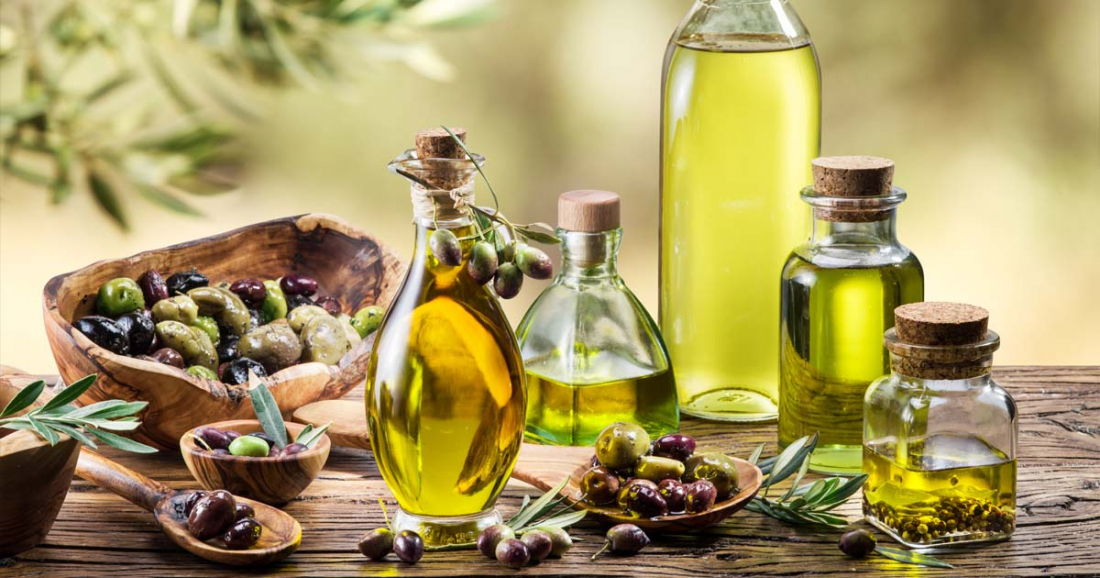
Olive oil should definitely not be missing on your shelf. It is perfect for dressings or cold dishes.
Coconut oil
Basically, there are two oils that are very controversial - palm oil and coconut oil. Coconut oil has an atypical composition, as it contains significantly higher levels of saturated fatty acids than other oils, which have been linked to an increased risk of cardiovascular disease. On the other hand, scientific studies on moderate and occasional consumption of coconut oil suggest a possible correlation with lower appetite and possible antimicrobial activity.
- Is coconut oil suitable for cooking?
Refined coconut oil has a smoke point of about 240°C, unrefined only 180°C and tends to burn, so it is more suitable for cooking at lower temperatures - it is primarily used in less spicy Asian dishes for its subtle coconut flavour, but is also suitable for a range of sweet desserts.
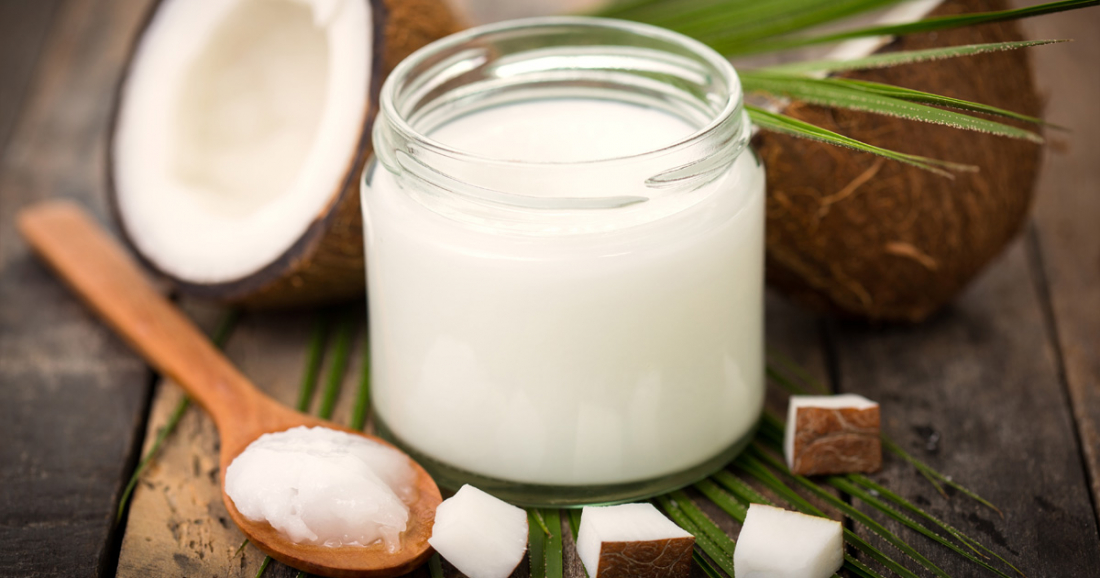
Although somewhat controversial, coconut oil is delicious in a variety of Asian dishes and occasional use is fine.
Canola oil
In the Czech Republic, it's possible to get the impression that nothing else grows here, which is why we tend to be slightly sceptical about rapeseed. However, rapeseed oil is very good and should also have some use in the kitchen. Scientific studies (as expected) show that people who use rapeseed oil have lower LDL cholesterol levels compared with people who follow a typical Western diet. And it makes sense - canola oil contains very little saturated fatty acids compared to other oils and is therefore the imaginary opposite of coconut oil.
- Is rapeseed oil suitable for cooking?
Rapeseed oil is a very good cooking oil - it has a completely neutral taste that does not affect the food being prepared and can withstand temperatures of around 200°C without any problems. It is not ideal for long term frying at high temperatures, but it is great for preparing meat or vegetables.
Recommended
LifeLike Kokosový olej
Allnature Ghí
Sunflower oil
Sunflower oil is also quite popular in our country. It is a combination of monounsaturated and polyunsaturated fatty acids, and contains very little of the controversial saturated fatty acids. At the same time, it has a neutral flavour, a high amount of vitamin E, lecithin, tocopherols and carotenoids. As with some of the oils mentioned above, research suggests a reduction in LDL ('bad') cholesterol and an increase in good cholesterol.
- Is sunflower oil for cooking?
Sunflower oil is used for cooking and frying today and every day, with a smoke point of around 230°C for refined oil and 110°C for unrefined oil.In general , you can use more or less any supermarket oil, but if you happen to come across sunflower oil with a high oleic content (these are usually labelled "for frying" or "for baking"), this is the most optimal solution.
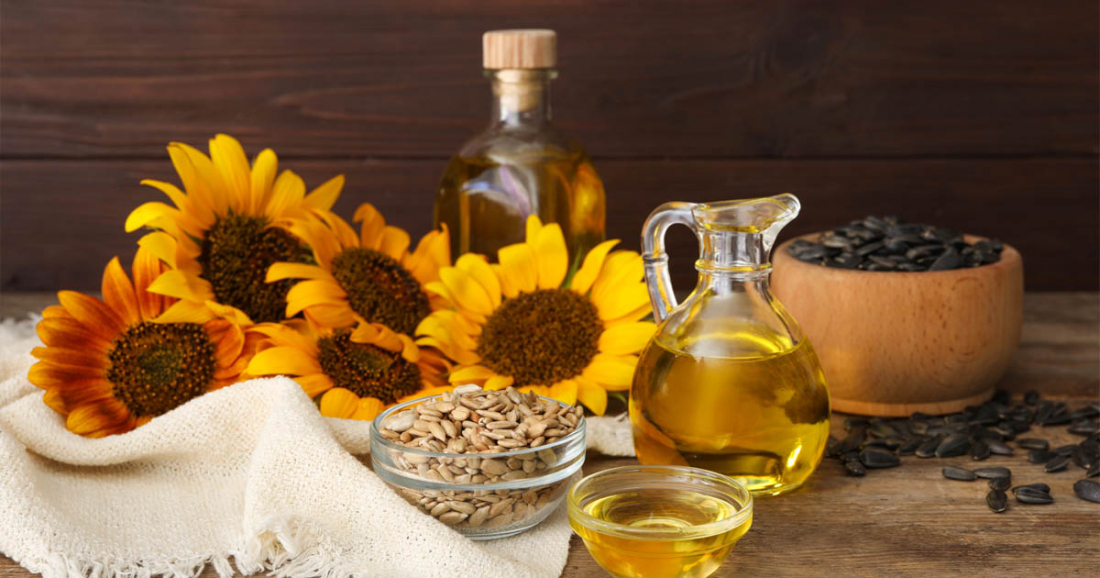
Sunflower oil has many health benefits and can be used to cook meat and vegetables.
Transfused butter
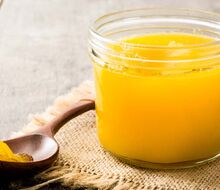
Although we've only covered vegetable oils so far in today's article, ghee, or clarified butter, certainly fits the bill. This is butter from which all the lactose, sugar and excess water has been removed. It is therefore a complex product that is rich in vitamins A, K, E, and you will also find CLA, butyric acid to aid digestion and much more. We have a separate article about this modern superfood, which we definitely recommend reading.
- Is clarified butter for cooking?
Ghee is perfect for boiling or frying. While many people fry with regular butter, ghee is even better. Instead of the original 170°C of regular butter, the smoke point moves up to 240°C, making it great for longer frying.

Transfused butter is also great for longer frying. But it is animal-based and therefore not suitable for vegans.
Other lesser used oils
Since there are so many oils, it is impossible to cover them all in detail in a single article. However, the following are worth mentioning briefly:
- Peanut oil - tastes great and is suitable for both cold and hot cooking - especially used in Asian dishes.
- Pumpkin seed oil - has a rather specific taste that is not for everyone, but is packed with health benefits. Due to its low smoke point, it is only suitable for cold cooking.
- Sesame oil - again, a very tasty oil that is great for flavouring a range of dishes including salads or soups. However, do not use it for baking or cooking.
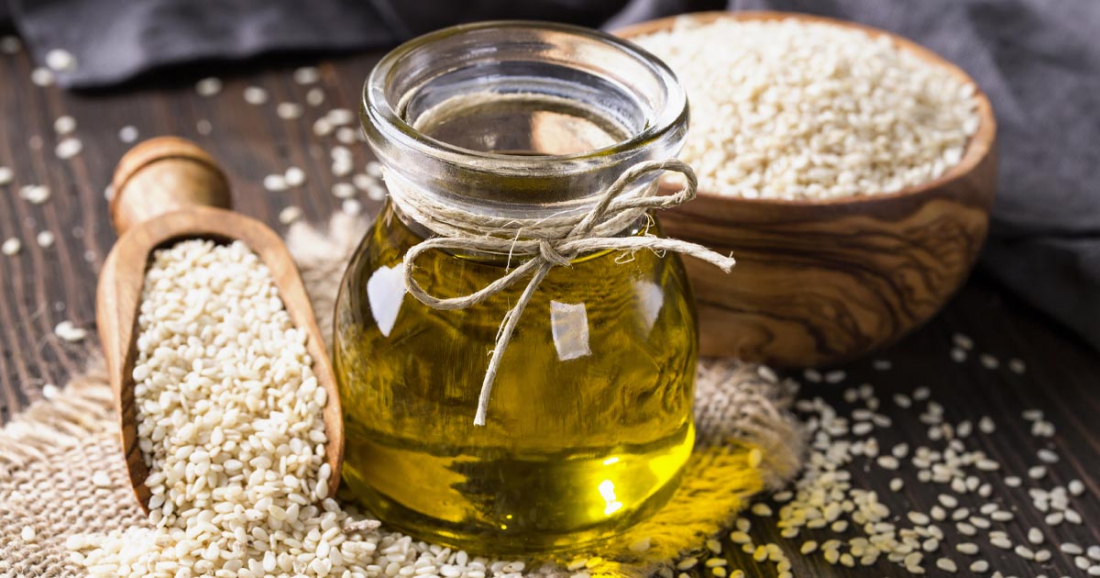
While not quite traditional, sesame oil is still great tasting and perfect for cold cooking.
What to take away from today's article?
The main thing you should take away from today's article is that oil is not a nutritionally empty source of calories. It is a nutritious component of the diet and, like fruit or vegetables, there is no one-size-fits-all product that can be described as the healthiest. Each oil has its pros and cons, and while canola or sunflower oil (possibly clarified butter) is ideal for cooking, peanut, sesame and extra virgin olive oils are great for cold cooking.
No posts have been made yet.








