Magnesium for kidney stones
 Author:
 Kidney stones, professionally nephrolithiasis, represent a common and very painful urological disease that affects a significant part of the population. It is typically manifested by a paroxysmal, intense pain known as renal colic, occurring as the stone moves through the urinary tract. In addition to acute treatment of the pain, prevention of further formation or growth is a key goal. In this context, various substances are coming to the fore, including magnesium, a mineral essential for a number of bodily functions. Therefore, in this article, based on two specific scientific studies1,2, we will focus on the potential role of magnesium in both the relief of acute pain in renal colic and the possible influence on the size of pre-existing kidney stones.
Article content:
- Magnesium and relief of acute pain in renal colic
- Magnesium in combination therapy and its possible influence on the size of kidney stones
- Discussion and summary
Magnesium and acute pain relief in renal colic
Renal colic is characterized as one of the most intense pains a person can experience. It arises as a result of obstruction of the outflow of urine by a stone, leading to increased pressure in the ureter and its spasmodic contractions. Standard treatment involves the administration of strong analgesics, often opiates, and antispasmodics. A study by Alavi Moghadam et al.1 aimed to investigate the effect of intravenously administered magnesium sulfate in relieving this acute pain.
.png)
It was a randomized, double-blind clinical trial that enrolled patients aged 18 to 55 years who presented to the emergency department with a clinical diagnosis of renal colic and pain intensity greater than 5 on the visual analog scale (VAS), a scale from 0 (no pain) to 10 (excruciating pain). Patients were randomly divided into two groups. The intervention group received the standard treatment protocol (0.1 mg/kg of intravenous morphine sulfate, 30 mg of intravenous ketorolac, and 100 ml of intravenous saline over 15 minutes) plus 15 mg/kg of 50% intravenous magnesium sulfate in 100 ml of saline administered over 15 minutes. The control group received the standard protocol plus 100 ml of intravenous saline as placebo over 15 minutes.1
Pain intensity was measured by VAS at the beginning of the study and then 30 and 60 minutes after infusion. Vital signs and any side effects were also recorded. If the VAS score remained above 5 after 30 minutes, patients were given additional morphine sulfate and the total amount of morphine used was recorded.1
The results of the study showed that after 30 and 60 minutes, the mean pain score in the group receiving magnesium sulfate was statistically significantly lower compared to the control group. In addition, the intervention group required less additional morphine than the control group. The authors of the study1 suggest several mechanisms of action of magnesium sulfate in renal colic. These include prevention of calcium entry into smooth muscle cell membranes, activation of adenylate cyclase and cyclic AMP, increased calcium uptake by the sarcoplasmic reticulum, and decreased acetylcholine in nerve endings, leading to reduced muscle contractions. The conclusion of the study1 is that magnesium sulfate can be used as an effective adjunctive medication in the treatment of patients suffering from renal colic, as it not only relieves pain but also reduces the need for other pain medications.
Magnesium in combination therapy and its possible effect on the size of kidney stones
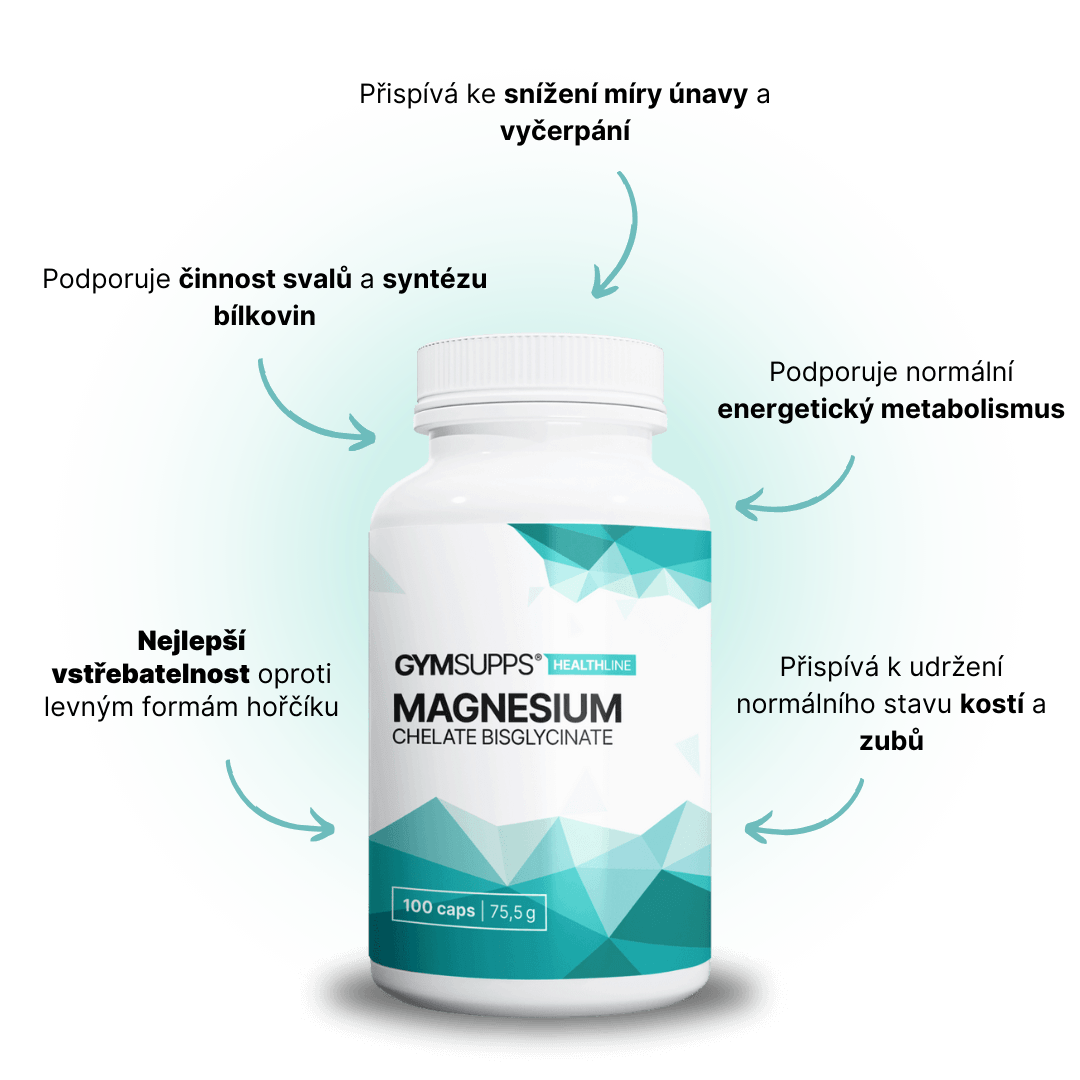
While the first study focused on acute symptoms, the second study by Fallah et al.2 addressed the question of whether the addition of magnesium chloride to conventional treatment with alkali metal citrate could affect kidney stone size, specifically in the pediatric population. The main aim of such therapy is to prevent the growth of existing stones or even to achieve their reduction. It is thought that magnesium may bind oxalate in the urine and thus reduce the formation and growth of calcium oxalate crystals, the most common type of kidney stone.
This study2 was conducted on 70 children aged 6 months to 18 years with kidney stones that were presumed to be composed of calcium oxalate on the basis of findings of urinary hyperoxaluria, hypercalciuria, or both, or a history of calcium oxalate stone exclusion. Patients were divided into two groups. One group was treated with potassium citrate solution (K-Cit) alone, while the other group received a combination of K-Cit and magnesium chloride (MgCl2) for 4 weeks. The K-Cit solution was prepared so that 1 ml contained 2 milliequivalents of potassium ions, and dosed with 1 mEq potassium/kg/day. The MgCl2 solution contained 19.2 mg elemental magnesium per 1 mL and was prescribed in doses equivalent to 10 mg magnesium/kg/day, up to a maximum of 400 mg/day.2

The change in the size of the kidney stones was monitored by renal ultrasonography, which was always performed by one radiologist on the same machine. Inclusion criteria included asymptomatic patients with the possibility of calcium oxalate stones without a history of peptic ulcer, heart disease, primary chronic diarrhea, and other underlying diseases or use of anticonvulsants. Patients who did not complete the 4-week treatment, showed side effects of any of the solutions, or refused to consume K-Cit or MgCl2 were excluded from the study.2
The results of the study2 showed a statistically significant decrease in urinary stone size in the group treated with the combination of K-Cit and MgCl2 for 4 weeks compared with the control group treated with K-Cit alone (mean reduction of 5.1 ± 0.8 mm versus 2.5 ± 1.2 mm, p < 0.05). The authors concluded that the combination of K-Cit and magnesium chloride was more effective in reducing the size of urinary stones than K-Cit alone. Regarding side effects, 8 patients in the combination treatment group experienced thinner stools, but not to the extent that treatment had to be discontinued. The study was approved by the ethics committee and written informed consent was obtained from the parents of children younger than 6 years and from the parents of children older than 6 years.2
Discussion and summary
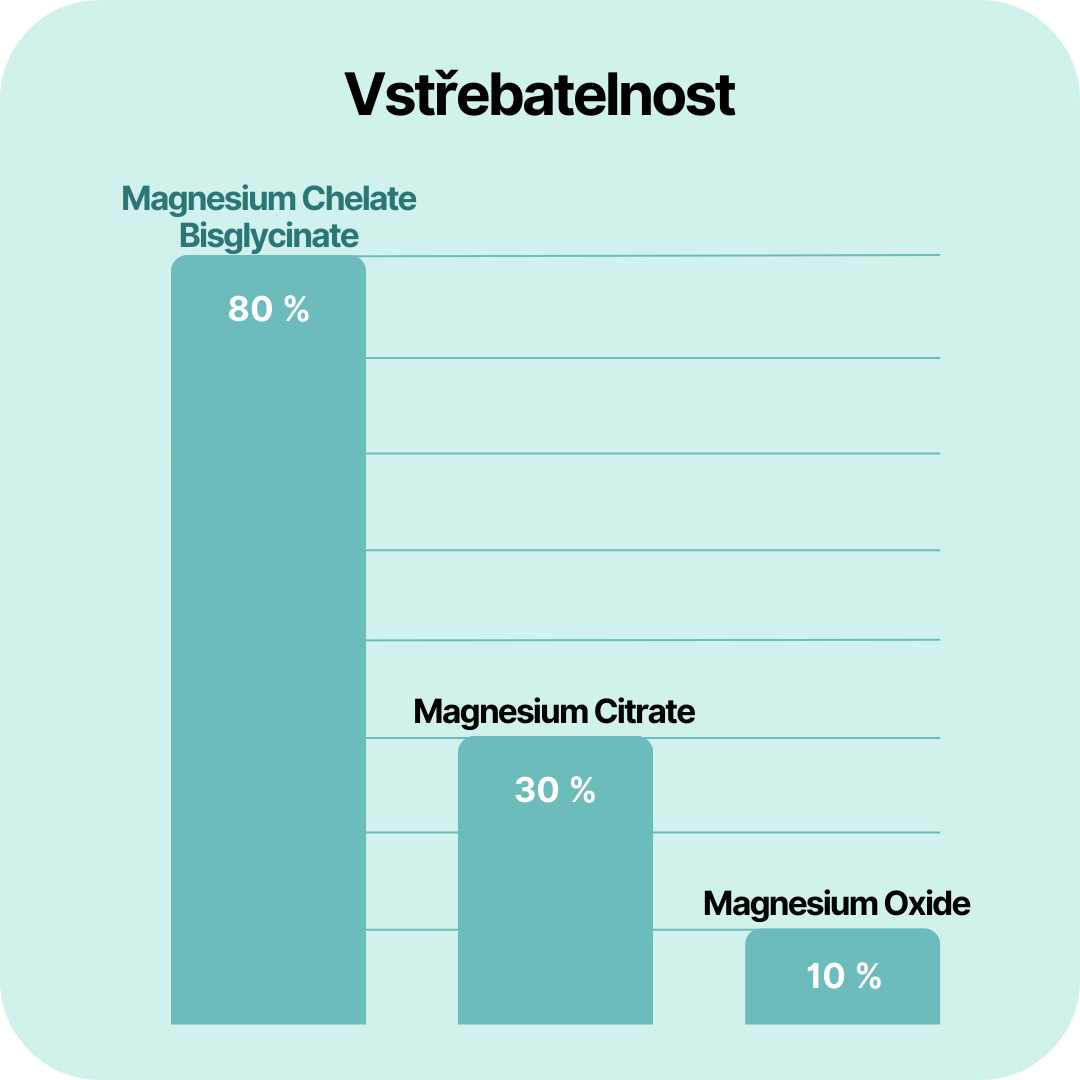
The two studies presented here1,2 suggest a potential benefit of magnesium in various aspects of kidney stone problems. The first study1 provides evidence that intravenous administration of magnesium sulphate may be a valuable adjunct in the management of acute pain associated with renal colic in adult patients by reducing both the intensity of pain and the need for opioid analgesics. A second study2 shows that oral administration of magnesium chloride in combination with potassium citrate may lead to more effective reduction of calcium oxalate stones in children.
.png)
However, it is important to highlight the specifics of each study. While the former focuses on immediate symptom relief in adults, the latter focuses on longer-term effects on the stones themselves in the pediatric population. The forms of magnesium used (sulfate vs. chloride) and the routes of administration (intravenous vs. oral) also differ, reflecting different therapeutic targets.
Although the results of both studies are encouraging, it is clear that further research is needed to draw broader conclusions about the role of magnesium in the prevention and treatment of kidney stones. It is necessary to investigate different forms and doses of magnesium, their efficacy in different types of kidney stones and in a wider range of patients, including adults, in the context of preventing stone growth.
Conclusion
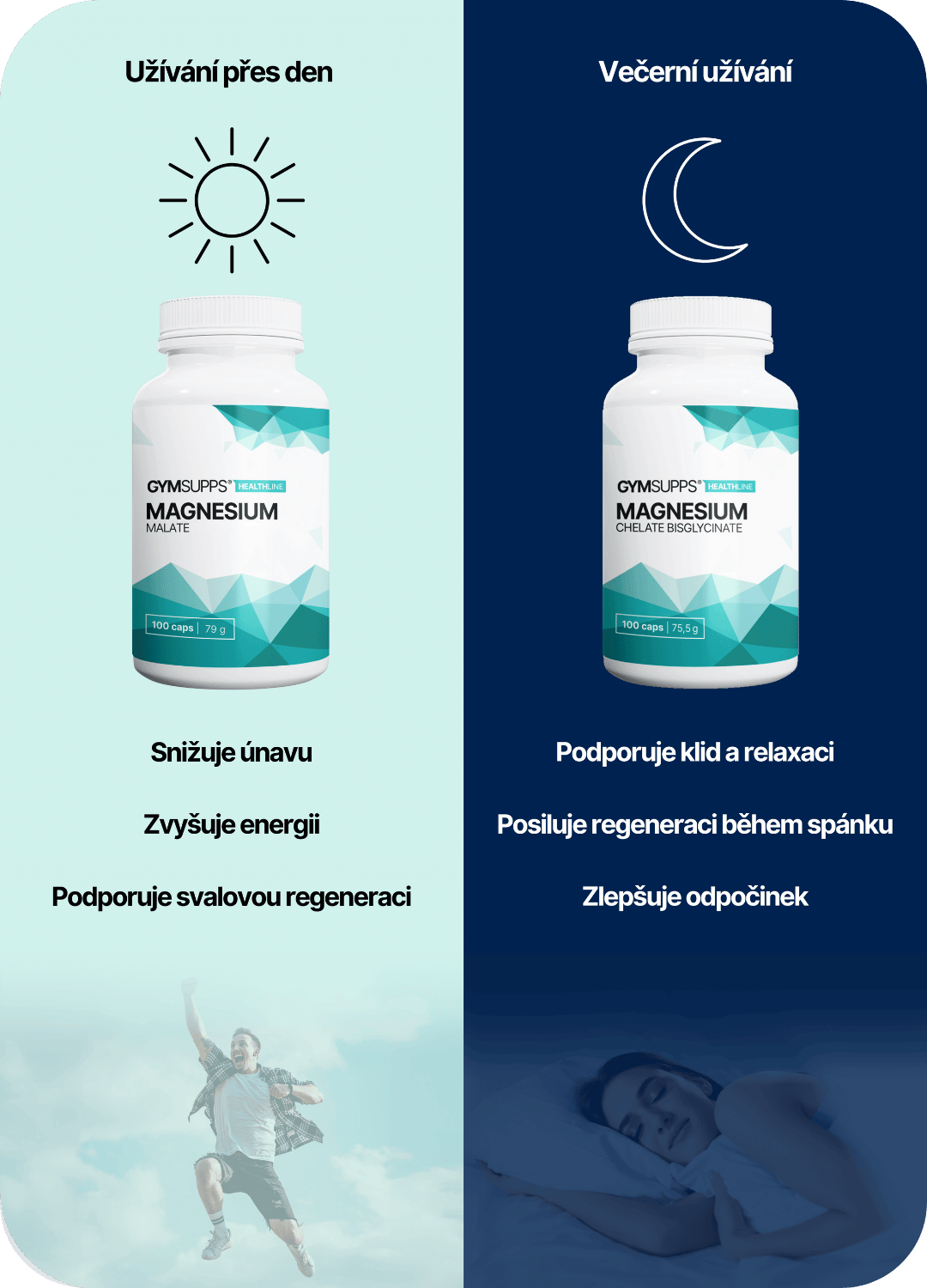
Magnesium appears to be a promising mineral that may play a positive role both in alleviating acute pain caused by kidney stones and in potentially influencing their size, at least in combination with other therapies and in specific populations.1,2 Nevertheless, it is crucial to approach the treatment of kidney stones individually and to consult all therapeutic steps, including magnesium supplementation, with the treating physician or urologist who will assess the patient's overall health and the appropriateness of the treatment.
Recommended


GymSupps Magnesium Malate
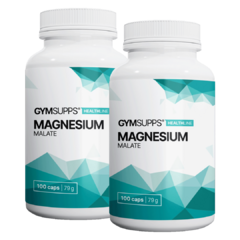
Magnesium Malate 100cps 1+1
Sources:
- 1) Alavi Moghadam, M., et al. (2017). The Effect of Magnesium Sulfate on Renal Colic Pain Relief; a Randomized Clinical Trial. Emergency, 5(1), e9.
- 2) Fallah, A., et al. (2016). Evaluating the effectiveness of adding magnesium chloride to conventional protocol of citrate alkali therapy on kidney stone size. Journal of Research in Medical Sciences, 21, 106.
No posts have been made yet.