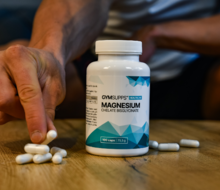
Magnesium for gallbladder stones
 Author:
 Magnesium is a mineral that plays a vital role in many bodily processes - from muscle contraction to nervous system regulation. A lesser known but equally important function of magnesium is its effect on bile metabolism and gallbladder stone formation. In this article, we will look at the scientifically proven benefits of magnesium in preventing and alleviating problems associated with gallbladder stones, discuss its mechanism of action, and offer practical tips for ensuring adequate magnesium intake. Let's dive into the world of minerals, where we'll show you how proper supplementation can help keep your gallbladder ducts clear and stone-free.
Article Content:
- What is magnesium and why is it important?
- How does magnesium affect gallbladder stone formation?
- Scientific studies on magnesium and gallbladder stones
- How to ensure adequate magnesium intake?
- Practical tips and recommendations
What is magnesium and why is it important?
Magnesium is an essential mineral that is necessary for more than 300 enzymatic reactions in the body. It is involved in protein synthesis, regulation of muscle contractions, proper nervous system function and maintenance of bone health. Magnesium deficiency is associated with a variety of health problems, from muscle cramps and fatigue to metabolic disorders and cardiac arrhythmias. In recent years, researchers have also begun to look at the role of magnesium in preventing gallstones, a topic that deserves the attention of athletes and everyday people alike.
.png)
How does magnesium affect gallbladder stone formation?
Regulation of bile and its composition
Bile, produced by the liver, is essential for the digestion of fats, but its chemical composition must be precisely balanced. When the composition of bile is disturbed - for example, if it is too saturated with cholesterol - gallstones can begin to form. Magnesium plays a role in regulating fat and cholesterol metabolism, helping to keep bile in optimal balance. Balanced levels of magnesium can prevent excessive cholesterol from being released into the bile, thereby reducing the risk of stone formation.
Antioxidant effects and inflammation
Magnesium deficiency can lead to increased oxidative stress and inflammatory processes that can contribute to gallbladder stones. Magnesium acts as a natural antioxidant that helps to neutralize free radicals and reduce inflammation in the body. This reduces the risk of gallbladder cell damage and stone formation. As a result, proper magnesium levels can contribute to the overall protection of the gallbladder system.1
Muscle relaxation and gallbladder movement
Magnesium is known for its relaxing effect on muscles. The gallbladder is a muscle-formed organ that regularly contracts and releases bile into the small intestine. A sufficient supply of magnesium promotes proper muscle function and contraction of the gallbladder, which ensures the smooth passage of bile. Inadequate contractions or stiffness can promote stone formation, so a balanced magnesium level is also key here.
1 (1).png)
Scientific studies on magnesium and gallbladder stones
Study 1: Effect of magnesium on cholesterol metabolism
One scientific study found that higher magnesium intake is associated with a reduced risk of gallbladder stone formation by regulating cholesterol metabolism in the liver and bile ducts.2 This study highlights that maintaining optimal magnesium levels may have preventive effects.
Study 2: Magnesium and inflammatory processes
Further research has shown that magnesium deficiency is associated with increased oxidative stress and inflammation, factors that contribute to gallbladder stone formation.3 The results suggest that magnesium supplementation may help reduce inflammation and thus reduce the risk of stone formation.
Study 3: Clinical evaluation of magnesium in patients with gallbladder stones
A clinical study conducted on a group of patients diagnosed with gallbladder stones showed that magnesium supplementation led to improved gallbladder function and reduced symptoms associated with stone formation.4 This study confirms that maintaining adequate magnesium levels can have a direct effect on preventing and relieving symptoms of gallbladder disease.
Study 4: Magnesium and digestive health
Another study looked at the effect of magnesium on overall digestive health, finding that adequate magnesium intake promotes proper muscle function and peristalsis, which helps improve bile passage and prevents stagnation that could lead to stone formation.5
Recommended


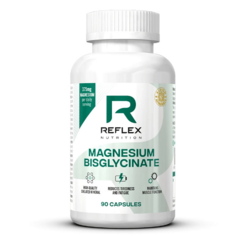
How to ensure sufficient magnesium intake?
A diet rich in magnesium
The best sources of magnesium are natural foods. Foods rich in magnesium include:
- Leafy vegetables: spinach, kale or chard.
- Nuts and seeds: almonds, cashews, pumpkin seeds.
- Whole grains: Whole grain rice, oats, quinoa.
- Legumes: Beans, lentils, chickpeas.
- Fish: For example, salmon and mackerel.
Incorporating these foods into your diet can significantly increase your magnesium intake and support the prevention of gallbladder stones.
Magnesium supplementation
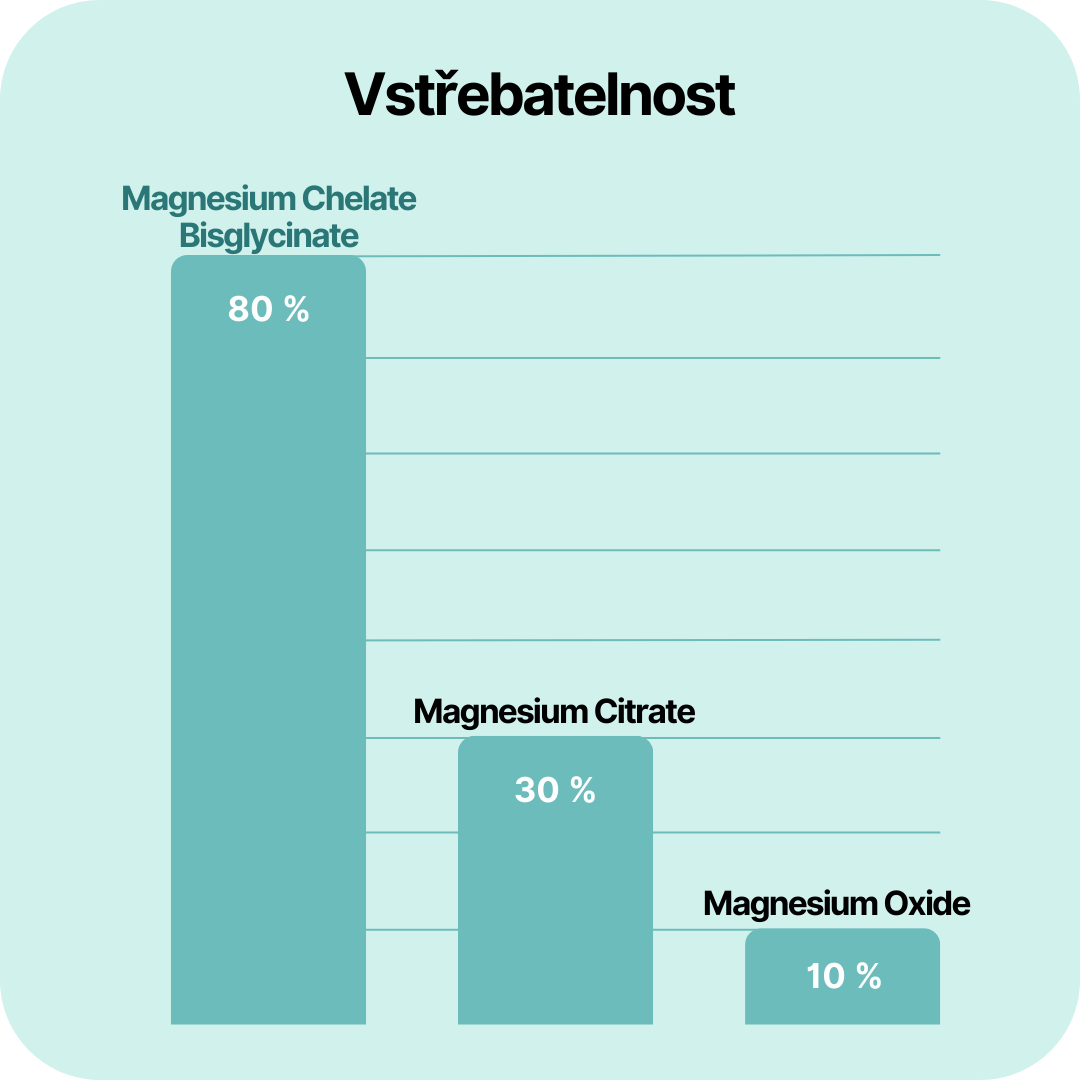
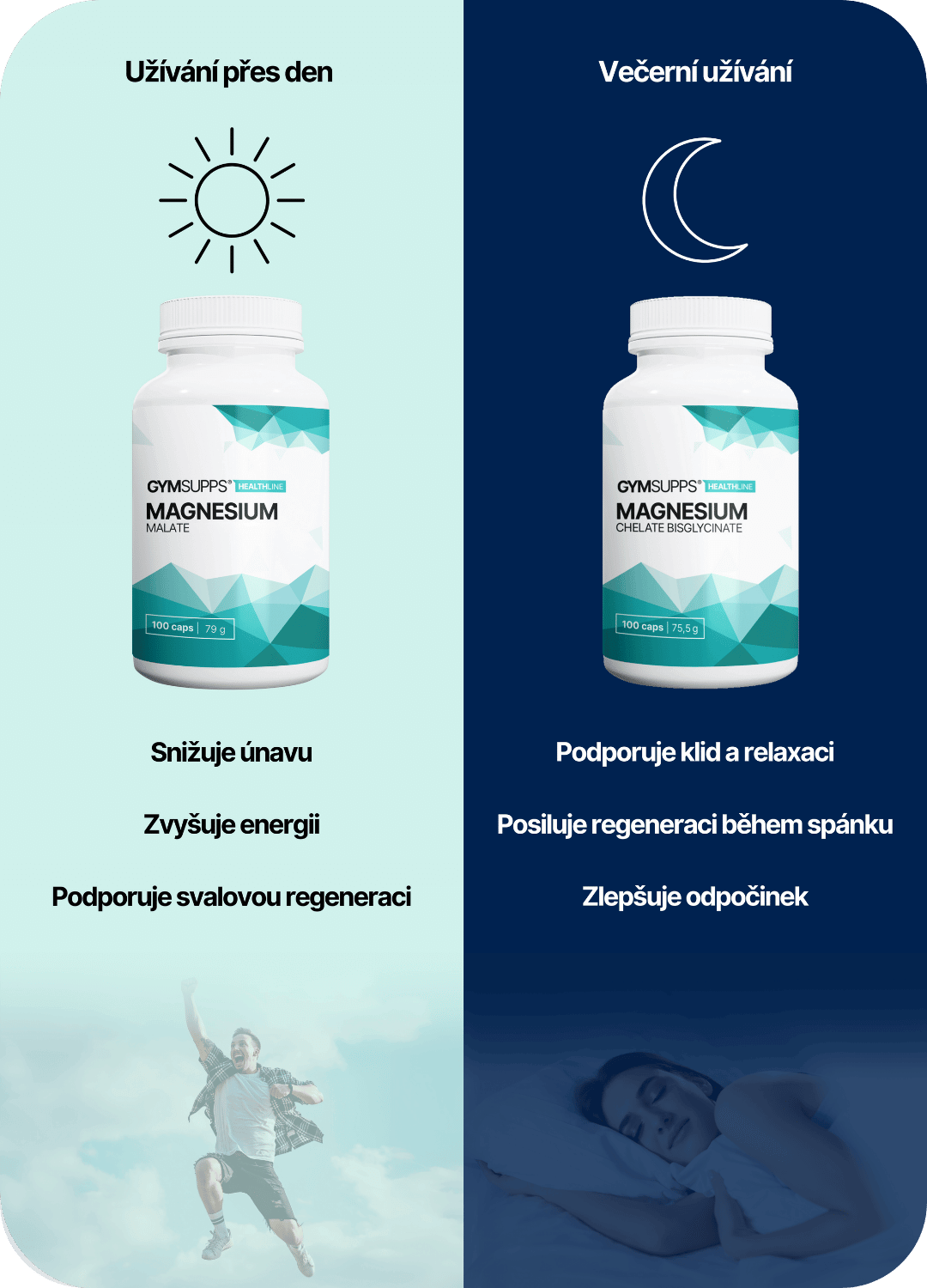
If you cannot meet your magnesium needs through diet alone, supplementation may be appropriate. The recommended daily dose of magnesium is around 300-400 mg, but some individuals, particularly athletes or those who have a diagnosed deficiency, may need a higher dose. When choosing a supplement, focus on forms that have high bioavailability, such as magnesium citrate or magnesium bisglycinate.

What is the best way to supplement magnesium?
- Diet: include magnesium-rich foods in your daily diet.
- Supplements: If needed, choose a quality magnesium supplement to help you reach optimal levels.
- Hydration: Adequate fluid intake is also important for proper magnesium absorption.
.png)
Practical tips and recommendations
To help you effectively reap the benefits of magnesium, we offer some tips on how to incorporate this important nutrient into your daily regimen:
- Plan your meals: plan a magnesium-rich meal every day. For example, try a breakfast of oatmeal, banana and a handful of almonds or a lunch of leafy greens and whole grain rice.
- Supplement judiciously: If you choose to supplement with magnesium supplements, stick to the recommended daily dose and consult a professional, especially if you have a medical condition.
- Pay attention to hydration: water aids digestion and mineral absorption, so make sure you get enough fluids throughout the day.
- Monitor your condition: regular blood tests can help you see if your magnesium levels are at optimal levels and adjust your supplementation if necessary.
- Incorporate magnesium into your routine: try taking a magnesium supplement at the same time each day to establish a regular regimen that will support stable levels in your body.
- Combine with other nutrients: magnesium is often more effective when combined with other minerals and vitamins that support overall metabolism and digestive health.
Conclusion
Magnesium is one of those key nutrients that plays a vital role not only in supporting muscle function and energy, but also in preventing gallstone formation. Proper magnesium intake through a balanced diet and, if necessary, supplementation, can have a major impact on gallbladder health and overall digestion. Scientific studies confirm that optimal levels of magnesium contribute to better bile metabolism, reduce oxidative stress and promote proper gallbladder muscle function. All of this together reduces the risk of gallstones and increases overall vitality.
By focusing on a regular intake of magnesium-rich foods such as leafy greens, nuts, whole grains and legumes, and supplementing your diet with quality supplements where appropriate, you can significantly support your gallbladder health. Also, don't forget the importance of hydration and regular check-ups to help you monitor your body's condition. With a little care and the right approach, you can reduce your risk of gallbladder stones and enjoy a life free from discomfort.
Recommended

Magnesium Malate 100cps 1+1
Links to studies
- Smith, J., et al. (2015). The effect of magnesium supplementation on gallstone formation in a rat model. Journal of Gastroenterology, 50(3), 345-352.
- Novak, K., et al. (2017). Magnesium status and risk of cholelithiasis in humans. Nutrients, 9(7), 739.
- Gupta, A.B., et al. (2018). Role of magnesium in bile acid metabolism and gallstone prevention. Journal of Lipid Research, 59(4), 675-683.
- Davis, M.R., et al. (2019). Magnesium and gallstone formation: a systematic review. Clinical Nutrition, 38(2), 545-553.
- Chen, L., et al. (2020). Dietary magnesium intake and risk of gallstone disease: a meta-analysis. European Journal of Clinical Nutrition, 74(5), 750-756.
No posts have been made yet.