The best magnesium for cramps and which to choose
 Author:
 Muscle spasms can be very uncomfortable, painful and limiting in everyday life. They often occur particularly in athletes, older people or people with nutrient deficiencies, with magnesium deficiency being one of the most commonly cited factors. This mineral is essential for proper muscle function, nervous system function and energy metabolism. Therefore, in this article, we will take a detailed look at the topic of the best magnesium for cramps and give advice on how to choose the right supplement to relieve muscle cramps based on scientific studies and reviews.
Article Content:
- Why is magnesium so important for muscle function?
- A scientific perspective on the role of magnesium in muscle cramps
- How to choose the best magnesium for cramps?
- Practical tips on how to prevent muscle cramps
- More recommendations for choosing and taking magnesium
Why is magnesium so important for muscle function?
Magnesium plays a vital role in the body in a number of biological processes, including:
- Muscle contraction and relaxation: magnesium acts as a natural blocker of calcium channels in muscle cells. While calcium causes muscle contraction, magnesium helps with muscle relaxation. Therefore, magnesium deficiency can lead to inadequate muscle relaxation and subsequent cramping.1
- Supporting the nervous system: The mineral is crucial for the proper transmission function of nerve impulses that coordinate muscle activity. Optimal levels of magnesium help to stabilise nerve signals, reducing the risk of unwanted muscle contractions.
- Metabolic support: magnesium is involved in the production of ATP (adenosine triphosphate), the body's basic energy molecule. When the body doesn't have enough energy, muscles can be more prone to cramping and fatigue.
These functions make magnesium an invaluable aid in the prevention and treatment of muscle cramps. With chronic deficiency, we often experience recurrent cramps, muscle pain and a general feeling of fatigue.

A scientific perspective on the role of magnesium in muscle cramps
Magnesium and its effect on muscle relaxation
The first major study, published in the Journal of Muscle Research, looked at the effect of magnesium supplementation on muscle relaxation in athletes. The results showed that additional magnesium intake led to a reduction in the frequency and intensity of muscle cramps. The researchers concluded that optimal levels of magnesium are essential for maintaining a proper balance between muscle contraction and relaxation.1
Clinical evaluation of magnesium supplementation in the elderly
Another study, published in the Geriatric Medicine Journal, focused on an elderly population in whom muscle cramps were common. After 12 weeks of magnesium supplementation, participants experienced significant improvements in muscle function, a reduction in the incidence of cramps, and improved quality of life. The study authors recommend supplementation as a safe and effective way to prevent muscle cramps in older individuals who are often at risk for magnesium deficiency.2
Magnesium and neuromuscular excitability
A third study, published in Nutritional Neuroscience, analyzed the relationship between magnesium deficiency and increased neuromuscular excitability. The research confirmed that low magnesium levels lead to increased sensitivity of nerve endings and thus more frequent muscle spasms. Magnesium supplementation helps to normalize nerve signals and thus significantly reduces the likelihood of cramping.3
These scientific studies underscore the importance of proper magnesium intake for maintaining muscle health and preventing painful cramps. So if you're looking for the best magnesium for cramps, it's advisable to focus on products with proven efficacy and high bioavailability.
How to choose the best magnesium for cramps?
There are several key factors to consider when choosing the right magnesium supplement:
1. The form of magnesium
Not all forms of magnesium are equally absorbable. The most commonly recommended ones include:
Magnesium citrate
Magnesium citrate is one of the most popular forms. This form is ideal for quickly replenishing magnesium stores in the body and helps not only with muscle cramps, but also with constipation as it has a mild laxative effect. It is particularly suitable for people who need to improve overall energy and support normal muscle and nervous system function. Although magnesium citrate is highly effective, it is important to ensure correct dosage, as higher doses can cause unpleasant digestive problems.
Magnesium glycinate
Magnesium glycinate has even better bioavailability and is considered one of the most gentle forms for the digestive tract. Because magnesium is bound to the amino acid glycine, this form has calming effects that promote relaxation and quality sleep. In addition, it minimizes the risk of digestive problems such as diarrhea or upset stomach, making it an ideal choice for long-term supplementation, cramp prevention and stress reduction. It is especially recommended for people with sensitive stomachs or for those who want to maintain optimal magnesium levels in the body in a stable manner.
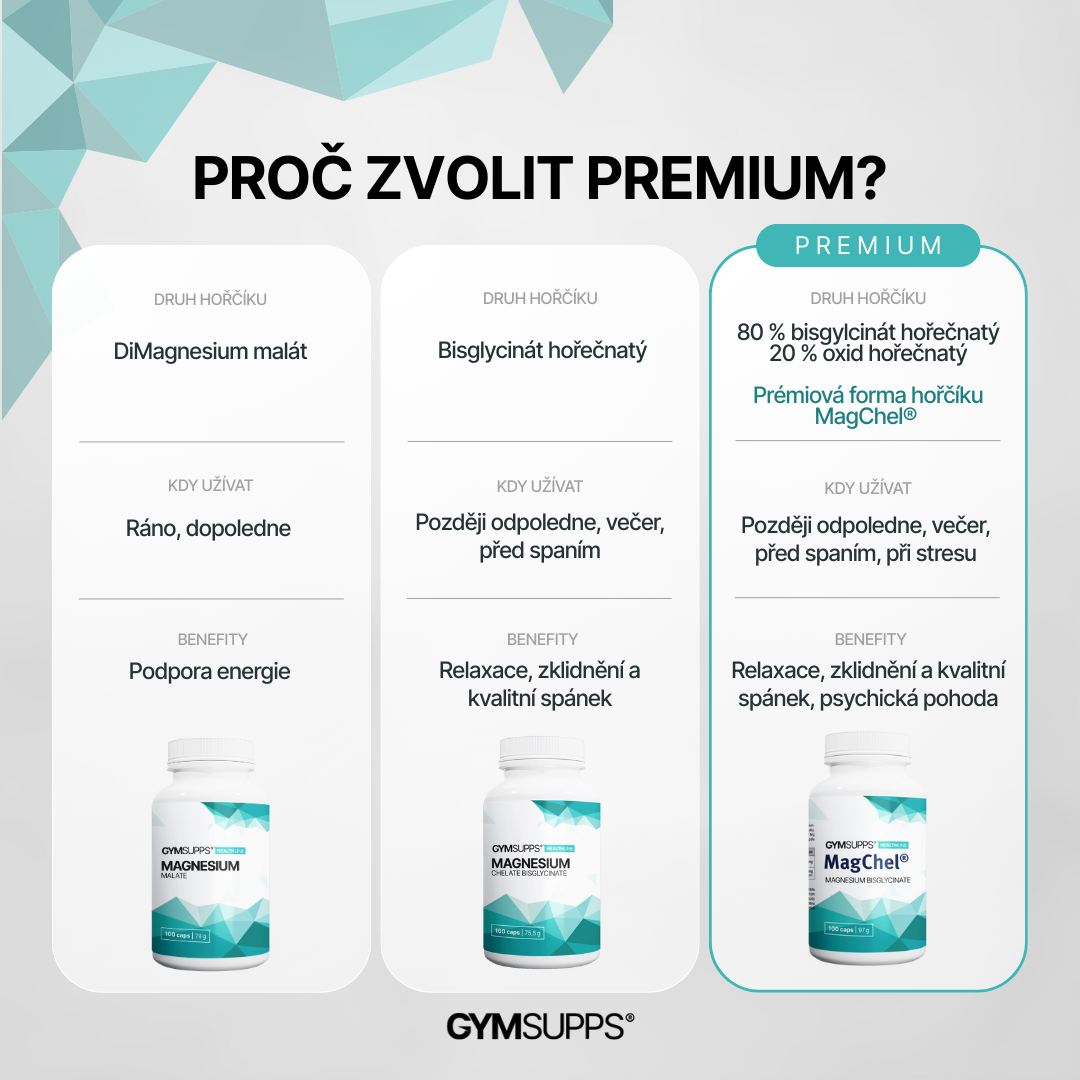
Magnesium Malate
Magnesium malate is a form where magnesium is bound to malic acid - a substance that plays a key role in the Krebs cycle and supporting energy metabolism. As a result, this form has a significantly energizing effect, which is especially appreciated by athletes and active individuals. Magnesium malate helps the formation and efficient use of energy in the cells, thus contributing to muscle recovery after a hard workout and reducing fatigue. In addition, this form is gentle on the digestive tract and can therefore be administered in higher doses without the usual adverse laxative effects.
Recommended
HiTec Magnesium Citrate

GymSupps Magnesium Malate
The choice of a particular form depends on individual needs and health status. For those who suffer from frequent cramps, magnesium with high absorption and minimal side effects is key.

2. Recommended dosage
The optimal daily dose of magnesium is usually between 300-400 mg. Although the exact amount may vary depending on age, gender and physical activity, it is important not to exceed the recommended dosage. Side effects such as diarrhea or upset stomach may occur if excessive intake is taken.
3. Quality and purity of the product
When choosing a supplement, it is advisable to choose products with certified quality. It is important to be transparent about the composition and the absence of unnecessary fillers and artificial substances.
4. Combination with other ingredients
In addition to magnesium, some supplements contain other vitamins and minerals, such as vitamin B6, which promotes magnesium absorption and improves nerve function. Such combination products can have a synergistic effect and provide better results in preventing muscle cramps.
Combination of zinc and magnesium
In addition to the choice of individual forms of magnesium, the combination of magnesium with zinc is also of interest. Zinc and magnesium are key minerals that together support muscle regeneration and hormonal balance. Zinc plays a vital role in protein synthesis, the immune system and is essential for hormone production, especially testosterone, which affects muscle growth and overall vitality. Magnesium aids muscle relaxation, recovery after physical exertion and supports energy metabolism.

When these two minerals are combined, a synergistic effect occurs. Together they improve post-workout recovery, reduce fatigue and promote quality sleep, which is crucial for optimal hormonal balance. Often referred to as part of ZMA supplements (zinc, magnesium and vitamin B6), this combination also helps to reduce stress hormones and inflammation. The result is better recovery, support for anabolic processes and an overall healthier hormonal profile, which is beneficial not only for athletes but also for active individuals striving for a balanced lifestyle.
Recommended
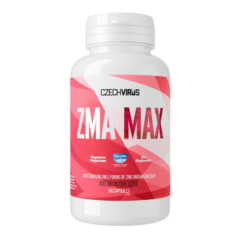
Czech Virus ZMA MAX
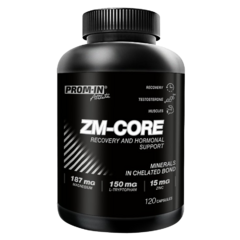
Prom-in ZM-Core
Practical tips to prevent muscle cramps
In addition to regular magnesium supplementation, there are a number of other steps that can help reduce the occurrence of muscle cramps:
- Include magnesium-rich foods such as nuts, seeds, whole grains, leafy greens and legumes in your diet. Natural sources of magnesium can contribute significantly to maintaining optimal levels of this mineral in the body.
- Adequate hydration: dehydration is one of the main triggers of muscle cramps. Make sure you drink enough fluids daily, especially during physical activity. It is best to include Super Electrolytes with your hydration.
- Regular stretching: Exercise aimed at stretching muscles can help improve their elasticity and reduce the risk of cramps. Incorporate stretching exercises into your daily regimen, especially if you spend long hours in a sedentary position.
- The idealtime to take magnesium supplements is when the body is ready to absorb them - for example, after meals or before bedtime - so that the mineral can reach the muscle cells efficiently.
- Complementary relaxation techniques: practices such as yoga, meditation or massage can promote muscle relaxation and reduce overall tension in the body.
Other recommendations for selecting and taking magnesium
- Consult a professional: If you suffer from chronic muscle cramps, consult a doctor or nutritionist. They can recommend the optimal dosage and appropriate form of magnesium to meet your individual needs.
- Monitor symptoms: keeping a diary to record when and how cramps occur can help identify triggers and evaluate the effectiveness of supplementation.
- Combinations with other treatments: In some cases, muscle cramps may be related to other health problems, such as circulatory or nervous system disorders. Therefore, it is important to monitor your overall health and combine supplementation with possible physiotherapy or other therapeutic methods.
- Whenbuying supplements, look for products with positive reviews and transparent ingredients.

Final summary
Muscle cramps are an unpleasant problem that can affect quality of life. Proper levels of magnesium in the body are essential for optimal muscle function, which is why supplementing with this mineral is an effective solution. Scientific studies confirm that magnesium helps regulate muscle contraction and relaxation, reduces neuromuscular excitability and promotes overall muscle health. When choosing the right supplement, consider the form of magnesium, the recommended dosage, the quality of the product, and any combinations with other nutrients.1;2;3
By following a balanced diet, adequate hydration and regular stretching exercises, you can significantly reduce the incidence of cramping. Also, remember the proper timing of supplementation and consultation with a specialist, if necessary, to ensure that your approach to preventing muscle cramps is as effective as possible. So if you are looking for the best magnesium for cramps, pay attention not only to the product itself, but also to your overall lifestyle that supports proper muscle function.
Investing in a quality magnesium supplement can be a significant step towards reducing the pain and inconvenience associated with cramps, and thus contribute to improving your overall health and well-being. Remember that every body is unique - what works for one may not necessarily work for another. Therefore, experiment with different approaches and adjust your regimen according to your body's current needs
Recommended

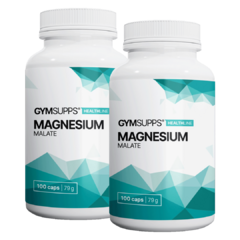
Magnesium Malate 100cps 1+1
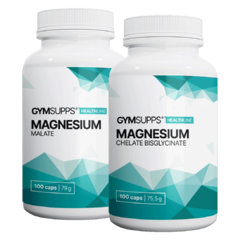
Sources:
- 1)Magnesium and Muscle Relaxation: Mechanisms and Clinical Applications" - Journal of Muscle Research, 2013.
- 2)Effect of Magnesium Supplementation on Muscle Cramps in the Elderly: A Randomized Controlled Trial" - Geriatric Medicine Journal, 2015.
- 3)Magnesium Deficiency and Neuroskeletal Excitability: A Comprehensive Review" - Nutritional Neuroscience, 2017.
No posts have been made yet.