Magnesium deficiency and its symptoms
 Author:
 Magnesium ( magnesium in Latin) is one of the most important minerals for the human body. Although it is not often talked about as much as calcium or iron, its importance is immense: it is essential for hundreds of biochemical reactions, influences muscle, nervous system and heart function, contributes to the maintenance of healthy bones and teeth, regulates energy metabolism and plays an important role in a wide range of other processes. However, if we don't have enough magnesium in our bodies, it shows up in many ways that can easily be mistaken for other health problems or overlooked outright.
Content:
- Why magnesium is so important for the body
- How magnesium deficiency manifests itself
- Who is most at risk?
- How to supplement magnesium
- Why it pays not to underestimate this "supermineral"
- Conclusion
Why magnesium is so important for the body
One of the key properties of magnesium is its involvement in enzymatic reactions, of which there are more than three hundred in our bodies. These enzymes control the processing of sugars, fats and proteins, and therefore the actual production of energy, without which our cells could not function properly. Thus, a magnesium deficiency can result in a faster onset of fatigue or a decrease in overall performance. It also plays an important role in the nervous system, where it acts as a kind of 'damper' on overreactions and helps us to maintain mental balance.
Equally important is its effect on muscles - while calcium promotes their contraction, magnesium allows them to relax afterwards. If we don't get enough of it, unpleasant cramps or tics can occur, especially in the calves or eyelids. Magnesium also supports heart function and stabilises heart rhythm, regulates blood pressure and is involved in the building of bones and teeth.
How does magnesium deficiency manifest itself?
Deficiency usually develops subtly and can be accompanied by a number of symptoms. These include cramps, tics or muscle stiffness, but also general fatigue, exhaustion and a decline in performance. Nervousness, irritability, disturbed sleep or even heart palpitations and cardiac arrhythmias may also occur. Some people experience lack of appetite, mild indigestion or increased back and muscle soreness. Many of us may also experience mood swings or psychological discomfort, which are usually the result of impaired functioning of nerve cells and neurotransmitters that magnesium helps regulate.

Who is most at risk?
People at higher risk of magnesium deficiency are those who perform a lot of physical activity. Athletes and people with strenuous work deplete their magnesium stores more quickly and also lose magnesium through sweat. Chronic stress is also a significant magnesium "eater", as it increases the level of stress hormones and speeds up metabolic processes. Those who do not have a balanced diet, consume too much processed food, sugar, alcohol or caffeine and not enough vegetables, nuts, seeds or whole grains are also at risk.
Older people may suffer from a reduced ability to absorb certain minerals, compounded by the use of medications, especially diuretics. Various diseases, such as type 2 diabetes or kidney problems, also play a role, as do digestive problems that prevent the proper absorption of needed nutrients.
How to supplement magnesium
The easiest and best way is to adjust your diet to include sufficient natural sources of magnesium. This includes leafy vegetables such as spinach or chard, various nuts and seeds (almonds, cashews, pumpkin and sunflower seeds), legumes or whole grains. Fruits such as bananas or avocados should not be missing from the diet.
In addition to diet, mineral waters with a higher magnesium content or supplements can be taken. There is a wide range of different forms of magnesium(magnesium citrate, bisglycinate or oxide) on the market. Each has a different absorption rate, so it is worth consulting your doctor or pharmacist to ensure that the dosage and form best suits your individual needs.
It is equally important to ensure adequate rest, sufficient sleep and moderation in drinking alcohol and coffee, which can increase the excretion of magnesium from the body. It is also advisable to learn how to work with stress by using relaxation techniques - often just sitting down for a while, taking a few deep breaths or taking a few minutes to meditate or take a short walk in nature can help.
Our recommended magnesium supplements:

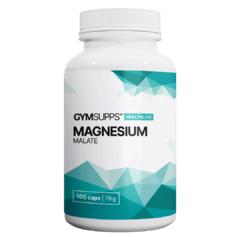
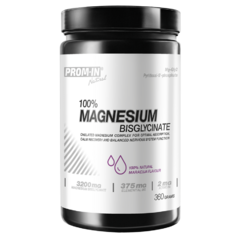
Why it pays not to underestimate this "supermineral"
The right level of magnesium is the key to keeping our bodies and minds in good shape. It offers the benefit of better stress management, more restful sleep, more resilient muscles and bones, and a regular heart rhythm. If you notice prolonged fatigue, a tendency to cramp or irritability, you may be magnesium deficient. So include more foods rich in this mineral in your diet and watch for your problems to ease.
With persistent problems, a visit to the doctor is recommended, who can perform blood tests to determine your actual magnesium levels. If necessary, he or she will then advise you on appropriate dietary supplements or other measures.
Conclusion
Magnesium is one of those invisible superheroes of our health. Although its deficiency may not be easy to recognize at first, the body sends us clear signals - from frequent cramps to uncomfortable tension to heart arrhythmias and exhaustion. The solution doesn't have to be complicated. Just think more carefully about your diet, include magnesium-rich foods or take supplements if necessary. And don't forget to get enough sleep and lead a balanced lifestyle without too much stress or alcohol. The body will repay this care with better fitness, a balanced mood and stronger health.
FAQ
-
What are the symptoms of magnesium deficiency?
The most common signals include muscle cramps and tics, fatigue, irritability, sleep disturbances and irregular heart rhythms. You may also experience lack of appetite or indigestion.
-
Does magnesium deficiency cause arrhythmia?
Magnesium helps maintain electrolyte balance and supports proper heart function. Thus, a long-term deficiency can contribute to irregular heart rhythms and heart palpitations.
-
Can magnesium be linked to back pain?
Yes, low magnesium levels can manifest as increased muscle tension and cramping, which often contributes to back pain. Muscle relaxation and recovery require adequate amounts of magnesium.
-
What are the symptoms of magnesium deficiency?
Manifestations can vary but often include increased fatigue, difficulty concentrating, muscle cramps, tics, irritability and insomnia. In more advanced cases, cardiac arrhythmia may develop.
-
How do I know if I have a magnesium deficiency?
Preferably by repeated symptoms such as cramps, fatigue and problems with nervousness or sleep. If the problems persist, it is advisable to have your blood magnesium level tested in the laboratory and consult a doctor.
Recommended



No posts have been made yet.