What type of magnesium is best?
 Author:
 Magnesium is one of the most frequently mentioned minerals and has a wide range of uses, not only for athletes. But few people know what form to choose when choosing a particular supplement. Magnesium, like other minerals, is available in many different forms, from bisglycinate to sulphate, and each version has a slightly different use. Fortunately, in today's article, we'll cover all the essentials for each variant and recommend specific supplements.
Article content:
- What is magnesium anyway?
- What is magnesium?
- How to dose magnesium? How to determine how much magnesium to use?
- What to take away from today's article?
What is magnesium?
Although we have written several different separate articles about magnesium, it is certainly not out of place to start with a brief introduction and reminder of the most important properties. Magnesium functions as an important electrolyte in our bodies and enters into several hundred different reactions that must take place in our bodies every second. Every movement we make requires magnesium - whether you're sitting down or exercising, magnesium is simply essential. However, the more active you are, the more magnesium you can lose, which is why athletes in particular should increase their magnesium intake. Sufficient magnesium levels have been shown to be linked to, for example, DNA synthesis, proper insulin metabolism, optimal muscle contractions and even the reproductive system.

Good sources of magnesium include bananas, leafy greens, avocados and dark chocolate.
What variations of magnesium are there?
Now we're getting to the meat of our article today. If you look at the simple chart on the back of the product, you'll see that it contains magnesium. But once you look at the full broad ingredient listing, you can find more specific information. Usually, these are two-word names based on chemical nomenclature - it could be magnesium oxide, magnesium bysglycinate, or perhaps magnesium sulfate. Let's take a look at all the popular variants:
Magnesium citrate (magnesium citrate)
One of the most popular and best variants of magnesium is the so-called magnesium citrate (if you buy a supplement with the ingredients in English, it will say magnesium citrate). Magnesium citrate has a high bioavailability, for which it is chosen by many athletes. Some research even suggests that it is the most bioavailable form of magnesium ever and we can therefore recommend it unequivocally. Some studies also point to the possible positive effects of magnesium for anxiety conditions. The name citrate (sometimes also citrate) itself came into use because of its content in citrus fruits, to which it adds a typical acidity and tartness. There is a rather important downside to this - magnesium citrate can cause digestive problems for some and can be laxative in larger doses.
This is also reflected in the dosage. If you just need to support an otherwise adequate intake of magnesium from your diet, you can certainly use it. The ideal time in such a case is in the morning, and many experts recommend it after meals in combination with B vitamins, which we also wrote about in a separate article, or this type of magnesium can be in some multivitamin supplement. But if you have some serious deficiency, which you will usually find after a blood test, it is appropriate to choose multiple sources - citrate can be combined with bisglycinate, possibly with the other forms mentioned in today's article.
Magnesium glycinate (magnesium bisglycinate)
Magnesium bisglycinate is also a very common variant. The equivalent name is also magnesium glycinate, each time it is the same substance in which magnesium is bound to the amino acid glycine. Because of its binding to an amino acid completely natural to the body, it is also sometimes referred to as a chelate bond, where two molecules of glycine clamp a molecule of magnesium into imaginary claws (from the Greek chelé). This form is characterised by its high bioavailability and, due to its glycine content, many studies speak of its ability to improve sleep and calm the body.
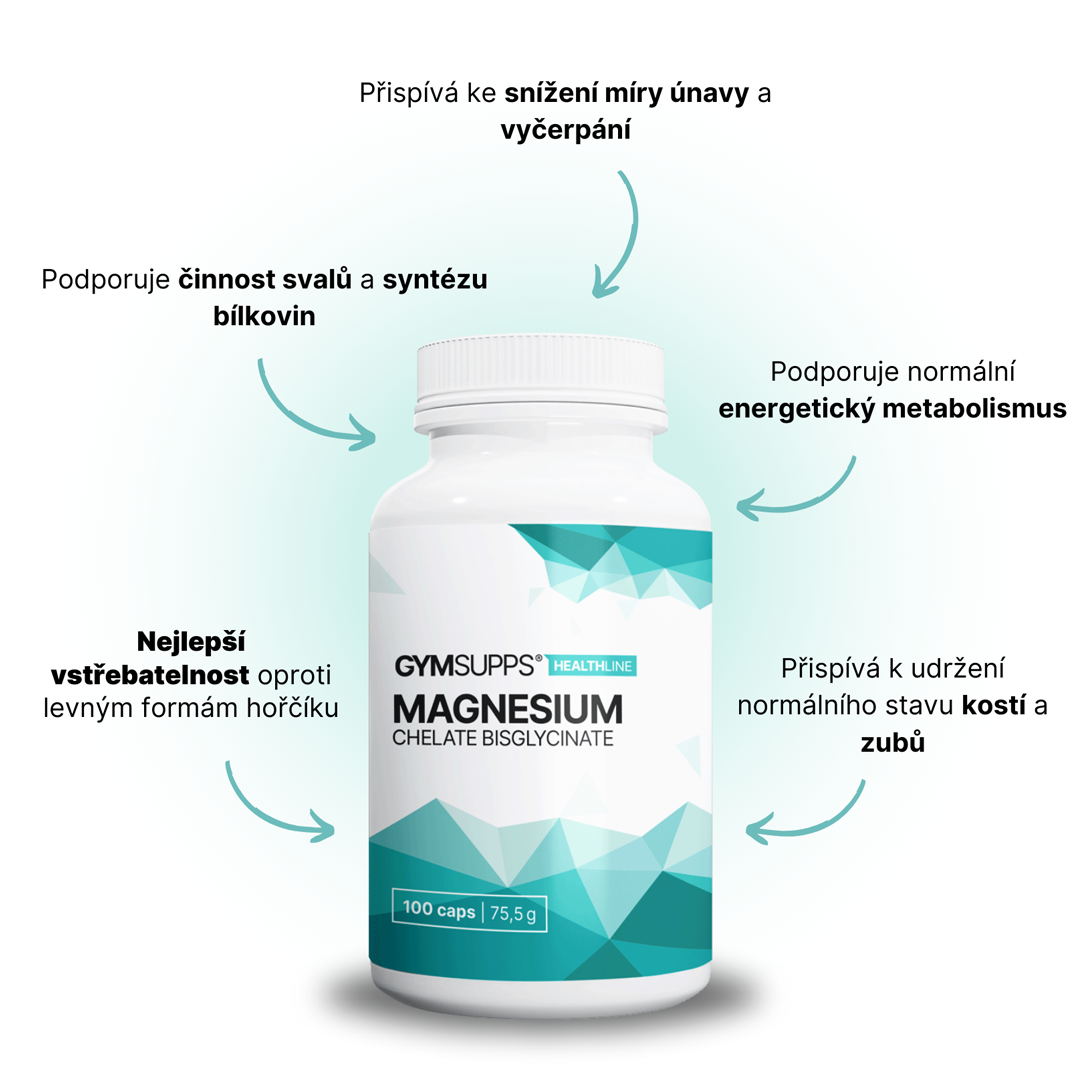
While citrate has been used in the morning, bisglycinate, on the other hand, is recommended by most experts in the evening. This form is generally speaking very well tolerated and if you choose it, you definitely won't go wrong.
Recommended


Magnesium taurate (magnesium taurate)
We will stay with amino acids for a while. For magnesium taurate the same is true as for bisglycinate, with only one difference. The amino acid glycine is replaced by an amino acid called taurine, the supplementation of which, in combination with magnesium, according to some expert sources, is related to optimizing blood sugar and blood pressure levels. Although this option sounds very promising so far, it is a relatively innovative form that is not that common and further studies would be advisable. It can be taken at any time of the day.
Magnesium malate
Magnesium malate is confused by many people as another chelate supplement, however malate is not an amino acid but an anion of malic acid. Many studies recommend this variant as a highly digestible and usable option that a large proportion of people tolerate better than other forms of magnesium. So if you have tried, say, the aforementioned citrate in the past and had digestive difficulties afterwards, malate may be an effective option.
Recommended
GymSupps Magnesium Malate
Magnesium Malate 100cps 1+1
Magnesium sulphate (magnesium sulphate)
A few years ago you could still come across magnesium sulphate from time to time in the form of nutritional supplements, but today the majority of manufacturers no longer use it. One of the reasons is the very unpleasant taste that could be detected even in capsule products. Another reason was the relatively low usability and the risk of digestive problems at higher doses. However, magnesium sulphate can still be found in products called Epsom salts. It is often recommended as a bath additive, as some research has suggested a possible effect on muscle recovery. However, modern studies have mostly disproved this and our own experience has not confirmed anything of the sort. So we definitely don't recommend magnesium sulfate even if you come across it.
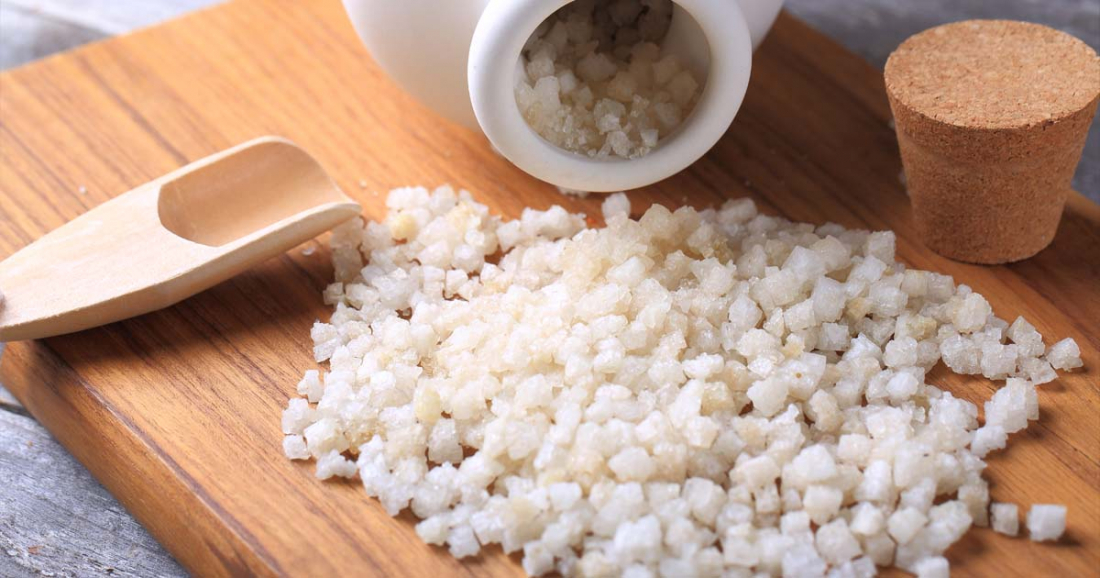
Epsom salt is often recommended for baths. You can try it, but don't expect miracles.
Magnesium oxide
As the list of known magnesium variants comes to an end, we come to the infamous magnesium oxide. This is demonized by many different athletes as a completely ineffective ingredient, and it is true that its effect on replenishing magnesium deficiency is only very weak, as evidenced by some studies on its usefulness. On the other hand, magnesium oxide may also have its merits - it is very often used to treat digestive problems such as constipation or heartburn. However, this is probably not quite the intended effect for athletes, and we definitely do not recommend magnesium oxide in any complex multivitamins. However, if the above problems are bothering you, you can indeed reach for it.
Other magnesium variants
There are a number of other variations of magnesium, but they are not nearly as well known and used, so we'll just briefly introduce them:
- Magnesium chloride is a combination of magnesium and chloride, which is most commonly obtained from seawater. Although there is evidence of its relatively good utility, you will find it in various cosmetic products rather than in food supplements.
- Magnesium lactate may be used in food supplements, but paradoxically it is more likely to be used as an acidity regulator in some foods. You will find it under the designation E329.
- Sparkling magnesium is not a separate form, but as there are many questions surrounding it, it is worth mentioning. In the case of effervescent magnesium, which you can buy at supermarket checkouts for under 20 CZK, you can almost certainly rely on the fact that it is ordinary magnesium oxide. But the tablet will also contain fillers, sweeteners and other additives that you would be able to avoid with a capsule supplement. On the other hand, there are also good quality effervescent tablets that contain citrate or bisglycinate. But you will have to pay extra for those.
- Magnesium from the pharmacy presents the same case. It is certainly not the case that pharmacy products are always of high quality, but often the opposite is true. Even the pharmacy sells a lot of oxides, but if you are willing to pay extra and reach for, say, MagneB6 forte , you will get a good-value citrate.
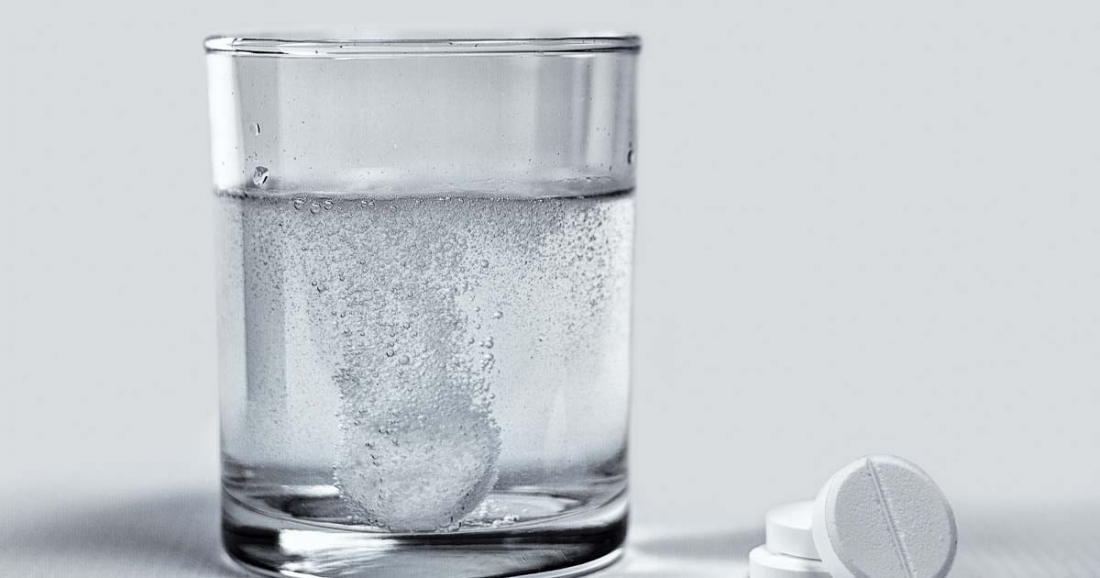
Even effervescent magnesium can be of good quality. You just have to expect to pay extra for it.
How to dose magnesium? Does use differ for athletes?
The recommended daily dose of magnesium for the average person is 375 mg, according to most sources, and a varied and balanced diet will meet this dose quite well. However, for athletes who engage in regular physical activity, the recommended intake can be up to twice that amount. This can be difficult to cover with a normal diet, which is why some supplements come in handy. For example, with Reflex NexGen Pro , a top-quality multivitamin, you can supplement 200 mg of magnesium in one dose and the rest is easily covered by diet. Extremely high doses can be counterproductive and cause digestive problems.
What to take away from today's article?
The main thing you should take away from today's article is that there is no such thing as magnesium and there can be a really big difference between cheap and expensive products. While forms such as citrate, bisglycinate or malate are used very well by the body, high intakes of oxide or sulphate can cause digestive problems and you need to beware. As athletes can have up to twice the magnesium intake requirements of the average non-sporting person, it's definitely worth thinking about supplementing with good quality magnesium.
No posts have been made yet.