





Muscle cramps | What is behind them and how to get rid of them?
 Author:
 We all know cramps. Sometimes they catch us as a result of overexertion in the gym, sometimes they come completely unexpectedly. But have you ever wondered what's really behind them? And is it really enough just to increase your magnesium intake to make the cramps go away? In our article today, we'll take a closer look at this problem that really plagues many athletes and try to answer some of the very common questions.
Article content:
- What are muscle cramps?
- Why do cramps actually occur?
- How to prevent cramps?
- How to get rid of cramps?
- What to take away from today's article?
What are muscle cramps?
A cramp is an unpleasant muscle contraction that is very painful and over which we have absolutely no control. It can occur in more or less any muscle, but is most common in the foot, calf, hamstring or hip areas. In the case of some specific diseases, they can even affect entire muscle groups. The pain caused by the spasm is most often described as sharp and severe, and the muscles may remain tense and stiff for several hours after the spasm has subsided. It is also not uncommon for cramps to occur in the same place several times during the day.

Particularly in athletes, cramps can occur quite regularly.
Why do cramps occur?
Cramps arise as a kind of defence mechanism. As soon as a muscle is threatened with danger (for example, from overload), it contracts to prevent more significant damage. At this point, that unpleasant sharp pain floods you, forcing you to change position or stop the activity you are doing, and the muscle is relieved again. And although very often we have cramps (correctly) associated with magnesium deficiency, there are actually many more reasons:
A mineral deficiency or a mineral imbalance.
Magnesium deficiency actually causes muscle cramps. In fact, magnesium, along with calcium, is responsible for maintaining a constant tension in the muscle - calcium is responsible for contraction of the muscle, magnesium for its relaxation. So once there is an excess of calcium and a deficiency of magnesium, unpleasant cramps can actually occur. But in addition, optimal intake of vitamins D, E,B2 andB6 also plays a role, and you should also focus on these in your diet.

You can supplement vitamin D with seafood, eggs or mushrooms, for example.
Dehydration
Dehydration is more than a hot topic especially now during the summer. And even if you feel that your drinking regime is sufficient, an hour of activity in the sun is enough to put you at risk of serious dehydration. If you don't know how much water you should drink in a day, we definitely recommend reading our article dedicated to drinking. Once the body does not have enough water, it excretes waste substances poorly, sweats less and is therefore not cooled enough, and since sodium distribution is impaired, muscle cramps can occur, according to the findings of experts.Fortunately, you can solve this problem quite effectively by adding a few grams of salt to the beverage you drink during your workout. Ionic drinks are also a possible solution .

Muscle overload
As soon as you develop cramps during training, they are most likely caused by excessive overloading of the muscles that are trying to defend themselves in this way. If you develop them, it may be best to stop training, or possibly concentrate on a different area. A light static stretch of the problem area is not a bad idea either.
Hypoglycaemia
Although it is not very common, hypoglycaemia, a lowering of blood sugar, can occur even in a perfectly healthy person. All you have to do is not eat too much during the day and do some prolonged sporting activity in the evening and you will immediately feel tired, generally weak and dizzy. But few people know that hypoglycaemia can also be accompanied by muscle cramps in some cases. It is therefore advisable to eat regularly and sufficiently to prevent such undesirable conditions.
Chronic diseases
In some cases, chronic illnesses or the use of certain medications may also be responsible for frequent and very painful cramps. Developed varicose veins, thrombosis or chronic venous insufficiency are definitely worth mentioning here. All these problems related to restricted blood flow through the limbs cause cramps, especially during sleep or at rest. Conversely, they are rather rare during activity. Similarly, epilepsy can also cause spasms, which can have very significant and long-lasting complications.
Medication and drugs
Last but not least, drugs can of course cause cramps, usually stimulant drugs such as cocaine, methamphetamine or amphetamine. Alcohol is also potentially problematic due to its dehydrating effects, and diuretics, i.e. drugs that cause dehydration, for example before a competition, are also a risk for many bodybuilders.

Alcohol may also be present the day after alcohol consumption. In this case, it is a consequence of dehydration.
How to prevent cramps?
The prevention of cramps is quite simple and does not require any complicated activities. First and foremost, a sufficient drinking regime should be supplemented with a varied diet rich in vitamins D, E and B, magnesium and other nutrients. If you are overweight, this means that you may be overloading your lower limbs and it is advisable to lose weight. We also recommend including light physical activity such as walking in the woods, cycling or swimming. If you feel that you are following all of these guidelines and still get frequent cramps, it is definitely a good idea to see a doctor who should be able to diagnose further. In general, however, cramps are not a serious or life-threatening problem and, especially in athletes, they are very often only related to excessive strain on the body. If this is also your problem, maybe a few days break is in order. However, we definitely recommend that athletes do regular static stretching of problematic body parts at least twice a day to prevent cramps.
Recommended
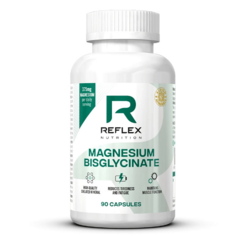
Reflex Albion Magnesium
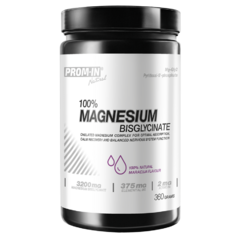
Prom-in 100% Magnesium Bisglycinate
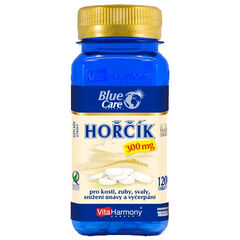
VitaHarmony Hořčík 300mg

How to get rid of cramps?
If a cramp happens to attack you and you need to get rid of it acutely, the first thing to do is to stop the activity that caused the cramp in the first place. Immediately afterwards, you should try to stretch lightly, but only enough to feel a very slight pull. If you stretch too hard, the cramp could reappear. Ideally, you should stretch for at least two to three minutes after the cramp has gone, with another "round" of stretching after about 10 minutes to really relieve the muscles. If you get cramps during your workout, it's a good idea to change the affected area and focus on other exercises.
What to take away from today's article?
Cramps, that is, uncomfortable and uncontrollable muscle contractions, are common to some degree. They can be caused by mineral deficiencies, dehydration, hypoglycemia or certain diseases. But muscle overload is also very common in athletes. Therefore, it is definitely a good idea to play adequate sports, stretch, drink enough and eat as varied as possible as a preventive measure. Supplementing with good quality magnesium, which can help reduce the occurrence of cramps, won't hurt either. However, if you do get one, it is a good idea to stop your current activity and start stretching lightly after it has subsided. And remember, to a small extent, cramps are common in athletes. Once they become a frequent problem, a visit to the doctor is in order.
No posts have been made yet.








