Magnesium in food: What is the most of it?
 Author:
 Magnesium is one of the essential minerals that are necessary for many vital processes in the body. In addition to its role in protein synthesis, regulation of muscle contraction and nerve activity, it is also involved in energy metabolism and maintenance of bone health. Many people today are interested in what magnesium is and in which foods to find it, as proper intake of this mineral is crucial for overall health and vitality. In the following article, we'll take a detailed look at the sources of natural magnesium, introduce magnesium-rich foods, and discuss how to create a balanced diet that ensures adequate intake of this mineral.
Article content:
- The importance of magnesium for the human body
- What is the ideal intake of magnesium?
- The main sources of magnesium in food
- How to build a diet rich in magnesium?
- Other benefits and practical advice
The importance of magnesium for the human body
Magnesium is essential for more than 300 enzymatic reactions that affect various aspects of our health. The main functions of magnesium include:
- Supporting muscle function and the nervous system: Magnesium aids in the proper transmission of nerve impulses and ensures normal muscle contractions, which is important for preventing muscle cramps and improving recovery after physical exertion.
- Regulation of blood pressure: Studies show that sufficient magnesium intake can help lower blood pressure and thus protect the cardiovascular system from disease.
- Energy metabolism: The mineral is a key cofactor in the synthesis of adenosine triphosphate (ATP), the main source of energy for cells.
- Bone health: Magnesium works with calcium and vitamin D to build and maintain bone strength, which is especially important in the prevention of osteoporosis.
These properties make it essential to ensure adequate intake of natural magnesium from good quality foods.
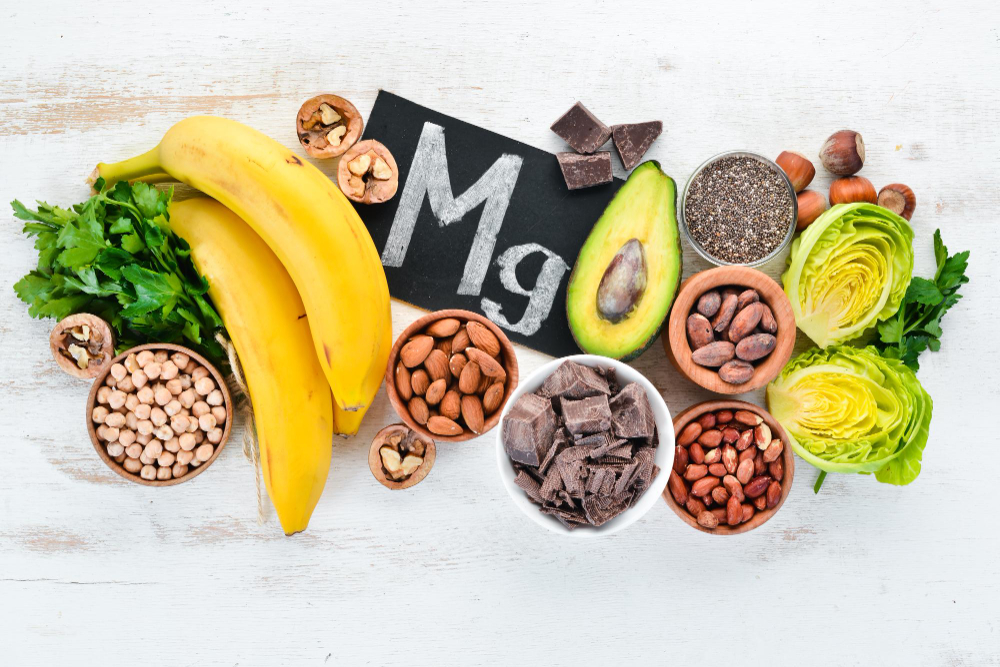
What is the ideal intake of magnesium?
According to expert recommendations, the daily intake of magnesium for adults is approximately between 300-400 mg, with the specific amount varying depending on age, gender, physical activity and health status. Magnesium deficiency can lead to a number of health complications such as muscle cramps, fatigue, irritability or even heart arrhythmias. That's why it's important to know what magnesium is in and how to regularly include magnesium in your diet.
The main sources of natural magnesium in food
Natural sources of magnesium are often more beneficial to overall health due to their complex composition, while supplements can effectively address magnesium deficiency if chosen correctly in terms of form and absorption.
Natural magnesium (from food):
- Contained in foods such as vegetables, nuts, seeds, whole grains and legumes.
- It comes in a complex "matrix" of nutrients, which means that in addition to magnesium, it also provides vitamins, minerals, antioxidants and fiber.
- This comprehensive approach can improve magnesium absorption and promote overall health.
To ensure optimal intake of the mineral, it is a good idea to include different food groups that are naturally rich in magnesium in the diet. Below are several categories of magnesium in foods:
Nuts and seeds
Nuts and seeds are one of the best food groups that are rich in magnesium. These include:
- Almonds: An excellent source of magnesium along with vitamins and healthy fats. Eating almonds can help improve heart health while supporting the nervous system.
- Pumpkin seeds: These seeds contain a high amount of the mineral and are an ideal source of natural magnesium. In addition, their regular consumption contributes to better metabolic function.
- Cashews and hazelnuts: Both types of nuts are a great source of magnesium and provide the body with other important nutrients such as protein and fibre.
Legumes
Legumes are another important source of minerals:
- Beans, lentils and chickpeas: these foods not only contain magnesium, but also protein and fiber, which contribute to the overall health of the digestive system and stabilize blood sugar levels.
Whole grains
Whole grains are an important component of a healthy diet:
- Brown rice, whole grain bread and oatmeal: These foods are magnesium-rich and bring not only minerals to the diet, but also fiber and antioxidants that support immunity and overall health.
Green leafy vegetables
Let's not forget green leafy vegetables, which are also rich in magnesium:
- Spinach, kale, chard and arugula: These vegetables not only contain magnesium, but also other vitamins (e.g. vitamin K, vitamin C) and antioxidants that have a positive effect on heart and vascular health.
Fish and seafood
Although fish and seafood are known primarily for their omega-3 fatty acid content, some also contain useful amounts of magnesium:
- Salmon, mackerel or sardines: these fish contribute to optimal mineral intake while providing good quality protein and healthy fats.
.jpg)

How to make a diet rich in magnesium?
Proper meal planning is key to ensuring adequate magnesium intake from food. Here are some practical tips on how to include magnesium-rich foods in your daily diet:
Breakfast
- Oatmeal with nuts and seeds: Start your day with oatmeal with chopped almonds or pumpkin seeds. This combination not only provides plenty of magnesium, but also fiber and other nutrients.
- Smoothie with leafy greens: Add spinach or kale, a banana and some almond milk to your smoothie for a natural magnesium intake.
Lunch
- Legume salad: Prepare a salad with chickpeas, beans or lentils, add fresh vegetables (e.g. tomatoes, peppers, cucumbers) and season with olive oil and lemon juice.
- Whole grain side dish: Include whole grain rice or quinoa in your lunch, which are great sources of magnesium and other minerals.
Dinner
- Fish with steamed vegetables: Prepare salmon or mackerel with a side of steamed broccoli, spinach or chard. This combination provides a comprehensive intake of nutrients and minerals.
- Whole grain bread: as a complement to dinner, you can add whole grain bread with avocado, which also contributes to better mineral absorption.
Snacks
- Nut mixes: Make use of mixtures of almonds, hazelnuts and pumpkin seeds as a healthy snack during the day.
- Vegetable Hummus Bars: Combining fresh vegetables with hummus, which contains legumes, is a great way to replenish magnesium and other important nutrients.

Additional benefits and practical advice
Improved sleep quality and reduced stress
Some studies suggest that sufficient magnesium intake can positively affect sleep quality and reduce symptoms of stress and anxiety. In fact, magnesium helps relax muscles and promotes relaxation of the nervous system, which is crucial for the body's recovery during sleep.
Supporting cardiovascular health
Regular consumption of magnesium is associated with a reduced risk of cardiovascular disease. The mineral contributes to the proper functioning of the heart muscle and blood vessels, thereby promoting overall heart health.
Absorption and combination with other nutrients
For optimal absorption of magnesium, it is important to combine magnesium with other nutrients, such as vitamin D, which helps the mineral to be better absorbed in the digestive tract. It is therefore a good idea to include vitamin D-rich foods such as fish, eggs or fortified foods in your diet.
Conclusion
Magnesium is an indispensable mineral that supports many key functions of our body. Knowing what magnesium is in is essential for creating a balanced and healthy diet. Some of the most important magnesium-rich foods include nuts and seeds, legumes, whole grains, green leafy vegetables and certain types of fish and seafood.
By combining diverse sources of natural magnesium, we can ensure that our bodies have enough of the mineral to support muscle and nerve function, regulate blood pressure, produce energy and maintain healthy bones. By planning a diet that includes a balanced combination of these foods, we can not only improve overall health, but also reduce the risk of magnesium deficiency, which can have serious consequences for the body.
Remember that good nutrition is the foundation of a healthy lifestyle, and regular physical activity further contributes to optimal body functioning. If you have specific health requirements or are concerned about mineral deficiencies, we recommend consulting a nutritionist or doctor to help you develop an ideal dietary plan.
Recommended


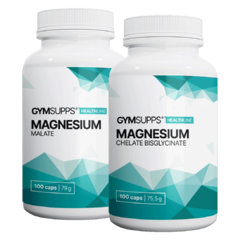
GymSupps Magnesium Malate
Sources:
- Journal of Nutrition
- American Journal of Clinical Nutrition
- European Journal of Clinical Nutrition
No posts have been made yet.