Potassium and magnesium deficiency
 Author:
 In the field of fitness and sports nutrition, the importance of macronutrients (carbohydrates, fats, proteins) and some micronutrients (such as iron, calcium or vitamin D) is often discussed. However, less attention is paid to minerals such as potassium and magnesium, deficiencies of which can significantly affect not only athletic performance but also overall health. This article looks in detail at potassium and magnesium deficiency, their role in the body, the consequences of deficiency, risk groups and recommendations for athletes. It also draws on scientific studies that confirm the importance of these minerals for optimal muscle function, nervous system and energy metabolism.
Article content:
- Why are potassium and magnesium important?
- Causes and risk factors for deficiency
- Consequences of potassium and magnesium deficiency
- Scientific studies on the importance of potassium and magnesium for athletes
- How to prevent deficiency: Nutrition and supplementation
- Practical tips for effective potassium and magnesium intake
- Consequences of long-term deficiency and effect on performance
Why are potassium and magnesium important?
Potassium
Potassium is an essential mineral that plays a key role in many physiological processes:
- Regulation of fluid balance: together with sodium, it ensures the maintenance of osmotic pressure and fluid balance inside and outside the cells.
- Muscle contraction.
- Nerve function: it is involved in the transmission of nerve impulses, which is crucial for the coordination of movements and reflexes.
- Regulation of blood pressure: Adequate potassium intake helps reduce the risk of hypertension and supports cardiovascular health.
Magnesium
Magnesium is one of the most underrated minerals, yet:
- Supports muscle and nerve function: Acts as a cofactor in more than 300 enzymatic reactions involved in energy metabolism, muscle contraction and protein synthesis.
- Cramp prevention: Magnesium maintains electrolyte balance and helps prevent muscle cramps and pain.
- Energy Metabolism: It works with ATP (adenosine triphosphate), the main source of energy in cells, to promote efficient energy production during exercise.
- Bone health: in combination with calcium and vitamin D, it helps maintain bone strength.

Causes and risk factors of deficiency
Potassium deficiency
Potassium deficiency (hypokalemia) can have several causes:
- Inadequate dietary intake: a diet poor in fruits, vegetables and whole grains can lead to low potassium intake.
- Excessive sweating during intense exercise, vomiting, diarrhea, or diuretics (dehydration medications) can increase the excretion of potassium from the body.
- Hormonal imbalances: Some hormonal disorders can affect potassium regulation, such as hyperaldosteronism.
Magnesium deficiency
Magnesium deficiency (hypomagnesemia) is more common in athletes than one might think:
- Inadequate diet: modern diets that contain large amounts of processed foods may be low in magnesium.
- Increased sweat loss: Athletes who train intensely and sweat excessively may lose magnesium faster than they can replenish it.
- Stress and lack of sleep: Chronic stress increases cortisol production, which affects mineral metabolism. Lack of sleep can then reduce the body's ability to regenerate and maintain stable magnesium levels.
Consequences of potassium and magnesium deficiency
Potassium deficiency
- Muscle weakness and cramps: With hypokalemia, muscle cramps, fatigue, and weakness can occur and negatively affect athletic performance.
- Heart rhythm disturbances: Potassium is important for the electrical stability of the heart, so a deficiency can lead to arrhythmias.
- Impaired blood pressure: Low potassium levels can contribute to hypertension, which increases cardiovascular risks.
Magnesium deficiency
- Increased risk of cramps: Hypomagnesemia is often associated with more frequent muscle cramps and muscle pain during and after exercise.
- Fatigue and decline in performance: Magnesium deficiency can lead to fatigue, a drop in energy levels, and decreased resistance to stress.
- Sleep and recovery disorders: magnesium contributes to muscle and nervous system relaxation, so a lack of magnesium can impair sleep quality and slow recovery processes.

Scientific studies on the importance of potassium and magnesium for athletes
According to a study published in the Journal of the International Society of SportsNutrition1, there is a close link between potassium and magnesium levels and the ability of athletes to perform at high levels over long periods of time. Individuals deficient in these minerals have been observed to have a faster onset of fatigue, increased susceptibility to muscle cramps and prolonged recovery time.
Further research, published in Medicine & Science in Sports &Exercise2, has shown that adequate magnesium intake is associated with better muscle contractility and a lower incidence of muscle cramps. Study participants who had sufficient magnesium also reported improved sleep quality and better ability to recover after strenuous workouts.
How to prevent deficiency: Nutrition and supplementation
A diet rich in potassium and magnesium
The key to preventing mineral deficiencies is a balanced diet:
- Potassium: found in bananas, avocados, potatoes (especially the skin), legumes, spinach and dried fruit.
- Magnesium: Rich sources are nuts, seeds (sunflower, pumpkin), leafy greens, whole grains and legumes.
Practical tips for effective potassium and magnesium intake
- Balanced diet: combine foods rich in potassium (bananas, potatoes, avocados) and magnesium (nuts, leafy greens, seeds) in your diet.
- Hydration: Adequate fluid intake helps maintain electrolyte balance. Electrolyte drinks can also be used when excessive sweating occurs (e.g. during intense workouts).
- Supplementation.
- Timing: take mineral supplements ideally with meals to minimize digestive upset and increase absorption.
- Monitor levels: Regular blood tests can help identify any deficiencies. If potassium or magnesium levels are low, it is advisable to increase intake under the supervision of a specialist.

Consequences of long-term deficiency and effect on performance
Athletes who ignore their potassium and magnesium intake for long periods of time may face:
- Impaired performance: A deficiency of these minerals leads to faster onset of fatigue and muscle cramps, which can significantly affect the quality of training and competitive performance.
- Prolonged recovery time: Without sufficient amounts of the minerals necessary for muscle contraction and relaxation, recovery slows and the risk of overtraining increases.
- Hormonal fluctuations and weaker immunity: Some studies suggest that magnesium deficiency can affect hormonal balance, which can lead to lower resistance to stress and infection3.
Summary and recommendations
Potassium and magnesium deficiency is more common than expected among athletes and can significantly limit their performance and recovery. While potassium is crucial for proper muscle function and fluid balance, magnesium is involved in hundreds of enzymatic reactions and supports energy metabolism. To maintain optimal levels of these minerals, we recommend:
- A balanced diet rich in fruits, vegetables, whole grains and legumes.
- Regular fluid replenishment with respect to electrolytes, especially with excessive sweating.
- Supplementation with quality products such as Bodybuilding.com Super Electrolytes.
- Consultation with a specialist and possible blood tests to determine potassium and magnesium levels.
- Proper timing of supplementation, preferably with meals to increase absorption and minimize digestive upset.
Conclusion
Potassium and magnesium deficiency can significantly affect athletic performance, recovery rate and overall health. For anyone who engages in intense training or lives an active lifestyle, it's crucial to ensure adequate intake of these minerals, whether through a balanced diet or with supplements such as Bodybuilding.com Super Electrolytes. Increased physical exertion and intense sweating can increase potassium and magnesium losses, so it is advisable to monitor mineral levels and respond to any deficiencies in a timely manner. A balanced combination of proper nutrition, hydration and appropriate supplementation will ensure optimal muscle function, nervous system and energy metabolism, which will translate into better athletic performance and overall satisfaction.
Recommended

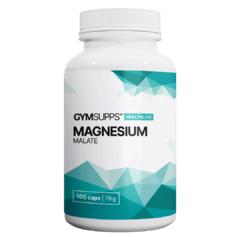
GymSupps Magnesium Malate
Links to studies
- Holford, N.H.G., & Sheiner, L.B. (1981). Kinetic and dynamic relationships in the pharmacology of potassium. Journal of Pharmacokinetics and Biopharmaceutics, 9(3), 255-279.
- Elin, R.J. (2010). Assessment of magnesium status for diagnosis and therapy. Magnesium Research, 23(4), S194-S198.
- Nielsen, F.H. (2012). Magnesium, inflammation, and obesity in chronic disease. Nutritional Reviews, 70(3), 153-164.
- Gelecek, N., Pinar, L., Ozdirenc, M., Bediz, C.S. (2006). The effect of magnesium supplementation on muscle cramps. International Journal of Sports Medicine, 27(9), 765-770.
No posts have been made yet.