8 signs of potassium deficiency
 Author: Šárka Randáčková
 Potassium is an essential mineral that has many roles in your body. It helps regulate muscle contractions, maintains proper nerve function and regulates fluid balance.
However, several surveys in recent years have shown that the current population is not taking in enough potassium. Blame the Western diet, which consists mainly of processed foods, and neglects whole foods such as fruits, vegetables, legumes and nuts.
However, a diet alone without enough potassium is rarely the cause of a potassium deficiency in the body. A deficiency is defined as a blood potassium level below 3.5 mmol per litre .
Deficiency usually occurs when the body loses a lot of fluid at once. Traditional causes of potassium deficiency include chronic vomiting, diarrhea, excessive sweating and blood loss.
Here are 8 signs of potassium deficiency.
1. Weakness and fatigue
These are often the first symptom of potassium deficiency. There are several ways that a deficiency of this mineral can cause weakness.
The first is controlling muscle contractions. Once you have low potassium levels, your contractions are not strong enough.
Potassium can further affect your body's nutrient loading, which can also lead to fatigue. For example, there is evidence of reduced insulin production, leading to low blood sugar .
2. Muscle cramps and seizures
Cramps are sudden, uncontrolled muscle contractions. They can occur when blood potassium levels are low.
Potassium helps transmit the signal for contraction from the brain to the muscle cells. Leaching also helps end the contraction.
When potassium levels are low, these signals are not transmitted as well. This results in prolonged contractions such as cramps.
3. Digestive problems
These have many causes, but potassium deficiency may be one of them. Potassium helps to transmit signals from the brain to the muscles of the digestive tract. These signals control its proper function in processing food .
When potassium levels are low, these signals are not transmitted as well and the muscles do not work as they should. This results in digestive problems such as gas and constipation.
Some studies also claim that severe potassium deficiency can completely paralyze the digestive system.
However, other studies say that this connection is not entirely clear .
4. A faster heartbeat
Have you ever noticed that your heart suddenly started beating harder, faster, or skipped a beat? This is called palpitations and is commonly associated with stress or anxiety. However, palpitations can also indicate a potassium deficiency .
Heart rate regulation is again a matter of signals from the brain, which are adversely affected by low potassium levels.
In addition, palpitations can be a signal of arrhythmia, or irregular heartbeat, which is also associated with potassium deficiency. Unlike palpitations, arrhythmias are associated with serious consequences .
5. Muscle stiffness and pain
Both can be a sign of significant potassium deficiency and signal the rapid muscle breakdown known as rhabdomyolysis .
Potassium levels help with the regulation of blood flow to the muscles. When potassium levels are very low, blood vessels may contract, preventing blood flow to the muscles.
The muscle cells receive less oxygen, and may crack and become leaky. This is called rhabdomyolysis, which is accompanied by symptoms such as muscle stiffness and pain .
6. Tingling and numbness
People with potassium deficiency may experience persistent tingling and numbness in the muscles . This is called paresthesia and usually occurs in the arms, legs and feet.
Potassium is essential for proper nerve function. Low levels of it can interfere with nerve signalling, which can cause both of the symptoms described above.
Occasionally this is not a problem, but if you experience these symptoms too often, they may indicate a more serious cause, and you should seek medical attention.
7. Breathing difficulties
These too can be caused by low potassium levels, as this controls the signalling from the brain to the lungs, which may not inflate and contract properly if there is insufficient signalling, and you may not get enough breath .
Breathing problems can also be caused by an abnormal heartbeat that does not circulate enough blood to the body .
A severe potassium deficiency can cause up to a cessation of lung function, which is fatal .
8.Mood swings
Potassium levels are also associated with mental freshness. Low can again affect proper brain function .
For example, one study found that 20% of patients with mental disorders suffer from potassium deficiency. However, there is desperately little research on this topic and many more tests are needed before any recommendations can be made.
Sources of potassium
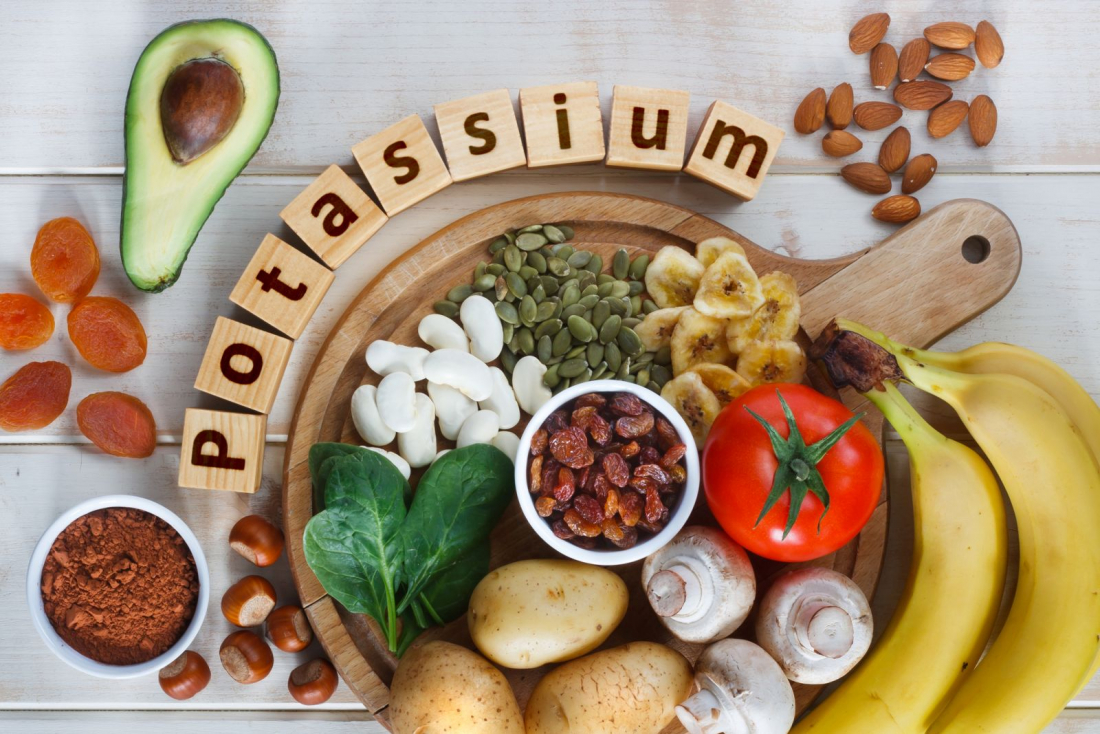
The best sources of potassium are fruits, vegetables, legumes and nuts. The US Food and Drug Administration has set the recommended daily allowance (RDA) for potassium at 4700 mg .
Here is a list of foods that are excellent sources of potassium, along with the % of the recommended daily allowance in a 100g serving:
- Boiled beetroot: 26% DDD
- Roasted sweet potatoes: 19% DDD
- Cooked white beans: 18% DDD
- Cooked clams: 18% DDD
- Roasted white potatoes: 16% DDD
- Avocado: 14% DDD
- Cooked Pinto Beans: 12% DDD
- Bananas: 10% DDD
Should you take supplements with potassium?
I don't recommend commercial products. In America, they are limited to 99 mg of potassium. For example, a medium banana contains 422 mg .
This limit is set because supplements with high doses of potassium, according to studies, damage the digestive system and cause fatal abnormalities in the heart rhythm .
Too high doses of potassium can cause a buildup in the blood and a condition called hyperkalemia. Hyperkalemia can cause cardiac arrhythmia, which is very dangerous .
Take high doses of potassium only after consulting a doctor.
Conclusion
Very few people follow the recommended daily dose of potassium. However, its low intake rarely ever causes a deficiency in the body. This is most likely to occur when you lose a lot of fluids quickly.
Traditional symptoms of potassium deficiency include weakness, cramps, muscle pain and stiffness, heart palpitations, difficulty breathing, digestive problems and mood changes.
If you think you have a potassium deficiency, see a doctor because this condition can have very serious health consequences.
What you can do for yourself is eating more potassium-rich foods such as beetroot, sweet potatoes, beans, avocados and bananas.
Source: www.healthline.com
Author: Ryan Raman, MS, RD (NZ)
Author: Šárka Randáčková No posts have been made yet.