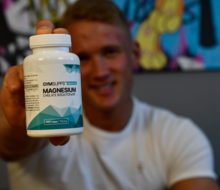
Magnesium for a headache?
 Author:
 Headaches are one of the most common health problems people face. It can be a mild annoyance that goes away on its own or a severe, recurring pain that affects daily functioning. While we commonly reach for painkillers, there are natural ways to relieve or even prevent headaches. One of these is magnesium, a mineral that plays a vital role in many bodily functions - including nervous system regulation and muscle contraction.
What does science say about the link between magnesium and headaches? How to supplement magnesium properly and what forms are most effective? In this article, we'll take a close look at how this essential mineral can help with migraines, tension headaches, and other types of pain associated with stress and muscle tension.
Article Content:
Why can magnesium deficiency cause headaches?
Magnesium is a mineral that is essential for more than 300 enzymatic processes in the body. It is involved in energy metabolism, muscle contraction, blood pressure regulation, and most importantly, the proper function of the nervous system.
One of the main mechanisms by which magnesium affects headaches is its effect on the dilation and constriction of blood vessels. When the body does not have enough magnesium, blood vessels in the brain can easily constrict, leading to restricted blood flow and consequently headaches. Magnesium also regulates levels of neurotransmitters such as serotonin, which plays a key role in migraines.
Another important factor is the effect of magnesium on muscle tension. If you're deficient in this mineral, your muscles can over-contract, causing tension headaches that manifest as pressure and tension in the forehead, temples and back of the head.
Scientific studies on magnesium and headaches
According to expert research, people who suffer from frequent headaches have lower levels of magnesium than the general population. Several studies have looked at the effects of magnesium supplementation on the prevention and treatment of headaches:
- A study published in the American Headache Society (2015) showed that daily magnesium supplementation (at a dose of 600 mg) can reduce the incidence of migraines by 41%.
- Research published in the Journal of Neural Transmission (2012) found that intravenous administration of magnesium helps acute migraines by quickly relieving muscle tension and dilating blood vessels.
- A study in the journal Cephalalgia (2008) found that people with migraines have lower levels of magnesium in their cerebrospinal fluid, confirming the link between magnesium deficiency and this type of headache.

Which types of headaches can magnesium affect?
Magnesium is not a one-size-fits-all solution for all types of headaches, but there are certain categories where its effect can be very pronounced:
1. Migraine
Migraines are intense, throbbing headaches that can last for hours or days and are often accompanied by nausea, vomiting and sensitivity to light and sound. Research suggests that up to 50% of migraine patients have low magnesium levels, suggesting that magnesium supplementation may be an effective way to prevent and relieve symptoms.
2. Tension headache
This type of headache is the most common and is usually caused by stress, poor posture or prolonged muscle tension. It is manifested by pressure or tightness around the perimeter of the head and neck. Magnesium plays an important role here by relaxing the muscles and relieving stress, which can help prevent these pains.
3. Cluster headache
These are rarer but extremely intense pains that occur in series (clusters) and can be extremely painful. Although there are not yet as many studies as there are for migraines, some research suggests that magnesium may play a role here as well.
4. Headaches caused by stress and exhaustion
If you're under prolonged stress, your body uses more magnesium. This can lead to a deficiency, which manifests itself not only in fatigue and irritability, but also in more frequent headaches. Supplementing magnesium can help reduce stress and stabilize the nervous system.
How to supplement magnesium properly?
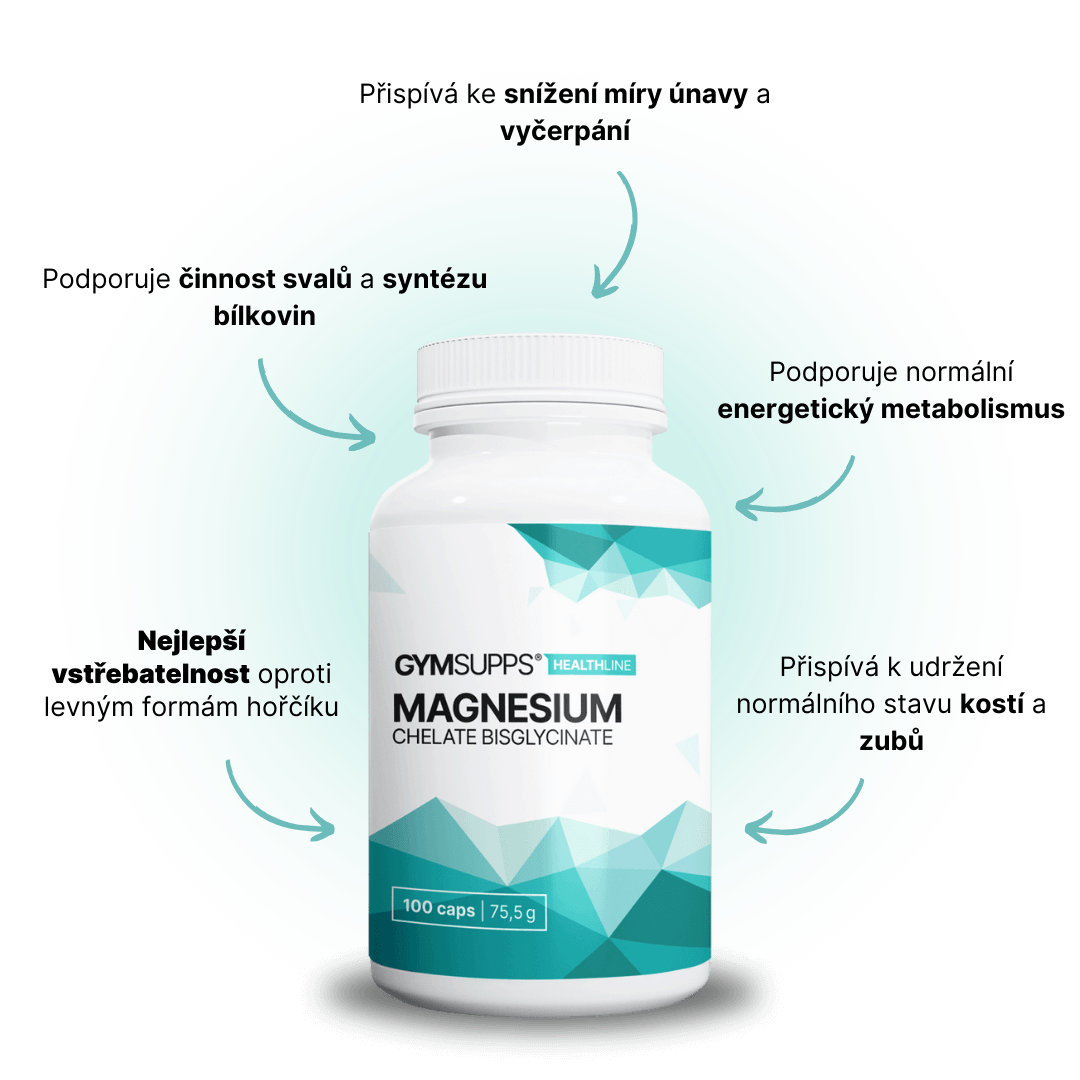
Not all forms of magnesium are equally effective. The best forms for fighting headaches include:
- Magnesium citrate - well absorbed but can have laxative effects.
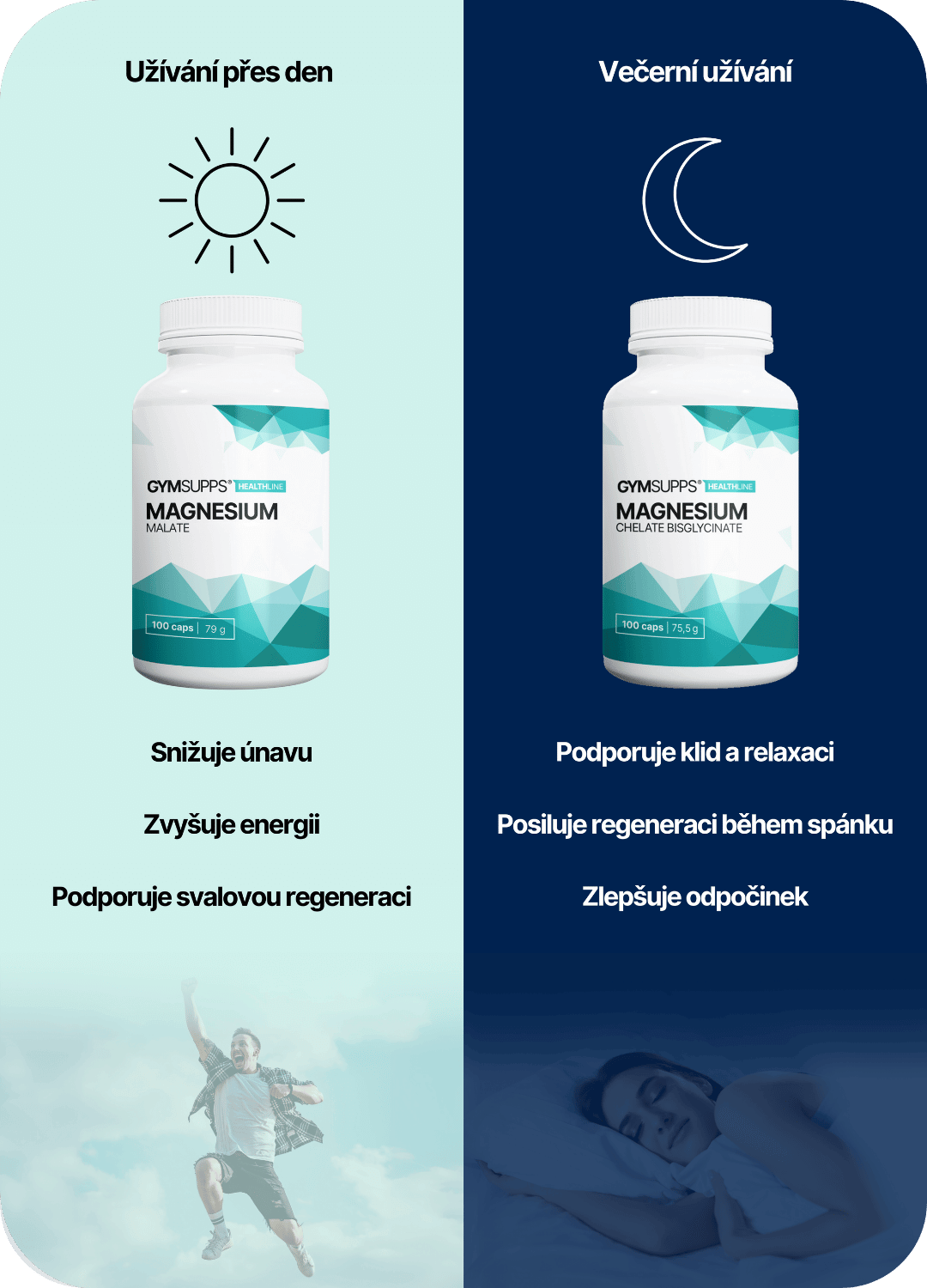
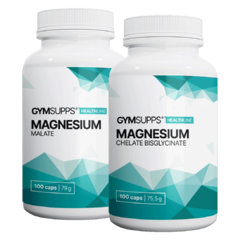
- Magnesium Glycinate - gentle on the stomach, ideal for the nervous system.
- Magnesium Threonate - penetrates the brain and improves neurological function.
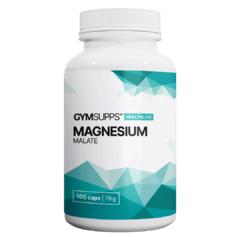
- Magnesium Malate - promotes muscle recovery and energy metabolism.
.png)
Recommended daily dosage
- For migraine prevention: 400-600 mg daily
- For acute pain: 200-400 mg in one dose
- Maximum daily safe dose: 1000 mg (higher doses may cause diarrhea)
Conclusion: can magnesium help with headaches?
The answer is yes. Magnesium is a natural, safe and scientifically backed way to fight headaches and migraines. Studies confirm that sufficient intake can reduce the frequency and intensity of headaches, especially in people who are prone to migraines or suffer from tension headaches caused by stress and muscle tension.
This mineral plays a key role in regulating the nervous system, dilating blood vessels and reducing muscle tension, all factors that can contribute to headaches. Thus, regular supplementation can act not only as a preventative measure, but also as a natural way to relieve acute pain.
If you frequently experience headaches, increasing your magnesium intake may be the first step to reducing them. This can be done either by changing your diet - including magnesium-rich foods such as nuts, seeds, leafy greens or dark chocolate - or by supplementing with magnesium in the form of high-quality supplements such as magnesium glycinate, citrate or threonate.
In addition to magnesium alone, for even better effects, it may be useful to combine it with other substances that have proven benefits in the fight against headaches. The most effective ones include:
TIP TO FINISH: If you suffer from migraines, try a triple combination of magnesium, vitamin B2 and coenzyme Q10. This combination has been shown in research to be very effective in reducing the frequency and intensity of migraines, and can be a great alternative to conventional painkillers!
Recommended
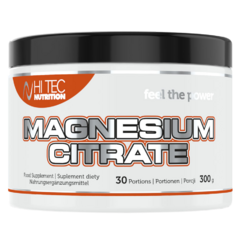
HiTec Magnesium Citrate

GymSupps Magnesium Malate
No posts have been made yet.