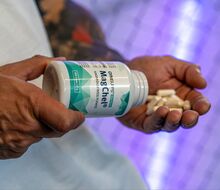
Magnesium bisglycinate: reviews
 Author:
 Magnesium is an absolutely indispensable mineral for the human body. It is involved in more than 300 enzymatic reactions, from energy production and DNA synthesis to blood pressure regulation and proper muscle and nerve function. Yet it is estimated that a significant proportion of the population in the western world does not receive sufficient amounts of this key element. The logical solution seems to be supplementation. However, the market is flooded with dozens of different forms of magnesium and it is almost impossible for the layperson to navigate them. They differ not only in price, but above all in a property that is absolutely essential - bioavailability. And that's why we decided to prepare an article for you that reviews one of the most advanced and best-rated forms of magnesium, magnesium bisglycinate, not based on impressions, but on hard scientific data.
Article content:
- What is magnesium bisglycinate? The secret of chelate bonding
- Bioavailability: How much magnesium does the body actually use?
- Bisglycinate vs. oxide and the verdict of science
- Extra Bonus: The Calming Power of Glycine
What is magnesium bisglycinate? The secret of chelate bonding
At first glance, the complex name hides an ingeniously simple principle. Magnesium bisglycinate is a form where one magnesium ion is bound to two molecules of the amino acid glycine. This process is technically called chelation and creates a so-called chelate bond. Why is this so important?
Imagine that the magnesium ion itself is difficult for the body to "grab" and transport across the intestinal wall. It often reacts with other substances in the digestive tract, which further reduces its absorption. Here, glycine acts as a kind of bodyguard and transporter at the same time. By "locking" magnesium between its two molecules, it protects it from unwanted reactions in the stomach and safely transports it to the small intestine.
Here comes the second key advantage. The body has specialized and very efficient transport channels for the absorption of amino acids (the building blocks of proteins). Since magnesium bisglycinate pretends to be an amino acid, it can "trick" these channels and is actively and very efficiently transported into the bloodstream. This avoids the typical struggle for absorption with other minerals and makes its journey into the body much more direct and efficient.
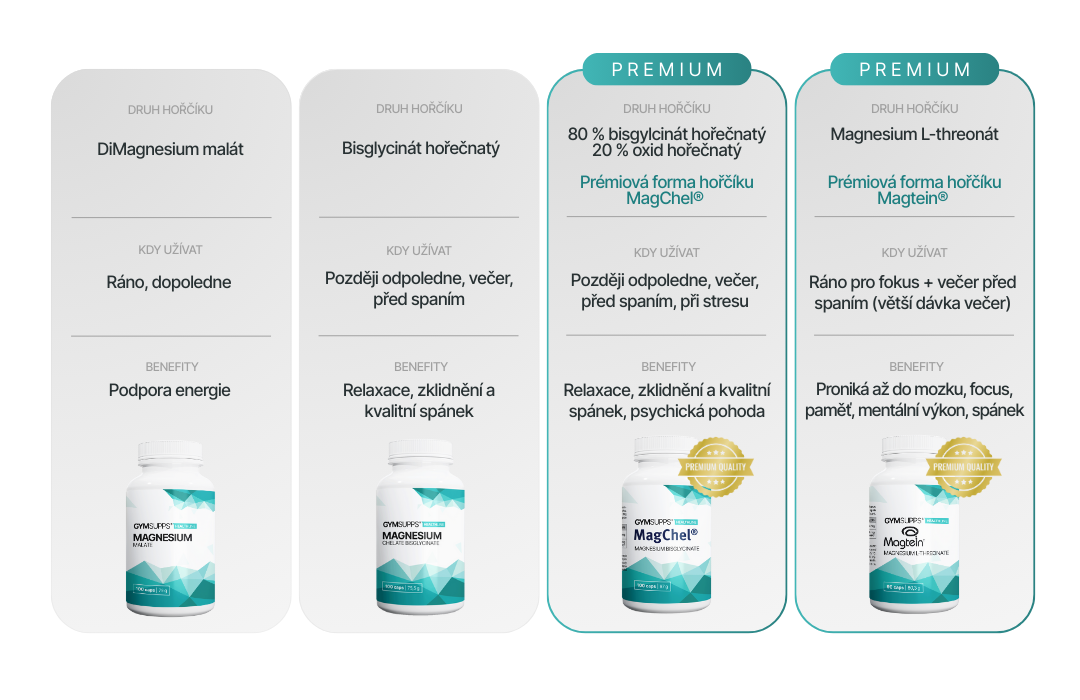
Bioavailability: how much magnesium does the body actually use?
Bioavailability is a term that describes what percentage of the administered substance actually enters the systemic circulation and can be used by the body. For inexpensive inorganic forms of magnesium, such as the often used magnesium oxide, this value is triply low, often only around 4%. This means that out of a 500 mg magnesium oxide tablet, your body will only use about 20 mg.
A systematic review of studies published in 2021 clearly confirmed that organic forms of magnesium, which include bisglycinate, citrate or malate, generally have higher bioavailability than inorganic forms (oxide, sulphate, chloride)¹. Bisglycinate is often considered to be a leader in this respect.
Bisglycinate vs. oxide and the verdict of science
Direct comparative studies provide the most conclusive data. One of the key studies focused on patients with resection (surgical removal of part of) the small intestine, people with a naturally impaired ability to absorb nutrients. It is under such challenging conditions that the true quality of the supplement is best demonstrated. Patients were given either magnesium bisglycinate or magnesium oxide. The results were unequivocal:
- Better tolerability: Magnesium oxide has a strong laxative effect because the unabsorbed magnesium binds water in the intestine. During the study, it caused diarrhoea so often that some patients had to stop taking it. In contrast, magnesium bisglycinate was perfectly tolerated and caused no digestive problems².
- Higher absorption: Despite the impaired absorption conditions, administration of bisglycinate resulted in significantly higher magnesium levels in the blood of patients compared to oxide².
This study thus confirms the theoretical assumptions in practice - the chelated form is not only gentler on the body, but above all many times more effective in replenishing magnesium levels.
Extra bonus: The calming power of glycine
The benefits of bisglycinate don't stop at magnesium alone. The amino acid glycine is not just a passive carrier. In the body, specifically in the central nervous system, it functions as an inhibitory (depressant) neurotransmitter. This means it has a calming effect, helping to reduce nervous tension and promote relaxation.
This dual effect makes bisglycinate an ideal choice for people who want to address not only muscle cramps or fatigue, but also improve sleep quality, reduce feelings of anxiety, and better manage stress. While magnesium relaxes the muscles, glycine calms the mind. This synergy is a unique property that other forms of magnesium do not offer. Other studies that have examined the permeability of different forms of magnesium by intestinal cells also confirm the superior properties of chelated forms³.
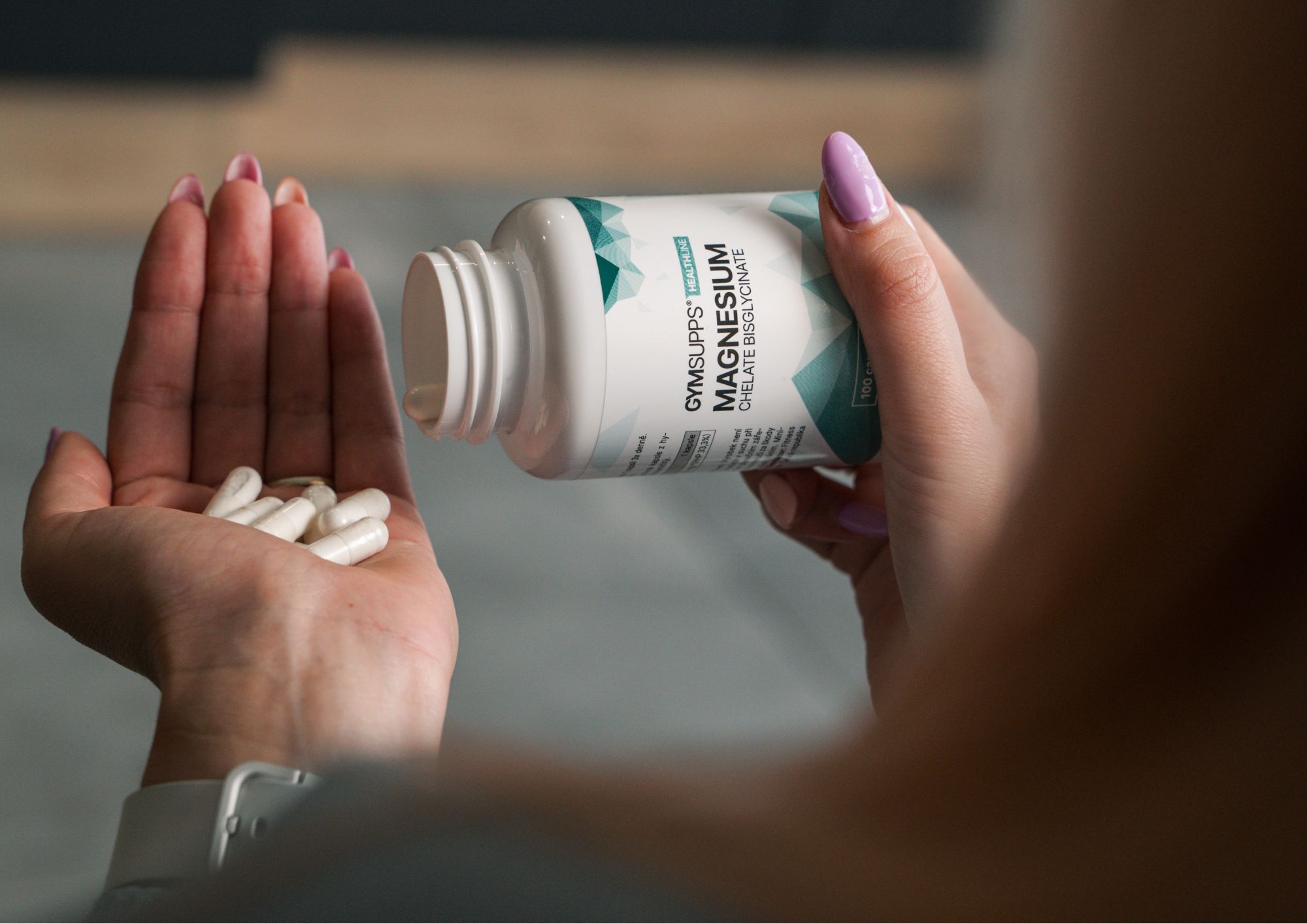
Final verdict: Why is investing in bisglycinate worthwhile?
Based on the available scientific evidence, magnesium bisglycinate can be rated as one of the absolute best choices for magnesium supplementation on the market today. Its reviews from a scientific perspective are unequivocally positive.
- It excels in maximum bioavailability and absorption.
- It is extremely gentle on the digestive tract and does not cause laxative effects.
- It offers the synergistic bonus of the calming amino acid glycine.
It is the ideal choice for athletes, people with sensitive digestion, individuals suffering from stress or insomnia and anyone who expects maximum effect from supplementation without compromise. Although its purchase price may be higher than basic inorganic forms, you are investing in a product where you have scientifically backed assurance that your body will actually use the magnesium supplied. And that's ultimately what's most important.
Recommended


Sources:
- ¹ Pardo, M. R., et al. (2021). Bioavailability of magnesium food supplements: A systematic review. Nutrition, 89, 111294.
- ² Schuette, S. A., et al. (1994). Bioavailability of magnesium diglycinate vs magnesium oxide in patients with ileal resection. Journal of Parenteral and Enteral Nutrition, 18(5), 430-435.
- ³ Conteduca, V., et al. (2020). Study of Magnesium Formulations on Intestinal Cells to Influence Myometrial Cell Relaxation. Nutrients, 12(2), 525.
No posts have been made yet.