What is magnesium? Its properties and uses
 Author:
 In the fitness world, there is constant talk about protein for muscle growth, carbohydrates for energy and creatine for strength. We are constantly optimizing macronutrient ratios and looking for the latest supplements that promise to push our limits. In this relentless pursuit of performance, however, we often overlook one of the most essential, albeit less glamorous, players in our biochemistry: magnesium. This essential mineral isn't just a cramp preventative. It's a key regulator involved in hundreds of vital processes, from energy production to DNA synthesis.
Article Content:
- What is magnesium? The architect of cellular energy and function
- Properties and physiological roles: Why does magnesium matter so much?
- Uses of magnesium: From Prevention to Therapy
What is magnesium? The architect of cellular energy and function
Magnesium (chemical name Mg) is the fourth most abundant mineral in the human body, after calcium, potassium and sodium. It's not just a passive element; it's an active ion involved in more than 300 enzymatic reactions.1 Think of it as a master key that fits into the locks of hundreds of different cellular machines and makes them work.
Most of the magnesium in our bodies (about 60%) is stored in bones, where it contributes to their structural strength. The rest is found in muscles and soft tissues, with only about 1% circulating in the blood. It is this small proportion in the blood and cells that is the most metabolically active and most important for the daily functions that are so crucial for athletes. Its unique chemical properties, such as its divalent positive charge, allow it to bind to key molecules such as adenosine triphosphate (ATP) - our body's essential energy currency.2 Without magnesium, our bodies would literally have no "fuel" for any activity.
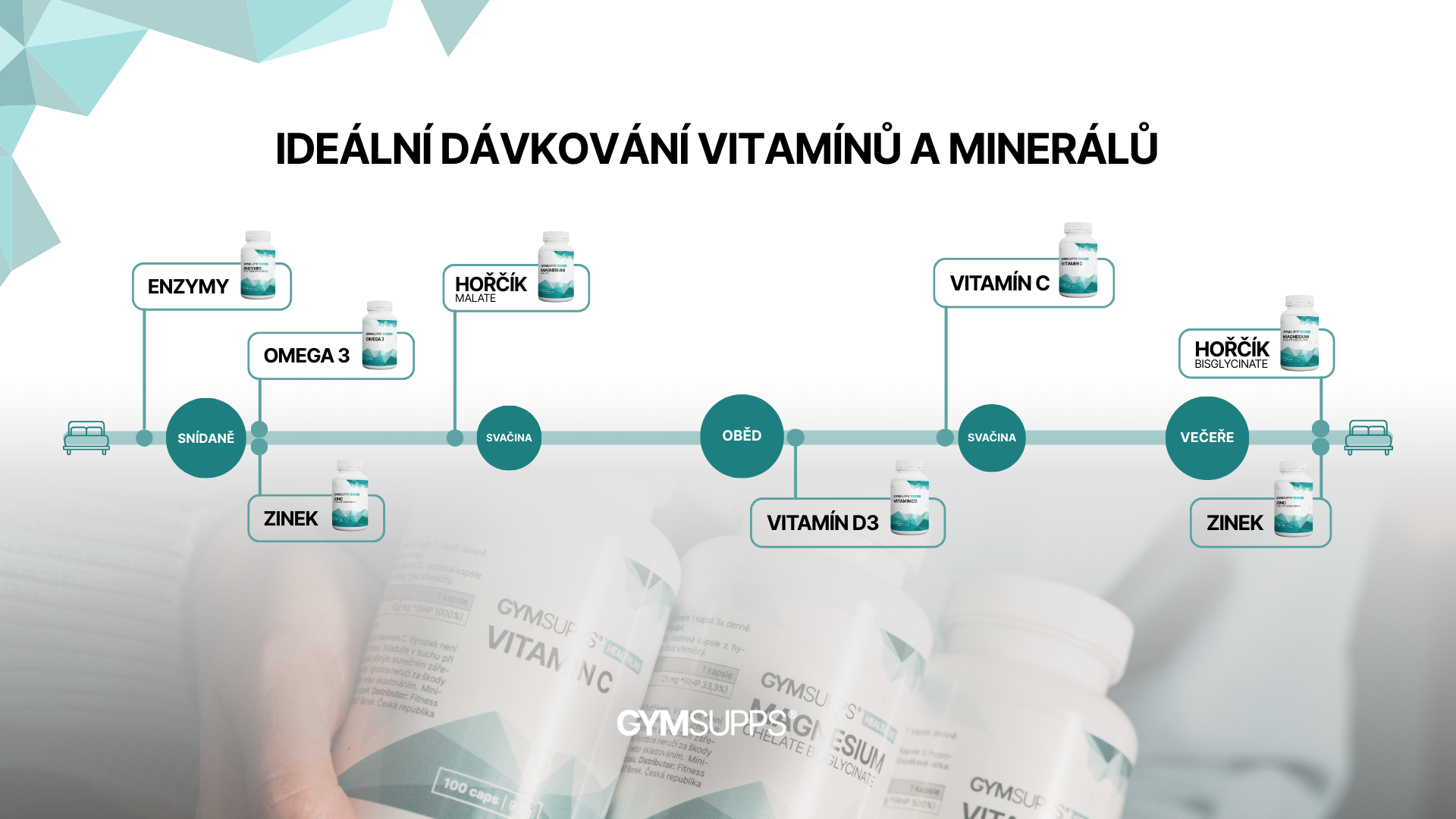
Properties and physiological roles: Why does magnesium matter so much?
Let's take a closer look at the processes where magnesium plays a major role. For athletes, these functions are absolutely essential.
1. Energy production and metabolism
Every movement, every muscle contraction, every heartbeat requires energy in the form of ATP. However, the ATP molecule is only biologically active when it is bound to a magnesium ion (in the form of the Mg-ATP complex).1 Magnesium is therefore indispensable for both glycolysis (the breakdown of glucose into energy) and oxidative phosphorylation (the process of ATP formation in the mitochondria). For athletes, this means only one thing: a magnesium deficiency can directly limit your ability to produce energy, leading to faster fatigue and reduced performance.
2. Muscle contraction and relaxation
Muscle function is a delicate balance between contraction (contraction) and relaxation (relaxation). While calcium is the primary signal for muscle contraction, magnesium acts as its natural counterpart - a physiological blocker of calcium channels. It helps cells relax after a contraction.3 If the body is deficient in magnesium, calcium can stay in the cells longer, leading to prolonged contraction. Clinically, this manifests as muscle cramps, twitches and tremors - problems that athletes are familiar with.
3. Nervous system function and psychological well-being
Magnesium has a profound effect on the nervous system. It helps regulate the activity of neurotransmitters and has a calming effect on the brain. It acts on GABA (gamma-aminobutyric acid) receptors, which is the main inhibitory neurotransmitter in the brain that helps to reduce nervous excitement. This is why magnesium is often associated with improving sleep, reducing stress and anxiety. For athletes, quality sleep is the foundation of recovery. The ability to "shut down" the nervous system and rest deeply is crucial for tissue repair and preparation for the next performance. Some studies are even exploring its potential use in the treatment of depression and migraine.4

4. Protein synthesis and tissue repair
After a hard workout, microtrauma occurs in the muscles, which the body must repair. This process, known as muscle protein synthesis, is the basis of adaptation and growth. Magnesium is essential for the functioning of ribosomes (cellular protein factories) and for DNA and RNA synthesis, which are essential steps in the formation of new proteins.1 Without enough magnesium, the body's ability to effectively repair and build muscle is limited.
5. Bone health and calcium balance
Although calcium is the star when it comes to bone health, magnesium is a key member of the support team. It is involved in the structure of the bone matrix and influences the activity of osteoblasts (bone-forming cells) and osteoclasts (bone-degrading cells). It also regulates levels of calcium and vitamin D, two other key nutrients for strong bones.3 For athletes whose skeleton is subjected to high stress, maintaining healthy bone density is essential to prevent fatigue fractures.
Magnesium Utilization: From prevention to therapy
Because of these diverse roles, magnesium supplementation has a wide range of uses that go beyond simply supplementing the diet. In clinical practice, it is used in the treatment of a number of conditions. For the sports community, the most important areas are:
- Improving athletic performance: By optimizing energy metabolism and protein synthesis, magnesium can contribute to improved endurance, strength and more efficient recovery.
- Prevention and treatment of muscle cramps: This is the most well-known use of magnesium, which is directly supported by its role in regulating muscle relaxation.
- Promoting cardiovascular health: Magnesium helps regulate heart rhythm and blood pressure, which is important for anyone undergoing intense cardiovascular training.
- Managing stress and improving sleep: Its calming effects on the nervous system can be a valuable tool for improving recovery and psychological well-being.
.png)
Do you have enough of it? The question of deficiency and supplementation
Despite its importance, magnesium deficiency (hypomagnesaemia) is relatively common in the Western population. This is due to a diet poor in whole foods and industrial processing that removes magnesium from foods. In addition, athletes are a high-risk group because they lose magnesium at an increased rate through sweat.
Symptoms of deficiency may include:
- Muscle cramps, twitching and weakness
- Fatigue and lack of energy
- Irritability, nervousness and poor sleep
- Disturbed heart rhythm
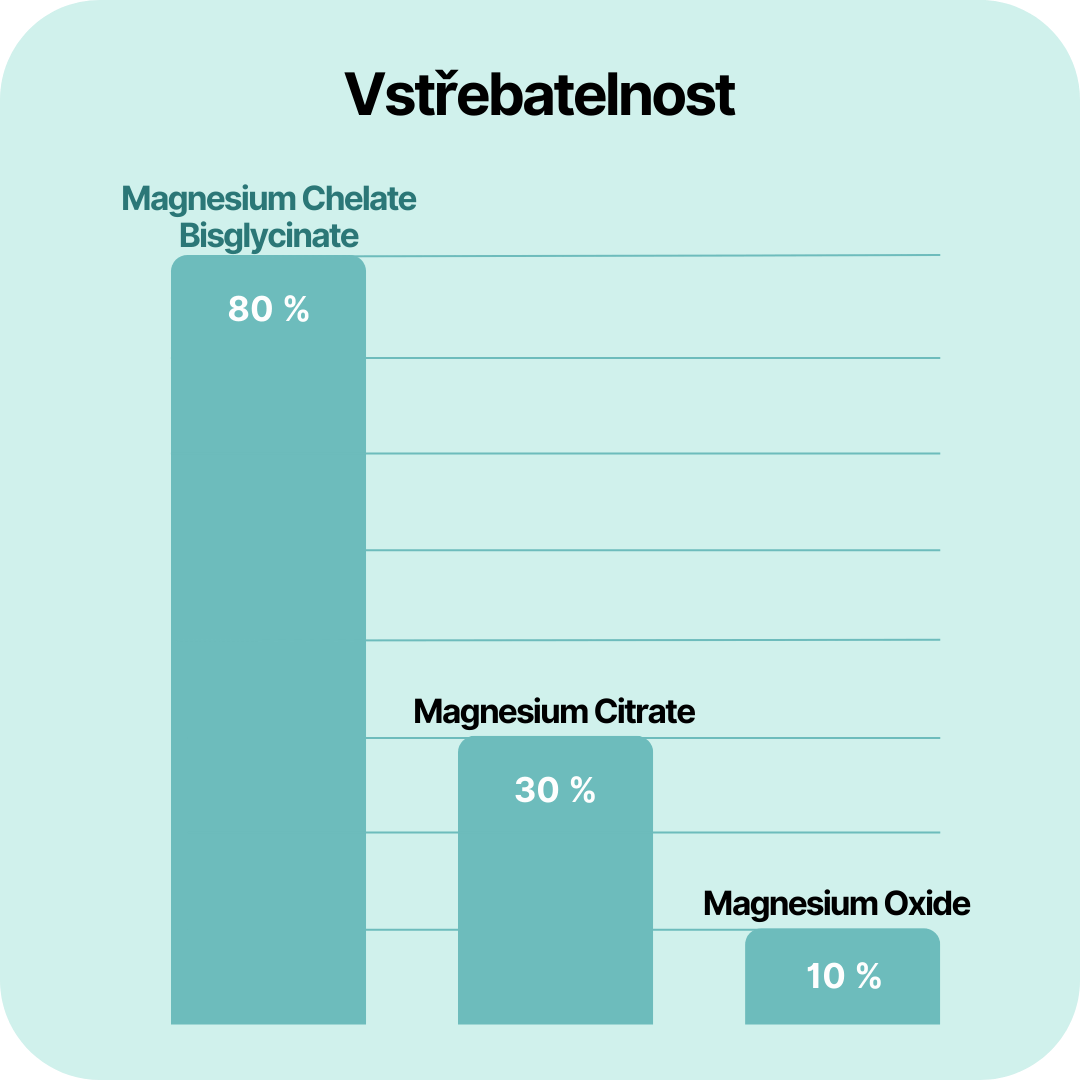
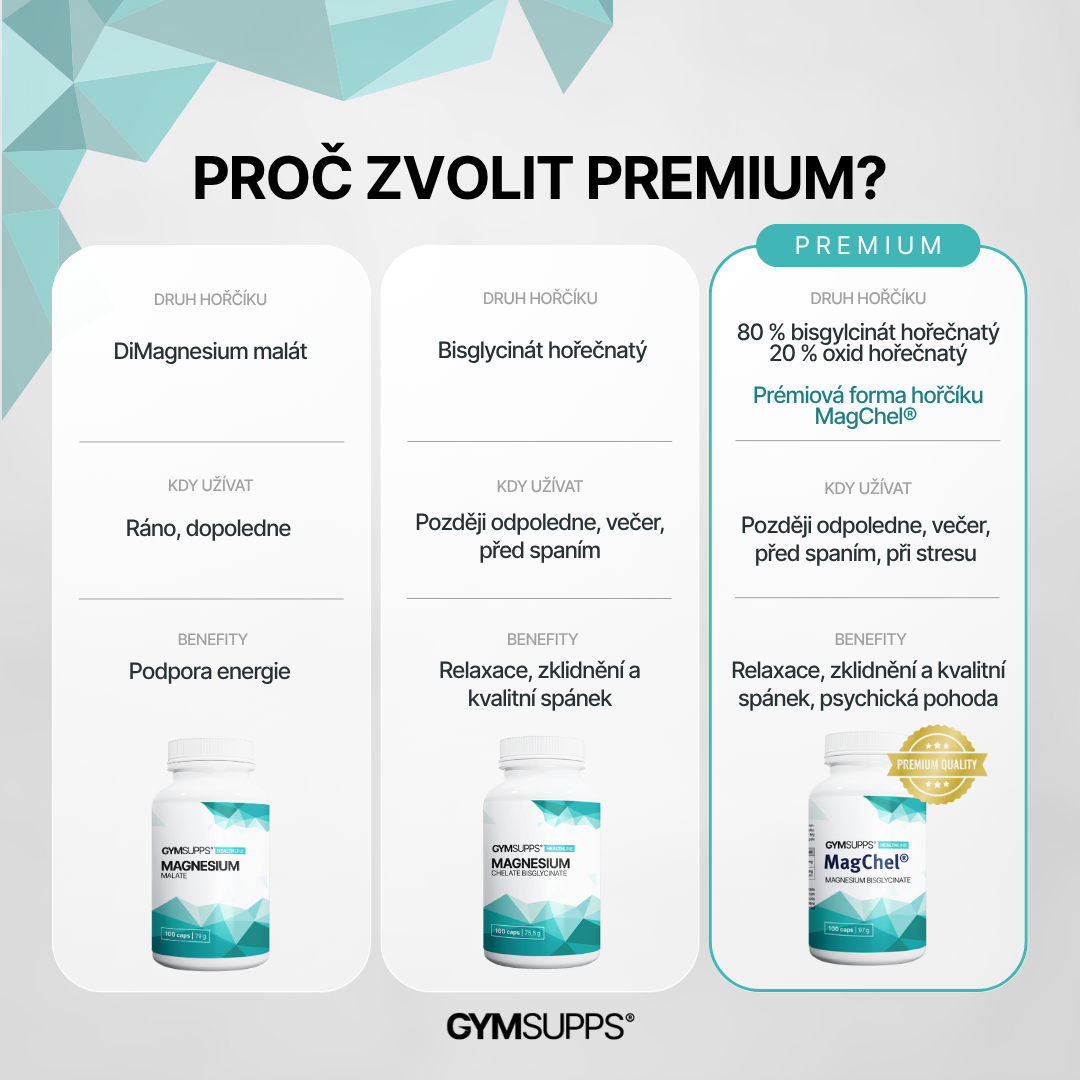
The best natural sources of magnesium are foods such as leafy greens (spinach), nuts (almonds, cashews), seeds (pumpkin, sunflower), legumes, avocados and dark chocolate. However, if diet is not enough or you have increased demands, supplementation comes in handy. There are many forms of magnesium(citrate, glycinate, malate, oxide) that differ in their absorption and effects. For example, citrate is well absorbed and can have mildly laxative effects, while glycinate is known for its digestive friendliness and calming effects.
.png)
Conclusion.
Magnesium is a true "master mineral" whose importance goes far beyond its reputation as a cure for cramps. It is the cornerstone of energy metabolism, muscle function, neural regulation, and recovery.5 For anyone who takes their training and health seriously, ensuring adequate magnesium intake is one of the smartest steps to support your body from within. It may not be the most attractive supplement on the shelf, but you'll feel its effects in every rep, every mile, and every restful night of recovery.
Recommended

GymSupps Magnesium Malate
Sources:
[1]Fawcett, W. J., Haxby, E. J., & Male, D. A. (1999). Magnesium: physiology and pharmacology. British journal of anaesthesia, 83(2), 302-320.[2]Yoo, H., Lee, S., & Ryu, J. (2023). Magnesium: properties and rich chemistry for new material synthesis and energy applications. Chemical Society reviews, 52(5), 1837-1853.[3]de Baaij, J. H., Hoenderop, J. G., & Bindels, R. J. (2015). Magnesium in man: implications for health and disease. Physiological reviews, 95(1), 1-46.[4]Guerrera, M. P., Volpe, S. L., & Mao, J. J. (2009). Therapeutic uses of magnesium. American family physician, 80(2), 157-162.[5]Fatima, T., Mahboob, U., & Iqbal, J. (2024). Magnesium Matters: A Comprehensive Review of Its Vital Role in Health and Diseases. Cureus, 16(10), e71392.
No posts have been made yet.