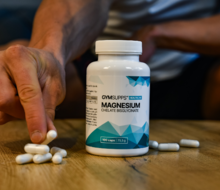
Magnesium and antidepressants
 Author:
 Depression and anxiety disorders are a major global health problem, affecting millions of people worldwide. Currently, standard treatment for these conditions is often based on pharmacotherapy, particularly antidepressants, and psychotherapy. However, the scientific community is continually seeking to explore complementary and alternative approaches that might increase the effectiveness of treatment or reduce its side effects. In this context, magnesium, an essential mineral that plays a key role in many physiological processes, including the function of the nervous system, is receiving increasing attention.
Therefore, the aim of this article is to review the current knowledge on the relationship between magnesium and antidepressants, its potential impact on mental health and its potential uses.
Article content:
- The importance of magnesium for human health
- Magnesium and depression: the direct effect
- Magnesium and antidepressants: current use and interactions
- Recommended forms of magnesium and dosages
Importance of magnesium for human health
Magnesium is the fourth most abundant mineral in the human body and is necessary for more than 300 enzymatic reactions. These reactions are involved in protein synthesis, muscle and nerve function, blood sugar and blood pressure regulation, and energy production. Magnesium is also critical for the structural integrity of bones and the synthesis of DNA and RNA. In the context of mental health, its involvement in neurotransmitter systems and modulation of neural excitability is important.
Magnesium deficiency, often referred to as hypomagnesaemia, can manifest itself in a wide range of symptoms, including muscle cramps, fatigue, cardiac arrhythmias, as well as psychological symptoms such as irritability, anxiety, apathy and depression. As the modern diet often does not provide sufficient magnesium, magnesium supplementation is the subject of intense research.
Magnesium and depression.
Many studies have focused on the direct effect of magnesium on symptoms of depression. Research in 2005 showed that magnesium can exert antidepressant and anxiolytic effects, even without the development of tolerance to these activities, suggesting its potential therapeutic benefit for humans.1 These findings are consistent with the hypothesis that magnesium may influence mechanisms relevant to the pathogenesis of depressive and anxiety disorders.
Other studies have confirmed the association between reduced magnesium levels and depression. Total and ionized calcium and magnesium levels were found to be significantly reduced in previously untreated depressed patients.2 These findings suggest that magnesium deficiency could be not only a symptom but also a contributing factor in the development of depression.
A placebo-controlled study that examined the effects of magnesium supplementation on unipolar depression yielded interesting results. It showed that magnesium supplementation can be effective in improving mood and alleviating depressive symptoms.3 Some sources even suggest that magnesium can help keep depression under control and in some cases has been shown to be more effective than traditional antidepressants, with positive effects seen in as little as two weeks and no adverse side effects.4
In the context of elderly patients with depression and type 2 diabetes who were found to have hypomagnesaemia, oral magnesium supplementation (in the form of magnesium chloride) was shown to be as effective as imipramine (a standard antidepressant) at a dose of 50 mg daily in a randomised, equivalent trial.5 This highlights the potential of magnesium as a therapeutic option, particularly in specific patient groups.

Magnesium and antidepressants: concomitant use and interactions
Given the proven effect of magnesium on mental health and the fact that many patients with depression exhibit magnesium deficiency, the question arises as to how magnesium interacts with antidepressants.
As previously mentioned, a study suggested that antidepressants may have a suppressive effect on magnesium levels.2 This finding is key, as it suggests that although antidepressants help to alleviate depressive symptoms, they may also contribute to magnesium depletion, which could potentially lead to worsening of some psychiatric symptoms or reduce the effectiveness of treatment. These findings have led to thoughts about the need to develop new antidepressants that simultaneously increase both calcium and magnesium levels.2
This suggests that if an individual is taking antidepressants, simultaneous magnesium supplementation should be considered. It is thought that magnesium may enhance the effect of antidepressants and contribute to better anxiety management.6 Some experts even recommend that patients taking antidepressants should automatically supplement magnesium.7
Recommended magnesium forms and dosages
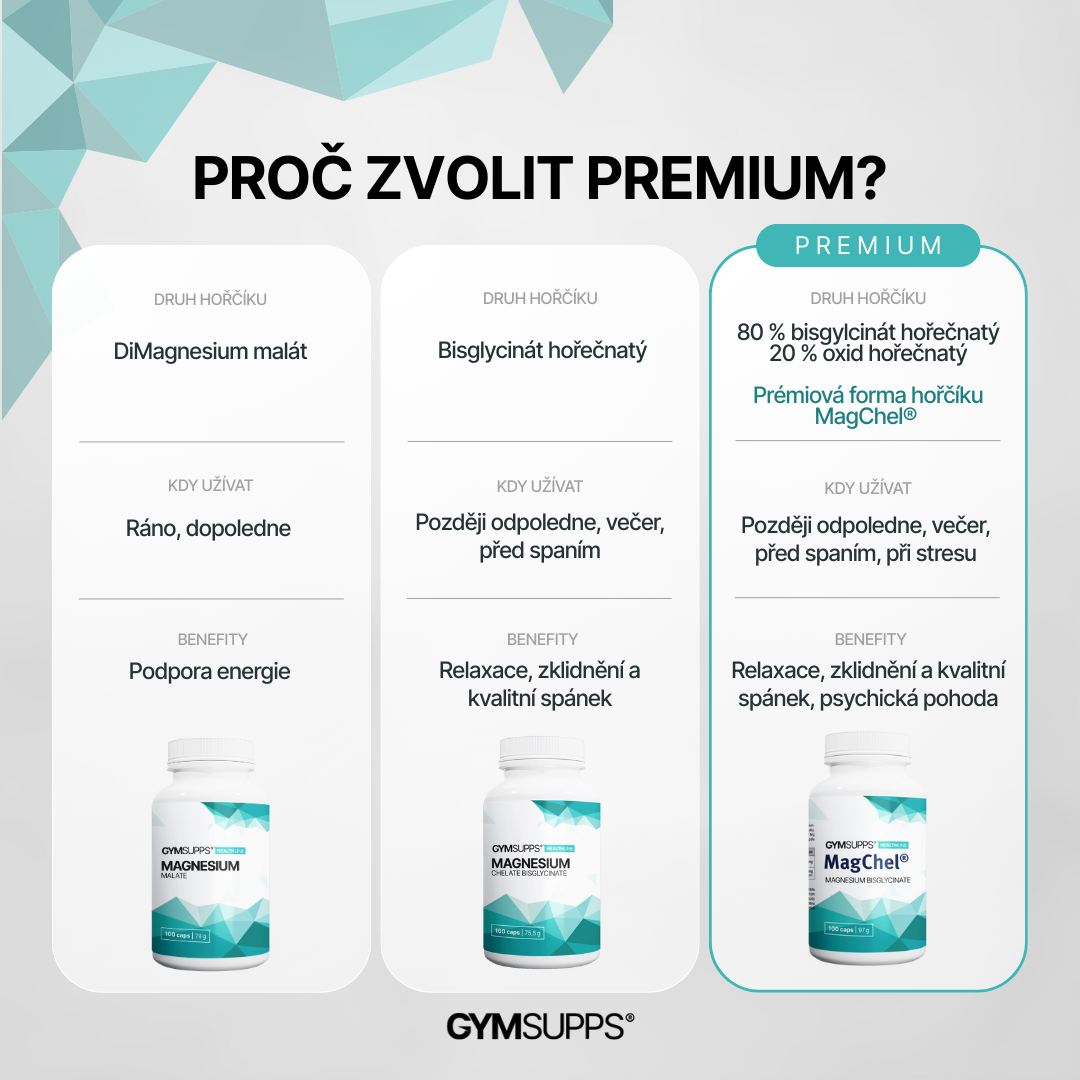
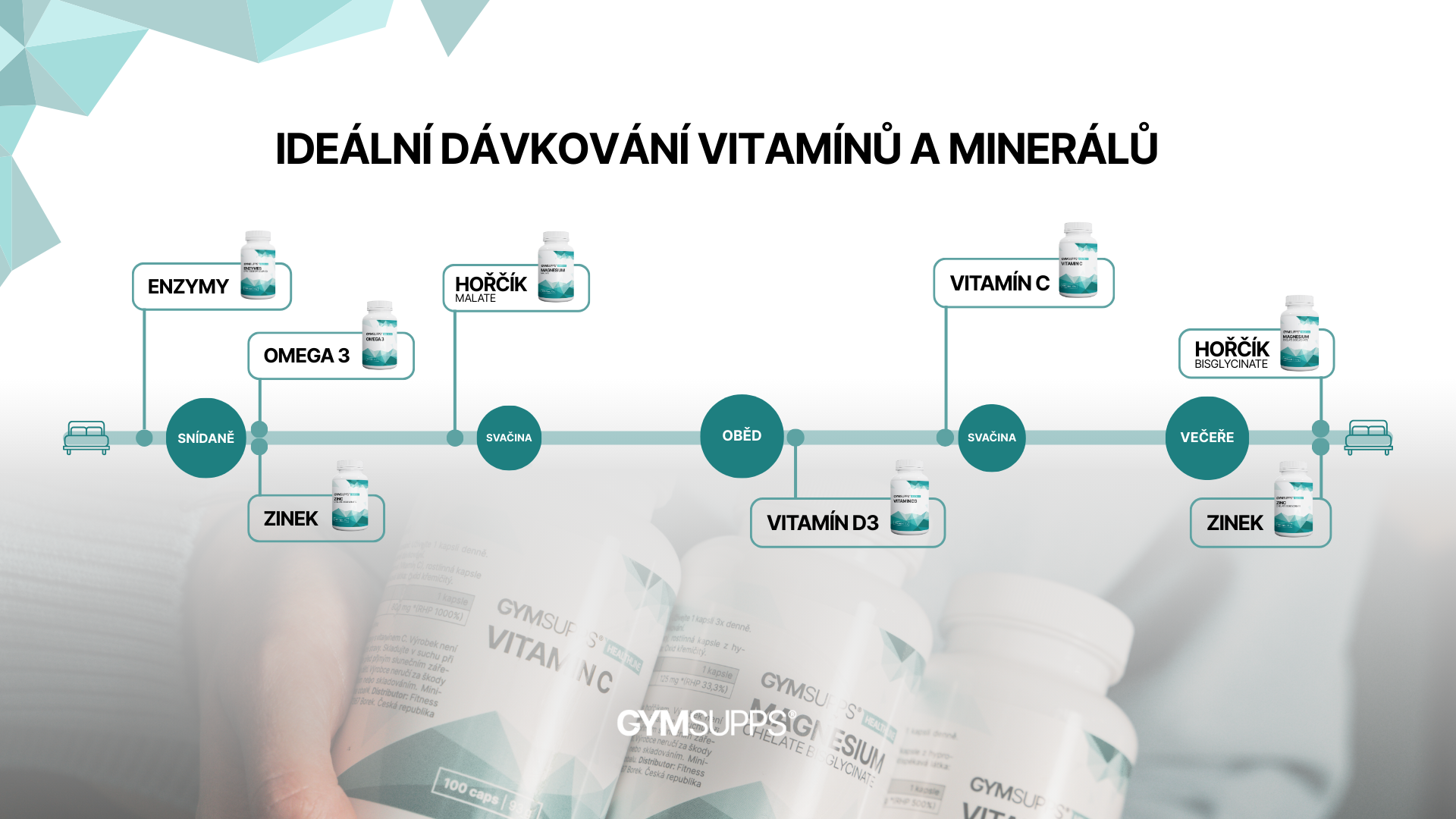
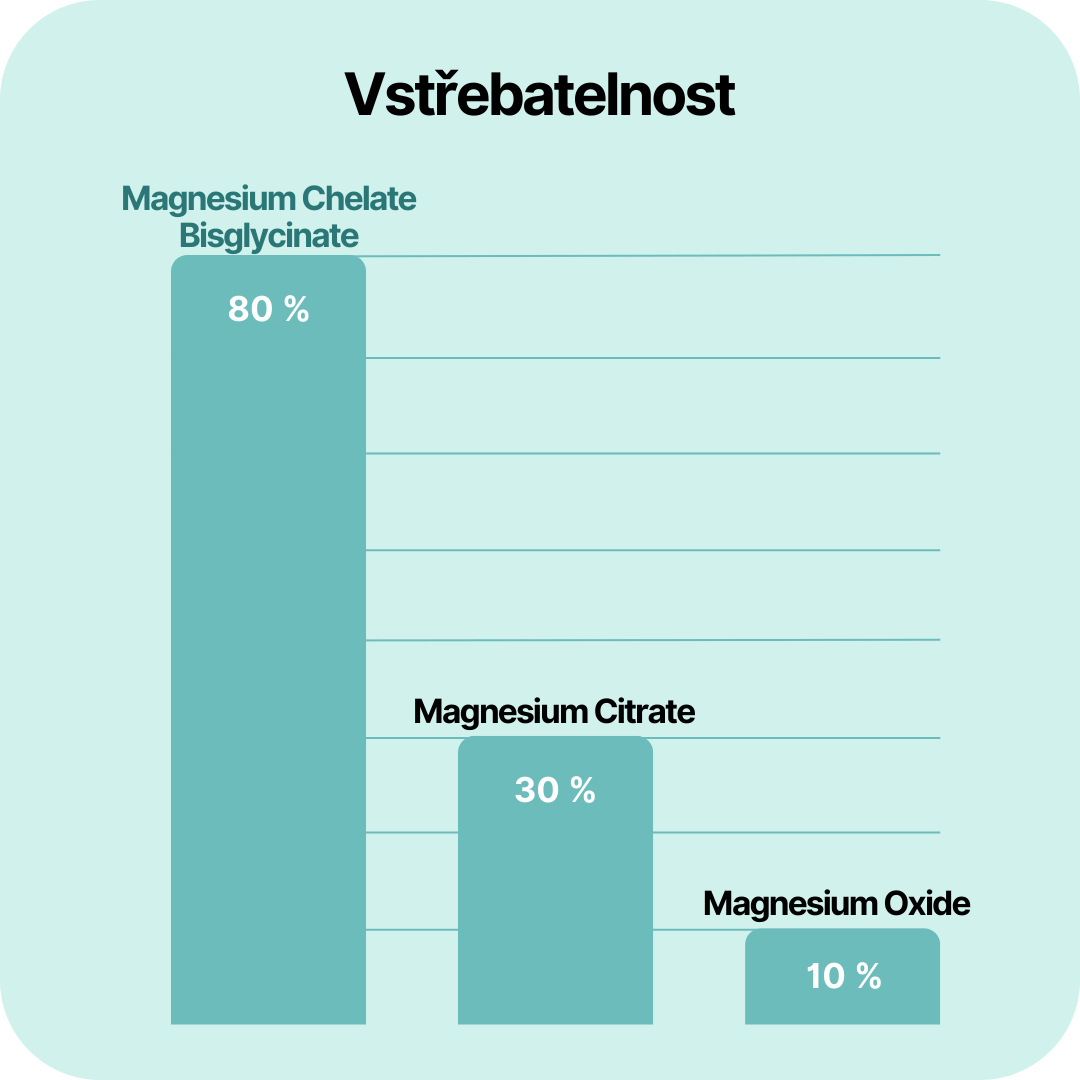
When choosing a magnesium supplement, it is important to focus on its form, as they vary in bioavailability and absorption. To support mental health and when taking antidepressants, organic forms of magnesium are often recommended as they are more readily used by the body:
- Magnesium Citrate: this form is well absorbed and often recommended for overall magnesium supplementation. It may be suitable for morning use.
- Magnesium Malate: Another well absorbed organic form that is also suitable for morning use as it is less prone to induce a laxative effect.
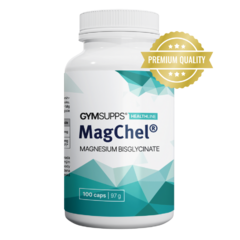
- Magnesium Bisglycinate: This form is highly bioavailable and is particularly recommended for evening use as it tends to have a calming and relaxing effect which may promote sleep. It is also less likely to cause digestive upset.
.png)
It is often recommended to combine magnesium with vitamin B6 to improve its absorption and use in the body.
Magnesium dosage should be individualized and depends on a number of factors, including the severity of the deficiency, diet and overall health. It is always essential to follow the recommended dosage listed on the supplement package and, above all, consult a doctor or pharmacist about magnesium supplementation, especially if you are taking antidepressants or other medications. A specialist can recommend the appropriate dosage and form of magnesium with regard to your specific health condition and drug interaction.
Conclusion
Magnesium represents a fascinating area of research in the context of mental health and depression treatment. Available data suggest that magnesium may have direct antidepressant and anxiolytic effects and that magnesium deficiency is often associated with depressive states. Importantly, the finding that antidepressants can affect magnesium levels in the body also highlights the potential importance of magnesium supplementation in drug therapy.
Although the results of the studies are promising, further extensive research is needed to more precisely define the optimal dosage, form of magnesium and its place in the comprehensive treatment of depressive and anxiety disorders. However, current evidence strongly supports the idea that magnesium could be a valuable adjunct to traditional therapeutic strategies, with minimal risk of adverse effects.
Consultation with a physician is always essential before starting any magnesium supplementation, especially when antidepressants are taken concurrently. Only a qualified health professional can provide individual recommendations and ensure the safety and effectiveness of the treatment.
Recommended

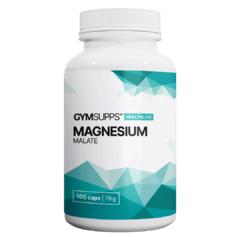
GymSupps Magnesium Malate
Sources:
- [1] Singewald, N., et al. (2004). Antidepressant- and anxiolytic-like activity of magnesium in mice. European Journal of Pharmacology, 506(1), 163-172.
- [2] Seifert, J., et al. (2019). Total and ionized calcium and magnesium are significantly lowered in drug-naive depressed patients: effects of antidepressants and associations with immune activation. Journal of Affective Disorders, 259, 11-19.
- [3] Tarleton, E. K., et al. (2017). Effects of Magnesium Supplementation on Unipolar Depression: A Placebo-Controlled Study and Review of the Importance of Dosage and Magnesium Status in the Therapeutic Response. Nutrients, 9(7), 703.
- [4] Flowee.com (2017). How to treat depression? Try this amazingly simple, affordable and effective way.
- [5] Rajizadeh, A., et al. (2012). Efficacy and safety of oral magnesium supplementation in the treatment of depression in the elderly with type 2 diabetes: a randomized, equivalent trial. Magnesium Research, 25(3), 127-132.
- [6] Hodycova, T. (2020). Magnesium and the prevention of anxiety.
- [9] ProLekare.cz. (2017). The supportive role of magnesium is significant in the treatment of depression.
No posts have been made yet.