





Magnesium in pregnancy and breastfeeding
 Author:
 Pregnancy and the subsequent period of breastfeeding represent an exceptional burden for the female organism, but also a period full of anticipation and joy. To ensure that everything goes smoothly and that both mother and baby are in the best possible condition, it is essential to ensure a balanced diet rich in all important nutrients. One absolutely key mineral whose importance increases dramatically during these sensitive stages of life is magnesium, also known as magnesium. This element is involved in hundreds of biochemical processes in the body and its sufficient intake is essential not only for overall health, but specifically for the wellbeing of pregnancy and for supporting the body during breastfeeding.
Why is magnesium so indispensable in pregnancy?
Magnesium supplementation could help reduce the risk of fetal growth restriction and pre-eclampsia, a serious condition characterised by high blood pressure and the presence of protein in the urine. A potential positive effect on increasing the birth weight of the newborn has also been reported.¹ Magnesium in pregnancy not only affects the current course of pregnancy, but also has a long-term impact on the health of the child through so-called fetal programming.² This means that conditions in the womb, including the availability of key nutrients such as magnesium, can "program" an individual's health for decades to come, affecting, for example, the risk of developing certain chronic diseases in adulthood.²
Magnesium is essential for fundamental biochemical functions such as protein synthesis (the building blocks of the body), proper mitochondrial function (the cell's powerhouses), optimal neuromuscular activity, healthy bone development and mineralization, and for the effective functioning of the immune system of both the mother and the developing fetus.²

Increased need for magnesium: So how much is enough?
It is logical that during the period when the female body is working at "full speed" and creating new life, the demands on the intake of certain nutrients increase. Magnesium is no exception. The recommended daily allowance (RDA) for magnesium for non-pregnant and non-lactating women is around 300-310 mg per day, but for pregnant women this rises to 350-400 mg per day. During breastfeeding, the need is also elevated, to 310-360 mg per day.² Clearly, magnesium supplementation for pregnant women and breastfeeding mothers should be a priority.
Magnesium deficiency, technically known as hypomagnesemia (defined as a serum magnesium level less than 1.8 mg/dL), is relatively common and can be associated with a variety of health risks.² In pregnancy, deficiency can contribute to fatigue, muscle cramps, as well as more serious complications.
Which magnesium to choose in pregnancy? Forms and supplementation
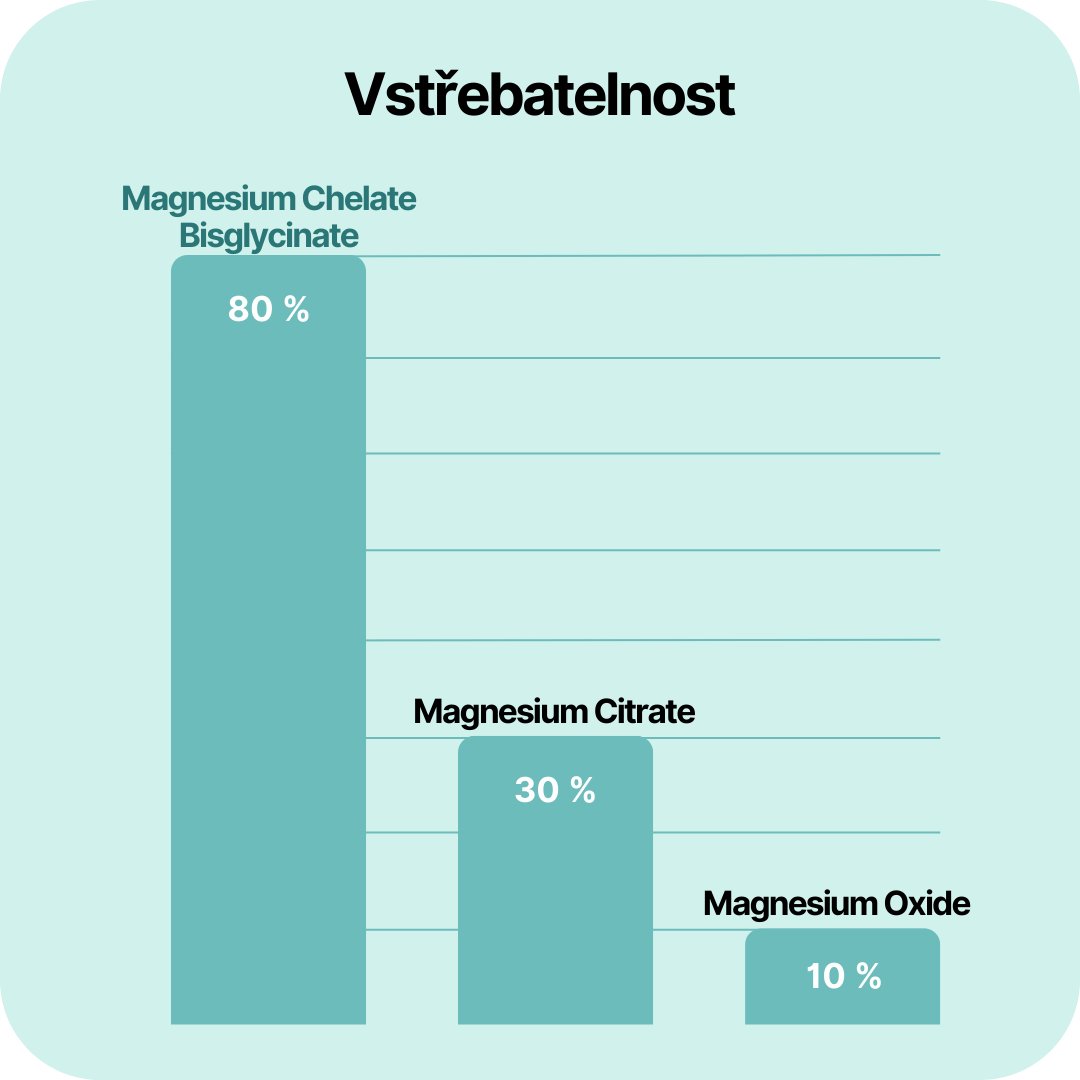
Different forms of magnesium, including magnesium oxide, magnesium citrate, magnesium gluconate, magnesium aspartate and magnesium stearate, have been used in clinical trials at different doses and at different stages of pregnancy.¹ Each form has different bioavailability (absorption) and may be tolerated differently. For example, magnesium oxide contains high amounts of elemental magnesium, but its absorption may be lower compared to organic forms such as citrate, which is generally considered to be well absorbed and tolerated.
.png)
It is important to emphasize that the available studies do not provide a clear recommendation for one particular "best" form of magnesium for all pregnant women. The choice of a particular dietary supplement and its dosage should always be discussed with the attending physician or pharmacist, who will take into account the individual needs, dietary habits and health of the pregnant woman.
It should also be noted that there is insufficient high-quality evidence to demonstrate unequivocally that routine dietary magnesium supplementation (i.e. the blanket administration of supplements to all pregnant women) is universally beneficial for all.¹ This does not, however, diminish the importance of ensuring adequate magnesium intake, either through diet or, in consultation with a physician, through targeted supplementation when indicated.

Magnesium in breastfeeding: let's not forget about it even after childbirth
The need to ensure sufficient nutrient intake does not end with the birth of the baby. On the contrary, magnesium continues to play a key role during breastfeeding. The recommended daily allowance of magnesium for breastfeeding mothers is still higher than for non-pregnant women (310-360 mg/day).² This increased requirement is related to the production of breast milk, which is the main source of nutrients, including magnesium, for the newborn. Adequate maternal magnesium intake thus contributes not only to the mother's own postnatal recovery and to meeting the energy requirements associated with caring for the baby and lactation, but also to ensuring optimal levels of this mineral in breast milk for the healthy growth and development of the baby.
Magnesium supplementation: when to start and when to stop magnesium in pregnancy?
Studies show that supplementation in different clinical trials started at different stages of pregnancy - some as early as the first trimester, others later - and often continued until delivery.¹
Decisions about the initiation, dosage, and eventual discontinuation of magnesium must take into account many factors, including the pregnant woman's diet, her health status, and the presence of risk factors for magnesium deficiency or for the development of complications that magnesium could prevent. The doctor will also consider possible interactions with other medications or supplements. In general, if a doctor recommends supplementation, it is important to follow his or her instructions. Sometimes discontinuation of certain supplements may be recommended before the planned delivery date, but this is always an individual decision.

It should be noted that one study noted a possible increased incidence of neonatal mortality before hospital discharge in one of the groups studied, in babies of mothers who received magnesium. However, the authors of the study themselves cautioned that this result should be interpreted with caution, as it was likely influenced by other factors, such as a higher incidence of severe birth defects (which is unlikely to be attributable to magnesium) and the deaths of two pairs of extremely low birth weight twins in the supplemented group.¹ This isolated finding should not invalidate the potential benefits of magnesium supplementation if medically justified and properly managed.
Conclusion: magnesium as a partner for healthy pregnancy and breastfeeding
Adequate magnesium intake is undeniably essential for maternal health and optimal child development during pregnancy and lactation. This mineral is involved in countless bodily functions and its increased need during these life stages should not be underestimated. Always remember that any questions regarding your health, diet and the use of dietary supplements during pregnancy and breastfeeding should be discussed with your doctor!
Recommended

Reflex Albion Magnesium
Prom-in 100% Magnesium Bisglycinate


Sources:
- 1) Zarean, E., & Tarjan, A. (2019). Magnesium supplementation in pregnancy. Journal of research in medical sciences : the official journal of Isfahan University of Medical Sciences, 22, 64.
- 2) Fiore, M., Ciafrè, S., Trovato, F. M., Gagliano, C., Tiradritti, M., Foti, P., & Lanzafame, F. (2021). The Role of Magnesium in Pregnancy and in Fetal Programming of Adult Diseases. Nutrients, 13(8), 2883.
No posts have been made yet.








