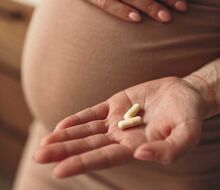
Vitamin D in pregnancy and breastfeeding
 Author:
 The period of pregnancy and the subsequent phase of breastfeeding represent a stage of extraordinary physiological and biochemical reconfiguration in the life of a woman and, consequently, of the whole newly forming family. The mother's body undergoes a cascade of adaptations, the primary aim of which is to support the growth and development of the foetus and then to provide optimal nutrition for the infant. During this period, vitamin D, often referred to as the "sunshine vitamin" for its unique ability to be synthesized in the skin under the influence of sunlight, plays an absolutely pivotal role. Its functions go far beyond simply regulating calcium and phosphorus metabolism and bone strength; it is involved in immune responses, cell division and differentiation, and many other processes essential for healthy pregnancy and early postnatal development.
Although the importance of vitamin D in the context of reproductive health and paediatrics is becoming the subject of increasing scientific research, practice reveals surprising and somewhat paradoxical facts, especially when it comes to ensuring adequate supply to the breastfed infant through breast milk.
Article content:
- Unique dynamics in pregnancy
- The breast milk paradox: Ideal nutrition with deficiency?
- Why is the vitamin D content of breast milk so low?
- Maternal supplementation: the path to sufficiency for the baby?
- The prevalence of deficiency and potential consequences
- Current recommendations and the way forward
Unique dynamics in pregnancy
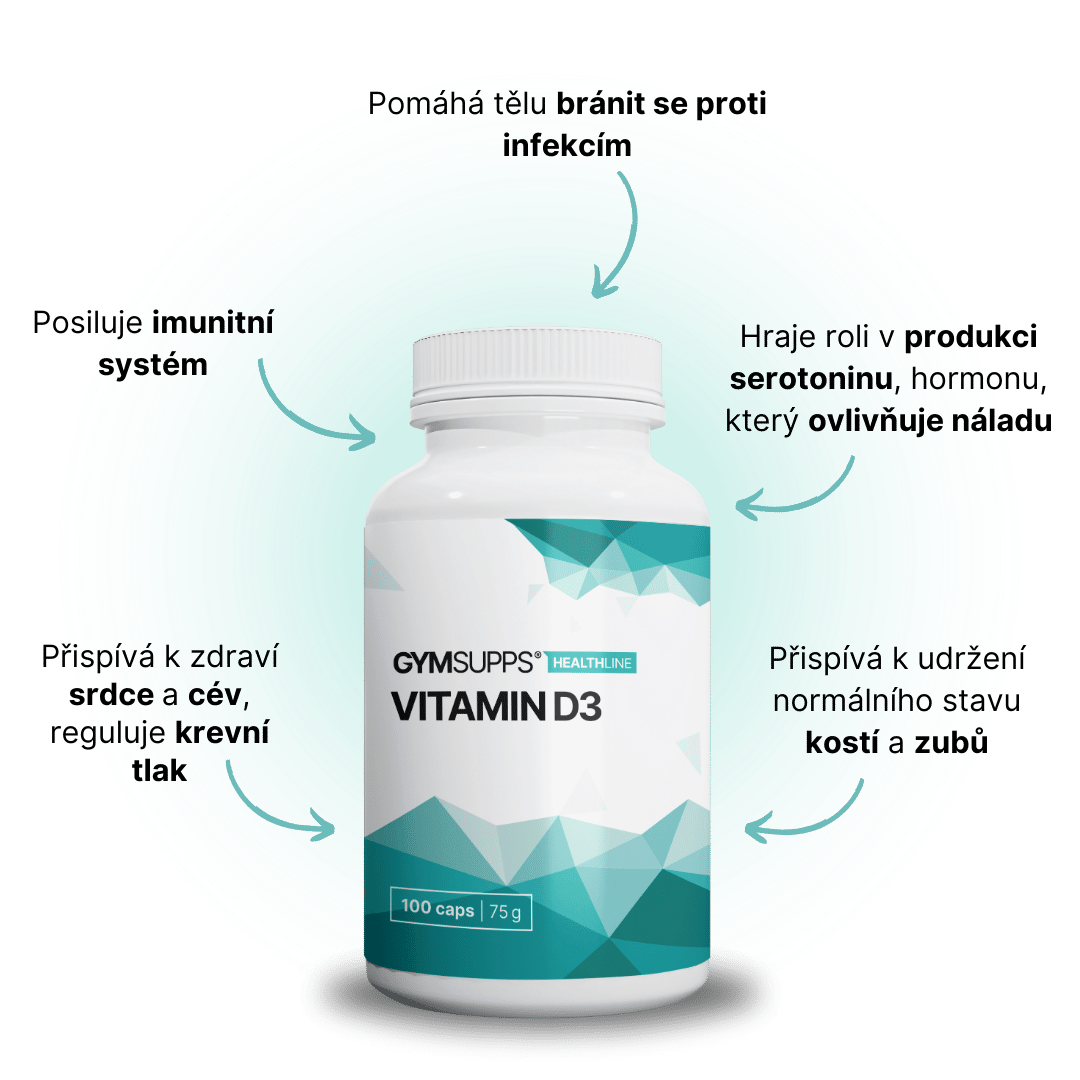
During pregnancy, vitamin D metabolism undergoes extraordinary changes, according to available evidence. This "extraordinary metabolism" is a logical consequence of increased calcium and phosphorus requirements for the forming fetal skeleton, as well as other demands associated with placental transport and support for tissue growth. The maternal body must effectively mobilise and transport sufficient amounts of these minerals, for which an optimised level of the active form of vitamin D is essential. Understanding these specific adaptive mechanisms is key to understanding the overall vitamin D balance during this sensitive period.
.png)
The breast milk paradox: ideal nutrition with deficiency?
Breast milk is widely and justifiably considered the most nutritionally complete and appropriate food for infants in the first six months of life. Its composition is dynamic and adapts to the changing needs of the growing baby. However, it is in the context of vitamin D that we encounter a striking paradox. For all its excellence, the vitamin D content of human breast milk is consistently described as low and clearly insufficient to achieve the recommended daily intake of 400 IU for infants.2 This means that even exclusively breastfed infants, whose diets should by definition be optimal, may be at risk of vitamin D deficiency if they rely solely on breast milk intake.
Why is the vitamin D content of breast milk so low?
Low vitamin D content in breast milk is not accidental and is related to several factors. One key aspect is the relationship between the levels of vitamin D in the mother's blood and its concentration in the milk. Studies suggest that milk levels of vitamin D and its main circulating metabolite, 25-OH-vitamin D, represent only 10% to 20% and 1% to 2% of maternal blood levels, respectively.1 This means that even with good maternal blood levels, relatively small amounts of vitamin D enter the milk.
However, the concentration of vitamin D in milk is influential. As the mother's blood vitamin D levels increase, whether due to increased sun exposure or higher dietary intake/supplementation, the vitamin D content of milk also increases.1 This suggests a direct link between the mother's vitamin D status and the amount available to the infant through milk.
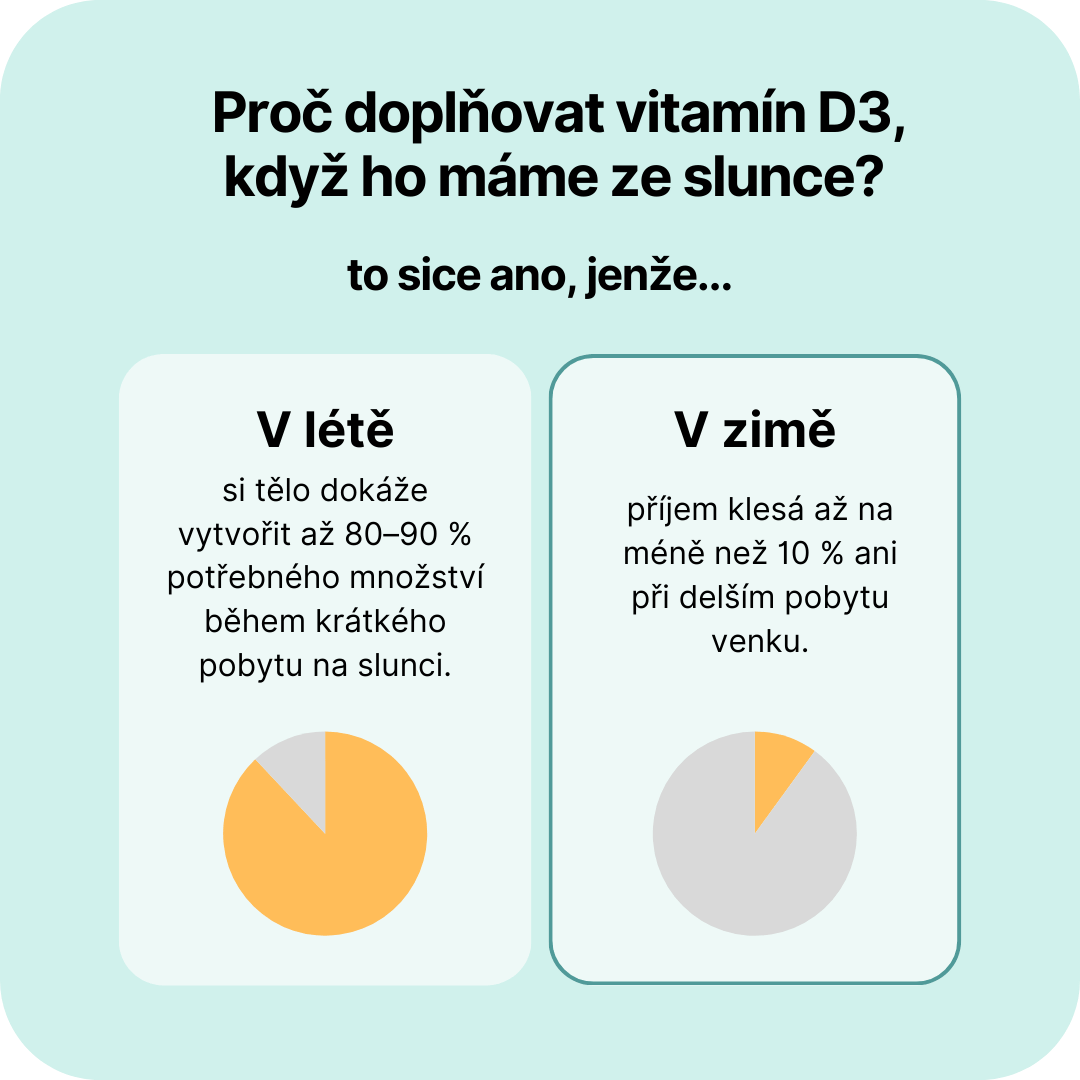
It seems likely that low vitamin D content in human breast milk is closely linked to active changes in modern human lifestyle, particularly reduced exposure to sunlight.2 Since sunlight is the primary and most effective source of vitamin D for the majority of the population, limitations in outdoor exposure and the use of sunscreens lead to lower synthesis of vitamin D in the mother's skin, which in turn is reflected in lower levels in the blood and consequently in the milk.

Maternal supplementation: vitamin d3 in pregnancy
Given the low natural content of vitamin D in breast milk, the question arises whether maternal supplementation can provide adequate vitamin D for the infant. According to the available evidence, daily supplementation with maternal vitamin D2 or D3 in the commonly recommended range of 10 to 50 mcg (400 to 2 000 IU) does affect milk levels, but the concentrations produced are still considered insufficient to meet the daily requirements of a solely breastfed infant. What's more, these doses of maternal supplementation are not even sufficient to correct pre-existing vitamin D deficiency in the infant through breastfeeding alone.1
Research is therefore focusing on higher doses of maternal supplementation and their impact on milk vitamin D concentrations. For example, a study involving eighteen breastfeeding mothers with vitamin D deficiency who were given 4000 IU of vitamin D per day reported average milk levels of approximately 130 IU/L after 3 months of supplementation.1 In another study where mothers took 6400 IU per day, average milk levels gradually increased from a baseline of 82.4 IU/L to 624.5 IU/L after 6 months.1 There was also a case of a mother taking 100,000 IU of vitamin D2 per day (for other health reasons) for a prolonged period during pregnancy and lactation, in which the antirachitic activity of breast milk 14 days after delivery reached 6,700 IU/L.1 These examples suggest that significantly higher doses of maternal supplementation can lead to substantially higher concentrations of vitamin D in milk, potentially approaching the needs of the infant, but the practice of commonly recommended doses differs from these experimental or exceptional scenarios.
.png)
Prevalence of deficiency and potential consequences
The low vitamin D content of breast milk and the factors mentioned above contribute to the fact that hypovitaminosis D, or vitamin D deficiency, is a real problem in pregnant and lactating mothers.2 The prevalence of this deficiency has been analyzed in the literature and its existence has potential consequences for both the mother and the fetus or infant.2 While a detailed enumeration of these consequences would go beyond direct inference from the snippets provided, the mere mention of their analysis in peer-reviewed studies underscores the seriousness of the issue and the need to address it.
Current recommendations and the way forward
In response to the findings of low vitamin D in breast milk and the prevalence of maternal deficiency, there are currently recommendations for vitamin D supplementation in pregnant women, breastfeeding mothers and infants themselves to prevent hypovitaminosis D, particularly in breastfed infants. These guidelines are detailed in the literature and represent a key tool for clinical practice to protect the most vulnerable populations from the risks associated with vitamin D deficiency.2
In conclusion, although breast milk is unquestionably the optimal nutrition for infants, it represents an area requiring increased attention in the context of vitamin D. The low natural vitamin D content of milk, influenced by the mother's vitamin D status, her sun exposure and other factors, means that exclusively breastfed infants are at risk of deficiency. The current research findings at NCBI, although brief in the form provided, clearly illustrate this problem and point to the need to consider supplementation not only for children but also for mothers, perhaps at higher doses than previously standard recommendations, in order to achieve a meaningful increase in milk vitamin D levels. Thus, caring for adequate maternal vitamin D status before, during and after pregnancy is an essential part of comprehensive maternal and child health care.
If you are considering vitamin D supplementation during pregnancy or breastfeeding, it is definitely essential to contact your doctor and discuss this consideration with them!
Recommended

GymSupps Vitamin D3
Vitamin D3 100cps 1+1
Source:
- 1) Vitamin D - Drugs and Lactation Database (LactMed®) - NCBI Bookshelf
- 2) Pregnancy, Breastfeeding, and Vitamin D - PubMed (Int J Mol Sci. 2023 Jul 25;24(15):11881. doi: 10.3390/ijms241511881
No posts have been made yet.