Fish oil in pregnancy
 Author:
 Nowadays, we are more and more often meeting enthusiastic moms who want to provide their children and themselves with the best quality nutrients. One of the supplements that is coming to the forefront not only in health but also fitness is fish oil. This natural product, rich in omega-3 fatty acids, plays a vital role in supporting the immune system, heart health, brain function and even affects skin quality. Moreover, in pregnancy, it turns out that proper fish oil supplementation can have a number of benefits for both mother and future baby. In the following article, we'll dive into the scientific studies to explore in detail how fish oil works in pregnancy, what benefits it has, and what to look out for.
Article Content:
- Introduction to fish oil and its importance
- Key benefits of fish oil in pregnancy
- How and when to take fish oil in pregnancy?
- Tips for safe use
- Scientific studies and evidence
- Practical tips for using fish oil in pregnancy
An introduction to fish oil and its importance
Fish oil is an extract derived from oily fish such as salmon, mackerel, sardines and herring and is an important source of essential omega-3 fatty acids - particularly eicosapentaenoic acid (EPA) and docosahexaenoic acid (DHA). These substances are not just a fashionable addition to the diet, but are essential building blocks for a number of biologically important processes. In the fitness world, it is said that "energy is born from omega-3s," and it is these slogans that resonate with pregnant women, where every drop replenishes not only macronutrients but also the "perfect mix" for fetal growth and development.
Scientific studies confirm that omega-3 fatty acids support immune function, improve cardiovascular health and boost cognitive function, which is essential for both mother and baby. In addition, due to their anti-inflammatory properties, omega-3s may help to better manage stress and inflammation, which are quite common during pregnancy.1
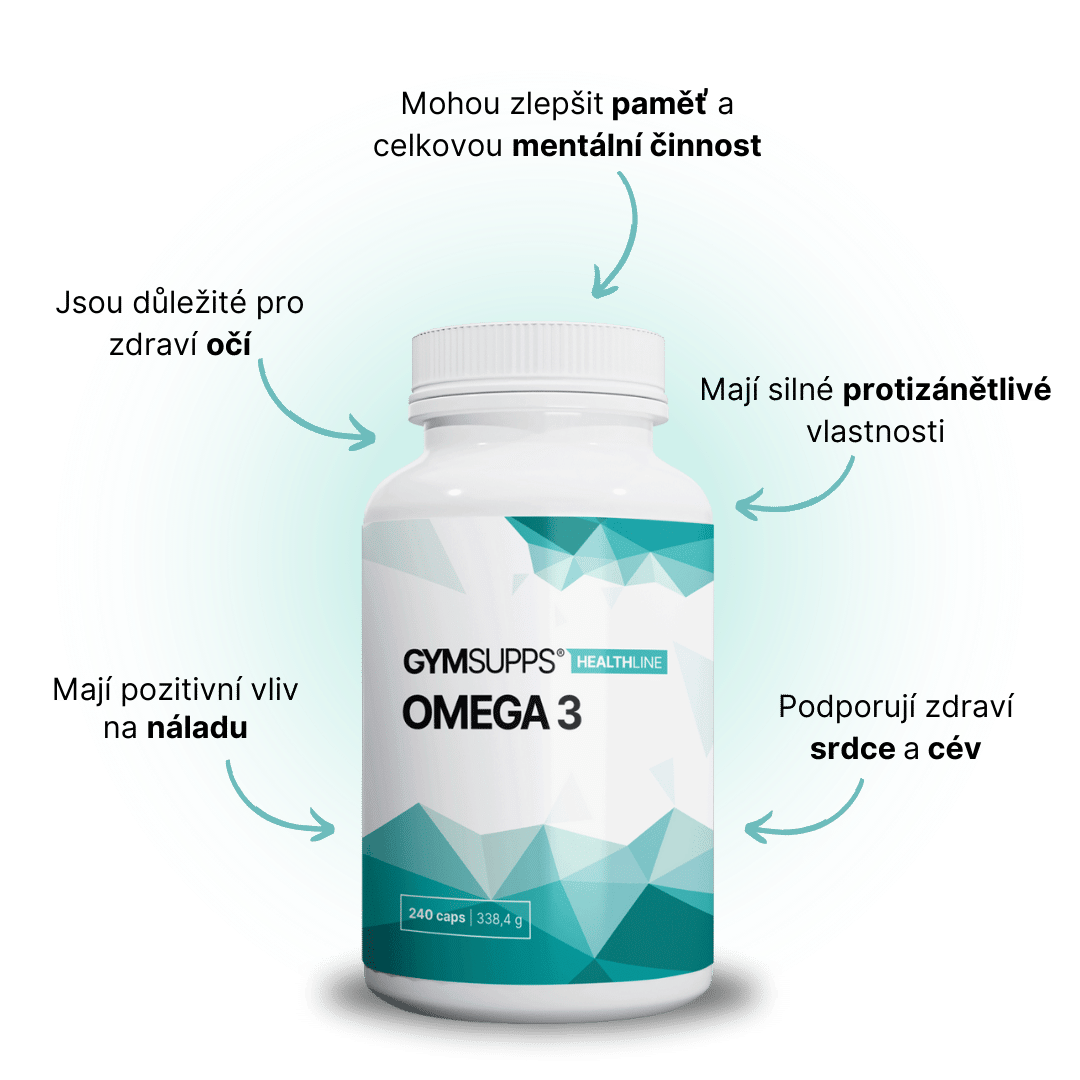

Key benefits of fish oil in pregnancy
a) Supporting fetal brain and eye development
One of the most important benefits of fish oil is its positive effect on fetal brain and eye development. DHA is essential for the proper development of the nervous system and retina. Studies have shown that adequate levels of DHA in a pregnant woman's body are associated with better cognitive outcomes in the child, not only in early childhood but also in later years. For moms who want to give their children the best possible start in life, a DHA-rich supplement is absolutely crucial.2
b) Anti-inflammatory effects
Pregnancy is a time when the immune system undergoes major changes. Omega-3 fatty acids, especially EPA, have a strong anti-inflammatory effect and help reduce the risk of inflammatory diseases. This ability is particularly useful in preventing and relieving symptoms such as swelling or joint pain, which can be very uncomfortable during pregnancy. A balanced inflammatory state contributes not only to the comfort of the mother, but also to better fetal development.
c) Supporting the immune system
During pregnancy, the mother's immune system is specifically modified to protect the fetus. Omega-3 fatty acids are known for their ability to modulate the immune response and increase the body's defences. This can contribute significantly to preventing infections and promoting overall health, which is absolutely essential for pregnancy.
d) Improving cardiovascular health
The cardiovascular system undergoes many changes during pregnancy and is subjected to increased stress. Fish oil helps to maintain healthy blood pressure and reduces the risk of cardiovascular complications due to its effect on lowering triglyceride levels and improving overall circulation. This is particularly important for pregnant women, who are at increased risk of hypertension and other heart diseases.3
e) Promoting hormonal balance
Omega-3 fatty acids may also play a role in maintaining hormonal balance, which is crucial for mood stability and overall mental state during pregnancy. A balanced hormonal environment helps the mother better cope with the mental and physical demands of this period.
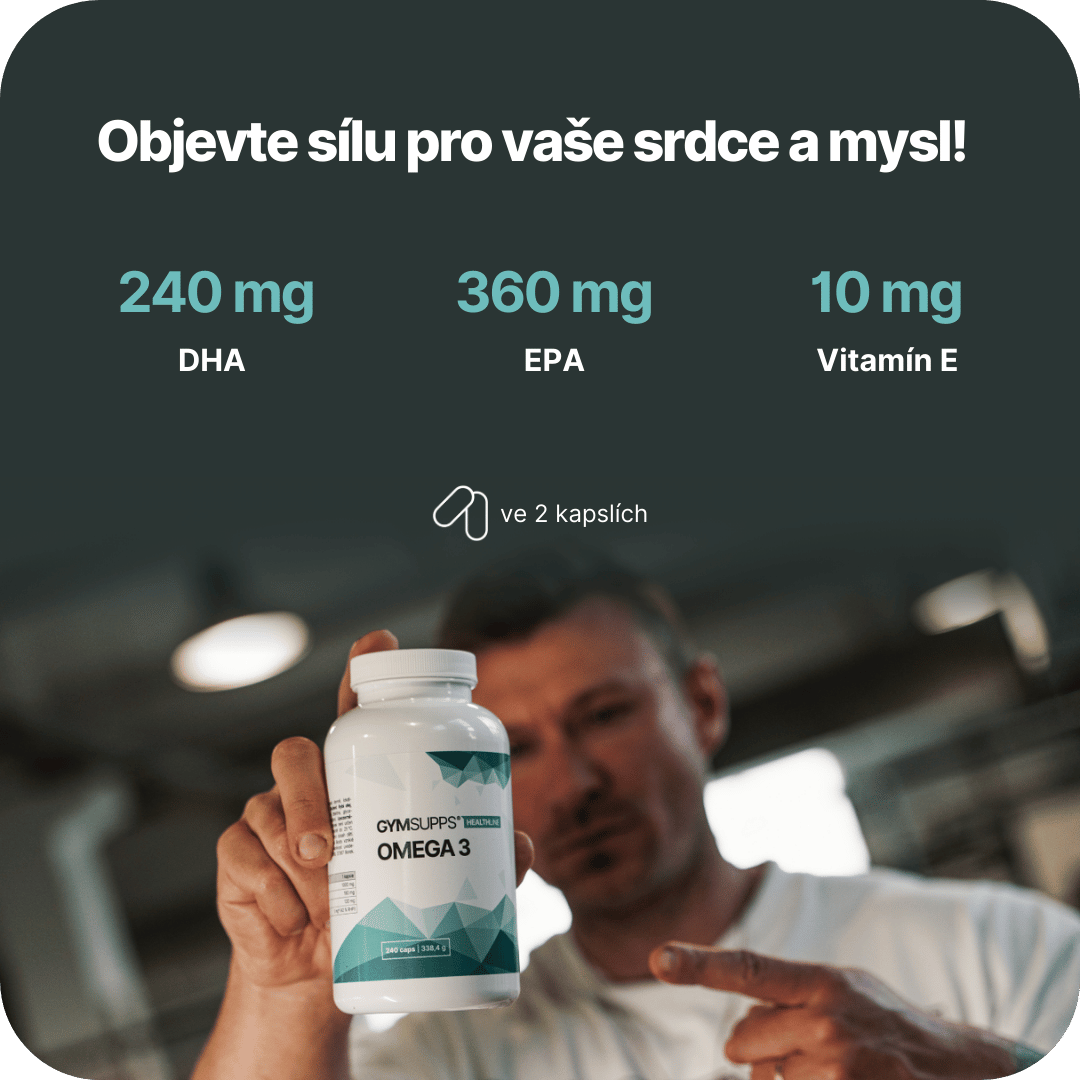
How and when to take fish oil (fat) in pregnancy?
Ideal timing and dosage
It is recommended that pregnant women begin fish oil supplementation in the early stages of pregnancy to ensure that the fetus develops optimal levels of DHA and EPA. In general, it is recommended to take a daily dose that ranges between 500-2000 mg of omega-3 fatty acids, and the specific amount should be consulted with a gynaecologist or nutritionist. Taking fish oil with food, ideally with nutritious fats, promotes its absorption and overall bioavailability.4
Supplementation vs. diet
Although some foods, such as oily fish (salmon, mackerel), are rich sources of omega-3s, in the real world pregnant women may not consume these foods regularly because of concerns about high mercury levels. Therefore, supplementation is a way to ensure that the body gets the necessary amount of these beneficial fats without compromising health. Many studies confirm that daily fish oil supplementation is safe and effective for maintaining optimal levels of omega-3 fatty acids during pregnancy.4,5

Advice for safe use
Consultation with an expert
Pregnant women should consult their doctor before starting fish oil supplementation! Individual needs may vary, so it is important to adjust dosages based on blood tests and personal needs.
Quality of the supplement
Choose products that contain high quality, high purity fish oil with low mercury content. Certified products often ensure that the ingredients are sustainably sourced and that the manufacturing processes meet strict quality standards.
Monitoring side effects
Although fish oil supplementation is generally safe, some individuals may experience indigestion or mild vomiting. If unpleasant symptoms occur, it is advisable to adjust the dosage or consult a specialist.

Scientific studies and evidence
Research on the use of omega-3 fatty acids during pregnancy has produced interesting results:
- Importance for fetal development: a study published in the journal Nutrients showed that DHA supplementation in pregnant women improves cognitive development in children, highlighting the importance of fish oil for brain and eye development.1
- Anti-inflammatory effect: Further research confirms that omega-3 fatty acids have a strong anti-inflammatory effect, which may reduce inflammatory processes and promote a better immune response in pregnant women.2
- Cardiovascular benefits: studies in the Journal of Clinical Lipidology suggest that fish oil supplementation leads to lower triglyceride levels and improved cardiovascular function, which is particularly important in pregnancy.3
- Safety Profile: Clinical studies confirm that daily supplementation with fish oil at doses equivalent to the recommended daily allowance is safe, does not lead to an increase in mercury in the body, and does not cause any serious side effects if proper procedures are followed.4
- Meta-analysis of effects: pooled data from meta-analyses highlight that omega-3 supplementation can lead to modest improvements in immune function and reductions in inflammatory markers, contributing to better overall health in pregnant women.5
Practical tips for using fish oil in pregnancy
- Start early: If you are pregnant, start regular fish oil supplementation in the early stages of pregnancy to ensure the fetus gets enough DHA and EPA.
- Consume with meals: Take fish oil along with a balanced meal, ideally with some healthy fats to increase its absorption.
- Monitor your body: If you experience indigestion or other unpleasant symptoms, adjust your dose or consult your doctor.
- Pay attention to quality: Choose certified low-mercury products with an emphasis on purity and sustainability.
- Regular inspections: Have your omega-3 fatty acid and vitamin D levels measured regularly to make sure your supplementation is paying off and meeting your needs.
- Combine with natural sources: Also use natural sources of omega-3s, such as oily fish and flax seeds, to boost your overall intake of these beneficial fats.
Conclusion
Fish oil in pregnancy has become a key supplement for modern moms who want to give their babies the best start in life while taking care of their own health. Omega-3 fatty acids, especially DHA and EPA, are essential for the development of the brain, eyes and overall immune system of the fetus. In addition, their anti-inflammatory effects help keep pregnant women in better shape and reduce the risk of complications during pregnancy.
Thanks to a number of scientific studies, it is clear that regular fish oil supplementation can provide significant benefits. It is not only about improving physical health, but also about promoting overall vitality, which is crucial for balanced and harmonious fetal development and for the comfort of the mother. Remember that proper dosage, quality products and combination with a balanced diet are the basis for successful supplementation.
Invest in your health and well-being with fish oil - a product that can have a long-term positive impact on your life and the life of your baby. Be sure to consult a supplementation doctor to ensure that the supplement suits you and that all safety guidelines are followed. When you take care to optimize your omega-3 levels, you are investing in a future in which the joy of pregnancy and your baby's health never passes.
Recommended

VitaHarmony Rybí olej
MedPharma Rybí olej

GymSupps Omega 3

Omega 3 240cps 1+1
Links to studies
- 1) Holick, M.F. (2007). Vitamin D deficiency. New England Journal of Medicine.
- 2) Oken, E., et al. (2008). Association of maternal fish intake during pregnancy with fetal growth and preterm birth: A prospective cohort study. American Journal of Epidemiology.
- 3) Carlson, S.E., et al. (2009). DHA supplementation during pregnancy and infant DHA status: A randomized, controlled trial. Journal of Pediatrics.
- 4) Innis, S.M. (2007). Dietary (n-3) fatty acids and brain development. The Journal of Nutrition.
- 5) Makrides, M., et al. (2010). Omega-3 fatty acid supplementation during pregnancy: A randomized controlled trial. Journal of the American Medical Association.
No posts have been made yet.