





Supplementation in pregnancy: what is important and what is unnecessary?
 Author:
 Pregnancy is undoubtedly one of the most beautiful and at the same time most challenging periods in a woman's life. A balanced diet with a sufficient content of various nutrients is one of the basic prerequisites for a properly developing, growing and healthy baby. The energy requirements of the body in terms of the intake of essential macronutrients are therefore logically increasing during this period, but there are also several micronutrients that play an absolutely essential role in the health of the baby and it is important to ensure that they are sufficiently supplied. Which nutrients should expectant mothers not forget and which should be avoided during pregnancy?
Content:
- Theoretical window - what nutrients are important during pregnancy?
- Whatthe symptoms of nutrient deficiencies in pregnancy?
- What supplements are safe to take during pregnancy?
- What is best to avoid during pregnancy?
- What to take away from this article?
Theoretical window - what nutrients are important during pregnancy?
Individuality should be the basic parameter of any diet. There are no two people in the world who have exactly the same needs, and therefore there are very few universally applicable recommendations in the context of nutrition. And in pregnancy, the emphasis on individuality and one's own intuition applies doubly. Every expectant mother copes with pregnancy differently. Some women experience severe nausea that allows them to consume only a limited range of foods.
Other women struggle with strong cravings - sometimes for sweets, sometimes for special combinations of foods that they would not normally want to eat. And then there are the "lucky" women who, apart from needing a slightly higher calorie intake, don't really experience any special changes. And all of these conditions are fine.
Every woman should make sure that her body has enough energy, not only for its normal functioning, but also to nourish the baby. Pregnant women should therefore avoid caloric deficit - especially the targeted one. Many women fear that their weight will increase too much during pregnancy and will have trouble shedding the extra pounds. It should be noted, however, that a calorie deficit or the absence of certain nutrients can have fatal consequences for the baby's development and is definitely not worth the gamble.
Pregnant women should limit caffeine, alcohol, not smoke and be cautious with the consumption of herbal teas. Although herbs are normally a very desirable part of the diet, they can cause all sorts of problems in pregnancy.
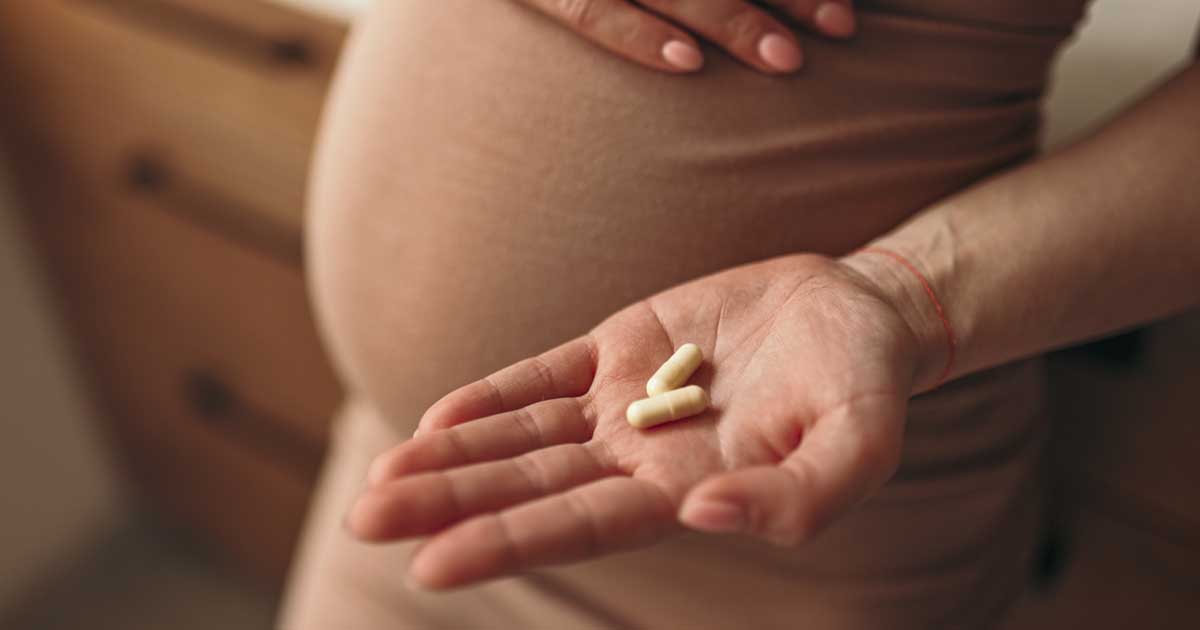
During pregnancy, the body's requirements for intake of essential macronutrients, i.e. proteins, carbohydrates and fats, increase and it is perfectly fine to indulge in them. A balanced diet based on eating foods in their most natural form should therefore be the basis.
The body's requirements for micronutrients, which include vitamins, minerals and trace elements, are also increasing even more. While some women are able to meet this growing need through a well-formulated and maximally varied diet, for others it can be a real challenge. Some micronutrients are recommended as preventative supplements - such supplements include folic acid or a multivitamin complex for pregnancy (also known as a prenatal vitamin mix).
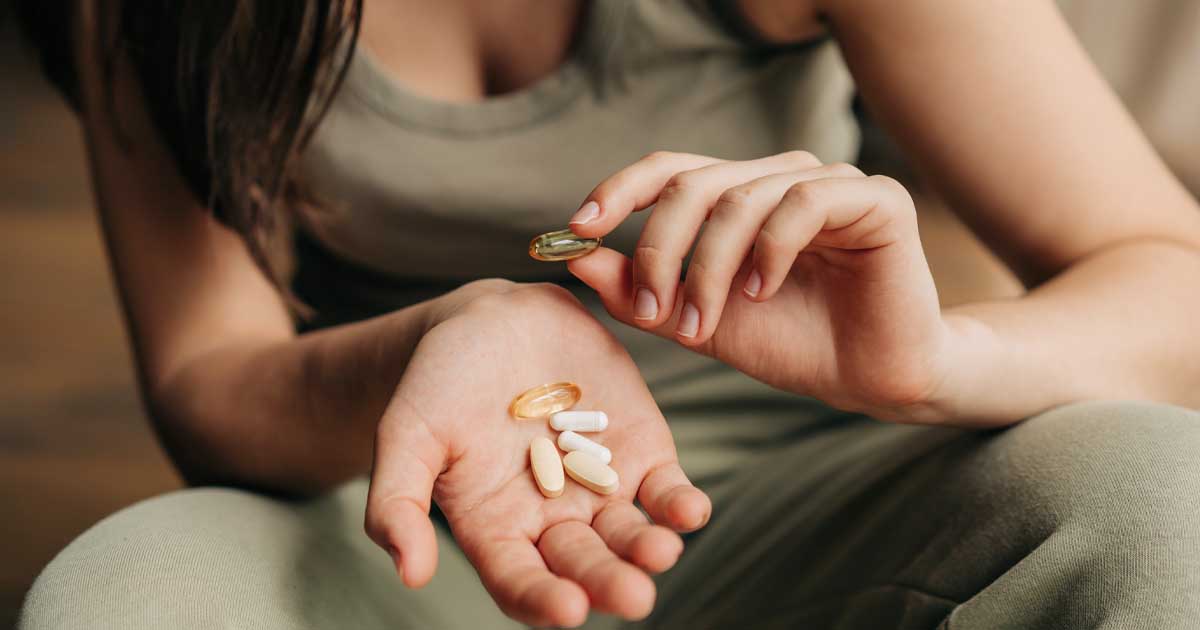
However, other supplements should be recommended by a doctor, or at least approved and dosage suggested, before taking them if needed. The use of certain dietary supplements containing important micronutrients is unlikely to be avoided by women who have difficulty eating due to nausea, followers of plant-based diets, potentially women with any allergies or intolerances, older women in labour, smokers and very likely expectant mothers who are expecting more than one offspring. Supplementation in pregnancy is quite a complicated topic and definitely do not hesitate to consult your doctor in case of any doubts!
What are the symptoms of nutrient deficiencies in pregnancy?
Nutrient deficiencies in pregnancy can cause very serious problems. For example, insufficient calorie intake can lead to premature birth or low birth weight. A deficiency of some other micronutrients can cause problems with growth, organ and brain development, and much more.
How can a woman know if she is lacking any of the micronutrients? The signs can be many - ranging from tremendous fatigue, to nausea, to various pains. But only a doctor can reliably detect nutritional deficiencies. If you feel that something is wrong with your body or you feel exhausted, don't hesitate to ask your doctor for an examination that can reveal nutritional deficiencies.

What supplements are safe to take during pregnancy?
During pregnancy, it really pays to consult a doctor first with any supplement to avoid possible negative effects. Commonly recommended and safe supplements may include:
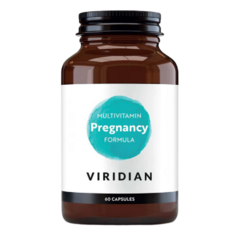
Prenatal vitamins
Prenatal vitamins are multivitamins that are specifically formulated to meet the increased need for micronutrients during pregnancy. They are designed to be taken before conception, during pregnancy and also during breastfeeding. Observational studies have shown that supplementation with prenatal vitamins reduces the risk of preterm birth and preeclampsia. Pre-eclampsia is a dangerous complication characterized by high blood pressure and protein leakage into the urine.
Although prenatal vitamins are not intended to replace nutrient intake from a healthy diet, they can help prevent nutritional deficiencies by providing extra micronutrients that are really important in pregnancy. Because of the concept of such supplements, then, a woman often does not need to take any additional vitamins and minerals unless otherwise recommended by her doctor.
Folate - folic acid
Folate, or folic acid if you prefer, is a B vitamin that plays an integral role in DNA synthesis, red blood cell production, and fetal growth and development. Folic acid is a synthetic form of folate that is found in many dietary supplements. In the body, it is converted to the active form of folate - L-methylfolate. Especially in the first trimester of pregnancy, folic acid is an absolutely essential nutrient.
Adequate intake of folic acid can reduce the risk of various defects and congenital abnormalities such as neural tube bifida and heart defects. Prenatal vitamins usually contain 0.8 to 1 milligram of folic acid and ideally folate supplementation should begin three months before pregnancy.
Iron
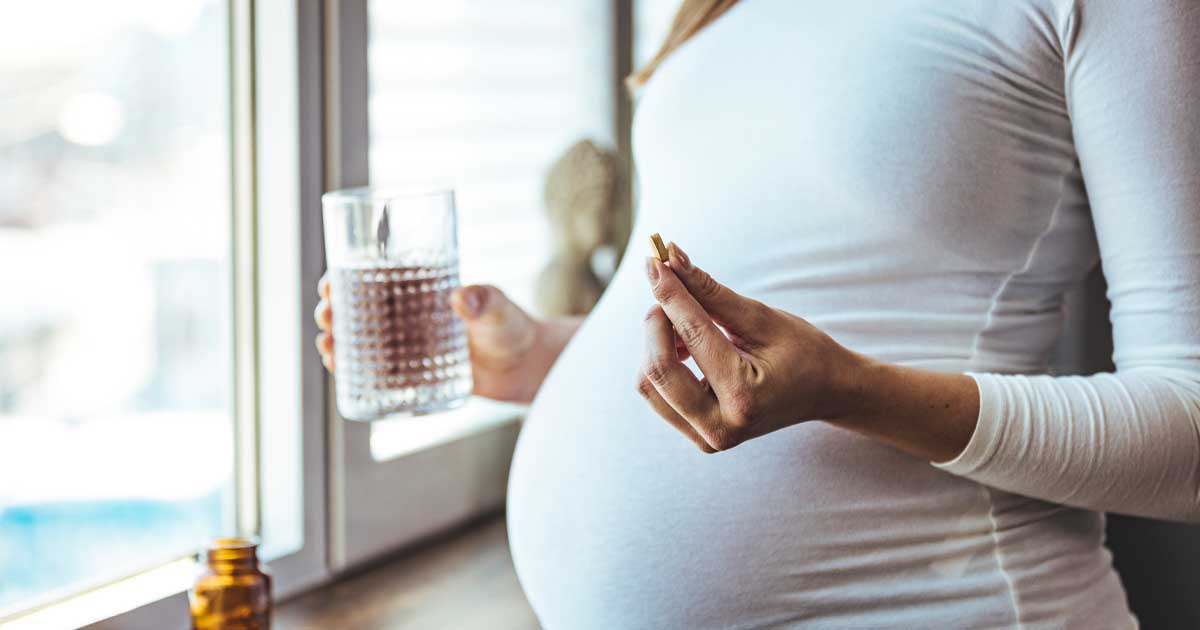
The need for iron increases significantly during pregnancy, as the mother's blood volume can increase by up to 45 percent. Iron is essential for oxygen transfer, healthy growth and development of the baby and placenta. In the United States, the prevalence of iron deficiency in pregnant women is about 18 percent, and 5 percent of these women have anemia. Anemia during pregnancy is associated with an increased risk of premature birth, maternal depression and anemia in newborn babies.
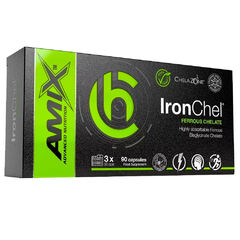
The recommended dose, which is around 27 milligrams of iron per day during pregnancy, can be met through the use of most prenatal vitamins. However, if you suffer from iron deficiency or anemia, your doctor may order additional supplementation of iron alone. However, if you do not suffer from iron deficiency, there is no need to take higher doses as a precaution. Potential side effects such as constipation, vomiting or high haemoglobin levels may occur.
Vitamin D
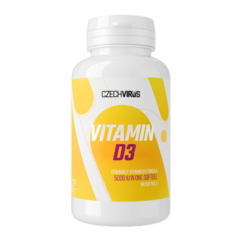
This fat-soluble vitamin is important for immune function, bone health and cell division. Vitamin D deficiency during pregnancy is associated with an increased risk of caesarean section, pre-eclampsia, low birth weight, preterm birth and gestational diabetes. The current recommended intake of vitamin D during pregnancy is between 2 000 - 4 000 IU per day.
However, some experts suggest that the need for vitamin D during pregnancy may be even higher. Consult your doctor for the optimal dose of vitamin D for your needs. Of course, during the summer months, vitamin D can also be taken in a "natural" form, which involves exposure to the sun, which is the best source of vitamin D. Supplementation is therefore not necessary during this period.
Magnesium
Magnesium is a mineral that is involved in hundreds of chemical reactions in the human body. It plays a vital role in immune, muscle and nerve function. A deficiency of this mineral during pregnancy can increase the risk of chronic hypertension and premature birth. Some studies suggest that magnesium supplementation may reduce the risk of complications such as fetal growth restriction and premature birth.
Fish oil
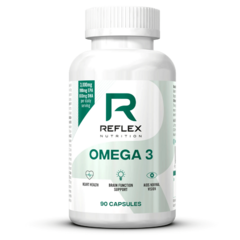
Fish oil contains docosahexaenoic acid (DHA) and eicosapentaenoic acid (EPA), two essential fatty acids that are important for a baby's brain development. Supplementing with DHA and EPA during pregnancy may reduce the risk of developing postpartum maternal depression, and studies are emerging that suggest that adequate intake of omega-3 fatty acids provides prevention of preterm birth. In addition to supplementation, omega-3 fatty acids can also be obtained from fatty fish, but pregnant women should be wary of the mercury content.
Probiotics
Probiotics are live microorganisms that have many important benefits for our bodies. A number of studies have shown that probiotics are safe to take during pregnancy and no harmful side effects have been found. Research even shows that a healthy gut microbiome is a key factor for a proper pregnancy and a lack of good bacteria in the gut can lead to various complications. Supplementing with probiotics during pregnancy benefits digestion, helps strengthen mom's immune system, and may also reduce the risk of developing gestational diabetes, postpartum depression, infant eczema, and dermatitis.
Choline
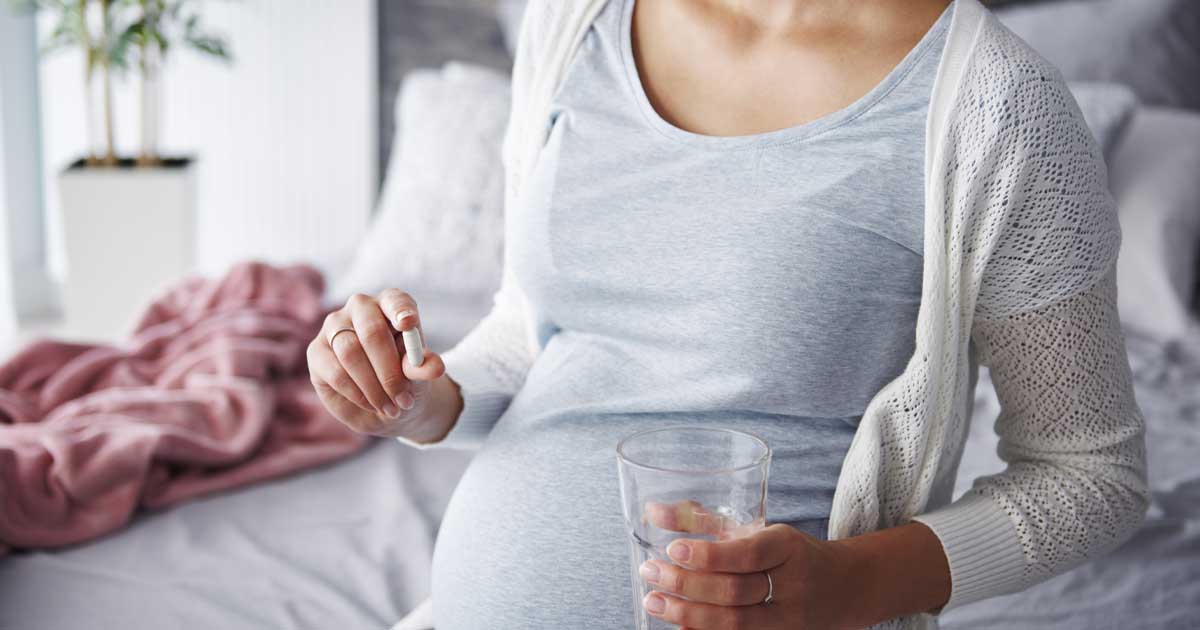
Choline is present in prenatal vitamin supplements, but not always in sufficient amounts. This is why pregnant women should ingest foods rich in choline such as eggs, chickpeas, salmon, lean beef and turkey breast. Choline is an essential nutrient for fetal development, and since the mother delivers large amounts of choline across the placenta to the fetus, getting enough of it is really essential. Research suggests that low choline intake in pregnant women can adversely affect maternal and fetal responses to stress, increase the risk of having a baby with neural tube defects, and negatively affect fetal brain development.
Protein powder
Many women are concerned about taking protein powders during pregnancy. Needless to say, they are unjustified. Protein powder is a perfectly safe supplement that can be a useful tool for replenishing protein during the day. Protein is an essential macronutrient and plays an important role in the human body. Women who have a problem with meat consumption during pregnancy need not be shy at all to reach for protein powder.
Research suggests that increasing protein intake during and after pregnancy, including through protein powder, is not only safe, but can even promote fetal development and growth. If the warning labels on the packaging such as "not suitable for pregnant and breastfeeding" scare you, it is because research on nutritional supplements is simply not being conducted on pregnant women. However, this certainly doesn't mean that protein powder is actually unsuitable.
Calcium
Calcium is essential for fetal development and the bone structure of the baby. Getting enough calcium during pregnancy reduces the risk of premature birth, low birth weight, bone loss and high blood pressure. Calcium deficiency is dangerous for both mother and baby because it helps the circulatory, nervous and muscular systems to function properly. Look for a prenatal vitamin that contains a dose of around 1,000 milligrams of calcium, or take it separately.
What is best avoided in pregnancy?
As the mother's body undergoes various hormonal changes during pregnancy, it is possible to have a negative reaction, usually nausea, after taking a supplement - even a recommended one. In this case, consult your doctor about supplementation, who will either recommend a change in dosage, a change in product or advise you on how to take the micronutrient in a different way. In addition, of course, there are substances that pregnant women should avoid, or at least limit and consume in smaller quantities.
These include alcohol, caffeinated drinks and supplements containing it, or other stimulants. Pregnant women should also not smoke or be in smoky environments. Eating raw fish or meat is also not recommended. It is also important to monitor the heavy metal content of fish, as higher intakes can have a negative effect on the health of the baby.
Other important pregnancy recommendations
In addition to a proper diet and adequate intake of micronutrients, it is also important during pregnancy that a woman limit as many stressors as possible, feel mentally well, take care of her body and mind, and get plenty of rest. Listen to your body, and if you feel exhausted and tired, make rest an absolute priority. It also has a positive effect if a woman stays physically active during pregnancy.
This can reduce the risk of developing conditions such as pre-eclampsia, gestational diabetes and postnatal depression, improve mood, reduce feelings of discomfort, increase energy levels, and keep fit. Some of the best pregnancy activities include walking, swimming, prenatal yoga, cycling, and strength training - sensibly adjusted and tailored to your current condition, of course.
What to take away from the article?
Pregnancy is undoubtedly one of the most beautiful and challenging periods in a woman's life. A balanced diet with a sufficient content of various nutrients is one of the basic prerequisites for the baby to develop, grow and be healthy. During pregnancy, the intake of certain micronutrients increases - key nutrients include iron, folic acid, vitamin D and omega-3 fatty acids.
It is generally recommended to take a prenatal vitamin complex, which is a supplement that should help pregnant women replenish a significant portion of the nutrients that are absolutely essential during pregnancy. Supplementation during pregnancy should be consulted with a doctor who will give you the best and most useful recommendations.
Recommended
Sources:
- Tanha, F. D., Mohseni, M., Ghajarzadeh, M., & Shariat, M. (2013). The effects of healthy diet in pregnancy. Journal of family & reproductive health, 7(3), 121-125.
- Marangoni, F., Cetin, I., Verduci, E., Canzone, G., Giovannini, M., Scollo, P., Corsello, G., & Poli, A. (2016). Maternal Diet and Nutrient Requirements in Pregnancy and Breastfeeding. An Italian Consensus Document. Nutrients, 8(10), 629. https://doi.org/10.3390/nu8100629
- Shapiro C, Sutija VG, Bush J. Effect of maternal weight gain on infant birth weight. J Perinat Med. 2000;28(6):428-31. doi: 10.1515/JPM.2000.056. PMID: 11155426.
- Jacka, F. N., Ystrom, E., Brantsaeter, A. L., Karevold, E., Roth, C., Haugen, M., Meltzer, H. M., Schjolberg, S., & Berk, M. (2013). Maternal and early postnatal nutrition and mental health of offspring by age 5 years: a prospective cohort study. Journal of the American Academy of Child and Adolescent Psychiatry, 52(10), 1038-1047.
- Savage, J. S., Fisher, J. O., & Birch, L. L. (2007). Parental influence on eating behavior: conception to adolescence. The Journal of law, medicine & ethics : a journal of the American Society of Law, Medicine & Ethics, 35(1), 22-34. https://doi.org/10.1111/j.1748-720X.2007.00111.x
- Fowles E. R. (2006). What's a Pregnant Woman to Eat? A Review of Current USDA Dietary Guidelines and MyPyramid. The Journal of perinatal education, 15(4), 28-33. https://doi.org/10.1624/105812406X151394
- Schoenaker, D. A., Soedamah-Muthu, S. S., & Mishra, G. D. (2014). The association between dietary factors and gestational hypertension and pre-eclampsia: a systematic review and meta-analysis of observational studies. BMC medicine, 12, 157. https://doi.org/10.1186/s12916-014-0157-7
- Chitayat, D., Matsui, D., Amitai, Y., Kennedy, D., Vohra, S., Rieder, M., & Koren, G. (2016). Folic acid supplementation for pregnant women and those planning pregnancy: 2015 update. Journal of clinical pharmacology, 56(2), 170-175. https://doi.org/10.1002/jcph.616
- Mithal, A., & Kalra, S. (2014). vitamin D supplementation in pregnancy. Indian journal of endocrinology and metabolism, 18(5), 593-596. https://doi.org/10.4103/2230-8210.139204
- Prentice, A. (2000). calcium in pregnancy and lactation. Annual review of nutrition, 20, 249-272. https://doi.org/10.1146/annurev.nutr.20.1.249
- Rogers, L. K., Valentine, C. J., & Keim, S. A. (2013). DHA supplementation: current implications in pregnancy and childhood. Pharmacological research, 70(1), 13-19. https://doi.org/10.1016/j.phrs.2012.12.003
- Morgan, S., Koren, G., & Bozzo, P. (2013). Is caffeine consumption safe during pregnancy. Canadian family physician Medecin de famille canadien, 59(4), 361-362.
- Gomez Arango, L. F., Barrett, H. L., Callaway, L. K., & Nitert, M. D. (2015). Probiotics and pregnancy. Current diabetes reports, 15(1), 567. https://doi.org/10.1007/s11892-014-0567-0
- Peadon, E., Payne, J., Henley, N., D'Antoine, H., Bartu, A., O'Leary, C., Bower, C., & Elliott, E. J. (2010). Women's knowledge and attitudes regarding alcohol consumption in pregnancy: a national survey. BMC public health, 10, 510. https://doi.org/10.1186/1471-2458-10-510
No posts have been made yet.








