How to save when buying protein?
 Author:
 Food prices are currently skyrocketing. However, it is still true that a balanced diet with sufficient intake of all macronutrients is integral to performing well in sport, work and school and is the foundation for overall health. Protein is one of the essential macronutrients and (not only) for athletes a sufficient intake is very important. In today's article, we will look together at how to save money when buying them and we will also recall some foods that are very rich in protein, often forgotten about, and yet are high quality, cheap and readily available. So hooray for that!
Follow the store promotions
In the past we would probably have laughed that this was an older people phenomenon, but nowadays it doesn't hurt at all to regularly look through leaflets and see what's on sale in which store. If you manage to get hold of meat or fish at a really good price, don't be afraid to buy a bigger pack straight away and cut it up for your freezer. Then you just need to cut back as needed and it will turn up again. Alternatively, you can buy the meat straight frozen.

The same goes for dairy products, eggs, cheese, quality hams - you can't exactly buy a larger stock there, but the promotions often rotate in the stores, or it's worth going to a different store than you normally shop for the specials you like in your diet. Sometimes it's also worth buying a bigger pack straight away - yoghurt, for example, is often sold in a bucket, which is very reasonably priced and, thanks to the handy cap, you can always take out just the amount you need and keep the rest in the fridge. For dairy products, always opt for white, unflavoured versions, which are free from added additives, sugars and colourings, and are also cheaper. If you miss the flavour, add fresh fruit, a scoop of protein, or a spoonful of some good homemade jam.
Eggs - the superfood of all ages!
Ordinary eggs are one of the most nutritious foods in the world. It is no exaggeration to describe this well-known food as a true superfood. Not only are eggs full of vitamins, minerals and healthy fats, but they are also a very good source of protein. What's more, the protein found in eggs has the highest biological value ever (100 to be exact) and, along with whey protein, egg protein is one of the highest quality types of protein ever. Like whey protein, egg protein is also considered complete, meaning that it contains all the essential amino acids that our bodies need and cannot make on their own.
One large egg contains approximately 6 grams of protein. In addition, eggs, especially the egg yolk, are a rich source of vitamin D, A, K and E. They also contain a good proportion of calcium, iron and lutein. Eggs are also an important source of choline, which is very essential for the health of our brain. Eggs are an incredibly versatile and dare I say indispensable part of our diets. For athletes they are one of the most important and popular sources of protein, and for housewives they are an essential ingredient for cooking and baking. Who can't imagine a day without eggs for breakfast?
Reach for alternative sources
Protein is not only found in meat, but also in a variety of plant-based alternatives. There is often a perception that plant sources are poor quality, non-nutritious, plant-only and have no place in the diet of athletes. But this is not true at all. The human body collects amino acids throughout the day and if we take in enough of them, combines them as needed to create what the body currently needs. With a balanced diet, sufficient food variety, variation of sources and supplements, it is possible to recover, build muscle and even reduce fat with the help of plant protein.
For example,tofu contains around 13g of protein per 100g, 7g of fat and is very reasonably priced. It also offers a favourable spectrum of fatty acids, which makes it beneficial for heart and vascular health. In addition, tofu is a great source of magnesium and calcium, minerals that are very important for our health, especially when we are active in sports. If you don't buy a flavoured version, tofu has a neutral taste, so it is perfect for a variety of mixtures, curries, soups, but you can also use it to make a spread, various patties, or you can roast it and throw it in a salad. Tofu is a great addition to a healthy diet and you definitely don't have to be afraid of eating it.

There is no shame in buying fish in a can!
Fish is a fantastic source of protein, omega-3 fatty acids and other health benefits. Because we don't have the sea, fish has to be imported and this is reflected in its price. The truth is that really good quality fresh fish is not cheap. Although we obviously prefer to eat fresh food, it has to be said that even canned fish can be a good source of protein. Very often, canned fish is even cheaper, which is an excellent way to incorporate fish into your diet without completely ruining your budget.
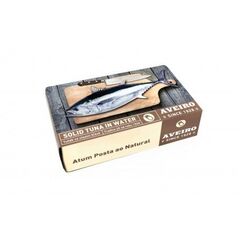
On average, a can of tuna contains 20-25g of protein per 100g of content, which is a great value considering the price. The version in its own juice is also super diet-friendly, as it contains very little fat and calories and has a very versatile use - in spreads, in pasta sauces, in various salads, patties and meatballs, but even just on bread. But you can also reach for sardines, which, in addition to protein, also contain a number of other health benefits - for example, vitamin D, zinc and vitamin B 12. As sardines are meant to be eaten whole, including the bones, they are also a great source of natural calcium. Another great advantage is that sardines are very low on the food chain, so their meat does not contain as many heavy metals (e.g. mercury) as tuna or other larger fish. Sardines can also be used very creatively in the kitchen and can be turned into really great treats.
As mentioned in the introduction, fatty fish such as tuna, salmon or sardines are also a great source of the all-important omega-3 fatty acids, which have a good list of benefits for the body, and we have dedicated a fairly comprehensive article to them on our website. Canned meat has one drawback, however - it can contain large amounts of mercury (especially tuna), so it should be consumed no more than 2-3 times a week. Pregnant women need to be doubly careful about mercury content. For canned meats, choose reputable vendors and high quality products that are guaranteed to be low in mercury. This information should be stated on the packaging. Also watch the salt content, which is often disproportionately high in canned meat.
Legumes, a forgotten dietary treasure and an important source of protein
A very neglected source of protein that is both very cheap and readily available is pulses. Depending on the species, pulses have a really good proportion of plant-type protein. Unfortunately, plant proteins are often not considered complete sources, meaning they don't contain all the essential amino acids, which is something most people dread. But this is completely unnecessary - a complete amino spectrum can easily be achieved by combining several types of protein, for example, we often see legumes supplemented with cereals, especially rice. Rice has an amino spectrum that perfectly balances the deficiencies of essential amino acids in legumes and vice versa.
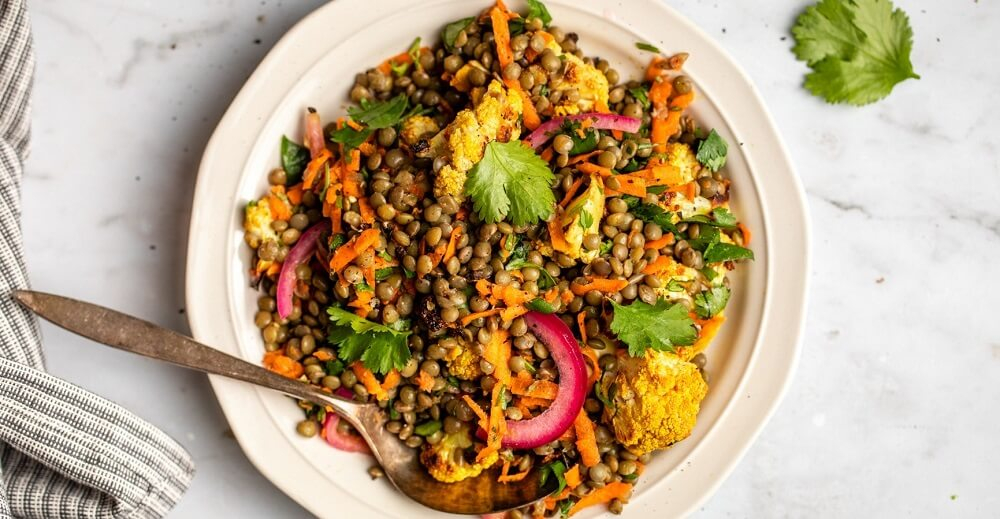
Even so, there's no need to worry - if you can't get the full spectrum of amino acids in one go, you can certainly fine-tune it throughout the day by eating different protein sources. Unless you're a vegetarian or vegan, you don't have to worry about putting together a complete amino spectrum. For plant-based eaters, however, you need to give some thought to combining different sources. In addition to protein, complex carbohydrates, various vitamins and minerals can also be found in legumes. Legumes are also an excellent source of very important fibre, which is crucial for the health of our gut, but also a handy weight loss aid as it will promote a feeling of satiety.
What about protein, do you have any?
Protein powders haven't escaped the price hikes either, but it's still an investment in a product that has such a wide range of uses and is a great aid to ensuring adequate protein intake that it's worth having a pixel at home. For most recreational athletes, the ideal choice will be to reach for whey protein, which is readily available, ranges in affordable price points and is an easy way to supply the body with essential protein in high quality.
Whey protein offers a wide range of benefits and is definitely not just for muscle builders! Whey protein is a complete source of protein, which means it contains all the essential fatty acids our bodies need for optimal functioning. In addition, the proteins found in whey protein have a high biological value and are very well utilized by the body.

Consuming whey protein is highly desirable for building and maintaining muscle mass, but it can also support recovery after hard workouts and help build muscle strength. It is also well known that whey protein is quite an important aid in fat reduction as it helps to increase satiety (this of course applies to all types of protein in general), and research also shows that it can support a strong immune system. Whey protein powder can be added to smoothies, stirred into pancake batter or other sweet desserts, you can flavor yogurt or oatmeal with it, and of course you can also drink it plain.
What can you take away from this article?
Food prices are skyrocketing, but eating is necessary, as every sports enthusiast knows. In today's article, we looked at how to incorporate plenty of protein into your diet without ruining your bank account. In addition to basic recommendations like watching for specials and not being afraid to buy in bulk, we also gave tips on a few foods that are great sources of protein, are readily available, and most importantly? They're extremely budget-friendly! You can reach for things like canned fish, legumes, plant-based meat alternatives like tofu, and you shouldn't miss out on high-quality whey protein at home, which is so versatile that it simply won't go to waste.
Recommended

Sources:
Pasiakos, S. M., McLellan, T. M., & Lieberman, H. R. (2015). The effects of protein supplements on muscle mass, strength, and aerobic and anaerobic power in healthy adults: a systematic review. Sports medicine (Auckland, N.Z.), 45(1), 111-131. https://doi.org/10.1007/s40279-014-0242-2
Turner, T. F., Nance, L. M., Strickland, W. D., Malcolm, R. J., Pechon, S., & O'Neil, P. M. (2013). Dietary adherence and satisfaction with a bean-based high-fiber weight loss diet: a pilot study. ISRN Obesity, 2013, 915415. https://doi.org/10.1155/2013/915415
Paddon-Jones, D., Westman, E., Mattes, R. D., Wolfe, R. R., Astrup, A., & Westerterp-Plantenga, M. (2008). Protein, weight management, and satiety. The American journal of clinical nutrition, 87(5), 1558S-1561S. https://doi.org/10.1093/ajcn/87.5.1558S
Zivkovic, A. M., Telis, N., German, J. B., & Hammock, B. D. (2011). Dietary omega-3 fatty acids aid in the modulation of inflammation and metabolic health. California agriculture, 65(3), 106-111. https://doi.org/10.3733/ca.v065n03p106
https://www.edf.org/oceans/mercury-alert-canned-tuna-safe
van Vliet, S., Burd, N. A., & van Loon, L. J. (2015). The Skeletal Muscle Anabolic Response to Plant- versus Animal-Based Protein Consumption. The Journal of nutrition, 145(9), 1981-1991. https://doi.org/10.3945/jn.114.204305
Sarwar, G., Peace, R. W., Botting, H. G., & Brulé, D. (1989). Digestibility of protein and amino acids in selected foods as determined by a rat balance method. Plant foods for human nutrition (Dordrecht, Netherlands), 39(1), 23-32. https://doi.org/10.1007/BF01092398
No posts have been made yet.