6 important benefits whey protein offers
 Author:
 We dare say that protein is not missing in the household of any active individual today. From a supplement that used to be used only by bodybuilders and people with big muscles, it has become an absolutely common part of our diets. And that's a very good thing - protein has many important functions in the body, and getting enough of it is crucial not only for building muscle and reducing fat, but for health in general.
Protein powders are a very easy and quick way to incorporate more protein into your diet and reap the many health benefits that eating enough protein offers. Whey protein is one of the most popular types of protein ever, which is why we would like to pay even more attention to it today. Its use brings with it a number of important benefits and today we will present the most important ones.
Contents:
Theoretical window - what is whey protein?
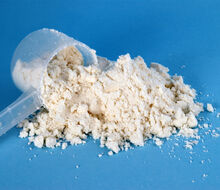
Whey protein, referred to as WHEY PROTEIN on the packaging, is made from milk, which contains two types of protein - casein, which makes up to 80% of the total protein content of milk, and whey, which makes up the remaining 20%. Whey is the translucent liquid part of milk that remains after the cheese-making process, after curdling and removing the curds. The term 'whey protein' refers to a complex substance that is separated from the liquid and is made up of a combination of proteins, lactose, minerals, immunoglobulins and trace amounts of fat. The proteins and some highly bioactive peptides contained in whey protein are what make it a superfood for both weight loss and muscle building.
Little monkey - types of whey protein
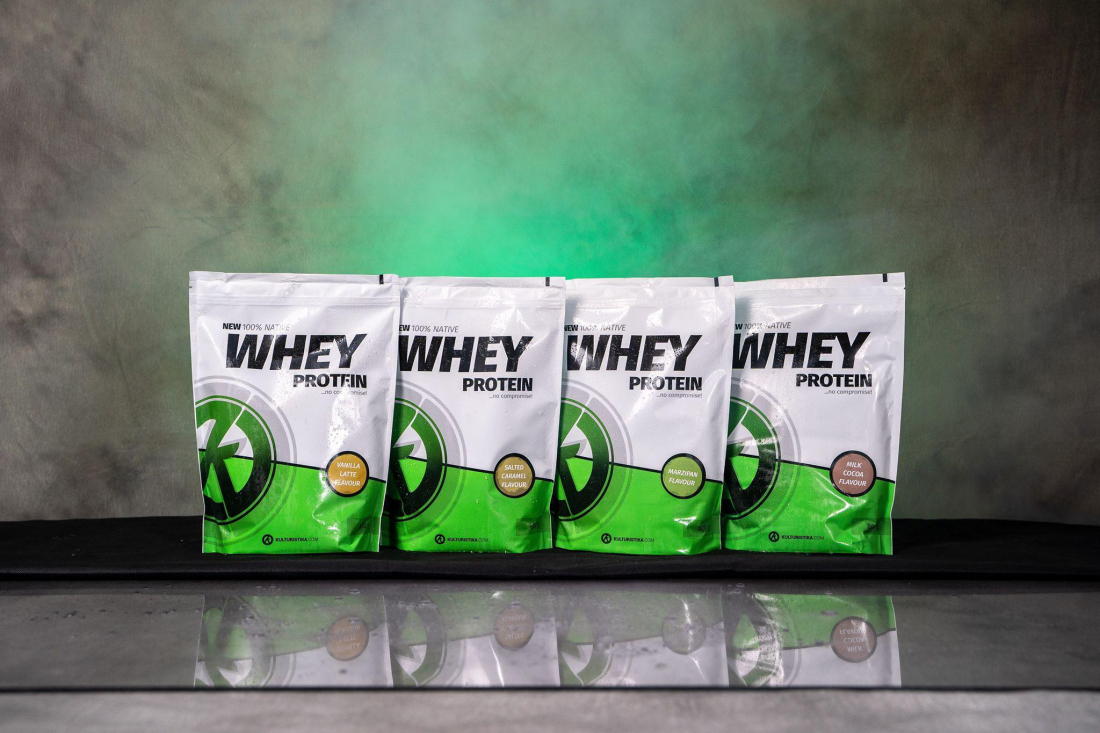
We've already talked about the different types of protein, so this time we're really just going to take a hop. In practice, we can encounter three basic types of whey protein, which differ in the method of production.
Whey protein concentrate (WPC)
This is the most common type of whey proteinwe come across. Concentrate contains between 50-80% protein and is low in lactose and fat (but not the lowest of all types). And because of the fat content, many people think that concentrate is worse than, say, isolate, which we'll get to in a moment. The second reason why people are more likely to reach for isolate is that concentrate contains less protein, but on the other hand - compared to isolate, it contains more of the other beneficial substances and minerals that milk contains and are not degraded in any way during processing. Due to the higher fat and carbohydrate content, concentrates have a very pleasant taste and of course their price is also pleasant. For the majority of recreational athletes, high-quality whey protein is therefore an absolutely sufficient and very suitable choice.

Whey protein isolate (WPI)
Whey protein isolate undergoes further processing to remove most of the carbohydrates and fats found in whey protein concentrate. As a result, the isolates contain minimal fat and lactose, making them a suitable choice for people with lactose intolerance, for example. They also have a higher protein content, which ranges from 90% upwards. Due to the way they are produced, isolates are more expensive than concentrates and also have a less pronounced taste.
Whey hydrolysate
The last type of whey protein is then hydrolysate or popularly "hydro". Hydro is actually a further processing of the isolate in which the long chains of whey proteins are enzymatically cleaved, making them even more easily and quickly absorbed by the body. Hydro therefore has the shortest absorption time of all whey protein types. Hydro proteins can be further differentiated according to the degree of hydrolysis. The greater the hydrolysis, the smaller the protein particles remain, and therefore - the more absorbable they are. At the same time, it cannot be said that hydro is better than a classic concentrate or isolate. In addition, hydrolysed whey has a bitter taste, which is usually masked by a strong dose of sweeteners and sugar. So the protein is high quality, but taste-wise it may not be a double hit. Hydrolysate is particularly suitable for the final stages of preparation when stimulation of insulin secretion without the involvement of carbohydrates is desirable.
Interesting benefits that taking protein offers
On average, one scoop (about 28 grams) of whey protein powder contains roughly the following:
- 100 calories
- 5 grams of carbohydrates
- 20 grams of protein
- 1.5 grams of fat
- 1 gram of fibre
- 94.7 milligrams of calcium (about 9% of the DDD)
Whey protein ingredients provide high levels of essential and branched chain amino acids. It is the bioactivity of these proteins that gives whey protein its many beneficial properties - not only in terms of building muscle, supporting recovery processes and protecting muscle mass, but also, for example, as a support for the immune system. What benefits, specifically, can whey protein supplementation actually offer us? Let's take a look at 6 of the biggest benefits of taking whey protein.
Helps to increase strength and in building muscle
Whey protein is a convenient and very effective way to increase protein intake in your diet, with virtually zero carbohydrates and fat. It typically contains 80 to 90 percent protein, which provides the body with what it needs to build muscle and strength, while also being able to support recovery processes after a workout. Research suggests that whey protein stimulates muscle synthesis to a greater extent than casein and soy protein products. Whey protein contains a fair amount of the amino acid leucine, which is the primary amino acid responsible for muscle synthesis. This is what makes whey protein a very effective aid for building and protecting muscle mass.
Promotes fat burning
Protein not only finds its use in muscle building and protection, but it is also useful as a fat burning aid. Research suggests that individuals who use whey protein in combination with appropriately set strength training can burn fat very effectively and gain muscle mass more easily. In fact, it is well known that protein has the highest thermic effect of the three macronutrients and keeps us full the longest. For this reason, a higher protein intake during weight loss is highly desirable. To make matters worse, thanks to its high satiating effect, whey protein can be a handy helper in the fight against sweet cravings and overeating. Studies show that whey protein can help balance the secretion of leptin and gherlin, two major hormones that influence our cravings and satiety, thereby reducing food cravings and helping to regulate overeating.
Helps stabilise blood sugar levels
Research suggests that whey has the ability to regulate blood sugar levels, among other things. In fact, whey protein can stimulate insulin production, helping to prevent dramatic spikes in blood sugar levels. According to research published in the World Journal of Diabetes, whey protein can be used to treat the symptoms of diabetes. It slows stomach emptying, stimulates insulin and gut hormones like incretin that are released after eating, and works to lower blood glucose levels.
Whey protein for increased energy
Whey protein increases glycogen, which is the source of energy during exercise, and increases the effect of leptin, a hormone that affects energy balance. Additionally, because whey protein is highly digestible and highly bioavailable, it is quickly converted into energy and can help naturally increase energy levels. The amino acids found in whey protein are responsible for the increase in energy levels and increased performance. When the body lacks sufficient amounts of amino acids, muscle loss occurs and post-workout recovery is impaired.
Increases glutathione production
Whey protein helps increase the production of glutathione, an essential antioxidant found in every cell of our body. Research shows that whey protein is rich in cysteine, an amino acid that is essential just for glutathione synthesis. Researchers at Ohio State University have found that whey protein supplementation can increase intracellular glutathione concentrations by up to a whopping 64 percent. Glutathione helps eliminate free radicals that cause cell damage, cancer and age-related diseases such as Parkinson's and Alzheimer's. It also helps protect the body from environmental toxins and is key to a strong immune system.
Strengthens the immune system
Building on the previous point, whey protein can also be beneficial for the immune system. Because whey protein promotes glutathione synthesis, it can also boost the immune system, which is really useful especially after hard workouts. Glutathione also increases the effectiveness of other antioxidants such as vitamin C, CoQ10, ALA and vitamin E. Whey protein also contains a number of other proteins and vitamins such as vitamin D, which positively affect immune function and demonstrate antimicrobial activity. According to research, whey protein helps the body recover after exercise, which is important for avoiding weakened immunity, reducing the effects of oxidative stress and reducing the formation of inflammation. Whey protein not only increases glutathione production, but also contains L-arginine and L-lysine, amino acids that support immune function.
How and when to take the protein?
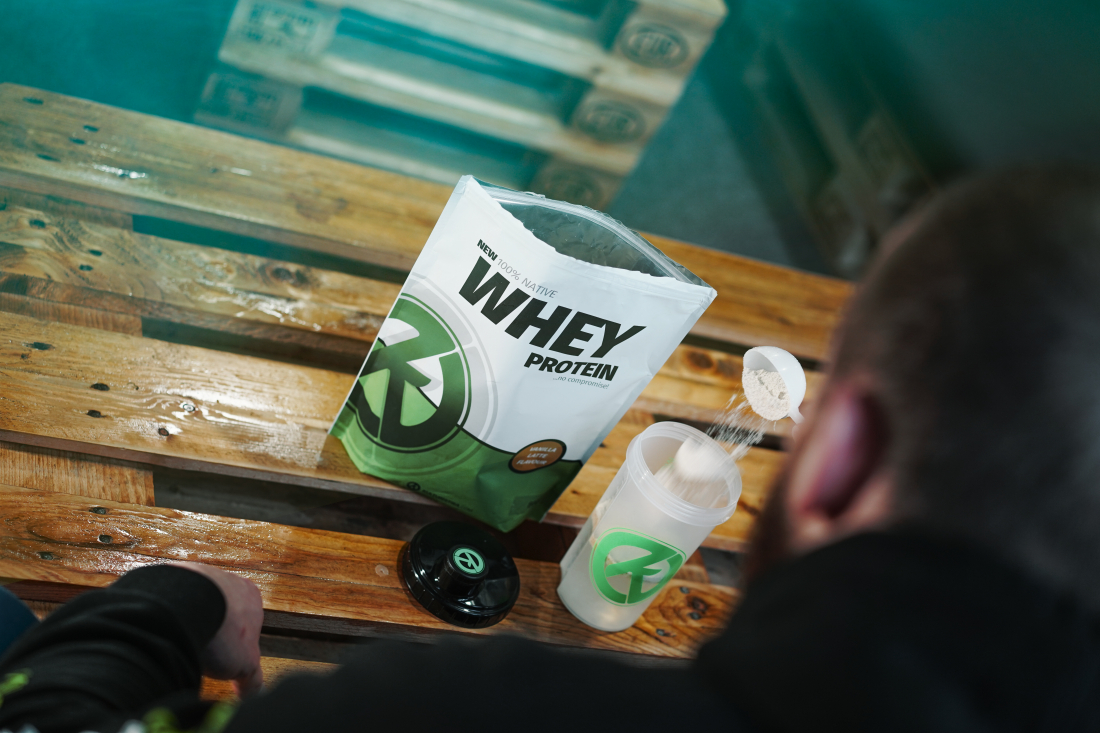
The great thing about protein is that you can reach for it absolutely anytime and anywhere. Incorporate it into your porridge in the morning so that it has plenty of protein, keeps you full for a long time, tastes great and gets you in the mood for the day. You can also have it as a snack - perhaps mixed with yoghurt or kefir milk. It's also great in a variety of desserts, where it can partially substitute for sweetener while increasing the protein content, so your treats will not only be tasty, but also more nutritionally balanced. And of course, there's the period around training when protein is most useful, but that doesn't mean it's essential at all. Protein is very well and quickly absorbed, so it's good as a light pre-workout meal when you're really not training and of course after training, as a quick way to replenish protein to kick-start the recovery process.
Recommended

Prom-in CFM Pure Performance
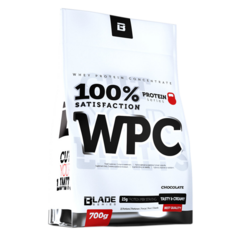
HiTec BS Blade 100% WPC protein
How much protein to take? That's a pretty tricky question to which there is no one single right answer. It depends on a number of individual aspects - from physical disposition, to daily routine, training load, amount of protein in the diet, etc. As is an unwritten rule in nutrition, the ideal dose of protein will therefore be completely different for each of us, and even - if you can only cover your daily protein intake with a solid diet, you don't need to use protein at all.
Don't forget that your diet should be as varied as possible and include other nutrients such as carbohydrates, fats, vitamins and minerals. All of these nutrients are also very important for health, muscle growth and weight loss, so we should not forget to mention them in our ode to whey protein as a source of protein. At the same time, we would like to point out that nothing should be overdone, including protein intake. Protein powder is a very handy helper, which will be appreciated by athletes of all kinds and fans of a healthy lifestyle, but at the same time its use is not central to achieving our physical goals.
What to take away from the article?
If you're wondering what protein is good for, why we're increasingly reaching for whey protein drinks and why we should eat protein, the answer is quite simple: quality protein contributes to muscle growth and recovery, can help maintain a stable weight and, thanks to its low carbohydrate content, is often suitable as a protein for diabetics. You may be asking yourself, is protein healthy? Yes, if you include it in a balanced diet it can be very beneficial to your overall health and performance. The main effects of protein lie in boosting the immune system, supporting metabolism and reducing feelings of hunger, making it a great helper for anyone looking to improve their physical condition.
Whey protein has become a common part of our diets. And that's a very good thing! It is a very high quality, easily digestible and relatively inexpensive source of protein, which is not only important for our bodies in terms of muscle building and fat reduction, but also provides a variety of other bodily functions. Today, we've been told that whey protein is a great support for muscle building, fat reduction, that it can support the immune system and perhaps also stabilize blood sugar levels. In short, whey protein is a comprehensive helper that will find a use in every household.
Sources:
Tosukhowong, P., Boonla, C., Dissayabutra, T., Kaewwilai, L., Muensri, S., Chotipanich, C., Joutsa, J., Rinne, J., & Bhidayasiri, R. (2016). Biochemical and clinical effects of Whey protein supplementation in Parkinson's disease: A pilot study. Journal of the neurological sciences, 367, 162-170. https://doi.org/10.1016/j.jns.2016.05.056
Willoughby, D. S., Stout, J. R., & Wilborn, C. D. (2007). Effects of resistance training and protein plus amino acid supplementation on muscle anabolism, mass, and strength. Amino acids, 32(4), 467-477. https://doi.org/10.1007/s00726-006-0398-7
Miller, P. E., Alexander, D. D., & Perez, V. (2014). Effects of whey protein and resistance exercise on body composition: a meta-analysis of randomized controlled trials. Journal of the American College of Nutrition, 33(2), 163-175. https://doi.org/10.1080/07315724.2013.875365
Frestedt, J. L., Zenk, J. L., Kuskowski, M. A., Ward, L. S., & Bastian, E. D. (2008). A whey-protein supplement increases fat loss and spares lean muscle in obese subjects: a randomized human clinical trial. Nutrition & Metabolism, 5, 8. https://doi.org/10.1186/1743-7075-5-8
Klok, M. D., Jakobsdottir, S., & Drent, M. L. (2007). The role of leptin and ghrelin in the regulation of food intake and body weight in humans: a review. Obesity reviews : an official journal of the International Association for the Study of Obesity, 8(1), 21-34. https://doi.org/10.1111/j.1467-789X.2006.00270.x
Mignone, L. E., Wu, T., Horowitz, M., & Rayner, C. K. (2015). Whey protein: the "whey" forward for treatment of type 2 diabetes. World journal of diabetes, 6(14), 1274-1284. https://doi.org/10.4239/wjd.v6.i14.1274
Wilborn, C. D., Taylor, L. W., Outlaw, J., Williams, L., Campbell, B., Foster, C. A., Smith-Ryan, A., Urbina, S., & Hayward, S. (2013). The Effects of Pre- and Post-Exercise Whey vs. Casein Protein Consumption on Body Composition and Performance Measures in Collegiate Female Athletes. Journal of sports science & medicine, 12(1), 74-79.
Chen, W. C., Huang, W. C., Chiu, C. C., Chang, Y. K., & Huang, C. C. (2014). Whey protein improves exercise performance and biochemical profiles in trained mice. Medicine and science in sports and exercise, 46(8), 1517-1524. https://doi.org/10.1249/MSS.0000000000000272
Kent, K. D., Harper, W. J., & Bomser, J. A. (2003). Effect of whey protein isolate on intracellular glutathione and oxidant-induced cell death in human prostate epithelial cells. Toxicology in vitro : an international journal published in association with BIBRA, 17(1), 27-33. https://doi.org/10.1016/s0887-2333(02)00119-4
Cruzat, V. F., Krause, M., & Newsholme, P. (2014). Amino acid supplementation and impact on immune function in the context of exercise. Journal of the International Society of Sports Nutrition, 11(1), 61. https://doi.org/10.1186/s12970-014-0061-8
No posts have been made yet.