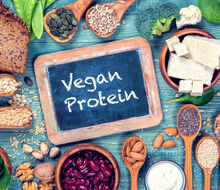
How to choose the right protein for your goals
 Author:
 Protein powders are very popular not only among strength athletes, but generally among all healthy lifestyle enthusiasts and active individuals across a wide variety of sports. It is no longer true that protein powder is only for muscle builders. Rather than a supplement, protein is now an absolutely common part of our diets. There are a huge variety of types, manufacturers, flavours, and so it can be difficult for beginners to know which protein powder to actually choose. So today, let's take a look at the 8 best types of protein powder and discover their benefits!

Article Content:
- Theoretical window - what are these proteins?
- The 8 best types of protein powder
- Who can take protein, how to choose the best one and how to dose it?
- What to take away from the article?
Theoretical window - what are these proteins?
Simply put, protein powder is a concentrated source of protein. The protein in protein powder can come from both plant and animal sources. We can come across three basic types of protein:
- Protein concentrates: produced by extracting protein from whole foods using heat and acids or enzymes. Concentrates are usually around 50-80% protein, with the remaining 20-50% being fat, carbohydrates, minerals and vitamins.
- Protein isolates: are created by a microfiltration process and are of higher quality and even more concentrated. Thanks to the filtration process, the non-protein parts (fat and carbohydrates) are even more reduced and the isolates then contain up to 90-95% protein.
- Protein hydrolysates. The term hydrolyzed protein or hydrolysate refers to the presence of partially cleaved or predigested proteins. Hydrolysates appear to increase insulin levels more than other forms - at least in the case of whey protein. This may promote muscle growth after exercise.
In addition, some proteins are fortified with vitamins, minerals or other amino acids. However, protein is by no means essential - if you can meet your daily protein intake through your regular diet, then there is no need to take protein. For athletes, protein powders can help promote recovery, maximize muscle growth, and even promote fat reduction. Protein can also be beneficial for individuals who have difficulty meeting their protein intake from diet alone, for the elderly, as well as for vegans and vegetarians. Let's take a look at the best types of protein powders, including plant-based ones.
The 8 best types of protein powder
Whey protein
Whey protein, known as "whey protein", is the most well-known and sought after type of protein ever. To be sure, it is by far the most popular protein supplement mainly because it has been proven to promote muscle growth and fat loss. Whey protein comes from milk. It is the liquid that separates from the curds during the cheese making process. It is high in protein but also contains lactose, a milk sugar, which can cause digestive problems for certain groups of people. At such times it is advisable to reach for whey protein isolate, in which the milk sugar content is reduced to a minimum and usually does not cause problems for people with allergies or intolerances. Whey protein is generally a very fast absorbing protein which, when consumed, increases the amount of amino acids in the blood in about 40-60 minutes.
Whey protein is rich in branched chain amino acids (BCAA). Leucine, one of these amino acids, plays a major role in promoting muscle growth and recovery after exercise. When the amino acids are digested and absorbed into the blood, they become available for muscle protein synthesis (MPS) or to create new muscle. Studies show that whey protein can help build and maintain muscle mass, assist athletes in recovering from strenuous workouts, and increase muscle strength.
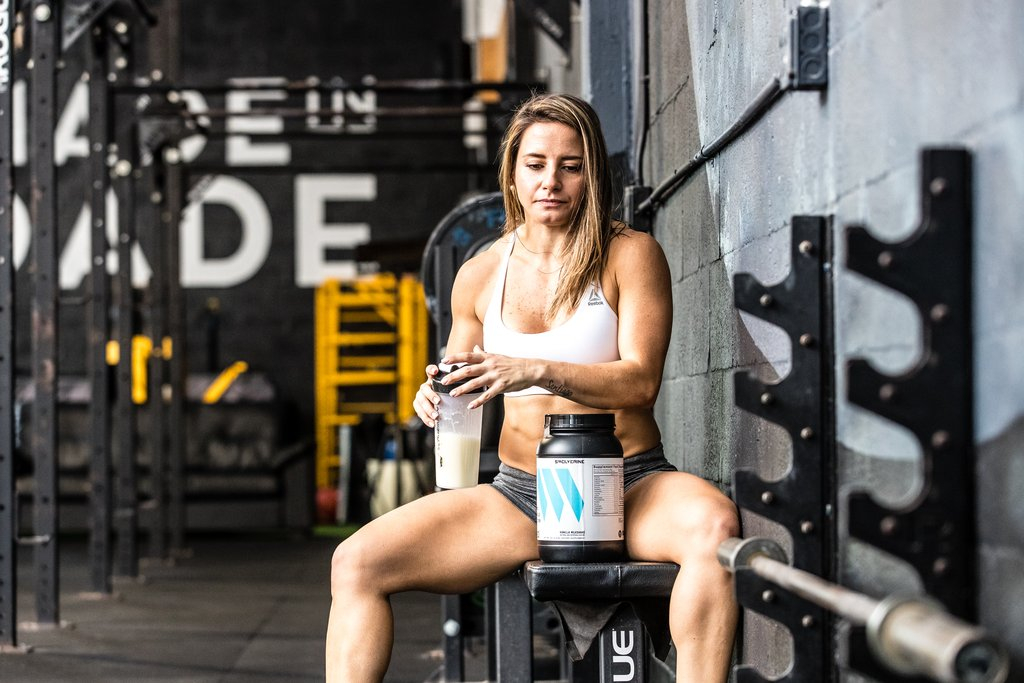
Whey protein is a complete source of protein, which means it contains all the essential fatty acids. The proteins contained in whey protein have a high biological value and are very well utilized by the body. Whey protein has also been shown to be a very useful aid in fat reduction, as it increases satiety (this is true of all proteins, of course) and can also boost the body's immune system. As already mentioned, whey protein can be encountered in the form of concentrate (the most common), isolate or hydrolysate.
Casein
Similar to whey, casein is also found in milk. Casein accounts for up to 80% of the total protein content of milk and whey then accounts for the remaining 20%. However, casein is digested and absorbed much more slowly than whey protein. When you ingest casein, you will reach peak blood amino acid levels and maximum protein synthesis between 3-4 hours after ingestion. Casein is considered one of the best ever sources of protein and its biological value is high.
Casein has anti-catabolic properties, which means that it slows down the breakdown of muscle tissues due to training while supplying amino acids to the muscles for a longer period of time. Some research suggests that casein protein may be even more effective at stimulating muscle growth and increasing strength than other types of protein, including whey protein. Casein may also be beneficial in fat reduction. Due to its longer absorption time, casein protein is also great for overnight use.
Egg protein
Eggs are an excellent source of high quality protein. Egg protein powders are usually made mainly from egg whites. With a score of 100 on the Biological Value Index (BV), egg protein also contains all the essential amino acids needed for protein synthesis and is easily digested by the body. Moreover, egg protein is second only to whey protein in terms of leucine content. Egg white protein is a good choice for people with dairy allergies who prefer an animal protein-based supplement.
Multi-ingredient protein
Nowadays, there are also modern products in the composition of which one can find various combinations of the above sources. This is used simply because different types of protein are complementary and, if combined in the right way and in the right proportions, can create a very effective synergy indeed, linking the various benefits that different types of protein have on their own and amplifying the overall positive effects. Multi-component protein is very versatile. All of its components have different breakdown and absorption times, so it can be harder to digest.
Pea protein
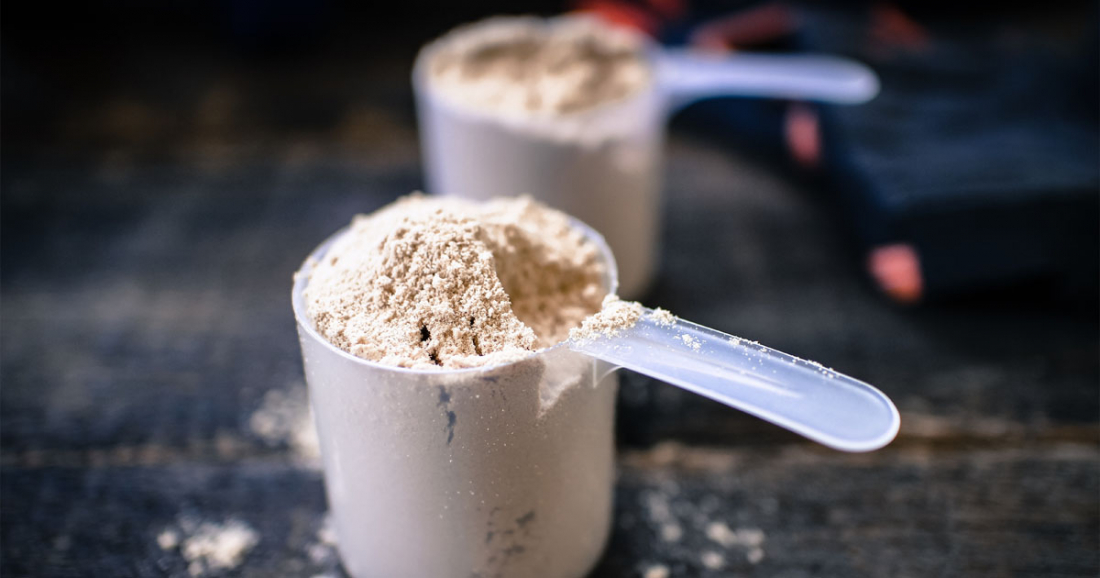
Pea protein powder is especially popular among vegetarians, vegans and people with allergies or intolerances to dairy or eggs. It is made from yellow peas, a high-fiber legume that boasts an almost complete amino spectrum, except for the essential amino acid methionine. Pea protein is also hypoallergenic and has a digestibility of up to 98%, which means that the body is able to absorb almost all the amino acids it contains. In this respect, pea protein has a slight advantage over other vegetable proteins, which have a lower absorption rate. Studies are emerging that show that supplementation with pea protein is just as effective in muscle building and recovery as using whey protein. In addition, pea protein also has a positive effect on heart health and helps regulate blood pressure.
Hemp protein
Another plant representative in the field of proteins is just hemp protein powder. Although it evokes a connection with marijuana, hemp protein contains only trace amounts of the psychoactive ingredient THC. Hemp is actually very rich in protein, is one of the most popular plant proteins, and you don't have to worry about any drug high after consuming it. Hemp protein powder is an easily digestible form of protein, which means that your body is able to metabolize and utilize a substantial portion of the protein you ingest. Hemp is also a rich source of beneficial omega-3 fatty acids, fiber, iron and magnesium. It contains several essential amino acids, but is not considered a complete protein because it has very low levels of the amino acids lysine and leucine. Hemp protein excels in its fibre content, so it is very beneficial for the intestinal biome and also promotes a feeling of satiety.
Recommended

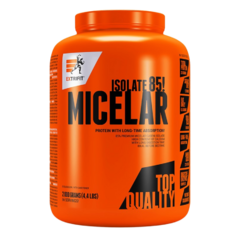
Extrifit Micelar Casein
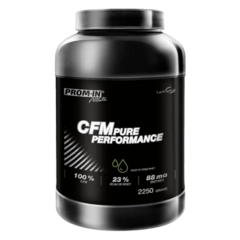
Prom-in CFM Pure Performance
Brown rice protein
Brown rice protein is produced by milling brown rice grains. Although rice protein contains all the essential amino acids, it contains too low an amount of lysine to be considered a complete protein. Brown rice proteins have been around for some time, but there has been very little research into their effects. Brown rice protein is also hypoallergenic, completely free of milk and lactose.
Combined vegetable proteins
It is known that plant sources often do not contain the full spectrum of amino acids, or do not contain all of them in sufficient quantities. For this reason, some plant proteins contain a combination of different sources to ensure a complete spectrum of amino acids in adequate proportions. Usually rice protein, pea protein, chia protein and quinoa protein are combined in different ratios. Partly because of their high fibre content, plant proteins are digested more slowly than proteins from animal sources. For most people, this won't be a problem, but it can limit the supply of amino acids that your body can use for muscle recovery immediately after exercise.

Who can take protein, how to choose the best one and how to dose it?
Protein is a perfectly safe supplement and can be taken by athletes across all disciplines, men, women, even pregnant women, and within reason it won't harm children if they are unwilling to eat or are active in sport and are at risk of protein deficiency from a solid diet. It is advisable to choose protein from a reputable retailer and a quality brand with a good name associated with high quality products. As for the best type, it is hard to recommend one that is universally best for everyone. For most people, a classic whey protein will be a good choice, but people with lactose intolerance should look for an isolate, egg or some kind of vegetable protein. Vegetable proteins are also suitable for followers of diets that do not consume meat and other animal products.
There is simply no such thing as a universally best protein. There is no best protein for the diet and no best protein for women. If you come across a product with one of these labels, take a good look at the ingredients - you will find that it is often a common type of protein. The only added value is the tempting packaging and the words "diet" or "for women" on it. Some products have a small amount of some other ingredients added, usually l-carnitine, MCT fats or green tea extract, which are amazing substances, but they are not essential ingredients that would make it necessary to buy a "special" product for many times the price. The price of such products is often completely disproportionate to their quality. Don't fall for marketing tricks, tempting packaging, and unspeakable labels, and in good conscience buy a completely "ordinary" protein.

How to dose the protein? This is another question that cannot be answered simply so that the answer can be applied generally to everyone. This is because it depends on a huge number of factors, such as what your daily protein needs are and how much you can take in your diet, your physical disposition, your sporting goals and the nutritional direction you follow. All of these factors need to be evaluated to decide if you need protein at all and how much you need.
The most important period when protein is useful for all active individuals is the post-workout period, as it does not overload the digestion and will provide the body with the necessary nutrients to start the recovery processes. However, you can take protein at any time of the day, trying to replenish the amount of protein in your diet. You don't have to use protein only for drinking, but you can mix it into your morning porridge or yoghurt, incorporate it into desserts where it partially replaces sweetener and adds protein, or use it to make protein pancakes. In addition to protein per se, you can also reach for protein bars or protein pancake mixes or protein porridges.
What to take away from the article?
Protein powders enjoy great popularity not only among active people, but among followers of a healthy lifestyle in general. Protein powders offer an easy way to treat the body to much-needed protein in a concerted and easily digestible form. There are a number of types and each has its own specific uses and benefits. Today, we've reviewed the 8 best types of protein. We've also made the point that none of them are universally best and it's purely up to each person's preference as to which type they choose and enjoy. You can drink protein after a workout, before bed, take it for a snack, but you can also use it as a sweetener in yogurt desserts and bake treats with it. We've also made the point that protein can be enjoyed by virtually everyone, regardless of gender, age or the sport they play.
Sources:
Power, O., Hallihan, A., & Jakeman, P. (2009). Human insulinotropic response to oral ingestion of native and hydrolysed whey protein. Amino acids, 37(2), 333-339. https://doi.org/10.1007/s00726-008-0156-0
Kimball, S. R., & Jefferson, L. S. (2006). Signaling pathways and molecular mechanisms through which branched-chain amino acids mediate translational control of protein synthesis. The Journal of nutrition, 136(1 Suppl), 227S-31S. https://doi.org/10.1093/jn/136.1.227S
Pennings, B., Boirie, Y., Senden, J. M., Gijsen, A. P., Kuipers, H., & van Loon, L. J. (2011). Whey protein stimulates postprandial muscle protein accretion more effectively than do casein and casein hydrolysate in older men. The American journal of clinical nutrition, 93(5), 997-1005. https://doi.org/10.3945/ajcn.110.008102
Veldhorst, M. A., Nieuwenhuizen, A. G., Hochstenbach-Waelen, A., van Vught, A. J., Westerterp, K. R., Engelen, M. P., Brummer, R. J., Deutz, N. E., & Westerterp-Plantenga, M. S. (2009). Dose-dependent satiating effect of whey relative to casein or soy. Physiology & behavior, 96(4-5), 675-682. https://doi.org/10.1016/j.physbeh.2009.01.004
Karelis, A. D., Messier, V., Suppère, C., Briand, P., & Rabasa-Lhoret, R. (2015). Effect of cysteine-rich whey protein (immunocal®) supplementation in combination with resistance training on muscle strength and lean body mass in non-frail elderly subjects: a randomized, double-blind controlled study. The journal of nutrition, health & aging, 19(5), 531-536. https://doi.org/10.1007/s12603-015-0442-y
Schaafsma G. (2000). The protein digestibility-corrected amino acid score. The Journal of nutrition, 130(7), 1865S-7S. https://doi.org/10.1093/jn/130.7.1865S
Fallaize, R., Wilson, L., Gray, J., Morgan, L. M., & Griffin, B. A. (2013). Variation in the effects of three different breakfast meals on subjective satiety and subsequent energy intake at lunch and evening meal.European journal of nutrition, 52(4), 1353-1359. https://doi.org/10.1007/s00394-012-0444-z
Lafay L, Thomas F, Mennen L, et al. Gender differences in the relationship between food cravings and mood in an adult community: results from the fleurbaix laventie ville santé study. Int J Eat Disord. 2001;29(2):195-204. doi:10.1002/1098-108x(200103)29:2<195::aid-eat1009>3.0.co;2-n
Overduin, J., Guérin-Deremaux, L., Wils, D., & Lambers, T. T. (2015). NUTRALYS(®) pea protein: characterization of in vitro gastric digestion and in vivo gastrointestinal peptide responses relevant to satiety. Food & nutrition research, 59, 25622. https://doi.org/10.3402/fnr.v59.25622
House, J. D., Neufeld, J., & Leson, G. (2010). Evaluating the quality of protein from hemp seed (Cannabis sativa L.) products through the use of the protein digestibility-corrected amino acid score method. Journal of agricultural and food chemistry, 58(22), 11801-11807. https://doi.org/10.1021/jf102636b
Joy, J. M., Lowery, R. P., Wilson, J. M., Purpura, M., De Souza, E. O., Wilson, S. M., Kalman, D. S., Dudeck, J. E., & Jäger, R. (2013). The effects of 8 weeks of whey or rice protein supplementation on body composition and exercise performance. Nutrition journal, 12, 86. https://doi.org/10.1186/1475-2891-12-86
No posts have been made yet.