Protein for women: real benefits or just a marketing gimmick?
 Author:
 If you are an active woman, sufficient protein intake is absolutely crucial in your diet. The body needs carbohydrates and healthy fats for energy production, but protein is also an essential part of a healthy diet, muscle building and weight loss process. Yet, many women worry about consuming enough protein because they still believe the myths that accompany protein intake. Will protein make us walking mountains of muscle? Do we really need special protein powders? Let's be clear on this issue once and for all.
Article content:
- Theoretical window - why protein?
- Why is it so important to ensure sufficient protein intake?
- How much protein do women actually need and where to find it?
- Women and the myths surrounding protein powders
Theoretical window - why protein?
We have several articles about protein on the web, so we'll take today's theoretical window really quickly. Proteins are the basic building blocks of the body, and from that alone it's clear that they have a lot on their plate. They are used to build muscles, tendons, tissues, organs and skin. They are equally important in the formation of enzymes, hormones, neurotransmitters and various small molecules that serve important bodily functions. Proteins are made up of smaller molecules called amino acids. Amino acids are therefore divided into non-essential ones, those that the body can make on its own, and essential ones, those that we must take in from diet and other sources.

It is not only the quantity of protein ingested that is important, but also its quality. The quality of the protein source depends on the amino acid profile. The best protein sources contain all the essential amino acids in proportions suitable for humans. In this respect, animal proteins are logically slightly better than plant proteins. This is due to the fact that animal muscle tissues are very similar to human ones, but we do not have to condemn plant proteins either, we just need to learn how to combine them appropriately so that they give us a complete representation of all amino acids.
Why is it so important to ensure a sufficient protein intake?
There is a good list of reasons. Besides the fact that they are essential for the proper functioning of the body, as active people we need to know their effects on sports performance and weight loss. Adequate protein intake can be a useful strategy to keep your cravings and caloric intake at bay. Compared to carbohydrates, protein takes longer to break down and digest. The slower digestion results in feeling fuller for longer, which can be a good strategy to avoid evening forays into the candy pantry.
You've probably heard of something called the thermic effect of food. But as a reminder, the thermic effect of food (TEF) is one component of everyone's energy expenditure and represents the calories the body expends in digesting and absorbing food. Overall, TEF contributes no more than ten percent of energy expenditure, so don't get excited that you can burn by eating a lot, it doesn't work that way.
The thermic effect varies for each macronutrient and protein reigns supreme in this regard! Their thermic effect ranges between 20-30%. Translated, this means that for every 100 calories you take in from protein, 20 to 30 are burned in the digestive process. Because the body expends more effort digesting protein than it does carbohydrates and fats, getting enough of it throughout the day is a good fat reduction strategy. Of course, this is not to suggest that we should only eat protein all day! Other macronutrients have important functions too and should be represented in the diet.
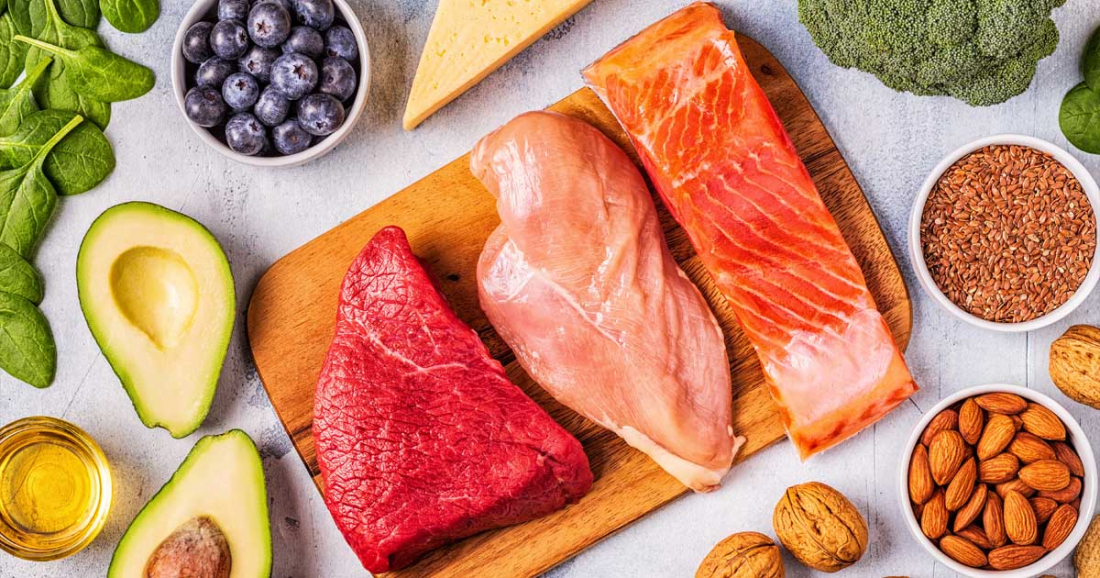
If your goal is to build some muscle, again, adequate protein intake is crucial. Protein intake before and after training is especially crucial. Because blood from the digestive tract moves to the stressed parts of the body during a workout, it is ideal to take in nutrients in liquid form after the workout. That's where high-quality whey protein comes in, which is precisely designed for the post-workout period because it does not overload the digestive system, but still provides the body with the necessary nutrition and stimulates muscle protein synthesis.
Protein also plays a role as protection for muscle mass during reduction. It will not be news to you that we have to create a calorie deficit when trying to lose some pounds. But if it is too pronounced, or if you severely restrict your carbohydrate or fat intake, it is possible that your body will start to use protein for energy. I won't bore you with chemical reactions and complicated descriptions of how this happens, so we'll keep it very brief.
In short, if there are not enough amino acids available, the body will start to break down its own muscle tissue and take protein from there. This logically leads to a loss of muscle mass and a slight slowdown in metabolism, and you really don't want that. That's why we should make sure that our caloric deficit is set sensibly and includes macronutrient ratios that reflect our needs and are in line with our goals.
Not only for building and protecting muscle mass, but protein intake is also essential for bone health, and proper immune system function. In this regard, we must again highlight the benefits of post-workout protein sipping. Not only does the intake of quality whey protein have a positive effect on stimulating muscle protein synthesis, but it can also support immunity, which tends to be reduced after a hard workout. This is because whey protein contains glutathione, a tripeptide that helps boost immune function.
But how much protein do women actually need and where to find it?
Such a simple question, and such a complicated answer. In fact, optimal protein intake (like any other macronutrient) is highly individual. We have to take into account a whole range of factors from the physical ones, to daily activity, to the goals we have with our bodies. But what we can say is that for active women, for women who are trying to lose some pounds or build muscle, a higher protein intake is appropriate. Protein intake should be roughly between 1.5 - 2.2 grams per kilogram of body weight.
As far as sources are concerned, the best ones include all kinds of meat, eggs, dairy products, cheese, tofu, miso, nato, legumes and last but not least the often mentioned protein powder, which is accompanied, especially by women, by many myths. It is the myths and half-truths that circulate in this sector that cause women to have completely distorted ideas about what a sufficient intake of protein will do to their bodies and what the effects of protein powders actually are. So you know what? Let's get this straight once and for all!
Women and the myths surrounding protein powders
Protein makes you a man.
We probably can't start anywhere else but with the sentence, "Protein makes your muscles grow, no thanks, I don't want to be a man." Although there are many different types, brands and flavours on the market, I can assure you that none of them can work such a miracle that you can grow giant muscles just by eating it. Protein is designed to be an ideal source of nutrients after a workout, but it can be consumed at any other time of the day, or used to boost the protein content when baking healthy treats.
The primary purpose of using protein is simple - to supplement the necessary intake of protein in the diet that we can not manage to take in the diet. Protein alone will not build muscle, nor will it turn you into the opposite sex after a few scoops.
Recommended
Prom-in CFM Pure Performance

Big Zone Battle Whey
Women need a special protein powder
That there is a plethora of different products on the market, we have already mentioned. Among them, there is even a special category of protein for women. What makes them special? Nothing at all. Protein is still protein. There are no ingredients in a regular protein powder designed exclusively for men, so there's no reason to worry about growing a carpet on your chest or getting your voice all mushy all of a sudden.
The truth is that protein designed for ladies is not much different from the classic "unisex" protein, maybe in one way, and that is its price, which is often completely disproportionate to the quality. Don't fall for marketing tricks. Just because you're a woman, you really don't need a product that has pink packaging with balloons or unicorns and a special "for women" label. To make you believe that this is true, we can compare two products.
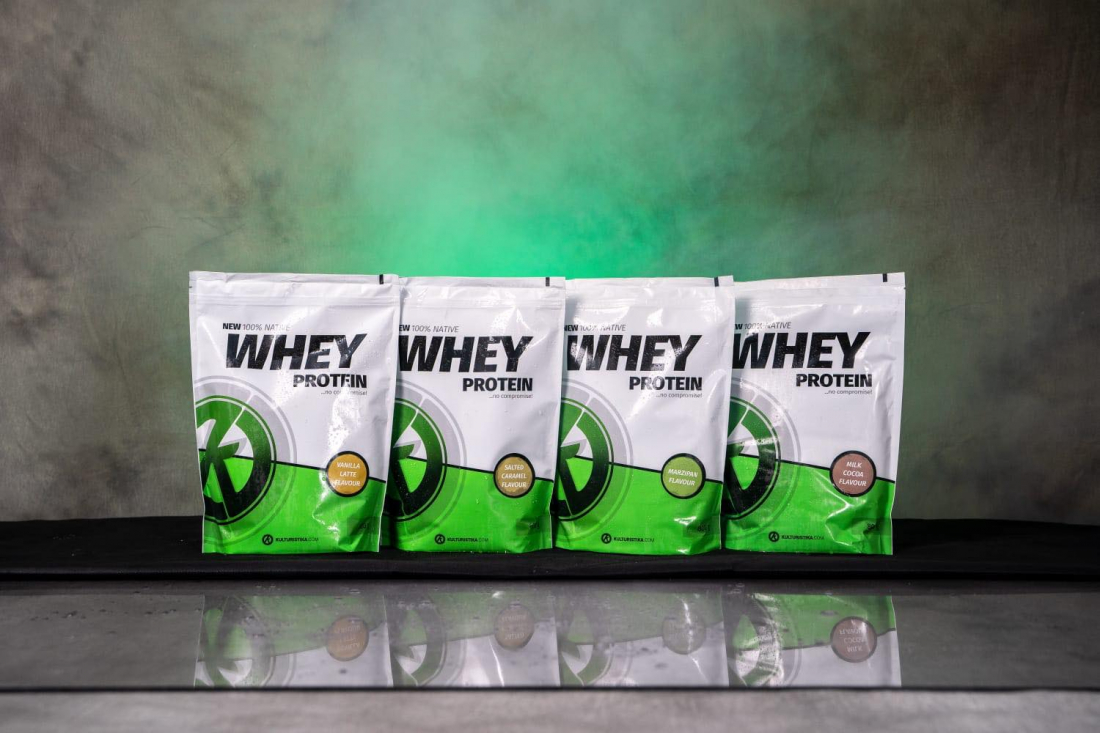
See? The women's protein doesn't contain anything extra compared to the regular protein. When you look at the price, it must be very clear that something is wrong. Higher price really doesn't automatically mean higher quality. Why pay a higher amount because someone wrapped a protein in pink packaging and labeled it "for women"? Some proteins for ladies may contain extra l-carnitine, MCT fats or green tea extract, which are amazing substances, but they are not essential ingredients that women need in proteins and have to look for products for the fairer sex.

What to take away from the article?
Even members of the fairer sex should make sure to get enough protein in their diet, especially if they are active. After all, protein has many amazing functions and its intake is pivotal not only for building muscle mass, immune system, optimal health, but also in weight loss! If you find it difficult to meet your daily protein intake, you can reach for a protein powder. You don't have to worry about growing chest hair, getting a thicker voice or becoming a walking mountain of muscle. Protein can't do those miracles. Protein is a useful supplement, but don't be lured by the pink packaging with unicorns. Women don't need any special protein for a lot of money and can reap maximum effects from quality "non-womanly" proteins.
Sources:
Lafay L, Thomas F, Mennen L, et al. Gender differences in the relationship between food cravings and mood in an adult community: results from the fleurbaix laventie ville santé study. Int J Eat Disord. 2001;29(2):195-204. doi:10.1002/1098-108x(200103)29:2<195::aid-eat1009>3.0.co;2-n
Darling AL, Millward DJ, Torgerson DJ, Hewitt CE, Lanham-New SA. Dietary protein and bone health: a systematic review and meta-analysis. Am J Clin Nutr. 2009;90(6):1674-1692. doi:10.3945/ajcn.2009.27799
Richie JP Jr. The role of glutathione in aging and cancer. Exp Gerontol. 1992;27(5-6):615-626. doi:10.1016/0531-5565(92)90015-r
Douglas Paddon-Jones, Eric Westman, Richard D Mattes, Robert R Wolfe, Arne Astrup, Margriet Westerterp-Plantenga, Protein, weight management, and satiety, The American Journal of Clinical Nutrition, Volume 87, Issue 5, May 2008, Pages 1558S-1561S, https://doi.org/10.1093/ajcn/87.5.1558S
Res PT, Groen B, Pennings B, et al. Protein ingestion before sleep improves postexercise overnight recovery. Med Sci Sports Exerc. 2012;44(8):1560-1569. doi:10.1249/MSS.0b013e31824cc363
Kerstetter JE, Kenny AM, Insogna KL. Dietary protein and skeletal health: a review of recent human research. Curr Opin Lipidol. 2011;22(1):16-20. doi:10.1097/MOL.0b013e3283419441
No posts have been made yet.