





How quickly are we able to reduce excess kilograms?
 Author:
 Fat reduction has been one of the hottest topics for a long time, and most people wonder, among other things, how quickly they can actually expect the first results. The answer will probably not surprise you that this is also very individual. It's not just calorie deficit that influences fat reduction, which is the most talked about issue, but also a whole range of other factors, all of which have their own weight. In today's article, we will look at the most important ones and how they can complicate the reduction process.
Theoretical window - how does reduction actually happen?
To start, let's review some basics of how fat reduction actually works. Weight loss usually occurs as a result of a caloric deficit, a moment when we take in fewer calories than we expend. The reverse is also true - if we consume more calories than we are able to expend, energy is stored as fat and we gain weight. If we want to maintain our weight, there should be equality between calorie intake and calorie output. But back to the reduction.
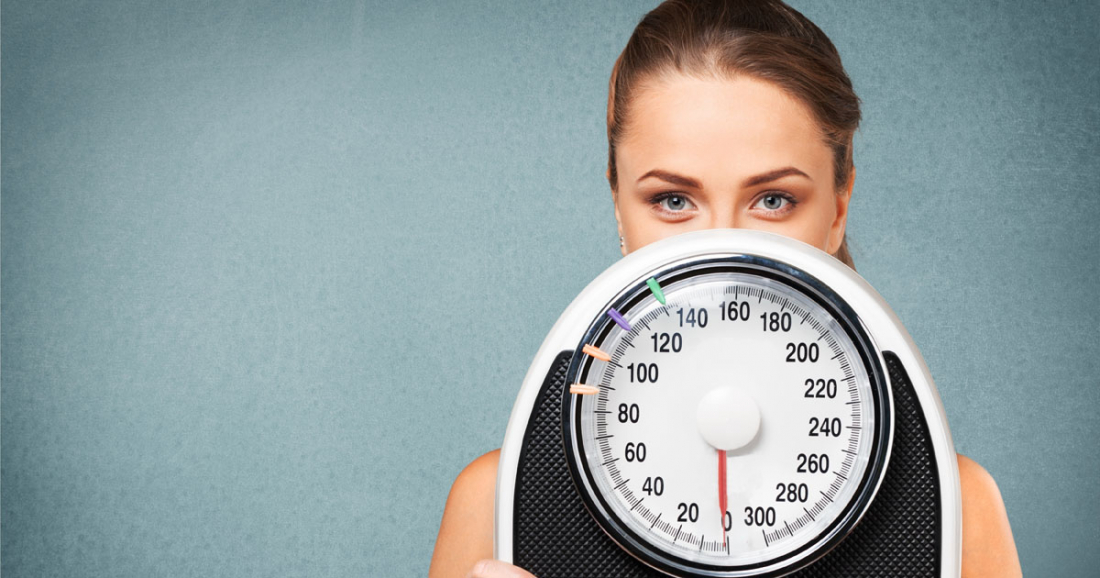
Let's take another brief look at what energy expenditure actually consists of, because of course it's not just the calories we expend in sport. Energy expenditure includes the following components:
- Resting metabolic rate (BMR - Basal Metabolic Rate). This figure represents the number of calories the body needs to maintain basic bodily functions such as breathing and pumping blood, organ function, etc. It is therefore the number of calories the body needs to function without doing anything else. Our daily calorie intake should not be lower than the basal metabolic rate at any cost.
- Thermal effect of food (TEF). This number represents the number of calories the body burns in digesting, absorbing and metabolizing the food it takes in. It should also be mentioned that each macronutrient has a differently sized thermal effect. Protein has the highest thermic effect, specifically 20-30%. This means that out of 100 calories from protein, only approximately 70-80 kcal are absorbed into our body, depending on the type of protein ingested. The thermic effect of carbohydrates is somewhere between 5-10%, and fats have a TEF in the range of 0-3%.
- Exercise Activity Thermogenesis (EAT). The activity thermic effect represents the number of calories you burn during purposeful sporting activities - for example, during strength training, running or any other sport you like to do.
- Non-Exercise Activity Thermogenesis (NEAT Non-Exercise Activity Thermogenesis). This component includes calorie expenditure during normal activities such as cooking, housework or anything else you do during the day that doesn't fall squarely into the category of targeted training.
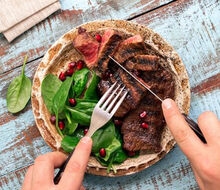
The first component, our basal metabolism, is the largest contributor to energy expenditure. Specifically, it accounts for about 60-75% of total energy expenditure. Approximately 15% is then NEAT (non-exercise activity), 10% TEF (thermal effect of food) and 5% EAT (targeted physical activity).
Calorie deficit - the alpha omega of successful weight loss
Caloric deficit. A phrase that is staring at us literally at every turn these days. We've already come across the fact that it is important for successful reduction and that it simply represents the fact that we are taking in fewer calories than we are putting out. As a result, our bodies have to "reach into their own stores" and we can reduce our weight. It is important to note, however, that the caloric deficit MUST be within reasonable limits. It shouldn't be too extreme, but then again, it shouldn't be too conservative either. The basis for calculating it is the approximate value of the basal metabolic rate, which is multiplied by a coefficient that takes into account our daily activity (i.e. the intensity of the job, the frequency of workouts, etc.) From this number we should then subtract 15-20%. The maximum recommended limit for reduction is then 30%.Equally important is what foods we fill our intake with, but we'll get to that at the end of today's article.

The moment you set your calorie deficit too high, you'll probably lose weight faster, but it may not bode well at all. In addition to the fact that a significant calorie deficit is often unsustainable in the long run, you're exposing your body to a whole host of health complications stemming from a lack of nutrients and energy. What's more, it can make you more likely to lose weight in the form of muscle mass than fat mass, and that's not exactly what we'd envision when cutting back. Experts recommend losing weight at a rate of no more than 1% of body weight per week.
Other factors that affect the rate of reduction
While caloric deficit plays a major role, there are other factors that need to be taken into account when reducing weight that can have a significant impact in this regard. Which factors are we talking about?
Starting weight
It probably won't come as much of a surprise to learn that those who start weight loss from a higher weight lose weight faster and more easily, even if they only make small adjustments to their diet, at least in appearance. On the other hand, those who want to lose the last few extra kilos will work hard. In relative terms, however, the results may be exactly the same; the number of kilograms "shed" may look smaller, but in reality it is not. That's why we need to look at weight loss a little more comprehensively than just how many kilograms we've lost. Don't forget to look at measurements, clothing sizes and compare photos too! Not all progress happens on the scale.

Gender
Although it's damn unfair, men really do have quite significant advantages in this regard. In fact, women usually have a higher percentage of body fat than men, and therefore their basal metabolic rate is slightly slower - reported to be around 5-10%. This means that women generally burn 5-10% fewer calories than men at rest, and therefore men tend to lose weight faster and "more easily". However, a higher percentage of fat in women is not entirely detrimental - women need a certain percentage of body fat to allow their reproductive organs, for example, to function properly. And, of course, this does not mean that women cannot lose weight beautifully and comfortably if they have a proper calorie deficit combined with adequate physical activity.

There is also a difference in where fat is stored by each gender - the female body also tends to accumulate fat in the hips and buttocks. Men tend to accumulate fat in the abdominal area, which in turn results in more serious problems. In fact, excessive fat, especially if it is in the abdominal area, can lead to a number of health complications.
Age
Well, let's pour ourselves a glass of wine... Age also plays a role in the rate of fat reduction, and quite a significant one at that. One of the many bodily changes that occur with ageing is changes in body composition - the proportion between fat and muscle tissue changes, unfortunately fat tissue increases and muscle tissue decreases. This is because as we age, we slowly become less active and our basal metabolic rate decreases. This is why many people start to gain weight as they get older. In women, this is also due to age-related hormonal changes (e.g. menopause). However, even older age does not mean that weight loss is not possible - it may just require more patience and care.
Recommended
Nebbia Dámský crop top s vysokou podporou INTENSE Mesh 842

Nebbia Legíny s vysokým pasem ELEVATED 462
Czech Virus Melatonin

Lack of sleep
Here we go again. We mention sleep a lot on our website, and rightly so. Even in the case of fat reduction, it plays a very crucial role and if we fail to provide enough of it to the body in the long term, it will affect a number of factors, not least weight loss. Chronic sleep deprivation can significantly affect the levels of hormones that are responsible for our food cravings and feelings of satiety, and we tend to seek out more calorie-rich foods. It has been shown that just one night without a good night's sleep can increase cravings for high-calorie foods such as biscuits, cakes, sugary drinks and crisps. People who don't get enough sleep have also been shown to be less active, leading to a reduction in the number of calories burned per day - and that, combined with a higher calorie intake, doesn't exactly offer an enticing prospect, let's face it.
It's also been scientifically proven that people who don't get enough sleep burn less fat and more muscle mass compared to those who get enough sleep in a weight loss program. We can find a bunch of other studies that have come to a similar conclusion, and so it's safe to say, reducing under the assumption that the individual is taking in fewer calories than they expend, but devoting insufficient time to recovery, does lead to weight loss, but it's not just fat that disappears, it's muscle mass as well. In addition to increased cravings and lack of energy, a number of other health complications are associated with lack of sleep.

Other factors that affect the speed and progress of reduction:
- Medications - there are types of medications that can affect appetite or hormone production and can therefore make it more difficult to reduce. These often include antidepressants, corticosteroids, hormonal contraceptives and others. However, their use is essential for your health, so consult your doctor first for side effects.
- Diseases - weight can also be affected by various diseases. For example, thyroid problems - when the thyroid gland produces too few hormones, it can block efforts to reduce weight and, in turn, encourage weight gain. Depression and anxiety, for example, can be another such pest when trying to reduce fat.
- Family history - whether we want to or not, genetics will always play a role. If you have a family member who is obese, there is a certain genetic predisposition that can take a toll on you when trying to reduce fat.
- Metabolic status - if you are one of those individuals who have been dieting for most of your life, and your metabolism is affected by constant dieting or starvation, you are likely to lose weight a little more slowly. It takes a lot of patience and definitely enough calories, because as mentioned earlier - the body needs energy, regardless of whether we are currently reducing fat or not.
- The time we spend in a calorie deficit - the rate of reduction also decreases with how long we have been in a calorie deficit. Of course, the longer we are in a deficit, the more its effectiveness slowly decreases and we need to continue to work with it regularly and continuously adjust it depending on the results we achieve.
What style of eating is best for fat reduction?
A very common question to which there is unfortunately no clear answer. This is because each of us is a complete individual and something a little different suits everyone. We understand that it's hard to navigate the deluge of all the modern eating styles, whose promoters race to see which one has the most benefits and is the most effective, but rather than what's in, follow what suits you personally. The truth is that there is essentially no one best eating style that is universally applicable to everyone. We all have different needs, preferences, goals, requirements, different genetics, different training loads, different jobs, different physical predispositions.. and that's why we each need our own eating style tailored directly to our individuality.

The basic premise is that the eating style we take is sustainable in the long term and that it respects the needs of our body. Our dietary style should provide enough flexibility and should include mostly fresh, minimally processed foods of the highest possible quality. Give your body plenty of fruit and vegetables, which are rich in vitamins, minerals and essential fibre. Don't forget sources of good quality protein such as lean meat, dairy products, fish, eggs and protein powder. Complex carbohydrates, such as rice, potatoes, sweet potatoes, buckwheat, oatmeal, quality breads, and more should not be missed. The last ingredient that should not be missing in the diet is fats. Add avocados, nuts, good quality vegetable oils, eggs or oily fish to your diet. Incorporating these foods into your diet will not only promote fat reduction, but also overall health.
Combine foods to meet your preferences while maintaining a reasonable calorie deficit. The diet should be combined with a reasonable amount of physical activity to promote muscle growth and fat reduction. Do not forget to get enough sleep, which is also absolutely crucial for weight loss, even though we are often unable to admit it. In conclusion, I will not forgive myself for a note to keep in mind that a lower number on the scale is not worth a messed up health and approach the reduction without extremes, with reason and maximum respect for your body.
What to take away from the article?
Fat reduction is a hot topic and there are a lot of questions surrounding it. One of the most common is how fast we can actually lose weight. Today we're told that like most other things related to nutrition and fitness, the speed of weight loss is completely individual and can be affected by a variety of factors. From physical disposition, age, gender, to daily activity, diet, training load, to genetics, metabolic status or medications taken. It is also important to remember that weight loss is not a linear process. Some weeks you will lose more weight, other weeks you may be losing less or none at all. And it's perfectly okay to do so.
Sources:
McMurray, R. G., Soares, J., Caspersen, C. J., & McCurdy, T. (2014). Examining variations of resting metabolic rate of adults: a public health perspective. Medicine and science in sport and exercise, 46(7), 1352-1358. https://doi.org/10.1249/MSS.0000000000000232
Christensen, P., Meinert Larsen, T., Westerterp-Plantenga, M., Macdonald, I., Martinez, J. A., Handjiev, S., Poppitt, S., Hansen, S., Ritz, C., Astrup, A., Pastor-Sanz, L., Sandø-Pedersen, F., Pietiläinen, K. H., Sundvall, J., Drummen, M., Taylor, M. A., Navas-Carretero, S., Handjieva-Darlenska, T., Brodie, S., Silvestre, M. P., ... Raben, A. (2018). Men and women respond differently to rapid weight loss: metabolic outcomes of a multi-centre intervention study after a low-energy diet in 2500 overweight, individuals with pre-diabetes (PREVIEW). Diabetes, Obesity & Metabolism, 20(12), 2840-2851. https://doi.org/10.1111/dom.13466
St-Onge, M. P., & Gallagher, D. (2010). Body composition changes with aging: the cause or the result of alterations in metabolic rate and macronutrient oxidation. Nutrition (Burbank, Los Angeles County, Calif.), 26(2), 152-155. https://doi.org/10.1016/j.nut.2009.07.004
Brondel, L., Romer, M. A., Nougues, P. M., Touyarou, P., & Davenne, D. (2010). Acute partial sleep deprivation increases food intake in healthy men. The American journal of clinical nutrition, 91(6), 1550-1559. https://doi.org/10.3945/ajcn.2009.28523
Nedeltcheva, A. V., Kilkus, J. M., Imperial, J., Schoeller, D. A., & Penev, P. D. (2010). Insufficient sleep undermines dietary efforts to reduce adiposity. Annals of internal medicine, 153(7), 435-441. https://doi.org/10.7326/0003-4819-153-7-201010050-00006
Domecq, J. P., Prutsky, G., Leppin, A., Sonbol, M. B., Altayar, O., Undavalli, C., Wang, Z., Elraiyah, T., Brito, J. P., Mauck, K. F., Lababidi, M. H., Prokop, L. J., Asi, N., Wei, J., Fidahussein, S., Montori, V. M., & Murad, M. H. (2015). Clinical review: Drugs commonly associated with weight change: a systematic review and meta-analysis. The Journal of clinical endocrinology and metabolism, 100(2), 363-370. https://doi.org/10.1210/jc.2014-3421
Thaker V. V. (2017). GENETIC AND EPIGENETIC CAUSES OF OBESITY. Adolescent medicine: state of the art reviews, 28(2), 379-405.
Hall, K. D., Heymsfield, S. B., Kemnitz, J. W., Klein, S., Schoeller, D. A., & Speakman, J. R. (2012). Energy balance and its components: implications for body weight regulation. The American journal of clinical nutrition, 95(4), 989-994. https://doi.org/10.3945/ajcn.112.036350
No posts have been made yet.








