





Are energy drinks effective for improving performance? Find out the truth!
 Author:
 I'm sure everyone has a day when they feel physically or mentally tired and need a quick pick-me-up. Some of us catch up on energy with a cup of coffee, others reach for an energy drink. But are energy drinks really a good way to boost mental or physical performance?
Well, quite frankly - the combination of sugar, high doses of caffeine and bubbles is not something you should seek out on a regular basis, but that's what we're going to devote today's entire article to. Of course, it's not just about a quick source of energy, but it's safe to say that energy drinks are currently one of the most popular beverages among today's kids and teens, along with fizzy sodas.
But hand on heart, energy drinks may taste pretty good, but they can carry various health risks when consumed regularly. So it probably won't surprise you if the first recommendation we give you is to focus on other factors that may be sapping your energy - lack of sleep, excessive physical activity, too significant a calorie deficit, lack of essential nutrients in your diet, stress... Because we're sure that NON-EXTREME adherence to a healthy lifestyle will boost your energy - both physical and mental - much better than calorie- and caffeine-laden drinks.

Theoretical window - what are these energy drinks anyway?
An energy drink can be described as a beverage that contains high levels of stimulant ingredients (most commonly caffeine), sugar or sweeteners, and sometimes small amounts of micronutrients, and whose main purpose is to stimulate the CNS and promote alertness, concentration and performance. One can also come across energy drinks containing BCAAs, carnitine and other substances and such products are often more likely to be purchased in sports nutrition stores. Apart from the classic energy drinks, there are also various snacks available on the market, such as energy chewing gum, etc.
What substances do energy drinks most often contain?
- Sugar - a typical 500 ml energy drink contains approximately 54 to 62 grams of added sugar. According to the recommendations of health institutions, sugar intake should be at MAXIMUM 10% of the total daily calorie intake. And this limit is often exceeded with just one can of energy drink.
- Sweeteners - these are found in energy drinks labeled "sugar free". So in terms of calorie intake, they don't weigh as much as the sugar variants, but we wouldn't completely label them as healthier. The sweeteners most commonly found in energy drinks are acesulfame K, aspartame or sucralose.
- Caffeine - Caffeine is one of the essential ingredients in energy drinks and is responsible for their stimulating effect. The amount of caffeine in beverages varies, but usually ranges quite high - most drinks contain between 70 and 240 milligrams of caffeine per whole can - by comparison, a glass of cola or other fizzy soda contains about 35-40 mg of caffeine, and a smaller cup of coffee about 75 mg.
- Water - the water in energy drinks poses no risks and we think there is no need to discuss
- Vitamins B6 and B12 - these vitamins are very important to the body for proper cell function, DNA and protein production. B vitamins help cells break down carbohydrates into energy. Energy drinks often contain up to 10 times the recommended daily allowance of these vitamins. The body simply eliminates the excess without using it.
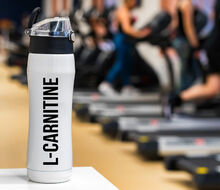
- L-carnitine - L-carnitine is a substance that our body naturally contains. It affects fat metabolism, is important for proper muscle function, stimulates cognitive function and helps regulate blood sugar levels. We have dedicated a very comprehensive article to carnitine and you can read it here.
- Taurine - taurine is an organic substance that occurs naturally in our body. It has antioxidant properties and functions as a neurotransmitter (transmits nerve impulses). Taurine influences a variety of processes related to muscle function and energy use, which is why it is quite common in energy and pre-workout supplements.
- Guarana/Brazilian Cacao - Guarana is also a source of caffeine and used again to help boost energy and alertness.
- Citric Acid - This weak acid is used as a flavoring in food and drinks and acts as a natural preservative. In small amounts it is completely harmless, but in higher concentrations it can irreversibly damage tooth enamel.
- Preservatives - in addition to citric acid, energy drinks may also contain potassium sorbate, sodium benzoate or even both. Preservatives are often the subject of health debates, but let's face it, these substances are not particularly beneficial to health.
Many of the substances that are contained in energy drinks can have positive effects on our bodies. The problem is that in energy drinks these beneficial substances are literally killed by the excessive amounts of sugar and caffeine. Therefore, we would definitely not recommend drinking energy drinks on a regular basis.
Of course - if you can't do without an energy drink, it's okay to have one from time to time, but definitely opt for the sugar-free option. Be sure to keep in mind, however, that when consuming energy drinks, you need to keep your additional caffeine intake in check, as it can be easy to overdose or experience negative effects associated with too much caffeine.


You may also see a type of drink on the market called 'sports drinks' - these are usually caffeine-free (or at least not in such large quantities) and contain electrolytes such as sodium and potassium to help keep the body adequately hydrated. So sports drinks may seem like a great option because they help us replenish fluids and electrolytes while we exercise, but they're still sweetened drinks that contain colors, artificial flavors, and other ingredients that your body doesn't need to ingest on a regular basis
To drink or not to drink energy drinks?
Most people consume energy drinks with the vision of supporting mental and physical performance. But is consuming these drinks healthy? Of course, it depends on the specific type of drink and also the frequency with which we sip it. Because it's one thing to have a NOCCO once a month at the bar at the gym, and another to start each day with a half-liter can of energy drink to be able to function at all.
While some energy drinks contain vitamins, minerals, amino acids and other compounds designed to induce a feeling of alertness, research suggests that the stimulating effects of energy drinks are primarily due to their high caffeine content. Reasonable amounts of caffeine may not be harmful to most adults, but in more caffeine-sensitive individuals, children and adolescents, higher levels of caffeine may cause health problems or nausea. It is also not recommended for pregnant women.
Recommended
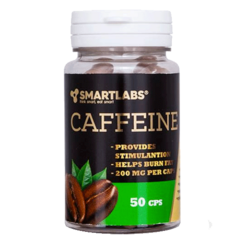
Smartlabs Caffeine
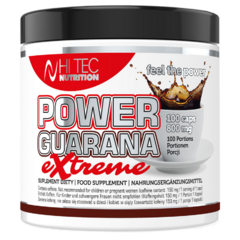
HiTec Power Guarana
So what are the negatives of frequent or excessive drinking of energy drinks? For example, caffeine overdose can lead to excessive fatigue, nervousness, headaches, heart rhythm problems, sleep problems, diarrhoea, dehydration or even chest pressure leading to heart attacks. Energy drinks also often contain large amounts of sugar, which both enhances the effects of caffeine but also leads to a significant increase in calorie intake, which can result in weight gain and may contribute to the development of diabetes or obesity.
Last but not least, energy drinks do not have a doubly positive effect on dental enamel health. Studies in America have also shown that consuming energy drinks that contain a lot of caffeine (especially when mixed with alcohol) can have harmful effects on the brain and cardiovascular system of young people. Sweet, caffeinated drinks can also worsen symptoms in people suffering from asthma, high blood pressure, anxiety, seizures and irritable bowel syndrome.
Healthy alternatives to energy drinks
We've already said that regular consumption of energy drinks isn't exactly ideal for your health... Unlike commercial energy drinks, you can make a simple, natural drink to boost your energy and alertness at home, using only ingredients that are actually good for your health. Natural energizers include:
- Regular coffee - coffee is a natural source of caffeine, and if you take it in reasonable doses and strategically, you can reap the many different benefits that caffeine itself has. Caffeine is a powerful CNS stimulant and because of this it can boost our concentration, athletic performance, stamina and strength, which all athletes, students, those who are in a reduction and working people will appreciate. Caffeine also helps to slightly increase the metabolic rate and aids the use of fat for energy production. However, in the case of caffeine, it is definitely a good servant but a bad master and it is not advisable to overdo it with its amount.
- Green tea - green tea is one of the most popular beverages, and it has a lot of positive effects for the body. Green tea naturally contains some caffeine, but a little less than coffee. It is also high in antioxidants, especially catechins, which are effective in fighting free radicals. In addition, green tea contains substances that may slightly promote fat burning. Matcha green tea is particularly effective for boosting energy.
- Yerba Maté - Yerba Maté is a type of tea from South America that has a greenish color and an earthy, herbal aroma. It contains polyphenols and other antioxidants and has both anti-inflammatory and anti-cancer effects. It also stimulates the CNS and promotes alertness and concentration.
Other ways to naturally boost energy levels
In addition to drinks, there are, of course, a number of ways, routines and activities you can practice to enjoy plenty of energy.
- Sleep. For example, getting enough sleep is essential not only for having enough energy, but for health in general. Adults should try to get an average of seven to nine hours of sleep to avoid sleep deprivation and feel as alert and productive as possible.
- Movement. When we talk about health and having enough energy, we definitely can't neglect regular physical activity. In addition to keeping your whole body busy and tired during it, you will do something for your health, improve your mood, boost productivity and, last but not least, the quality of your sleep.
- Diet. Of course, we can't forget to mention that a proper caloric intake and a balanced diet are also important for getting enough energy. Focus on making sure that your diet contains the highest quality foods in as natural a form as possible. Avoid extreme dietary guidelines, excessive caloric deficits and restricting individual macronutrients. Of course, the diet goes hand in hand with a sufficient drinking regime - ideally in the form of pure water.

- Stress. Stress touches everyone's life - sometimes more, sometimes less. Stress, however, does not bring anything positive to the body, and on the contrary, it can really torment it. Chronic stress is often one of the main factors contributing to loss of energy, impaired concentration, can cause digestive problems and can have a negative effect on our health in general. So don't forget to vent your stress in some way - through sport, a walk in nature, reading, a sauna, meeting friends... in short, anything that makes you happy.

- Bet on the power of herbs. Even herbs can be energizing and energizing. Try ginseng or ginkgo biloba, for example, plants that are known for their positive effect on energy levels.
What to take away from the article?
Energy drinks are among the most popular beverages, but their effects on human health are quite controversial. Especially the sugar-containing variants are more harmful than beneficial. Energy drinks shouldn't be part of our drinking regime too often, but occasional consumption certainly can't hurt. If you feel tired often, address the cause first - lack of sleep, too extreme a calorie deficit, too much stress, etc. You can also use healthier alternatives to energy drinks, such as coffee, matcha green tea, or Yerba Maté, to boost physical and mental performance.
Sources:
https://www.cdc.gov/healthyschools/nutrition/energy.htm
https://www.nccih.nih.gov/health/energy-drinks
https://www.center4research.org/energy-drinks-caffeine-calories/
Seifert, S. M., Schaechter, J. L., Hershorin, E. R., & Lipshultz, S. E. (2011). Health effects of energy drinks on children, adolescents, and young adults. Pediatrics, 127(3), 511-528. https://doi.org/10.1542/peds.2009-3592
Jackson, D. A., Cotter, B. V., Merchant, R. C., Babu, K. M., Baird, J. R., Nirenberg, T., & Linakis, J. G. (2013). Behavioral and physiologic adverse effects in adolescent and young adult emergency department patients reporting use of energy drinks and caffeine. Clinical toxicology (Philadelphia, Pa.), 51(7), 557-565. https://doi.org/10.3109/15563650.2013.820311
No posts have been made yet.








