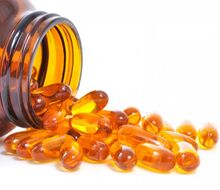
Too much is too much - the consequences of vitamin overdose
 Author:
 From all sides we are told that we should pay due attention to micronutrients, vitamins and minerals, and now practically multiple attention. Of course, there is nothing wrong with taking vitamins, and we welcome and recommend it, because few of us can meet the necessary intake through diet alone, but as with everything else, vitamins should be taken in moderation, in reasonable doses, and too much of anything is harmful. Let's take a look today at what overdosing on the most well-known vitamins looks like in practice.
Taking vitamins is a very normal part of life for most active people, and although most supplements contain recommended doses, we tend to overdo it a bit and sometimes increase the doses many times over. Consumers are bombarded with information telling them that taking higher doses of certain vitamins benefits their health in many ways. However, too much of certain nutrients can be dangerous, even life-threatening. For most vitamins, however, it is much riskier and much more common to be deficient (hypovitaminosis) than to take an excess (hypervitaminosis).
Content
- Theoretical window - there is no such thing as a vitamin
- 1) Water-soluble vitamins
- 2) Fat-soluble vitamins
- Potential risks of vitamin overuse
- 1) Complications from taking high doses of a water-soluble vitamin
- 2) Side effects associated with excessive intake of fat-soluble vitamins
- Is it possible to overdose on vitamins in a way that is fatal?
- Optimal dosage
- What to take away from the article
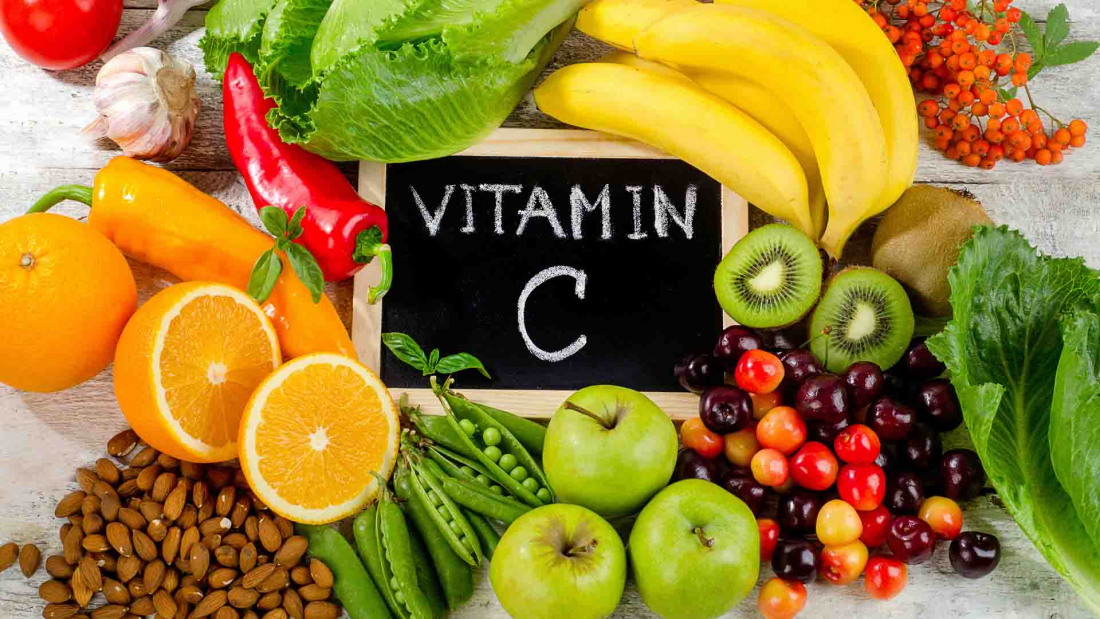
Theoretical window - there is no such thing as a vitamin
There are 13 essential vitamins, plus some belong to the group. Compounds that belong to one vitamin group are called vitamers (e.g. vitamin C is made up of ascorbic acid and dehydroascorbic acid), vitamin precursors are called provitamins (e.g. alpha-, beta- and gamma-carotene, their conversion in the body produces vitamin A). Vitamins can be simply divided into two groups - fat-soluble and water-soluble. Let's introduce each group a little more closely.
1) Water-soluble vitamins
Water-soluble vitamins are easily excreted from the body and, with the exception of B12, are not stored to any great extent, so we need to get them regularly from our diet and supplements. There are also more representatives in this vitamin group than in the fat-soluble group. The water-soluble vitamins include:
- Vitamin C
- Vitamin B1 (thiamine)
- Vitamin B2 (riboflavin)
- Vitamin B3 (niacin)
- Vitamin B5 (pantothenic acid)
- Vitamin B6 (pyridoxine)
- Vitamin B7 (biotin)
- Vitamin B9 (folate)
- Vitamin B12 (cobalamin)
Because water-soluble vitamins are not stored by the body, meaning that the body does not build up a store of them, but their excess is excreted in the urine, it is quite unlikely that any problems will occur with high doses. However, overuse of some water-soluble vitamins can potentially lead to undesirable side effects. For example, prolonged use of very high doses of vitamin B6 can theoretically lead to irreversible nerve damage, and taking large amounts of niacin (that is, over 2 grams per day) can cause liver damage.

2) Fat-soluble vitamins
Unlike water-soluble vitamins, fat-soluble vitamins do not dissolve in water and are more easily stored in the body's tissues. What vitamins belong to this group? There are four, and I'm sure you remember the school biology lesson for easy memorization of the representatives of this group (from) ADEK, and they are vitamins:
- Vitamin A
- Vitamin D
- Vitamin E
- Vitamin K
Because fat-soluble vitamins can accumulate in the body, taking higher doses of these nutrients is more likely to lead to toxicity than water-soluble vitamins. Excessive doses of vitamin A, D or E can cause adverse effects, but their hypervitaminosis is quite rare. Alternatively, high doses of non-synthetic vitamin K appear to be relatively harmless and therefore no upper limit of recommended intake has been set for this nutrient. Upper intake limits are set to indicate the maximum dose of a nutrient that is unlikely to cause any problems in the majority of the healthy population.
Potential risks of vitamin overuse
When vitamins are consumed through a natural diet, it is unlikely that these nutrients would cause any harm even if consumed in large quantities. Yet, we often reach for them in supplement form, which we tend to take more of than necessary, and in the long run these excessive doses can cause problems. So let's take a look at what the complications can look like in practice, although they are really rare and much more often people struggle with vitamin deficiencies.
Complications caused by taking high doses of a water-soluble vitamin
When taken in excess, some water-soluble vitamins can cause adverse effects, some of which can be dangerous, but the complications are not as severe as with fat-soluble vitamins. However, like vitamin K, some water-soluble vitamins have no observable toxicity and therefore have no set maximum dose. These vitamins include vitamin B1 (thiamine), vitamin B2 (riboflavin), vitamin B5 (pantothenic acid), vitamin B7 (biotin), and vitamin B12 (cobalamin).

It is important to note that although these vitamins have no observable toxicity, some of them may interact with drugs and interfere (skew) blood test results. Therefore, attention should be paid to dosage with all nutritional supplements. The following water-soluble vitamins have maximum doses because they cause problems at higher doses:

Vitamin C - Although vitamin C has relatively low toxicity, high doses can cause gastrointestinal disturbances, including diarrhea, cramps, nausea, and vomiting. At abnormally high doses of vitamin C (around 6 grams), migraines may occur. Otherwise, a slight excess will simply
Vitamin B3 (niacin). If niacin is taken in the form of nicotinic acid and in amounts of around 1-3g per day, these doses can lead to high blood pressure, abdominal pain, can have a negative effect on eyesight and liver damage.
Vitamin B6 (pyridoxine). Prolonged overconsumption of vitamin B6 can cause severe neurological problems, skin lesions, sensitivity to light, nausea and heartburn. Most of these symptoms occur with an intake of 1-6 grams per day.
Vitamin B9 (folate). Too much folate or folic acid in supplement form can affect mental health, negatively impact the immune system, and can mask a potentially serious vitamin B12 deficiency. What does the practice say about injectable vitamin B12?
Reactions to high doses of vitamins are strongly individual. For example, although vitamin C in higher doses is unlikely to cause toxicity in healthy people, but in patients with haemochromatosis, an iron storage disorder, it can cause tissue damage and lead to fatal cardiac abnormalities. Thus, reactions to high doses of vitamins vary not only from individual to individual, but also between age groups and especially between healthy people and people suffering from a disease. As already mentioned, usually higher doses of these vitamins are excreted without major complications in the urine, only with prolonged overuse of high doses can problems occur.
Side effects associated with excessive intake of fat-soluble vitamins
Because fat-soluble vitamins can accumulate in the tissues of the human body, they can cause much greater problems when taken in high doses, especially in the long term, than water-soluble vitamins. With the exception of vitamin K, which has a low potential for toxicity, the remaining three fat-soluble vitamins have a set maximum value because of their potential to cause rather negative effects at high doses. Here are some side effects associated with excessive consumption of fat-soluble vitamins:
Vitamin A - Although vitamin A toxicity, or hypervitaminosis A, can occur even when consuming foods rich in vitamin A, we are much more likely to go into excess through supplementation. Symptoms of vitamin A excess include nausea, increased intracranial pressure, coma, and in the worst cases, even death.
Vitamin D - Toxicity from taking high doses of vitamin D supplements can lead to negative symptoms such as weight loss, loss of appetite and irregular heart rhythms. It can also increase blood calcium levels, which can lead to serious organ damage.
Vitamin E - High doses of supplements containing vitamin E can impair blood clotting, cause bleeding and, at worst, lead to stroke
Although vitamin K has a low potential for toxicity, it can interact with some drugs such as antibiotics.

Is it possible to overdose on vitaminsin a way that is fatal?
Although it is extremely rare to die from a vitamin overdose, there are rarely cases of toxicity-related deaths following excessive doses of vitamins. For example, hypervitaminosis A can be caused by taking one large dose of more than 200 mg of vitamin A, or by chronic use of more than ten times the recommended daily intake. Toxicity following excessive use of vitamin A can lead to serious complications such as vomiting, drowsiness, appetite, coma and potentially fatal organ damage.

Excessive use of vitamin D - more than 50,000 IU per day - over a long period of time can lead to high levels of calcium in the blood (hypercalcemia), which can lead to death. Overdosing on other vitamins can also cause potentially fatal side effects such as liver damage. For example, taking very high doses (more than 5 grams) of extended-release niacin can lead to metabolic acidosis, acid build-up in body fluids, and acute liver failure - both of which can be fatal. Keep in mind that these potentially lethal side effects are associated with the use of extremely high doses of vitamins. Still, it is important to pay attention to the correct doses, and especially to your own body's reactions.
Optimal dosage
For each of our articles on vitamins and minerals, we provide a sort of guideline recommended dosage. You will find the same on all supplements containing them. One of the most effective ways not to overdo it with vitamins is to eat a varied and maximally balanced diet and a good quality multivitamin. However, many people need to supplement with extra vitamins for health reasons. Taking vitamins and minerals is especially important for active individuals, the elderly, individuals with chronic conditions and people who have a very particular dietary style, as few of us can take in the optimal amount from our diet.
Most vitamins are perfectly harmless in reasonable doses. But what are those reasonable doses?
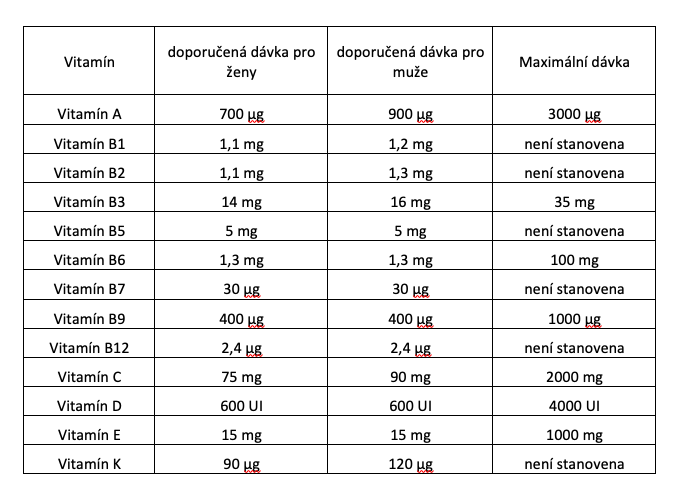
Because of potential toxicity, it is not recommended to take vitamins in doses higher than the recommended doses and maximum upper limits. The only time you should take more than the upper limit is when your doctor recommends that you do so. As mentioned in the introduction, excessive intake of vitamins is relatively rare, but most of the population struggles with vitamin deficiency. The most deficient vitamin is vitamin D, which is crucial to health, and acute deficiency can be "treated" by injection, even at a dose higher than the stated maximum.
Although most vitamins contain information on how much we should take and at what dose, dosage needs are individual, as are most things related to nutrition and sport. If you are in any doubt about the dose you need, it is best to consult your doctor about taking and the dose of vitamins you need.
What to take away from this article
Taking vitamins is in most cases trouble-free and highly desirable, because what are we going to say.. few of us are able to meet the necessary levels through diet alone. Still, we should stick to the old adage "everything in moderation" and realize that less is sometimes more. Excessive doses of vitamins are not particularly beneficial, perhaps even the opposite, and long-term overuse of vitamins has a negative impact on health that can be fatal. For these reasons, it is important to take vitamins responsibly and consult a doctor or other insider if you have questions about the correct dosage. The truth is that vitamin excess is very rare and the vast majority of the population suffers from vitamin deficiency as well as protein overdose.
Recommended
Czech Virus Supreme Maca

Czech Virus Testo Virus Part 1

Nebbia Teplákové šortky 6” MUSCLE MOMMY 624
Sources:
https://www.ncbi.nlm.nih.gov/pmc/articles/PMC6211325/
https://www.ncbi.nlm.nih.gov/pubmed/28827489
https://www.ncbi.nlm.nih.gov/books/NBK538510/
https://www.ncbi.nlm.nih.gov/pmc/articles/PMC5241405/
https://www.ncbi.nlm.nih.gov/pmc/articles/PMC4655642/
https://www.ncbi.nlm.nih.gov/pmc/articles/PMC3191699/
https://www.ncbi.nlm.nih.gov/pubmed/31641640
https://www.ncbi.nlm.nih.gov/pmc/articles/PMC5906759/
https://ods.od.nih.gov/factsheets/vitaminK-HealthProfessional/
https://ods.od.nih.gov/Health_Information/Dietary_Reference_Intakes.aspx
https://ods.od.nih.gov/factsheets/VitaminC-HealthProfessional/
https://www.ajkd.org/article/S0272-6386(15)01163-4/fulltextxml
No posts have been made yet.