





A miracle or a hoax? Know the truth about L-Carnitine
 Author:
 L-Carnitine is the supplement around which the most question marks float and divide the lay and professional public into two camps. Many people expect miracles from L-Carnitine, which is why they later label it useless or dysfunctional, because they have no idea how it works and what to expect from it. This myth-coated supplement is proven to have many amazing effects - from enhancing athletic performance, antiaging effect, stimulating cognitive function to promoting fat burning. L-Carnitine is a very effective supplement and we will convince you of that!
Article Content:
- Theoretical window - what is carnitine?
- What are the theoretical benefits of L-carnitine?
- The best food sources
- Supplementation and recommended dosage
- Possible side effects
- What to take away from the article?
Theoretical window - what is carnitine?
Carnitine is a molecule derived from the amino acids lysine and methionine that is naturally produced in the liver and kidneys. It is presented as an amino acid, but in reality it is not quite a typical amino acid. This substance is very specific and is considered to be "in between" a vitamin and an amino acid. This does not change the fact that it brings many benefits. L-carnitine helps transport fats, especially long-chain fatty acids, into the mitochondria of cells. Only there can they be oxidised and only then can the body use them as a source of energy, i.e. for the production of adenosine triphosphate, or ATP. L-carnitine does not only perform this function during exercise, but also during regeneration. It has a special effect during intense training, at least as studies suggest.
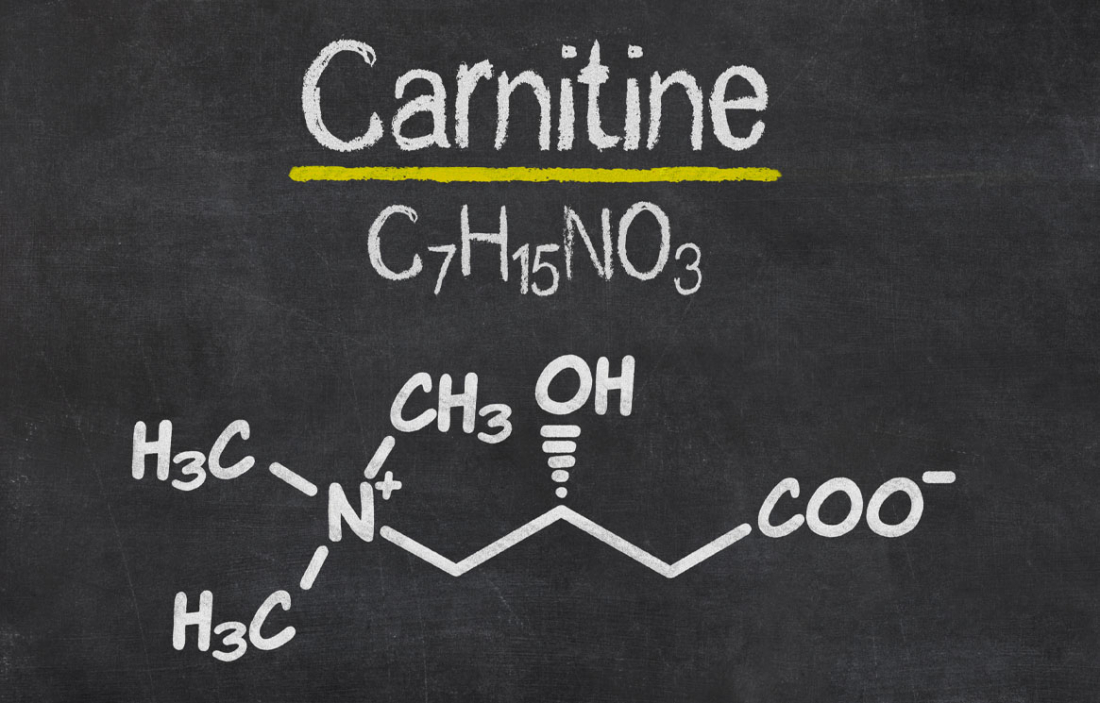
L-carnitine deficiency is not beneficial at all. It can lead to muscle weakness, growth problems, enlarged liver and other not so pleasant problems. This is one of the reasons why L-carnitine is considered a "conditionally essential" nutrient: In other words, although the human body produces it, it can 't always produce enough of it, so it's a good idea to supplement it , especially if you follow a more restricted diet with a minority of animal products, as these are the best natural sources of L-carnitine.
Since L-carnitine is mainly found in animal products, vegetarians, vegans and other people who follow a restrictive or restricted diet are most at risk of deficiency. Many people take L-carnitine as a way to accelerate weight loss and fat burning, but the benefits of carnitine are much richer. For example, it has the effect of improving brain function, preventing muscle damage, regulating blood sugar levels and increasing endurance, and the list of benefits doesn't end there. Sounds pretty good, don't you think?

Carnitine occurs naturally in two forms/isomers: L-carnitine and D-carnitine. L-carnitine is the active form that plays a role in metabolism and energy production. Carnitine is produced by the body in certain amounts, but it can also be ingested in food or taken as a supplement. Carnitine deficiency can be caused by inadequate intake, excessive loss of nutrients through diarrhea, liver disorders, due to overuse of certain medications, or possibly due to genetic disorders.

Carnitine can be found in several different forms. The most common ones include:
- Acetyl-L-carnitine. It is beneficial for brain health and memory, and is processed to be able to pass easily through the blood-brain barrier.
- D-Carnitine: Also known as the inactive form of carnitine, supplementation with this form can actually cause carnitine deficiency by blocking the absorption of other active forms.
- L-carnitine L-tartrate: This type is often found in sports supplements due to its ability to reduce muscle soreness and increase physical performance.
- Propionyl-L-carnitine: This form helps to increase nitric oxide levels in the body, which dilates blood vessels to promote better blood flow.
- L-Carnitine Fumarate: A form in which carnitine is bound to tartaric acid (fumaric acid). Research suggests that this type of carnitine could help support bone health and prevent bone weakening associated with increasing age.
The main benefits of L-carnitine
Now, let's talk together more about the benefits that l-carnitine offers.
Increases endurance
Because L-carnitine plays an important role in energy production, many athletes of various industries use it as a way to boost endurance and increase energy levels. In a study from Turkey published in the Journal of Strength and Condition Research, it was found that giving three to four grams of L-carnitine to soccer players before training extended the time when the subjects began to feel exhausted. Other studies have shown similar results, so it's safe to say that taking L-carnitine may have an effect on improving endurance. For this reason, endurance athletes such as runners, swimmers or cyclists may benefit from supplementation with this substance.
Promotes fat reduction
Many people look to L-carnitine as a way to shed unwanted extra pounds and lose weight quickly. However, L-carnitine is not some miracle pill that will burn fat on its own. However, L-Carnitine is actually a very effective tool in this regard, you just need to understand how it actually works. We can say that carnitine has an indirect effect on fat reduction - it can be a good support for fat reduction, but only in hand with a balanced diet and adequate physical activity, so it is definitely not a supplement that can burn fat by itself. In short, don't look for something in it that isn't. In addition, you can use carnitine in the bulking period as well, as it can limit fat gain and help you create a "cleaner" bulk. And if you're bulking, then the role of L-carnitine is well known - it helps to use stored fat so that the body burns it and uses it as energy.

Prevents muscle damage
In addition to increasing endurance and promoting weight loss, this substance is also a useful supplement for athletes looking to prevent and protect against muscle damage. In a 2014 study, 21 athletes were given either L-carnitine or a placebo daily for two weeks before an athletic test. The research concluded that those who took L-carnitine had lower levels of markers that lead to muscle damage than the placebo group.
Has a positive effect on brain function
Carnitine not only has a positive effect on the physical side of the body, but also on the mental side. Research suggests that this substance can play an important role as a boost to our cognitive function and is very beneficial to mental health overall. Because of this, L-carnitine also has the ability to delay fatigue and support our alertness, concentration and mental performance. It is even being tested to aid in the treatment of Alzheimer's patients.
Helps regulate blood sugar levels
Recent research also suggests that carnitine supplementation may be effective in stabilizing blood sugar levels and combating insulin resistance. Insulin is the hormone responsible for transporting sugar from the bloodstream to the cells, where it can be used as energy. Too much insulin can lead to insulin resistance, reducing its effectiveness and leading to high blood sugar levels. Carnitine is used quite extensively as a supportive substance for blood sugar stabilization in diabetics.
Best food sources
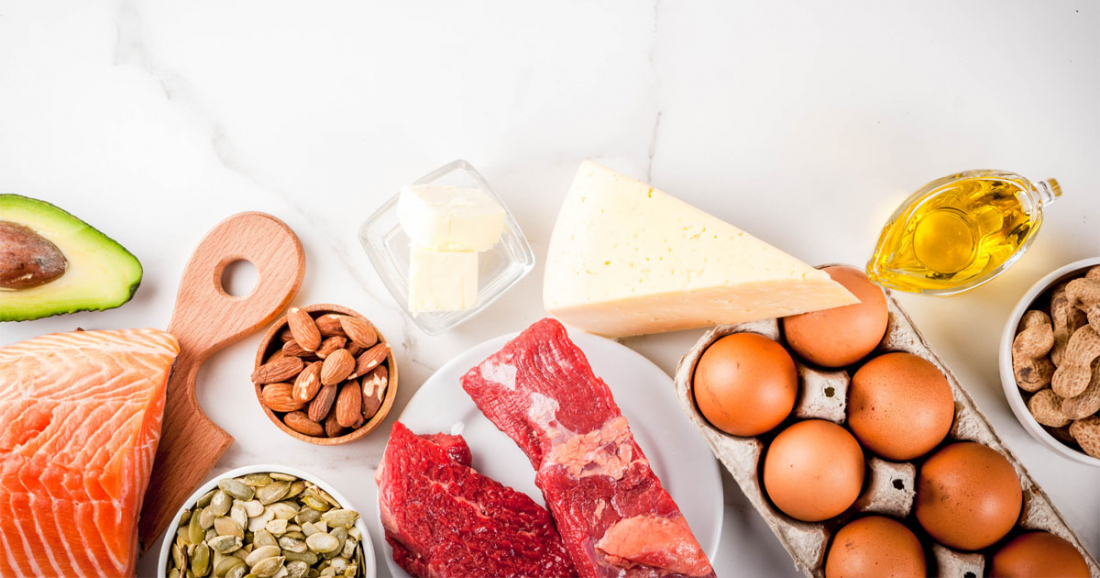
As we mentioned in the introduction, carnitine is self-generated by the body or can be ingested through diet. The best natural sources of Carnitine are animal products - the best source is beef, and it can also be found in milk, chicken or turkey, fish and cheese. It can also be found in smaller concentrations in plant products such as vegetables or cereals, for example asparagus or wholemeal bread.
Supplementation and recommended dosage
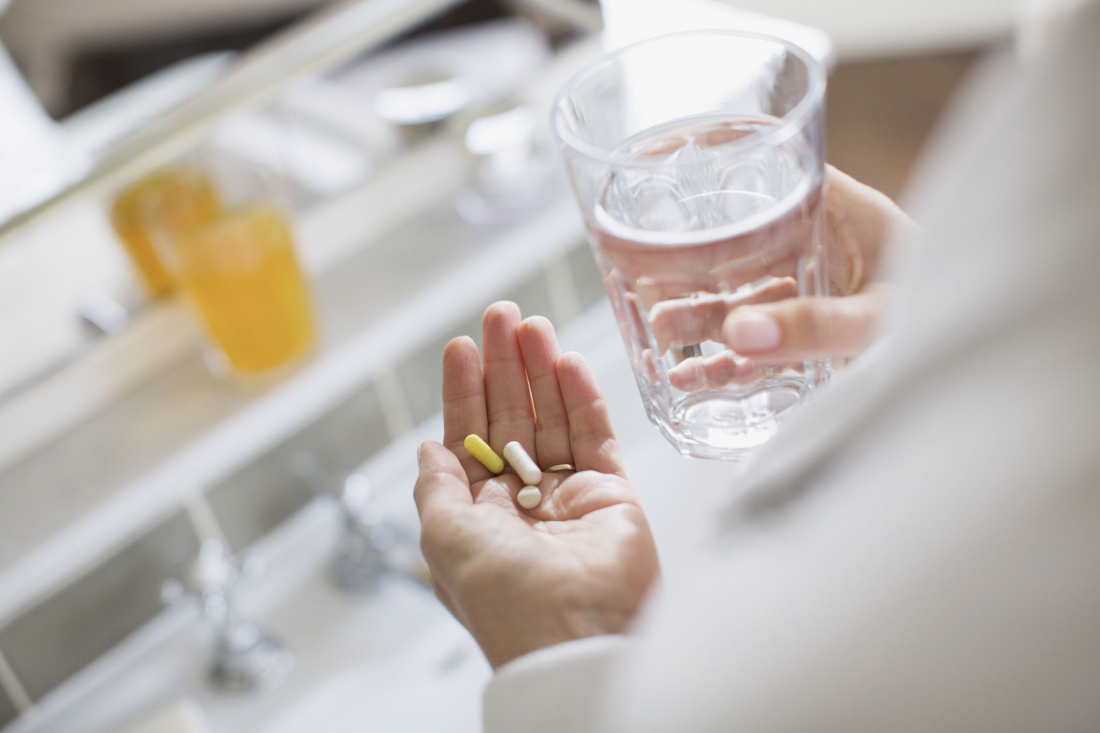
Carnitine occurs naturally in quite a lot of food sources, but it is also available in supplemental form, which can be used especially by people with a particular diet. When taken orally, i.e. swallowing capsules, it is imperative to take carnitine with a meal, ideally a carbohydrate-rich one, to maximise its use, which is why most experts favour taking it with a post-workout meal. Carnitine does not need to be cycled in any way. On the contrary, it should be taken long-term and regularly.

As for L-carnitine dosage, I'm going to awkwardly repeat myself, but the optimal dose will again be individual. The standard dose of L-carnitine is 500-2,000 milligrams per day. Based on the latest available research, a dose of up to two grams per day can be used safely and effectively with minimal side effects. The dose may also vary depending on what type of L-carnitine is used in the supplement.
For example, acetyl-L-carnitine can be supplemented in doses up to 2,500 milligrams per day, and the dose of a supplement containing L-carnitine L-tartrate, the form typically used to enhance athletic performance, can be up to 4,000 milligrams. Remember that when adding any supplement, you should always start with a lower dose and gradually increase it to see if you can tolerate the supplement without adverse side effects.
Possible side effects
When taken in reasonable doses, carnitine is safe and effective with minimal risk of side effects. Occasional side effects of L-carnitine include stomach pain, nausea, vomiting, and diarrhea. Only epileptics should beware, as L-carnitine may increase the risk of seizures. In addition, carnitine may worsen the symptoms of hypothyroidism. If you suffer from underactive thyroid, you should consult your doctor before taking this substance.
Previously, carnitine has been downplayed as a potentially harmful substance for heart health, which has only been pointed out in one very poor study with a not very telling sample, and more recent studies agree that carnitine, on the contrary, has a very positive effect on the heart. When starting to take carnitine, as with any supplement, it is best to start with a low dose and slowly increase to assess tolerance. If you experience any negative side effects, reduce the dose or contact your doctor for advice.
What can I take away from this article?
Carnitine is a pseudo amino acid that provides transport of fatty acids to the mitochondria where they can be broken down for fuel. Carnitine is produced in the body and is also found in small amounts in certain foods, especially those of animal origin. When taken as an adjunct to a balanced and healthy diet, carnitine can provide a range of health benefits. L-carnitine helps increase endurance, can promote weight loss, prevent muscle damage, enhance fat burning, increase brain function and regulate blood sugar levels, and more. Many expect miracles from it, and are disappointed. Carnitine is indeed a useful supplement, you just need to understand its function.
Recommended
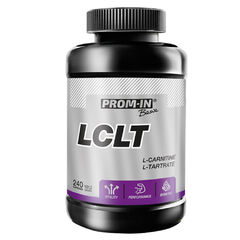
Prom-in L-carnitin
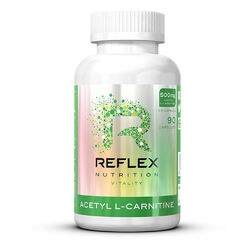
Reflex Acetyl L-Carnitine
Sources:
Nicassio L, Fracasso F, Sirago G, et al. Dietary supplementation with acetyl-l-carnitine counteracts age-related alterations of mitochondrial biogenesis, dynamics and antioxidant defenses in brain of old rats. Exp Gerontol. 2017;98:99-109. doi:10.1016/j.exger.2017.08.017
Spiering BA, Kraemer WJ, Vingren JL, et al. Responses of criterion variables to different supplemental doses of L-carnitine L-tartrate. J Strength Cond Res. 2007;21(1):259-264. doi:10.1519/00124278-200702000-00046
Rebouche CJ. Effect of dietary carnitine isomers and gamma-butyrobetaine on L-carnitine biosynthesis and metabolism in the rat. J Nutr. 1983;113(10):1906-1913. doi:10.1093/jn/113.10.1906
Panjwani U, Thakur L, Anand JP, et al. Effect of L-carnitine supplementation on endurance exercise in normobaric/normoxic and hypobaric/hypoxic conditions. Wilderness Environ Med. 2007;18(3):169-176. doi:10.1580/PR45-05.1
Orer GE, Guzel NA. The effects of acute L-carnitine supplementation on endurance performance of athletes. J Strength Cond Res. 2014;28(2):514-519. doi:10.1519/JSC.0b013e3182a76790
Pooyandjoo M, Nouhi M, Shab-Bidar S, Djafarian K, Olyaeemanesh A. The effect of (L-)carnitine on weight loss in adults: a systematic review and meta-analysis of randomized controlled trials. Obes Rev. 2016;17(10):970-976. doi:10.1111/obr.12436
Villani RG, Gannon J, Self M, Rich PA. L-Carnitine supplementation combined with aerobic training does not promote weight loss in moderately obese women. Int J Sports Nutr Exerc Metab. 2000;10(2):199-207. doi:10.1123/ijsnem.10.2.199
Parandak K, Arazi H, Khoshkhahesh F, Nakhostin-Roohi B. The effect of two-week L-carnitine supplementation on exercise -induced oxidative stress and muscle damage. Asian J Sports Med. 2014;5(2):123-128.
Malaguarnera M, Cammalleri L, Gargante MP, Vacante M, Colonna V, Motta M. L-Carnitine treatment reduces severity of physical and mental fatigue and increases cognitive functions in centenarians: a randomized and controlled clinical trial. Am J Clin Nutr. 2007;86(6):1738-1744. doi:10.1093/ajcn/86.5.1738
Rai G, Wright G, Scott L, Beston B, Rest J, Exton-Smith AN. Double-blind, placebo controlled study of acetyl-l-carnitine in patients with Alzheimer's dementia. Curr Med Res Opin. 1990;11(10):638-647. doi:10.1185/03007999009112690
Mingrone G, Greco AV, Capristo E, et al. L-carnitine improves glucose disposal in type 2 diabetic patients. J Am Coll Nutr. 1999;18(1):77-82. doi:10.1080/07315724.1999.10718830
No posts have been made yet.








