





Carnitine - positives and negatives
 Author: Šárka Randáčková
 Some chemicals are so essential to our bodies that it would be crazy to think we can do anything but good by supplying them. Creatine and its effect not only on muscle and strength, but also on bone density, brain function and other essential processes is a prime example.
In terms of weight loss, a number of molecules have been studied, such as ketones, beta-2 and beta-3 agonists, specific fatty acids, monoacylglycerides, and other hormones.
However, one key molecule, L-carnitine, is essential for the transport of free fatty acids from cells to the mitochondria where they serve as fuel for energy (ATP) production.1
L-carnitine acts like a hostess who takes you to your table in a restaurant. Free fatty acids are taken either from the bloodstream or from stores stored in metabolically active cells (e.g., skeletal muscle, heart) and moved inside cells.
Without L-carnitine, the fatty acids would either go nowhere or be stored. Like when a hostess takes a break. You then stand in random clusters around the restaurant and occasionally one of you sits at a table. But they don't eat.
Like creatine, L-carnitine is formed in many tissues, which is why healthy people usually have "enough" of it. As its L form tells us, carnitine is an amino acid. So the body can make it from other amino acids (L-lysine and L-methionine) in the kidneys, liver and brain.
However, there are examples of carnitine deficiency. Endogenous (body) production can also only make a certain amount of it, so its primary source in omnivores is diet.
The main source is meat. Red meat contains the most, poultry and fish much less. Vegans depend 90% on endogenous production only. Sounds a lot like the creatine story. The kidneys also pull carnitine back out of the urine when deficient so that it is not excreted unnecessarily.1
Why supplement with L-Carnitine?
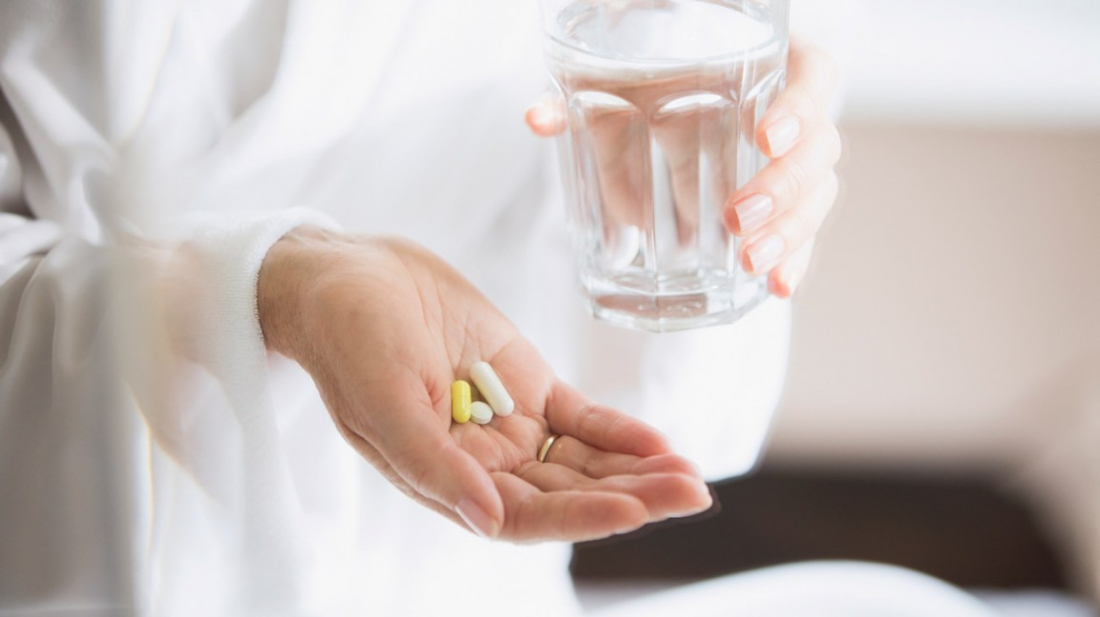
So do we need to supply the body with L-carnitine? Of course. Some people suffer from a deficiency. Mostly due to problems with transport or absorption from the diet.2
Newborns and infants may need more carnitine. What about athletes and healthy adults who want to lose weight? At first, there seems to be no need for supplementation.3 L-carnitine as a stand-alone product has not impressed the market. It is not banned and is not taken by any celebrities. Many studies show conflicting results, some even see no positives to taking L-carnitine in the diet.
Before you throw L-carnitine away, consider if there are relevant conditions that those studies didn't look at. Wouldn't it be the same as creatine, which doesn't do much for sedentary people? Aren't its benefits elsewhere than in effective weight loss?
L-carnitine has positive effects when combined with certain drugs. Sibutramine, a drug that is no longer available, was good for weight loss because it kicked the metabolism and suppressed appetite. It has some elements similar to amphetamine. In a one-year study, people who were also given L-carnitine (2 grams a day) with sibutramine lost an average of 2 pounds more than those who took sibutramine alone.4
In addition, hormones called adipokines also improved along with metabolic health.
Another one-year study using L-carnitine, this time with the (now under-the-counter) drug Alli (orlistat), also showed signs of improved weight loss (again, about 2 pounds more) in addition to improved insulin sensitivity and lower inflammation.5
Orlistat blocks the digestion and absorption of fat from the diet, which may reduce the absorption of L-carnitine from the intestines. The reduced calorie intake then possibly forces the body to use more fat as fuel. Either way, both of these one-year studies showed the same results. So does L-carnitine work for weight loss? Maybe. But it doesn't seem to be fast and may need other circumstances to do so.
Positive effect on health
L-carnitine isn't just a weight loss supplement - it's also been shown to lower blood sugar and improve cholesterol profiles in type 2 diabetics.6
In fact, there are a number of cases where carnitine could or already does show a positive effect on health.
Peripheral vascular disease, erectile dysfunction, cardiovascular disease, dementia and memory problems, kidney disease, and training performance problems are all areas where L-carnitine has therapeutic potential.7
Diets with L-carnitine usually focus on calorie restriction. But what about diets without carbohydrates? An extreme example is the ketogenic diet, which has been prescribed to children with epilepsy for decades. Some drugs affect carnitine production, making carnitine deficiency more likely.
Excessive concentrations of fatty acids and ketones can further cause a poor ratio of "acyl- versus free" L-carnitine. This is a crude indicator, high levels of which may indicate that the body is unable to cope with the high demands of using fat as fuel. It's not always the case, but quite a few people on ketogenic diets struggle with L-carnitine deficiency (absolute or relative).
They find that epileptic events are then better controlled and respond better to medication when they are supplied with L-carnitine.8
On low-calorie diets, carnitine levels are less certain. However, the traditional problem with low-fat diets is fatigue and difficulty controlling appetite. It even appears that reduced fatty acid oxidation may contribute to overeating.9
One possible solution may be to supply carnitine to curb calorie burning. Many sources of carnitine do not fit well into a low-fat diet.
A study in people with metabolic syndrome, comparing subjects with L-carnitine intake (given intravenously) and a control group, showed that L-carnitine reduced hunger and fatigue and promoted weight loss and metabolic changes, that is, with very limited calorie intake.10
Can healthy people also be deficient without cause and symptoms? It's a bit of a stretch, but one study examined genetic anomalies in healthy volunteers, and found a genetically determined deficiency of L-carnitine11
It was one case out of 80 subjects. In addition to reduced L-carnitine levels, he had elevated levels of 3-methylhistidine, which resulted in increased muscle breakdown.
All volunteers were healthy. The individual in question would probably have been offered conventional treatment, i.e. L-carnitine supplementation.
So L-carnitine probably aids weight loss, just not quickly or alone.
It has other health benefits that are probably better when consumed in the form of acetyl-L-carnitine or propionyl-L-carnitine. It may even improve athletic performance, especially when training is prolonged by fatty acid oxidation.12
Unfortunately, the best results require a combination with a substantial (80g) dose of carbohydrate to "push" L-carnitine into skeletal muscle, thereby increasing its storage there and increasing energy expenditure.13
Adverse effects
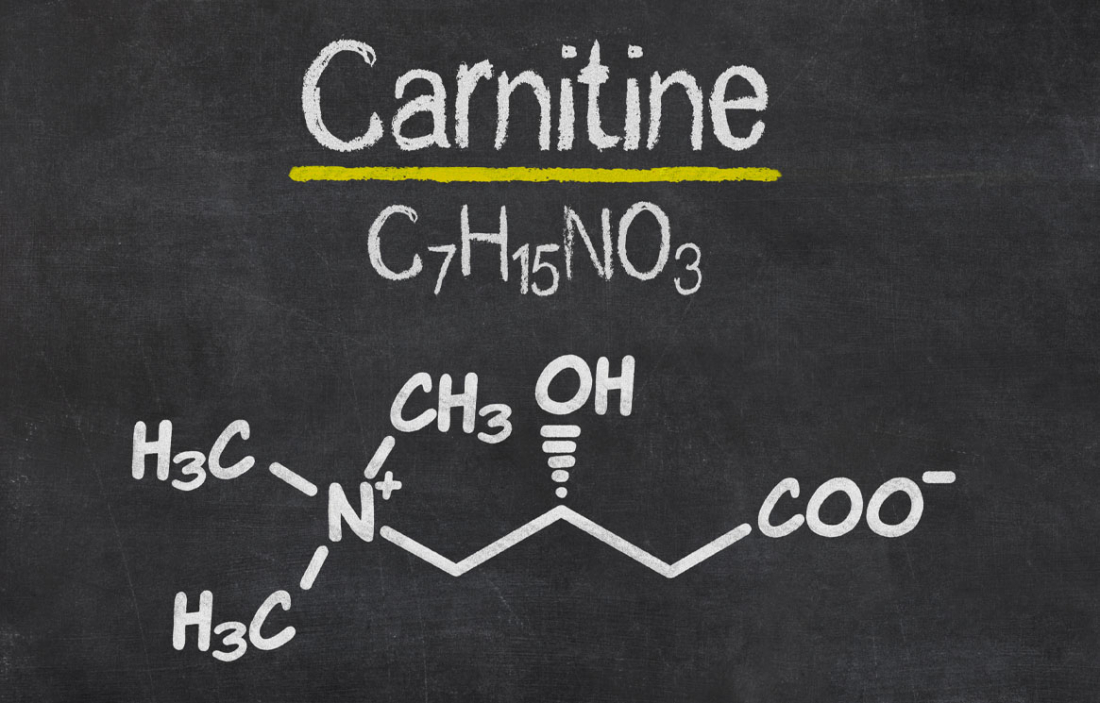
Unfortunately, not everything is rosy. In recent years, there have been increasing reports of a metabolite formed by the gut bacteria that digests L-carnitine (and choline), called TMA.
TMA is further broken down into TMAO (trimethylamine N-oxide) and circulates in the bloodstream.14
Researchers have found that there is a link between elevated levels of TMAO and the risk of cardiovascular disease.
Other studies have suggested a link to kidney failure, diabetes, and certain cancers. This is certainly not good for carnitine. However, TMAO is also present in seafood, which has a positive effect on cardiovascular health. So we have much to learn about this one molecule alone.
What about it? L-carnitine is naturally present in the diet, the body makes it itself, and its metabolite has both adverse and beneficial effects.
The conversion to TMAO takes place in the bacteria of the gut. The effect of probiotics on this conversion is being investigated. L-carnitine deficient patients receive high doses throughout their lives, but unfortunately no one has yet investigated the cardiovascular health of this group of people.
Recommended dosage:
A clear recommendation for or against carnitine cannot be given.
The benefits are quite slow and require other substances to help carnitine. The effect on athletic performance is not confirmed for sure. However, there are promises and even proven positive effects of L-carnitine on vital organs such as the brain.
If you want to take L-carnitine, it's a good idea to limit your intake to the level of those two studies (4g per day or less). Additionally, if you split it into 4 doses of 1g, you will limit the amount that reaches the gut bacteria.
Recommended
Sources:
1. Reuter SE, Evans AM. Carnitine and acylcarnitines: pharmacokinetic, pharmacological and clinical aspects. Clin Pharmacokinet 2012;51:553-72.
2. Magoulas PL, El-Hattab AW. Systemic primary carnitine deficiency: an overview of clinical manifestations, diagnosis, and management. Orphanet J Rare Dis 2012 Sep 18;7:68(6 pp). doi: 10.1186/1750-1172-7-68.
3. Brass EP. Carnitine and sports medicine: use or abuse? Ann NY Acad Sci 2004;1033:67-78.
4. Derosa G, Maffioli P, et al. Effects of combination of sibutramine and L-carnitine compared with sibutramine monotherapy on inflammatory parameters in diabetic patients. Metabolism 2011;60:421-9.
5. Derosa G, Maffioli P, et al. Orlistat and L-carnitine compared to orlistat alone on insulin resistance in obese diabetic patients. Endocr J 2010;57:777-86.
6. Vidal-Casariego A, Burgos-Peláez R, et al. Metabolic effects of L-carnitine on type 2 diabetes mellitus: a systematic review and meta-analysis. Exp Clin Endocrinol Diabetes 2013;121:234-8.
7. University of Maryland Medical Center. Carnitine (L-carnitine). https://umm.edu/health/medical/altmed/supplement/carnitine-lcarnitine, accessed August 31, 2015.
8. Neal EG, Zupec-Kania B, et al. Carnitine, nutritional supplementation and discontinuation of ketogenic diet therapies. Epilepsy Res. 2012 Jul;100(3):267-71.
9. Leonhardt M, Langhans W. Fatty acid oxidation and control of food intake. Physiol Behav 2004;83:645-51.
10. Zhang JJ, Wu ZB, et al. L-carnitine ameliorates fasting-induced fatigue, hunger, and metabolic abnormalities in patients with metabolic syndrome: a randomized controlled trial. Nutr J 2014 Nov 26;13:110(11 pp). doi: 10.1186/1475-2891-13-110.
11. Guo L, Milburn MV, et al. Plasma metabolomic profiles enhance precision medicine for volunteers of normal health. Proc Natl Acad Sci USA 2015 Aug 17. [Epub, ahead of print]
12. Huang A, Owen K. Role of supplemental L-carnitine in exercise and exercise recovery. Med Sport Sci 2012;59:135-42.
13. Stephens FB, Wall BT, et al. Skeletal muscle carnitine loading increases energy expenditure, modulates fuel metabolism gene networks and prevents body fat accumulation in humans. J Physiol 2013;591:4655-66.
14. Ufnal M, Zadlo A, et al. TMAO: A small molecule of great expectations. Nutrition 2015 Jun 1. [Epub, ahead of print].
Source: www.musculardevelopment.com
Author: Daniel Gwartney, M.D.
Translated by Jaromír Uhlíř
Author: Šárka Randáčková No posts have been made yet.








