





Motivation or the only article you need to read!
 Author:
 How many times have you gotten up in the day and wondered how you're finally going to get motivated for work/school/gym/date today? Well, during the day, you suddenly find that your motivation isn't quite so rosy and you'd rather crawl back into bed, watch Netflix and play computer games?
Do any of you see yourselves doing that? I think a lot of people do, because everyone has experienced this at least at some point in their lives!
Before we get into the scientific terms that many of you will forget in the rest of the day anyway, we need to clarify a few basic points that you should take away from this article:
- It's not about remembering foreign names or detailed neurochemical processes, it's about gaining a new perspective on the concept of motivation.
- Each of us should realize that when we experience a loss of motivation in our lives, we need to look for the reason why this is the case and be able to address the problem.
- A lot of people have artificially created a system based on almost nothing but emotional intervention with no other basis. These people then teach others how to be motivated (speekers, motivators). Therefore, it is important to realize that merely setting the mind is not enough to get motivated to achieve certain goals.
Basic terminology and divisions
Motivation is derived from the word "motive", which expresses a kind of need or desire that each of us certainly has. It is something that drives people to act in order to achieve their goals and needs.
Needs can be distinguished into:
- Biological (innate): the need to breathe, the need for sleep, food, security. These are for health, reproduction, survival.
- Social (acquired): cultural (e.g. education, cultural enjoyment) and psychological (joy, happiness, love).
Motivation can be further divided into intrinsic and extrinsic.
- Intrinsic motivation: the result of a person's needs and interests.
Intrinsic motivation can vary greatly from person to person. Each of us enjoys something, has different hobbies, interests.
- Extrinsic motivation: is determined by the action of external stimuli.
A simple example is when someone does something without a deeper meaning and only for money or some reward.
Psychology
Motivation theory according to A. H. Maslow
Abraham Herold Maslow was an American humanistic psychologist (1908-1970).
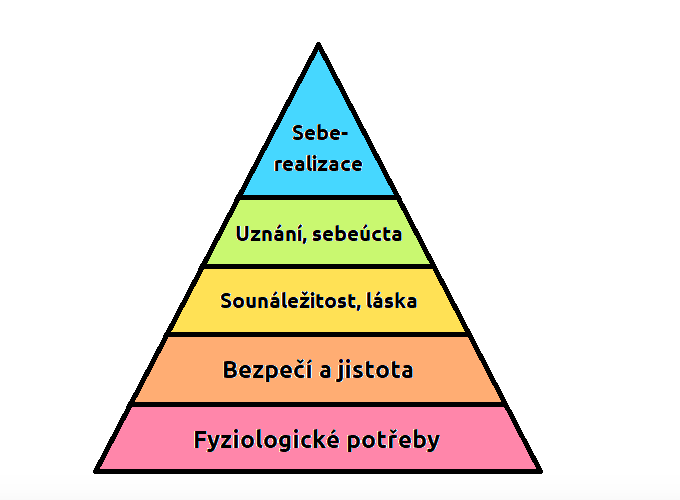 He came into people's consciousness primarily by creating probably the most famous theory of motivation, namely, according to the needs of man. These needs motivate all our behaviour and actions. He first presented it in 1943.
Maslow created a pyramid of needs according to the intensity with which they affect us. In the bottom layer we find the basic needs that are necessary for survival and apply to all of us equally, while in the top layer we find needs that may be specific to each individual (the need for self-actualization).
Neurochemistry - a simplified model
Not so long ago, people mistakenly thought that you could get and keep motivation by going to an educational seminar, by paying for personal mentoring and coaching for a ridiculous amount of money, or by watching motivational videos on the internet.
Now we're going to look at the neurochemical processes in the brain and show that motivation is not quite that easy to get because it has its basis at the very level of our BRAIN.
What is actually the source of motivation? There are about 86 billion brain cells, neurons, in the brain. These neurons communicate effectively with each other through neurotransmitters called NEUROTRANSMITTERS.
The main neurotransmitter of motivation, emotion, excitement, determination, or feelings of reward is DOPAMINE. Dopamine is probably the most unexplored neurotransmitter ever, precisely because of the effects it produces - motivation, reward center, addiction.
The hypothesis that dopamine is important for feeling rewarded has been proven several times. Likewise, it has been shown that dopamine is released during reward stimuli such as food, drink, or even drugs.
But that's not all, dopamine plays a role in cognitive functions such as memory, learning, attention or motor control. Yes, motor control! It is then its dysfunction and deficiency that is associated with Parkinson's disease, for example.
Dopamine is also widespread in the animal world, but high levels in humans may be responsible for making us what we are.
Dopamine - function and structure
Neurotransmitters are divided into inhibitory (calming) and excitatory (arousing).
Dopamine can lean towards both poles, depending on which receptor is available for dopamine at the time.
Structurally, it is classified as a monoamine, which also includes, for example, serotonin, epinephrine (adrenaline) and nor-epinephrine (nor-adrenaline).
As we have already discussed, dopamine gives us drive, motivation, competitiveness, concentration and focus. It enables us to achieve our goals because it gives us the drive to work, to write, to train. It also gives us a sense of satisfaction when we achieve a goal.
SUCCESSFUL PEOPLE PRODUCE LARGE AMOUNTS OF DOPAMINE!
Lack of dopamine
In case we are dopamine deficient, lethargy sets in, loss of enthusiasm sets in and one starts reaching for artificial dopamine boosts through stimulants or, in worse cases, drugs.
Symptoms of dopamine deficiency:
- Apathy
- Low motivation
- Inability to complete tasks
- Inability to concentrate
- Loss of social contact
- Loss of pleasure in favourite activities
- Mood and energy swings
- Procrastination
What negatively affects neurotransmitter production and directly affects motivation?
1.Insufficient and poor quality sleep
This probably comes as a surprise to no one. Can you imagine delivering optimal cognitive performance with maximum effort without getting a full night's sleep?
I don't, and I'm sure you don't either.
When we're tired, our cognitive abilities decline, so we can't focus fully, we can't remember things properly, and our ability to learn deteriorates.
If we want to study for school, for exams, for entrance exams, if we want to be motivated enough to go to work or to an important meeting, WE MUST MAKE SURE WE ARE WELL STRAINED!
Scientists are not yet sure exactly how sleep affects the ability to remember things better, but there is evidence that sleep positively affects the part of the brain where long-term memories are stored. Scientists believe that during sleep, this part of the brain is used to replay experiences, events and learned knowledge, which the brain then stores in long-term memory.

It has been confirmed in studies (and in practice) that when we are sleep deprived, our self-control deteriorates and we tend to reach for the wrong food and drink and our motivation to exercise decreases.
As we know, the brain is dependent on glucose intake (ketones in the ketogenic diet). When we are tired, the brain gets rid of glucose stores faster and we then have an uncontrollable craving for something sweet (remember that TV commercial??). Then we reach for a source of fast sugars. But we all know this scenario well - you come home from a party with the morning sun, get a few hours of sleep, not very good quality sleep at most, and then it starts...cravings for junk food, stops at McDonald's, slapping herring over salty and similar snacks. You can't control it because the brain sends clear instructions...
Have you ever made the connection between your mood swings, energy, irritability and wanting to drop everything and the fact that it may just be a lack of, or not enough, quality sleep? Maybe you should, because if you make sleep one of your top priorities, you AUTOMATICALLY INCREASE YOUR QUALITY OF LIFE AND THE RELATED MOTIVATION FOR EVERY ACTIVITY!

The point is that people who sleep inadequately or poorly are then abused:
- Drugs - especially cocaine and amphetamines.
- Energy drinks
- Cigarettes (nicotine)
- Alcohol
- Caffeine in excessive amounts
2. Drugs and stimulants
How is it possible that most social events revolve around alcohol, cigarettes and, nowadays, the increasingly available drugs? This has been the concern of addiction specialists for quite a few years. Better technology, more modern methods and ever-improving knowledge of the workings of our brains show that these are neurochemical processes that then influence the creation of addiction, feelings of bliss, satisfaction, motivation, but also relaxation and rest.
Lots of top executives and entrepreneurs running big companies take drugs. It's not talked about much, but it's true. A lot of them can't imagine a day at work without snorting and tweezing their nasal septum several times a day.
That may seem like a recipe for disaster. AND SO YES!
Substances that increase dopamine production in the brain are highly addictive. It turns out that nicotine increases dopamine by up to 200%, cocaine by 400% above normal levels, and amphetamines by a whopping 1000%. Recreational drugs such as alcohol, marijuana, cocaine, ecstasy, amphetamines and LSD cause dopamine to "rollercoaster", i.e., to fluctuate greatly, which in turn affects energy and motivation.
Thus, another bane to our brains is the overuse of these brain-stimulants, which only MASK the fatigue and lack of motivation due to the artificial increase of dopamine.
3. Porn
Surprise? Shock? An incredible discovery? Whatever you thought, porn is a really powerful dopamine stimulant. In a negative way, of course. Let me surprise you, I'm preparing a comprehensive article on this subject, which will be published soon after this article.
4. Unhealthy Lifestyle
This probably won't surprise any of us. We know very well that the composition of our diet is central to how we will feel, how we will perform and how motivated we will be to achieve our goals. Have you noticed the blissful feelings you get when you eat "JUNK FOOD"?
Heavily processed foods are supposed to trigger dopamine production in the brain and our body takes this junk food as a reward. It's no wonder we have uncontrollable cravings for junk. But these don't do anything good for us in terms of health, but also in terms of neurochemical processes.

Our dopamine surge is also boosted by "healthy" food that we enjoy, whether it's steak or an apple. BUT ALL AT A MUCH LOWER RATE THAN PROCESSED FOODS!
What this means in practice is that the reward center will get more pleasure from things like Snickers and Ben & Jerry's ice cream than quality meats, vegetables and fruits. The same is true of liquids - sweetened beverages will elicit more pleasure in the brain, and therefore we will reach for them rather than plain unsweetened water.
Junk food and drink addiction
It is possible to develop a psychological dependence on food and drink. If the brain decides that there is too much dopamine in the brain, it starts to remove dopamine receptors. No receptors means that more dopamine is needed to achieve the effect as before. This is then called TOLERANCE.
Tolerance is then associated with addiction. It has been proven that a person can become addicted to food just as much as to drugs. Of course, this is a very simplistic view of the issue so that everyone can get a picture of how addiction works and how it occurs.
How to increase dopamine naturally?
It comes as a surprise to no one that the most successful people in the world live as their lifestyle demands.
Bill Gates, Robert Kiyosaki or Richard Branson don't live their lives by eating 3 hamburgers a day, drinking litres of cola, watching Netflix till dawn and then out of nowhere coming up with brilliant ideas that require an extreme dose of daily motivation to implement.
These people know that success goes hand in hand with taking care of yourself. So what are the essentials of success and sufficient motivation?
1. Make sure you get quality and sufficient sleep!
Again, I'll start with sleep because really only a handful of people realize the extremely positive effect sleep can have on us! As we have discussed, if dopamine production is sufficient, we have plenty of motivation and drive for challenging activities.
Studies on weighing animals have shown that dopamine is most produced in the morning, helping us get out of bed, keeping us alert and alert (the same can be said for cortisol). Conversely, its production decreases as night approaches.
Lack of sleep negatively affects these natural rhythms. If we do not respect these circadian rhythms and stay awake overnight, the amount of dopamine receptors is dramatically reduced. This may mean that we sleep better at night, but the lack of dopamine will cause a number of negative events that we mentioned above.
Maintaining sleep hygiene keeps dopamine levels in balance, contributing to productivity and motivation during the day, and better sleep in the evening when levels naturally drop.
3 essential tips for better sleep:
- Go to bed and get up at the same time to optimize our circadian rhythm. Try to go to bed no later than 11pm.
- Don't look at your cell phone, laptop or TV before bed. The blue light emitted from screens has been proven to strongly interfere with melatonin production and thus negatively affect sleep processes.
- Sleep in a darkened, ventilated room.
- BONUS: consider magnesium supplementation. Preferably choose a chelated form linked to an inhibitory amino acid, such as Magnesium Chelate
2. Be sure to eat a good, varied diet with adequate protein intake.
Protein is made up of smaller blocks called amino acids.
There are a total of 23 amino acids, some of which are essential (there are 9 of them, the body cannot make them on its own) and some of which are non-essential (the body makes them on its own).
The most important amino acid for dopamine production is L-TYROSINE. With the help of enzymes, tyrosine is eventually converted into the motivation molecule, dopamine. Thus, sufficient tyrosine is essential for the subsequent production of dopamine.
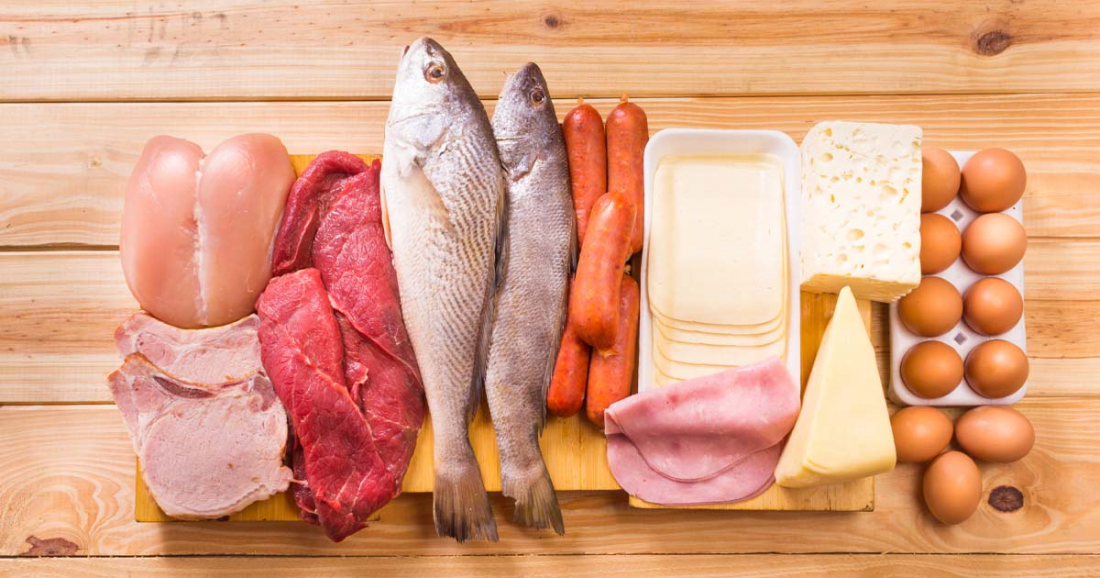
To make matters worse, tyrosine is formed from an amino acid called phenylalanine through biochemical processes in the body. We can increase these two amino acids in the body by eating protein-rich foods such as, of course, meat, dairy products and legumes.
If we don't consume protein-rich foods, we may be depriving ourselves of sources of tyrosine and phenylalanine, which can cause low dopamine levels, as studies have shown.
Probiotic foods, gut health and motivation
It is now a well-known fact that the gut is closely connected to the brain, even being called the "second brain".
The health of our gut is then closely linked to the production of certain neurotransmitters, which include primarily serotonin, but not least the much talked about dopamine.
For this reason, we should honestly include probiotic foods in our diet. These include: sauerkraut, kimchi, pickles, fermented vegetables, kefir and farmhouse yoghurt.

3. Move and exercise regularly!
This point will probably surprise few people. Exercise is associated with the production of endorphins, which make us feel happy and content.
It has not yet been proven exactly what the link is between exercise and dopamine. But from experience, we can say that every strength and muscle gain has a positive effect on our psyche. We know that these small successes then motivate us to keep working out.
Another benefit I see in competition.
"This guy lifts more on the bench-press than me? That guy warms up on the squat with my max? I'll get better and show them I can do it too!" And the motivation is taken care of.
4. Consider supplementing with dopamine precursors!
Dopamine will not form without its precursors in the body, so a simple strategy is to include supplementation of those substances that are necessary for its production.
These substances include:
Recommended
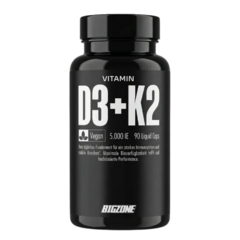
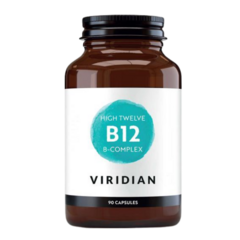
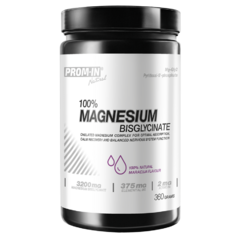
Prom-in 100% Magnesium Bisglycinate
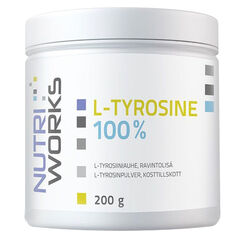
NutriWorks L-Tyrosine
These substances can be obtained from your regular diet, but if you know that you are missing an ingredient, it is advisable to supplement it through dietary supplements.
5. Listen to music!
Listening to music can be enough of a stimulus for the brain to produce dopamine. When we listen to certain songs, the parts of the brain responsible for feelings of reward and pleasure, which are rich in dopamine receptors, are stimulated.
However, you definitely have favourite songs that you listen to before/while exercising, or simply before when you need a good workout.
I hope you have gained a new perspective on motivation with this article and video.
Now you know what you need to do to get or rediscover what many pay huge money for at seminars.
It's up to you, fingers crossed!
No posts have been made yet.








