





The ten healthiest winter vegetables
 Author:
 Vegetables should be a part of our diet all year round, no exceptions. It is a source of important fibre, but also of a number of vitamins, minerals and antioxidants, the concentration of which depends on the particular type of vegetable we consume. However, there is no harm at all in choosing seasonal varieties according to the time of year, so as to benefit from maximum freshness and the highest concentration of health-giving substances. Today, let's take a look at the 10 healthiest vegetables we can consume over the winter.
Carrots
A typical vegetable that we can consume in our latitudes during winter is, of course, the carrot. It's good to know that if we harvest it in cold weather, carrots are the sweetest ever. Carrots are an excellent source of beta-carotene, which can be converted into vitamin A in the body. One large carrot (72 grams) contains more than twice the recommended daily allowance of vitamin A! Vitamin A is essential for eye health and is also important for optimal function of our immune system function and proper growth and development in children. What's more, carrots are loaded with carotenoid antioxidants. These powerful plant pigments give carrots their bright color and can help reduce the risk of chronic disease. Some studies suggest that a diet high in carotenoids may help reduce the risk of developing certain cancers, including prostate and breast cancer.
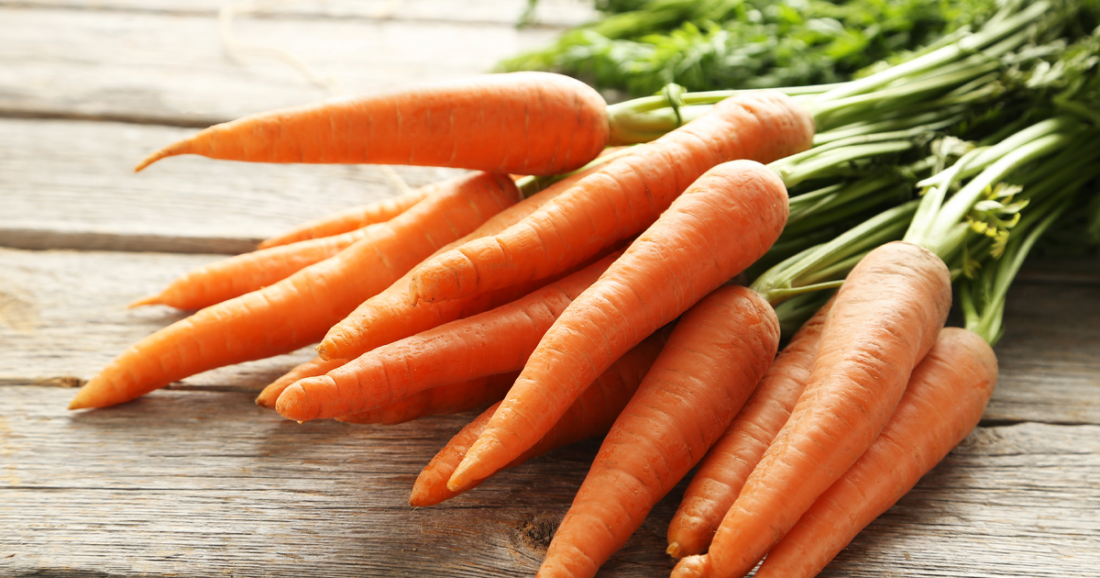
It is important to note, however, that carrots are much more preferable when consumed cooked and ideally with a small amount of fat. This is because cooking multiplies the carotenoid content, making carrots an even more concentrated source of health benefits, and moreover - vitamin A is a fat-soluble vitamin, so in order for our bodies to adequately use and absorb it, we really need to take in at least a small amount of fat. Try roasting your carrots with a little avocado oil and rosemary, make crispy chips to go with chickpea or yogurt dip, or make a tasty soup with coconut milk and pumpkin seeds. You're guaranteed to enjoy!
Pumpkin
Similar to carrots, pumpkin is a favourite in autumn and winter. Pumpkin is very low in calories and, like carrots, is a rich source of vitamin A and fiber. It is also a fairly good source of magnesium, calcium, potassium and vitamins E and C. Yes, you understand absolutely right, pumpkin is another such little nutritional treasure that really pays to have in your diet. As an added bonus, it's incredibly versatile - you can bake it just like that, puree it, make a perfect warming soup, but thanks to its sweet taste, you can also add it to gingerbread, porridge, or bake it into any other healthy treat. The most popular type is the hokkaido pumpkin, which you don't have to peel because the skin softens after cooking. But don't be afraid to use other types. They may be a little less distinctive in taste, but they're definitely worth adding variety to your menu.

Brussels sprouts
Brussels sprouts are a member of the brussels sprouts family, and for how small their fruits are, they contain a really impressive amount of health-giving nutrients. The mini heads of Brussels sprouts grow during the cold months and can withstand freezing temperatures, making them one of the best vegetables to eat over the winter. For example, they are an excellent source of vitamin K. One serving (about 150 grams) of cooked Brussels sprouts contains 137% of the recommended daily intake of this very important vitamin. Vitamin K is essential for strong bones, heart health and is also important for proper brain function.
Brussels sprouts are also a great source of vitamins A, B and C and the minerals manganese and potassium. In addition, Brussels sprouts contain a very good amount of fiber and alpha-lipoic acid, both of which have been shown to help maintain stable blood sugar levels. Fibre slows down the process of food digestion, resulting in a slower release of glucose into the bloodstream - meaning that there is less fluctuation in blood sugar levels after eating a fibre-rich meal. Slowing down the digestive process also results in a prolonged feeling of satiety, which is appreciated not only during weight loss diets. Alpha-lipoic acid is an antioxidant that can reduce high blood sugar and increase insulin sensitivity. Brussels sprouts are a great side dish, can be used in soups or baked along with other vegetables.
Parsnips
Parsnips are similar in appearance to carrots and are another type of root vegetable with a number of unique benefits for overall health. Like carrots, parsnips become sweeter with the onset of freezing temperatures, making them a truly wonderful addition and a nice change to winter meals. It has a slightly earthy taste with a nutty hint and is highly nutritious. One serving (approx. 150 grams) of cooked parsnips contains almost 6 grams of fibre and 34% of the daily recommended dose of vitamin C. Parsnips are also an excellent source of vitamins B and E, potassium, magnesium and manganese.
The high fibre content of parsnips also makes them an excellent food for digestive health. It is particularly high in soluble fibre, which forms a gel-like substance in the digestive system. This can help slow the absorption of sugars into the bloodstream, which is especially helpful for people with diabetes. Soluble fibre is also associated with a reduced risk of heart disease, breast cancer and stroke. How to prepare parsnips? Similar to carrots or pumpkin, you can use it to make soup, great chips or use it as a roasted side dish with meat. In puree form, it is a fantastic accompaniment to game dishes. Thanks to its sweet taste, you can also use it in baking desserts.
Beetroot
Beetroot is another food not to be missed on our list. Beetroot is one of the best sources of nitrates, which promote optimal blood flow and help harmonise blood pressure - which is why beetroot extract is such a popular ingredient in pre-workout supplements. But in addition, beetroot is also a great source of fibre, folate, manganese, potassium, iron and vitamin C. It also contains substances such as betanin and vulgaxanthin, which are well known to fight inflammation. The substances in beetroot have strong detoxifying effects, are beneficial for anaemia, help with skin problems and may even promote liver regeneration.
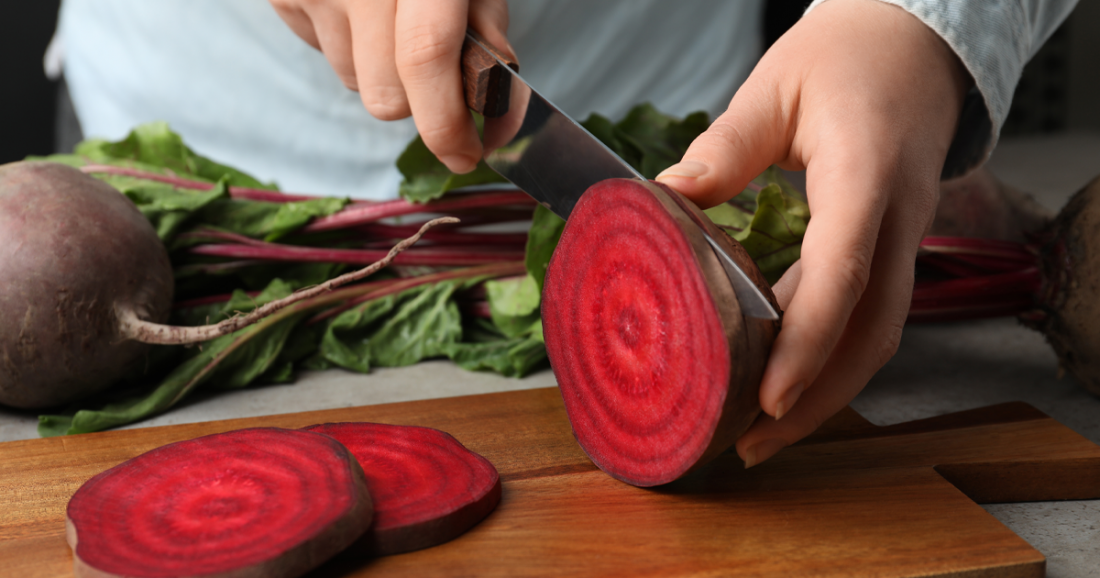
Beetroot has a really wide range of uses in the kitchen. It can be eaten raw, but tastes much better cooked. A great way to prepare beets is to wash them well, wrap them in foil and bake them. You can then either cut it up and eat it as a side dish, make a fantastic winter salad with goat's cheese, blend it into a soup or use it to make a great spread. Beetroot can also be used to make divine brownies with chocolate, so it won't go amiss in a sweet kitchen either.
Parsley
Parsley contains medicinal substances in all its parts - from the root, stem, flowers and leaves. Frosty weather is deadly for many herbs, but the well-known parsley is not afraid of frost and continues to grow happily - despite freezing temperatures and even snow. As well as being exceptionally hardy, this aromatic green is packed with health-giving nutrients. Just a tiny amount (about 30 g) will help meet the recommended daily intake of vitamin K and contains more than half of the daily recommended intake of vitamin C. Parsley is also rich in vitamin A, folate, iron, calcium and potassium. It is also an excellent source of flavonoids - especially apigenin and luteolin, which are plant compounds that have many potential health benefits.
Fennel
Fennel is a vegetable that has a rather specific taste and so may not suit everyone. However, it is very healthy. Fennel is especially known for its beneficial effect for promoting digestive health - it is even included in teas for children from the youngest age for these very effects, as it can very effectively relieve a bloated and sore tummy. Fennel supports the health and proper functioning of the digestive tract thanks to the presence of unique compounds that give this vegetable anti-inflammatory, antimicrobial, antiviral, anticancer and antispasmodic properties.
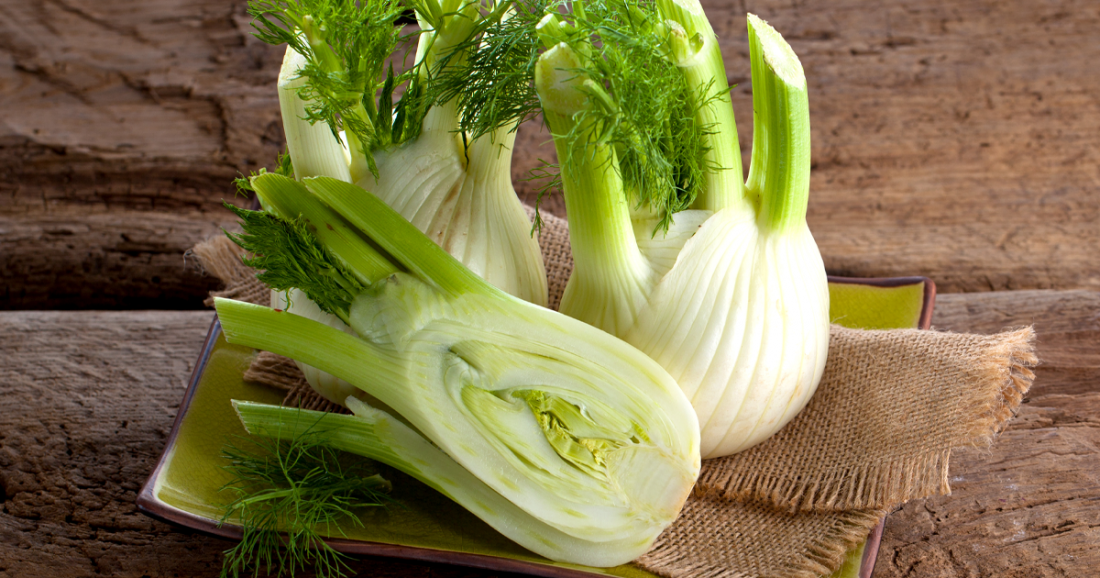
The fennel tuber contains a number of phenolic compounds that help to fight a variety of diseases, but can also help to relax sore muscles. Fennel is also a good source of fibre, potassium, vitamin C and A and B vitamins. And how to use it? As well as tasting great on its own in various salads, it can also be roasted with other vegetables to create a flavourful side dish for meat or fish that even the most demanding eaters at home will tear their hands off for.
Onions
Another food that is guaranteed to be on the list of the healthiest winter vegetables is the onion. This seemingly ordinary and boring food has a lot to offer our health! Onions are a source of many vitamins and minerals, the most important of which are B vitamins, vitamin C, potassium and selenium. Onions are a low-calorie vegetable that won't get lost in any kitchen. And how do onions benefit? It helps boost immunity, kills bacteria, harmonizes digestion, regulates blood pressure, promotes the health and strength of our bones and helps fight the development of inflammation.
As a bonus, onions are perhaps the most versatile vegetable in the world! It can be eaten raw, roasted and cooked, and is the flavor base for many dishes. It makes great soup, pies, spreads, rolls, pancakes, sauces, dips and salads. Onions also taste great pickled. Red onions have a milder flavour and their decorative appearance makes them more suitable for decorating dishes.
Recommended

Nutrend Sleep Supp+
PhD Mind
Nutrigums Apple Cider Complex
Viridian Organic Maca Extract
Celery
Another vegetable that our grandmothers never let go of is celery. Although it has a slightly specific taste, it is really worth giving it a chance. Although it contains an incredibly small amount of calories, it is a very interesting raw material from a nutritional point of view and contains a wide range of vitamins, minerals and antioxidants. It is an excellent source of potassium, iron and calcium. It also contains fibre, carotenoids, vitamin C and B vitamins. The typical smell and taste of celery is due to its essential oils, of which it contains a fair amount. And how to use celery in the kitchen? It may not seem like it, but celery is also very versatile. It is best known as a component of hearty vegetable soups or broths. But you can also bake it together with other vegetables, use it to make chips or vegetable pancakes, puree it for side dishes or just grate it into a salad.
Red cabbage
Cabbage is a cruciferous vegetable that does very well in cold weather. Cabbage comes in two varieties - red and white. Both are extremely healthy, of course, but it's worth noting that red cabbage has a slightly more interesting nutritional profile. One serving of raw red cabbage (approx. 100 grams) contains 85% of the recommended daily allowance of vitamin C and high amounts of vitamins A and K. It is also a good source of B vitamins, manganese and potassium.
However, the area where red cabbage actually outperforms white cabbage by a class is in its antioxidant content. The bright color of this vegetable comes from pigments called anthocyanins. Anthocyanins belong to a family of flavonoids - antioxidants that are associated with a number of important health benefits. One of the main benefits of consuming these compounds is the potential to reduce the risk of heart disease. And it even appears that they may be an important aid in fighting various types of cancer. Cabbage can be eaten raw, sautéed as a side dish with meat, in soup, or you can pickle and ferment it, making it an extremely beneficial food for healthy digestion.

What to take away from the article?
Vegetables should be part of our diet all year round. However, it's a great strategy to adapt your choice to the current season - this is because these vegetables are the freshest, best tasting and contain the most health benefits. If you have access to domestic sources then extra plus points! So which types reign supreme on the winter menu? Pumpkin, carrots, celery, beetroot, Brussels sprouts, cabbage or fennel. In the kitchen, you can use them to create fabulous side dishes, purees, soups and even fantastic and healthy desserts. There are no limits to your imagination!
Sources:
Eliassen, A. H., Liao, X., Rosner, B., Tamimi, R. M., Tworoger, S. S., & Hankinson, S. E. (2015). Plasma carotenoids and risk of breast cancer over 20 y of follow-up. The American journal of clinical nutrition, 101(6), 1197-1205. https://doi.org/10.3945/ajcn.114.105080
Vallianou, N., Evangelopoulos, A., & Koutalas, P. (2009). Alpha-lipoic Acid and diabetic neuropathy. The review of diabetic studies : RDS, 6(4), 230-236. https://doi.org/10.1900/RDS.2009.6.230
Ansar, H., Mazloom, Z., Kazemi, F., & Hejazi, N. (2011). Effect of alpha-lipoic acid on blood glucose, insulin resistance and glutathione peroxidase of type 2 diabetic patients. Saudi medical journal, 32(6), 584-588.
Ferland G. (2013). Vitamin K and brain function. Seminars in thrombosis and hemostasis, 39(8), 849-855. https://doi.org/10.1055/s-0033-1357481
Jung, C. H., & Choi, K. M. (2017). Impact of High-Carbohydrate Diet on Metabolic Parameters in Patients with Type 2 Diabetes. Nutrients, 9(4), 322. https://doi.org/10.3390/nu9040322
Pollock R. L. (2016). The effect of green leafy and cruciferous vegetable intake on the incidence of cardiovascular disease: A meta-analysis. JRSM cardiovascular disease, 5, 2048004016661435. https://doi.org/10.1177/2048004016661435 Lattimer, J. M., & Haub, M. D. (2010). Effects of dietary fiber and its components on metabolic health. Nutrients, 2(12), 1266-1289. https://doi.org/10.3390/nu2121266
Houston M. C. (2011). The importance of potassium in managing hypertension. Current hypertension reports, 13(4), 309-317. https://doi.org/10.1007/s11906-011-0197-8
Wallace T. C. (2011). Anthocyanins in cardiovascular disease. Advances in nutrition (Bethesda, Md.), 2(1), 1-7. https://doi.org/10.3945/an.110.000042
Basu, A., Rhone, M., & Lyons, T. J. (2010). berries: emerging impact on cardiovascular health. Nutrition reviews, 68(3), 168-177. https://doi.org/10.1111/j.1753-4887.2010.00273.x
Moshfegh, A. J., Friday, J. E., Goldman, J. P., & Ahuja, J. K. (1999). Presence of inulin and oligofructose in the diets of Americans. The Journal of nutrition, 129(7 Suppl), 1407S-11S. https://doi.org/10.1093/jn/129.7.1407S
No posts have been made yet.








