





Heat treatment of food and the resulting nutrient content - is it really as bad as they claim?
 Author:
 Food contains nutrients that our bodies need for health, energy and life in general. It will come as no surprise to you that the way you cook your food greatly affects the resulting nutrient content. In this article, we'll discuss how different ways of cooking food can affect the final nutrient content and how they change the properties of food.
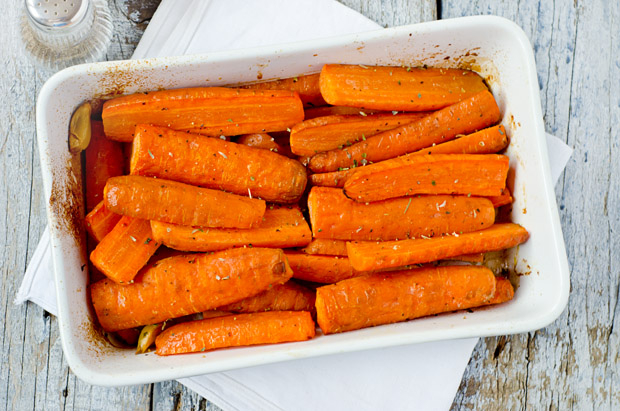
The final nutrient content of a food is often strongly influenced by the method of food preparation you choose. However, heat treatment can also increase digestibility, nutrient absorption, bioavailability and nutritional value. Heat treatment causes a number of physical and chemical changes to foods. These changes depend not only on the specific food (its composition, pH of the environment, presence of water, etc.) but also on the food itself.The positive effects of heat on foods are mainly related to the essential macronutrients, i.e. proteins, fats and carbohydrates. A good example of this is the proteins contained in a cooked egg, as they are up to 180% more digestible than the proteins in a raw egg. Another example is the carotenes from carrots or apples of paradise, which are much more readily available to humans when cooked than when raw. It cannot therefore be argued that cooking has an intrinsically negative effect on nutrient content.
Unfortunately, there are some nutrients that are degraded by cooking. These include, in particular, the following nutrients:
- Water-soluble vitamins: vitamin C and Bvitamins -thiamine (B1), riboflavin (B2), niacin (B3), pantothenic acid (B5), pyridoxine (B6), folic acid (B7) and cobalamin (B8).
- Fat-soluble vitamins: vitamins A, D, E, K
- Minerals: potassium, magnesium, sodium and calcium
As already mentioned, the final nutrient content is to some extent influenced by the treatment you choose to process the food. There are methods that are suitable and practically destroy the nutrients only minimally, while there are methods that are really unsuitable. And it also depends on which food you are treating, as not all foods respond the same way to a given treatment. So let's take a look together at how each type of heat treatment actually stands up, or a little cooking lesson.
Cooking and stewing
Cooking and braising are almost identical food preparation methods based on the use of hot water. However, the two methods differ slightly in the temperature of the water used - stewing uses water at less than 82°C, while boiling uses water at 100°C.
What about nutrient loss? For example, such vegetables are generally rich in vitamin C, but the cooking process depletes most of the vitamin. The fact is that cooking reduces the vitamin C content of food more than any other method of food preparation. For example, broccoli, spinach or lettuce lose more than 50% of their original vitamin C content by cooking . This is because vitamin C is water-soluble and very sensitive to heat, and begins to degrade practically as soon as the vegetable is immersed in boiling water.

The B vitamins are similarly affected. Up to 60% of thiamine, niacin and other B vitamins are degraded by the cooking process. But don't forget one thing - you may be boiling the vegetables in water, which will result in vitamin loss, but the vitamins will be released into the water that remains! And this vegetable broth alone contains 100% of the original minerals and up to 70-90% of the B vitamins. But fish , for example, retains the highest content of original omega-3 fatty acids of any type of cooked fish.
Grilling and roasting
These methods use hot air to cook food. In grilling, the hot air usually comes into contact with the food only from below, whereas in roasting it comes in contact from all sides. Grilling is one of the most popular methods of cooking food, as it gives the food an excellent specific flavour. But also, up to 40% of the B vitamins and minerals are depleted during the grilling process due to the dripping of the juices that come from the meat.
Another fact that is often mentioned in connection with grilling is that it produces polycyclic aromatic hydrocarbons, which can be potentially carcinogenic. However, research suggests that the formation of these hydrocarbons can be largely eliminated by removing the fat from the food, which results in less smoke being produced during grilling and subsequently coming into contact with the food.
Master healthy grilling and avoid seven unnecessary mistakes!
Baking
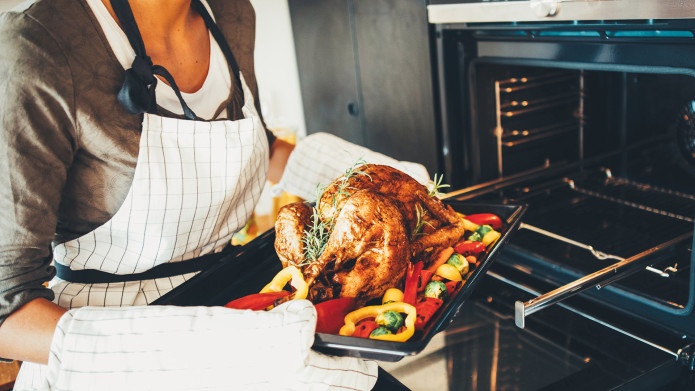
Baking is also done in the oven using hot heat, but for a longer period of time than, for example, grilling. The baking method is used in the preparation of meats, side dishes as well as sweet dishes such as muffins, cakes and pies. Compared to cooking, less vitamin C is lost by using this method , but long cooking times are particularly harmful to B vitamins , which, according to studies, lose up to 40 % of their original content. The conditions, temperature and cooking time are also important , as they can lead to drying out and degradation of nutrients.
Frying
The frying process is most often carried out in a frying pan, where the food is cooked in the presence of a small amount of oil, butter or other types of fat. In general, this method is relatively harmless, but beware! The type of fat used, as well as the amount of fat used, is important. Frying does not result in such a significant loss of B vitamins, and even studies agree that this treatment promotes the absorption of some antioxidants contained in the food. On the other hand, frying has a negative effect on vitamin C content.
Steaming food
Steaming is one of the best methods of food preparation ever, as it preserves the maximum amount of nutrients, including water-soluble vitamins that are susceptible to the effects of high temperatures, such as vitamin C and B vitamins. A small disadvantage of this type of preparation is that the food easily loses its flavour, which needs to be made up for by using herbs, spices or oil for flavouring.
Is using a microwave really harmful?
There are, of course, other ways of cooking - we could list microwaving food , but we devoted an entire article to that recently (link here). Or maybe deep-frying, but let's move on to what you're probably most interested in.
Protein denaturation
Before we move on to what you're probably most interested in, which is how heat treatment affects thefinal protein content of meat, we need to explain the basic concept behind this, which is protein denaturation. So a little theoretical background.
There are four structures in proteins - primary, secondary, tertiary and quaternary. These structures determine the properties of proteins. Heat treatment changes the structure of proteins, changes their natural arrangement, and this is the process of denaturation. Heating increases the thermal movement of molecules, including peptide chains, and releases hydrogen bridges, thus changing the structure of the protein molecule. Only the secondary and tertiary structures are disrupted. This happens because the denaturation reaction is not strong enough to break the peptide bonds. Therefore, the primary structure, i.e. the order of the amino acids, remains unchanged after denaturation. Denaturation is an irreversible process.
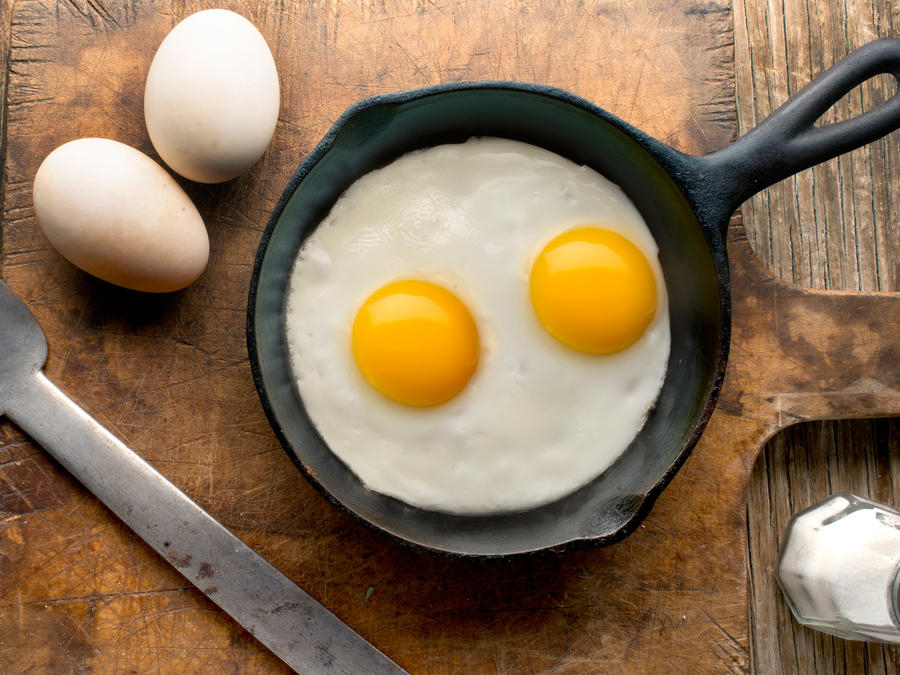
The degree of denaturation varies according to how many hydrogen bonds are broken. Building new binding sites between peptide chains in a protein molecule leads to a reduction in the number of hydrophilic centers by blocking polar groups. So what is the utility and importance of the denaturation process? Like any process, it has its pros and cons. One of the main disadvantages is certainly the loss of the biological function of the protein. A boiled egg can never come out of a live chicken, logically. On the other hand, this loss is in most cases very desirable for the human body, as it allows for better digestibility of the protein, and in addition, it retains its nutritional value, i.e. the final protein content is still the same.
So what happens to the protein when meat is cooked?
Meat is one of the richest and most exploited sources of protein we can come across. I'm sure all of you can vividly imagine a situation where you're standing over the stove with a big steak ready to cook, you throw it on the pan and after a few moments you've got a blob of meat, a tiny bit of edible matter. Sad, isn't it.
Okay, maybe that was an overly dramatic introduction, but surely you get what I'm talking about. However, protein denaturation is a perfectly natural phenomenon. Protein-containing foods (especially meats, including fish and fish products) prepared with unsparing culinary heat or exposed to too high a temperature for a long period of time undergo what is called oxidative stress, which causes changes in many nutritional components. Food losses can be divided into weight losses, which can be demonstrated by weighing or measuring, and nutritional losses, which can only be demonstrated using laboratory methods. These losses are closely linked - as a rule, weight losses are always nutritional losses. Heat treatment therefore changes not only the structure of the meat but also its properties and, to some extent, its nutrient content.
Recommended
Amix Vitamin C500
Reflex Albion Magnesium
When you cook meat, water and fat are lost due to cell breakdown and rearrangement of the structural composition of the proteins. Depending on the cut of meat and the type of animal it comes from, the final "product" that ends up on your plate is often much smaller than the one you put in the pan to begin with. You can actually see the structural changes in practice several times a day - when you prepare an egg, the liquid contents of the shell become a solid mass after a while in the pan. The same with meat - by cooking the meat, it becomes more palatable (the heat produces the typical flavours and aromas), more digestible, and thus more physiologically usable, and also safer from a health point of view, as the content of harmful substances or bacterial substances that can cause salmonella etc. is reduced .
An important issue in heat treatmentis determining the point at which the meat is sufficiently (optimally) cooked, as meat is often overheated, leading to large weight losses, high energy consumption, deterioration in organoleptic properties and reduced nutritional value. Protein denaturation occurs during any heat treatment, but the degree of denaturation is influenced by the method of treatment, the characteristics of the food, the temperature and the length of treatment. The longer and higher the temperature at which the protein is treated, the greater the denaturation.
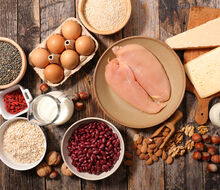
The first changes in the conformation of meat proteins occur during heat treatment at temperatures around 35°C and the toughness of the meat increases. The first visible changes occur at 45°C, when muscle shortening occurs with denaturation of myosin, denaturation of actin occurs at temperatures of 50-55°C, and plasma proteins denature at 55-65°C. At temperatures around 90°C, meat collagen gelatinises and meat binding increases. At 100°C (i.e., boiling point), some chemical changes occur in the protein molecule (protein deamination and desulfuration). A temperature of 150°C (e.g. baking) causes more complex reactions, a certain loss of all amino acids and the formation of typical odour and taste compounds. At temperatures of 200°C and above (e.g. frying, grilling), isomerisation of native L-amino acids occurs and the corresponding D-amino acid and uncommon amino acids such as lysinoalanine are formed. Some amino acids give rise to toxic products.
We're not going to go into the whole denaturing process in full detail and do a chemical analysis of what happens to the meat during heat treatment, so let's conclude - we already know that proteins denature during heat treatment, changing their structure and mass. But what about the final protein content? As mentioned above, the final protein content is virtually unchanged, unless you "kill" the meat by cooking it for a long time at a high temperature. Protein is lost much less than vitamins during cooking. Thus, if you put 150 g of chicken on the pan, that's about 35 g of protein, after cooking it you will only have about 70% of the original weight, but the protein content remains the same.
And what about such protein in a hot kitchen?
Another very common question is how the properties of whey protein change if you add it to recipes for cakes, pancakes, buns and other creations during which it undergoes heat treatment. Of course, even in the case of protein , there is some denaturation of the bioactive substances, but it only changes the structure, not the content of the substances, i.e. the protein content remains the same, just as with meat. Protein powder is just as much a real food as the chicken we bake, it is not a "magic powder". Heating protein powder does not destroy it in any extreme way, yes, it changes its structure and denaturation does occur, but in the same way as with other protein sources.
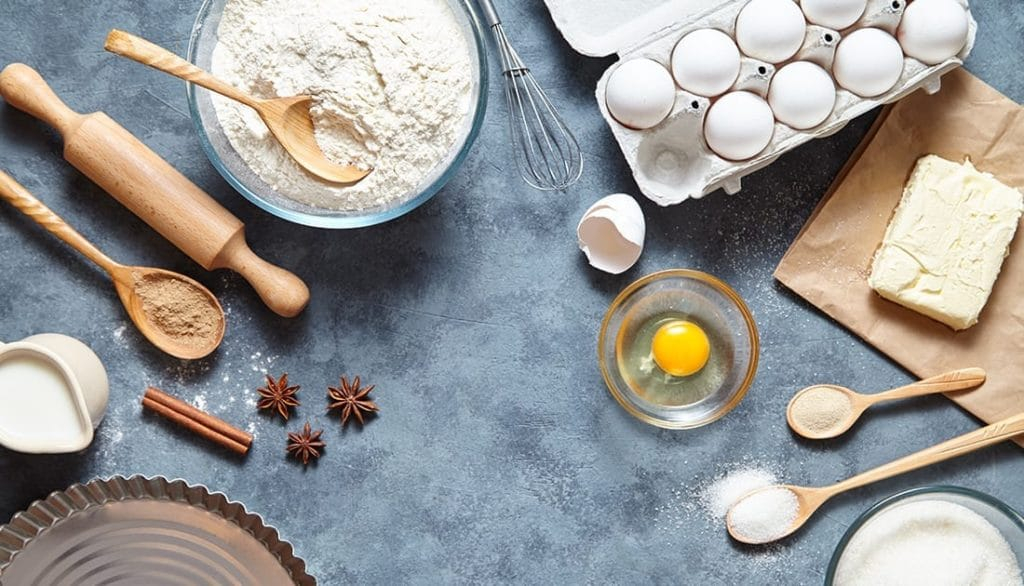
If your serving of protein powder has 129 calories per serving with 1 gram of fat, 3 grams of carbs and 25 grams of protein, it will be exactly the same after heat treatment. However, the factor that will change is the method and time of digestion.When protein powder is mixed with water, it will be digested much faster than when baked with something like oatmeal, which takes much longer to digest due to its fiber content, but you lose no nutritional value as a result. So what you may be missing out on are some of the properties of the protein, and you will also be "depriving" yourself of some added substances like digestive enzymes or probiotics.

Is cooking and baking with protein safe? You can rest easy. Using protein powders in baked desserts or other creations is perfectly safe. Heat treatment of protein powders does not destroy them, protein also denatures like other types of protein and using protein in a hot kitchen is 100% safe! The only thing to watch out for in this regard is whether the product contains any of the sweeteners that are prone to high temperatures such as aspartame, which can be carcinogenic when heated.
What to take away from the article?
The heat treatment of foods affects the resulting nutrient content. During some heat treatments, the vitamin content is reduced, but sometimes, on the other hand, the bioavailability of nutrients can be increased due to heat treatment, so heat treatment of foods cannot be considered downright negative. In addition, cooking food destroys bacteria and viruses. In particular, the structural structure of the meat is altered during cooking, while the resulting nutrient content remains more or less the same. Of course, denaturation is a natural phenomenon. The use of protein powders in baking and cooking also does not affect the final protein content too much and their use in hot cooking is perfectly safe.
Sources:
https://onlinelibrary.wiley.com/doi/full/10.1111/1541-4337.12243
https://www.ncbi.nlm.nih.gov/pubmed/9772141
https://www.ncbi.nlm.nih.gov/pubmed/19650196
https://www.ncbi.nlm.nih.gov/pmc/articles/PMC3550962/
http://www.ars.usda.gov/SP2UserFiles/Place/80400525/Data/retn/retn06.pdf
https://www.ncbi.nlm.nih.gov/pubmed/21923982
https://www.ncbi.nlm.nih.gov/pubmed/23239760
https://www.ncbi.nlm.nih.gov/pubmed/22063307
https://data.nal.usda.gov/dataset/usda-table-cooking-yields-meat-and-poultry
https://www.ncbi.nlm.nih.gov/pubmed/27579006
https://www.ncbi.nlm.nih.gov/pubmed/27151091
https://www.ncbi.nlm.nih.gov/pubmed/22065771
https://pubs.acs.org/doi/abs/10.1021/ Tábor: OSSIS, 1999. 352 p. ISBN 80- 902391-3-7
PAULUS, J. CIDLINSKÝ, L. Causes of food losses in kitchen blocks, Prague: Research and Testing Centre, 130, 1977, 78s.
PAULUS, J. CIDLINSKÝ, L. Losses in kitchen food preparation, 2nd ed. Prague: Merkur, 1989, 160 p.
https://www.ncbi.nlm.nih.gov/pmc/articles/PMC3625175/https://www.healthline.com/nutrition/cooking-nutrient-content
No posts have been made yet.








