





Five healthy habits worth building
 Author:
 After the January massage associated with New Year's resolutions, let's take a little break and remind ourselves which habits within a healthy lifestyle are really worth building, maintaining and practicing regularly. They are the key to physical and mental health, well-being and feeling good in every way. Some of them are really hard work to build up, especially if we have been doing exactly the opposite for years, but they are definitely worth working on as they can bring us many positives in terms of sport, health, appearance and overall life satisfaction. So let's do it!
Eat a varied, sufficient and high quality diet
Nutrition is an incredibly powerful, complex and very important tool that has an impact on just about every area of our lives without exaggeration. It affects how much energy we have, how we feel, how we look, our mental well-being and mood, how efficient we are, the strength of our immune system, the quality of our sleep... and much, much more. Depending on our approach, nutrition can be a tool that is incredibly effective in achieving a variety of goals, but it can be equally, if not approached correctly, a tool that is, shall we say, self-destructive. And the line between one side and the other is really thin.
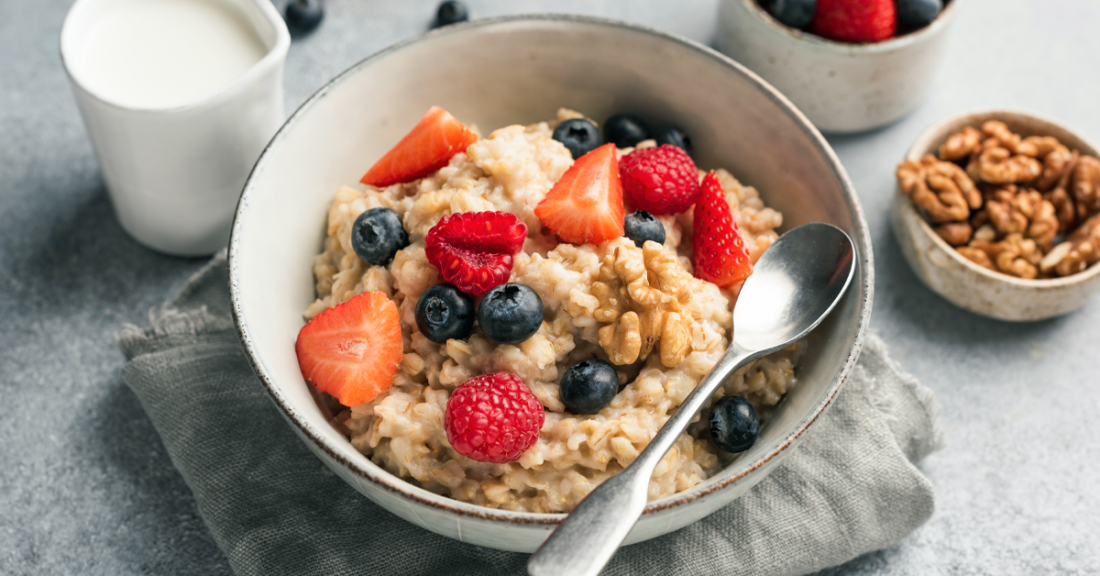
Whether you're just trying to lose weight, put on some muscle or just want to change your habits, you need to remember that you need to eat enough. Because even the best swimsuit shape isn't worth ruined health. Diets based on an extreme calorie deficit or a senseless restriction of a macronutrient are really not what we should think of as the definition of a "healthy lifestyle". In fact, these experiments have nothing to do with health - they are not conducive to mental or physical well-being, they are a source of stress, and their long-term sustainability is also out of the question.
So eat well, eat varied, without extremes and above all: eat enough. In the spring, in the winter, on Mondays, on Saturdays, when it rains, when the sun shines, when you exercise, when you have a day off, even when you are sick. You don't have to earn your food, and you certainly don't have to compensate for it. Food should never stress you out, it should never cause you anxiety, it should never make you feel restricted, and it should never control your life. Food is a tool and only we determine how effective it will or will not be. It becomes maximally effective the moment we understand that the key is not to have a swimsuit shape, chiseled abs, or the admiration of those around us, but to have a body that is healthy and functional in every way and in which we feel good.

So what to base the diet on? On quality food in the most natural form. Eat plenty of protein, which can be found in meat, dairy products, fish, eggs, protein powder, but also legumes, tofu or other plant-based alternatives. Don't forget carbohydrates either. Prefer sources of the complex ones: oatmeal, wholemeal bread, rice, pasta, buckwheat, quinoa or potatoes, but don't be afraid to add fruit to your diet, which is a source of sugars but also a variety of vitamins, minerals and antioxidants. Healthy fats should also have a place of honour in our diet. Look for these in oily fish such as salmon, mackerel or sardines. They can also be found in avocados, nuts or seeds, dark chocolate, eggs or good quality vegetable oils. We should definitely not forget about vegetables, which are a source of very beneficial fibre, micronutrients and also make our diet more colourful. The whole thing is then underlined by a drinking regime, which should be dominated in particular by pure water.
Without enough quality sleep, it really won't work
Quality sleep in sufficient quantity is an absolute necessity for physical and mental health. During sleep our body regenerates, gains strength, builds muscles, balances hormone levels and much more. For this reason alone, quality sleep should be one of our key priorities, and really, every day. Multiple studies show that people who don't get enough sleep - whether in quality, quantity, or both - are more likely to suffer from mental health issues such as depression, anxiety, brain fog, moodiness, difficulty concentrating, and other negative conditions. Of course, physical health problems, lack of energy, loss of motivation to train, injuries and quiet weight gain are also linked to this.

Sleep is therefore an absolutely unquestionably important factor for overall health. The optimal amount of time we should devote to it each day is, as is often the case in many aspects of a healthy lifestyle, highly individual. Some people need 7 hours, others need nine hours. The important thing is to try out what suits your body and respect this need as much as possible. Try to go to bed at around the same time every day, use the bedroom only for sleep and intimate pleasures, ventilate it well and try to maintain a comfortable temperature (for sleep it should be 18-20 degrees). It is also very advisable to limit the use of electronic devices at least an hour before you go to bed. Try to establish a sleep routine that will make it clear to your body that it's time to go to sleep and make it easier to fall asleep. You can also use a variety of supplements - for example, magnesium in the form of bisglycyanate, melatonin or herbs such as lemon balm, mint or valerian.

Move regularly
Movement is a great way to do something for your overall health - not only is it good for our physical well-being, our muscles and bones, a healthy weight, better sleep, but it also makes us feel happier and is a great help in reducing stress. The human body is "programmed" to be in motion and we should definitely put some kind of stress on it every day. This is not to say that you have to go to the gym every day. On the contrary - it is very advisable to alternate activities. This way, you'll load the body from different angles and give it a different stimulus to develop each time, but it will also prevent you from getting overloaded and getting bored with one activity.
Movement should first and foremost be fun and something you enjoy doing, not a necessity and an ordeal. Therefore, choose absolutely any activity that will accomplish this. Run, cycle, play football, volleyball or tennis, go for walks, go skating, in short, do anything that fills you with happiness, makes you feel good and brings you joy. Plus, if you incorporate some outdoor activity into your programme, you'll kill two, or maybe even three, birds with one stone. In addition to doing something for your body, burning some calories and working your muscles, you'll also get fresh air in your lungs, boost your immunity, relieve stress, recharge your endorphins and get that all-important vitamin D from the sun over the summer. And it's really worth it!

Health is not just physical - take care of your psyche too!
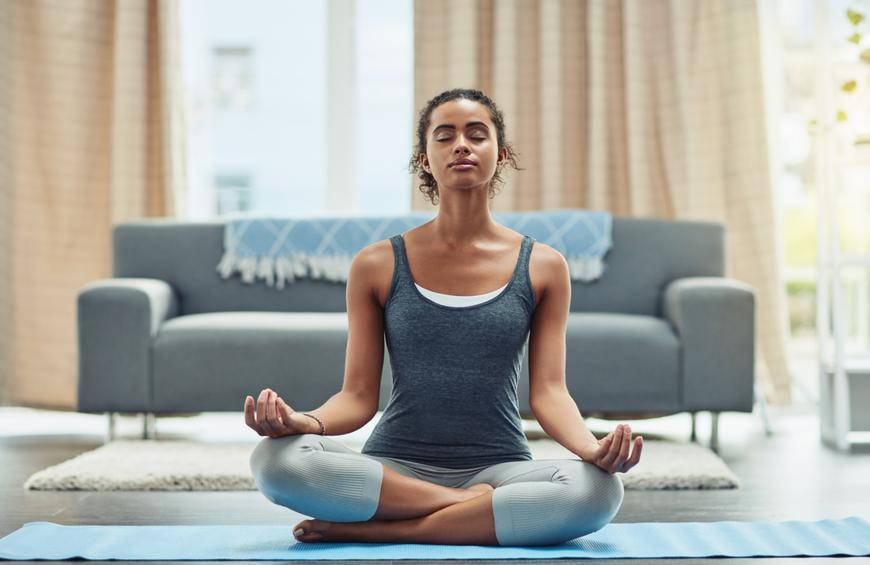
Recent years have shown us that, in addition to physical health, we also need to take care of our mental side on a regular basis. Stress is something that affects everyone's life. To a certain extent, stress is even beneficial, but once it becomes chronic, it can have fatal consequences. In this day and age where performance is the number one metric and toxic productivity is becoming almost the unwritten norm, it's really important to remind ourselves that no job task, relationship, or goal is worth burnout. So let's take some time for ourselves and make ourselves happy, too. Find an activity that helps you regulate stress - it could be a walk, a sport, reading a book, cooking, listening to music, getting a massage, chatting with friends, a warm bath, yoga, meditation or a great movie. In short, find something that you can turn your mind off, focus on yourself and with all the responsibilities and pressure, think about the fact that you need to rest and that it's okay to do so.
If we're talking about the psyche, we have to mention the issue of social media. Social networking is a phenomenon of our time and it is very important to take it with a pinch of salt. It is true that anyone who is not on Instagram or Facebook today is as if they are not alive at all. But on the other hand, permanently consuming information about other people's lives can lead us to compare ourselves more, to judge ourselves more, and this can cause a lowering of our self-esteem, a feeling of 'inadequacy' or, at a worse stage, lead to depression or anxiety. If this is something you struggle with, or you know you spend more time on social media than is healthy, put some sort of limit on the amount of time you spend on social media in a day, or remove socks from your phone outright and try to enjoy the beauty of real life offline more.
Don't forget to get some fresh air!
Due to the current hectic times, most of us spend most of the day in the office at the computer or other work, we don't get out for air as often, or maybe we don't really want to after work. But that's a great pity. Fresh air is one of the most neglected factors, but it is absolutely essential for overall health. Being outdoors can improve our mood, boost productivity, help us feel better physically and mentally, support the quality of our sleep and, last but not least, being outdoors in all weathers is very important for building strong immunity.
So make a short walk a part of your daily routine - park your car further away than the office entrance in the morning or get off the tram a few stops early and walk to work if you can, listen to a telephone meeting on your headphones and go for a walk or sit on a bench (in warm weather, of course), or go out for sport after work - bike, skate or run? There are plenty of options. Being outdoors - especially during the summer, when the sun is stronger - is also the most natural way to get that all-important vitamin D, which plays a role in a wide range of bodily processes, and a lack of it can have fatal consequences. Staying in the sun doesn't have to be long - 20-30 minutes a day should be enough to get an adequate amount. In addition to vitamin D, the sun will also give you energy and make you feel better in every way. And as a bonus, you'll also get a little tan, which will add to your attractiveness. Over the winter, you'll work on your immunity, because staying in overheated rooms all day just isn't ideal.
Recommended
What to take away from the article?
Today we talked about healthy habits that are really worth building. The foundation is a varied and balanced diet that provides our bodies with enough energy to function properly, be strong, healthy and support us in all situations. We should also not forget about quality sleep, which is often considered an afterthought, but should definitely not be. We should pay attention not only to our physical health, but also to our psyche. Everything in our body is connected to everything else, and if we do not feel well mentally, it will be reflected on the physical side and vice versa. Last but not least, we should regularly load the body with some sports activity, give it incentives to develop and grow and keep it in good shape. Then, it is equally important to spend at least a few minutes outdoors every day - it will boost our productivity, promote quality sleep, help us burn a few extra calories and, as a bonus, regular outdoor exercise will also help us build stronger immunity.
Sources:
Blackwelder, A., Hoskins, M., & Huber, L. (2021). Effect of Inadequate Sleep on Frequent Mental Distress. Preventing chronic disease, 18, E61. https://doi.org/10.5888/pcd18.200573
Mead M. N. (2008). Benefits of sunlight: a bright spot for human health. Environmental health perspectives, 116(4), A160-A167. https://doi.org/10.1289/ehp.116-a160
Abbasi, B., Kimiagar, M., Sadeghniiat, K., Shirazi, M. M., Hedayati, M., & Rashidkhani, B. (2012). The effect of magnesium supplementation on primary insomnia in elderly: A double-blind placebo-controlled clinical trial. Journal of research in medical sciences : the official journal of Isfahan University of Medical Sciences, 17(12), 1161-1169.
Firth, J., Gangwisch, J. E., Borisini, A., Wootton, R. E., & Mayer, E. A. (2020). food and mood: how do diet and nutrition affect mental wellbeing. BMJ (Clinical research ed.), 369, m2382. https://doi.org/10.1136/bmj.m2382
Tosini, G., Ferguson, I., & Tsubota, K. (2016). Effects of blue light on the circadian system and eye physiology. Molecular vision, 22, 61-72.
https://www.webmd.com/sleep-disorders/sleep-blue-light
No posts have been made yet.








