





Seven amazing ways to relax your body and mind
 Author:
 Rest, recovery and stress management are big topics not only for athletes. Although it is often problematic in today's hectic times, we should find enough time for relaxation and should not neglect it. Fortunately, there are a number of ways to give the body plenty of rest, relief from demanding workouts, but also from the stress load. Let's take a look at some of them together today and see how they can benefit us to perform at our best in sports, but also to boost our physical and mental health.
Swimming
Swimming is one of the most comprehensive forms of exercise ever and is also very gentle on our skeleton. The fact that it does not cause concussions makes it suitable for everyone, including people who have knee or back problems. Swimming can help you build muscle, strength and is a great way to improve performance in many sports. Compared to land-based sports, swimming develops and maintains flexibility in your joints and spine without unnecessary strain.
Furthermore, swimming is beneficial for the cardiovascular system, it increases lung capacity, and thanks to its gentleness to the musculoskeletal system, swimming is a very popular exercise for physiotherapists to prescribe to their clients to speed up recovery after injuries or in the treatment of joint diseases. Swimming can also be used as a compensation and relief for hard workouts or long sessions at the computer or in the car.
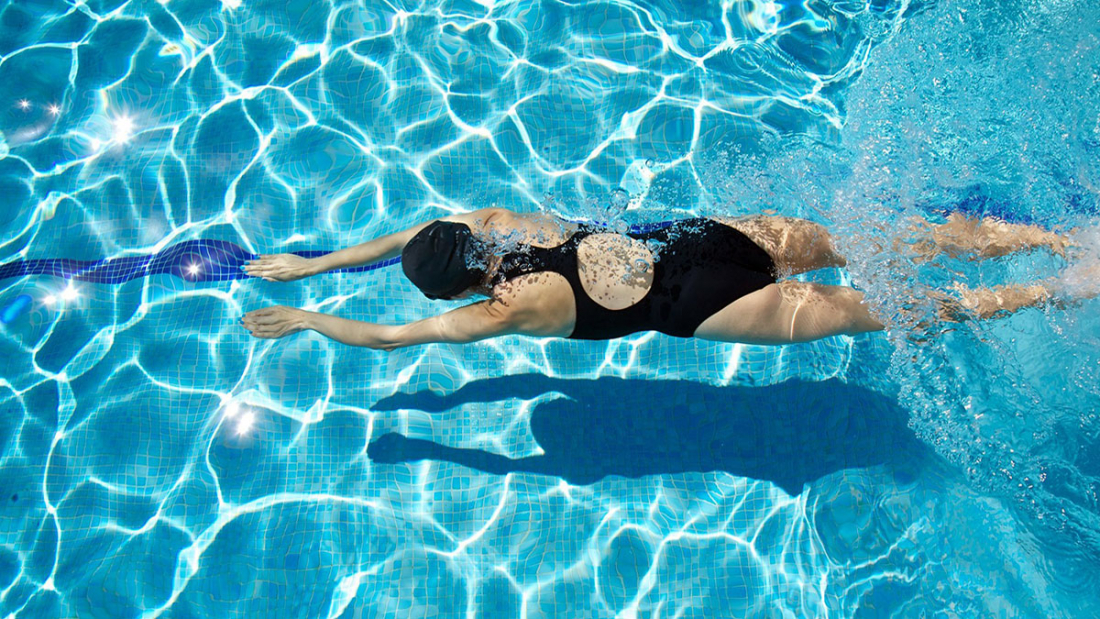
Swimming can also help you improve your posture and help with back pain and hunching. Styles such as the crawl or the backstroke are ideal, as they keep the head in a neutral position and don't put too much strain on the spine. At the same time, swimming is a great option for increasing joint mobility and overall flexibility. Swimming is even said to be a very useful aid in combating sleep problems. Apart from that, swimming is also a great kind of exercise that will give you a perfect rest and clear your head. By concentrating on proper coordination of movements, correct breathing and technique, a "heavy head" can be relieved. Swimming can therefore be a great relaxation exercise that can help you to get rid of stress quite quickly.
Massage
Not only is massage therapy an effective way to help relieve muscle pain and improve blood flow, but massage is also a very good relaxation technique that can help you fight stress. Therapists and massage therapists today use a wide range of techniques to help people more easily overcome common health complications such as fibromyalgia, anxiety, muscle stiffness and perhaps arthritis. There are countless different types of massage, each of which specializes in a different problem and has a different use and technique. Scientific studies show that massage therapy improves lymphatic system function, helps regulate hormones, and can be an effective prevention against many injuries.
There is really a wide variety of types. The most common are classic Swedish massages or sports massages, which are often performed by a physiotherapist. The primary aim of such massages is to warm up the body, improve blood flow to muscles and tissues, relieve muscle stiffness and last but not least as a prevention or treatment of injuries. Thai massages are also popular, which in addition to relaxation also serve to increase flexibility. There are of course also specialised massages for relaxing the lumbar spine, pregnancy massages, acupressure massages, chocolate massages, scented oils or even lava stone massages. It is also very important to choose the right trained massage therapist or physiotherapist, as an amateur massage can do more harm than good.
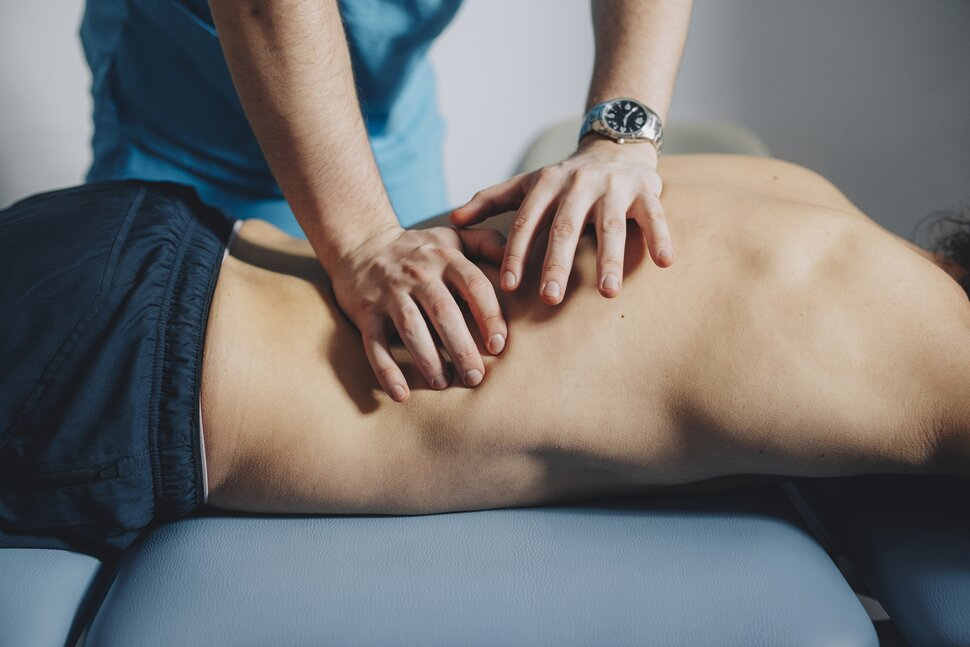
In addition to helping to speed up recovery, massages also improve blood circulation and are a very effective way of relaxing sore or stiff areas. Recent research has also shown that massages help to reduce stress levels, and are effective in combating depression and the fatigue that often accompanies it. Studies show that the presence of depression is often triggered by active and chronic pain, and that depression itself then leads to worsening muscle tension and pain. Massage also supports the lymphatic system, promotes strong immunity and has a positive effect on the digestive system. Regular massage is not only a great relaxation, but also an important prevention of various injuries and muscle pain.
Sauna
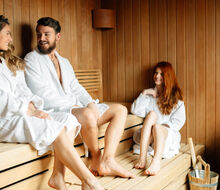
Another great way to promote recovery and provide stress relief is to take a sauna. Scientific studies show that just 10 minutes in the sauna after sports significantly contributes to muscle recovery and preparing the body for the next demanding workload, specifically by eliminating metabolic wasting of nutrients. Thanks to the increased blood flow, all nutrients are distributed to the last capillary of the stressed, tired and strained muscle, which accelerates its recovery and reduces stiffness. Sauna bathing can also be beneficial in relieving the symptoms of joint pain. In addition, the process of sauna bathing (when done regularly, of course) has been shown to positively affect growth hormone production.
Regular sauna sessions are also a significant boost to the immune system, detoxifying the body externally and internally, and helping to fight acne, cellulite and other skin ailments. In addition to all of the above, sauna bathing is also beneficial for individuals suffering from high blood pressure. Since saunas are usually dark, quiet places, they are a great place to induce mental equanimity, relaxation and release any stress. The elevated temperature results in the release of a dose of endorphin, which is known as the hormone of happiness and good mood. It is a natural analgosedative that calms the mind, soothes pain and induces a relaxed feeling for the body and mind. It is reported that during sauna sessions, endorphin levels can increase up to 2-3 times! No wonder sauna bathing is so popular.
Foam roller
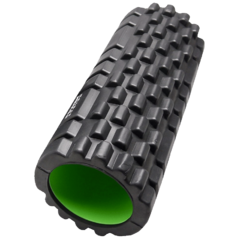
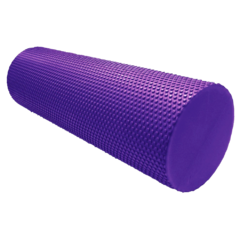
If you don't feel like going to a physiotherapist or masseur for a massage, you can comfortably treat yourself at home using a foam roller. You can roll before or after your workout, or even at home in front of the TV or in the office. Foam rolling has been really popular in recent years, and it is no wonder at all, because rolling is a comfortable and very useful way to promote recovery and quickly relieve sore muscles.
In fact, foam rolling is a great way to indulge in a soft tissue massage (the so-called self-myofascial release (SMR) technique). With this handy tool, you can also work on your flexibility, body stabilisation, mobility and it can help you increase your range of motion, which can make a noticeable improvement in your sports performance. In addition, foam rolling increases blood flow and oxygen and also has an effect on skin elasticity, so it can also help you in a small way to fight cellulite.
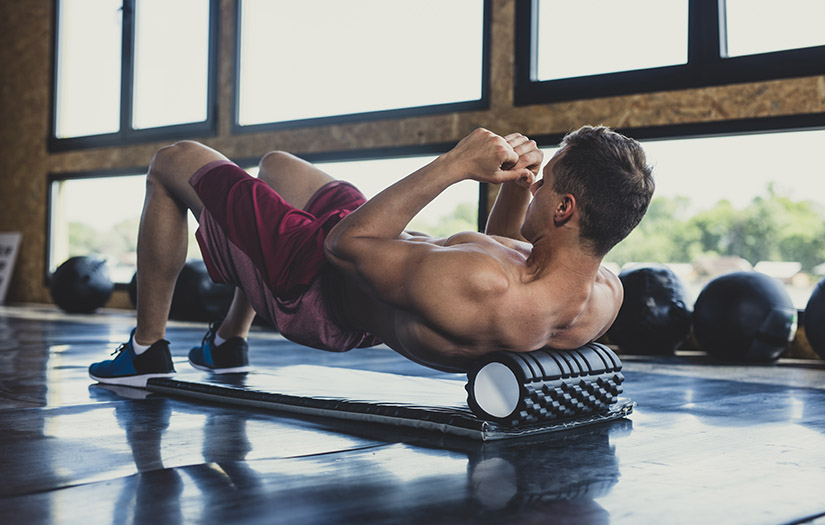
The important thing is to choose the right roller. There are many sizes, shapes, degrees of hardness and surface roughness. Beginners should definitely use softer rollers so that their body can get used to this rather specific movement. Later on, you can switch to harder rollers, or look for a roller that has bumps on the surface. These types are undeniably very useful for many athletes, but they are quite aggressive and could do more harm than good in the case of beginners. To massage hard to reach areas, it is also advisable to use a massage ball, which is made of the same material as the rollers, only it is round in shape and you can get to sore spots more easily, for which the foam roller is too big and bulky.
When rolling, concentrate on breathing and do not move too quickly. Many people tend to rush when rolling and perform the movements quickly because rolling is sometimes quite painful, so they want to get it over with as quickly as possible. This is a mistake! The more the area hurts, the more time you need to spend rolling it to get it to relax.
The main purpose of using foam rollers is to loosen tight and stiff fascia around muscle cells. However, this process takes its time! If you rush too much while performing the movement, blood flow may only increase marginally, so actually the body is not able to reap the maximum benefits that the roller offers, including relaxing the fascia, a necessary process for eliminating pain. However, even here, too much of anything is bad for you, and even long or too intense rolling is not exactly beneficial.
Yoga and meditation
Yoga has a strong focus on the mind-body connection and is therefore often recommended for calming, stress relief, and muscle tension relief. It may not seem like it at first, but yoga is also quite a workout. When performed correctly and regularly, it can be useful in preventing back pain, mental health issues, but we can also help increase flexibility, which is beneficial for most other sports.
By practicing yoga regularly you will also achieve better blood circulation, which helps to detoxify the body. With yoga, you will also learn good breathing habits, which helps to supply the body with more oxygen, giving you more energy. Yoga heals the body and mind, helps to shape the physique, maintain vitality and strengthens muscles - even those that you don't engage in regular strength training. Yoga can even improve and regulate internal organs and is said to slow aging.
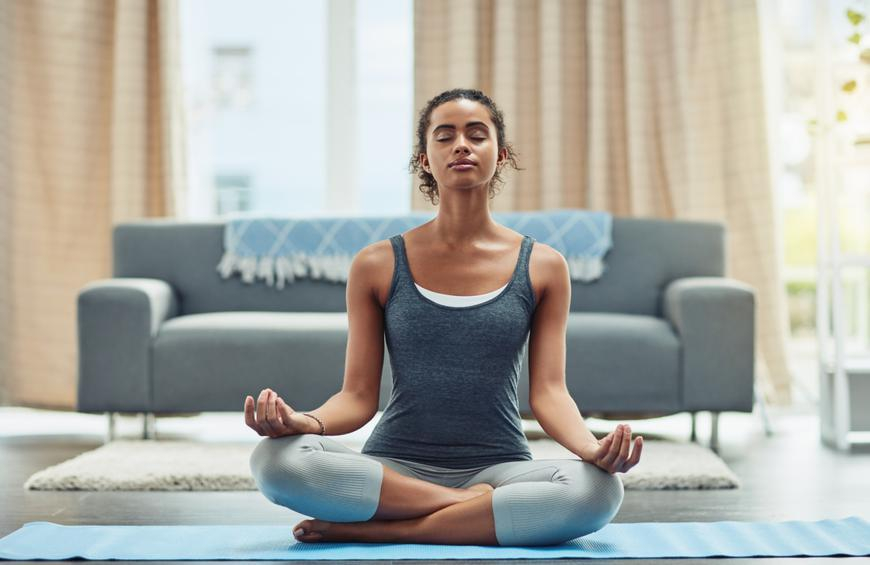
Yoga is often associated with meditation. The great advantage of meditation is that you don't need anything at all to do it - you just need a quiet place in your home, without anyone else present. Natural meditation for stress relief is practiced using simple mental techniques and breathing exercises, done for just 10-15 minutes once or twice a day. Various forms of meditation reduce physiological reactions to stress, increase mental alertness, and help people overcome various emotional and physical problems such as: anxiety, depression, poor mental health that negatively impacts quality of life, attention problems, sleep problems, pain, and even weight gain.
Walk
A great way to actively regenerate and a powerful weapon against stress, is to take a walk in the fresh air. Fresh air has a positive effect on cognitive function, the immune system, mood, helps regulate stress levels and also has a beneficial effect on sleep. If the sun is shining, you'll also get the all-important vitamin D, which also plays an important role in stress reduction, but also affects a wide range of other bodily processes and is key to overall health. Walking is also the most natural movement for the body, so it can be beneficial for recovery or relaxation after a hard workout.
Recommended

Sleep
When we talk about the regeneration of body and mind, we must not forget to mention sleep. It may be embarrassing how often we mention it, but believe it or not, sleep really is the most basic and important form of recovery and one of the main pillars of being healthy and feeling well - physically and mentally. Although quite a lot of attention has been paid to the importance of sleep, the demands of today's times, and unfortunately people's habits themselves, do not offer opportunities for getting enough sleep, either in terms of time or quality. During sleep the body regenerates, regains strength, balances the levels of all important hormones, regulates appetite and above all - rests.
If we don't give our bodies enough quality sleep, we get tired, sore, nasty, seek out more calorie-dense foods, have a harder time recovering, have a hard time concentrating... in short, lack of sleep has all the negatives. That's why we should make sleep one of our key priorities, especially if we are active athletes. Sleep doesn't cost anything, it is a basic need of our body and so many factors depend on its quality and quantity that there is simply no debate about how extremely important it is for physical and mental health. We devoted a fairly recent article to tips on how to get a good night's sleep, and we recommend reading it!
What to take away from the article?
As you can see, there are really quite a few ways to give your body space to regenerate, and we can safely say that one is more enjoyable than the other. Don't be afraid to incorporate them all into your regime in some proportion - start with a good night's sleep and a good stretch after a workout or in the evening at home in the living room. Once a fortnight - a month - treat yourself to a good massage, a good physio or a sauna. Go for at least a short walk every day and incorporate the occasional swim into your workout routine. Your body will thank you for this precise care!
Sources:
Givi M. (2013). Durability of effect of massage therapy on blood pressure. International journal of preventive medicine, 4(5), 511-516.
Furlan, A. D., Imamura, M., Dryden, T., & Irvin, E. (2008). Massage for low-back pain. The Cochrane database of systematic reviews, (4), CD001929. https://doi.org/10.1002/14651858.CD001929.pub2
Hannuksela, M. L., & Ellahham, S. (2001). Benefits and risks of sauna bathing. The American journal of medicine, 110(2), 118-126. https://doi.org/10.1016/s0002-9343(00)00671-9
health.harvard.edu/blog/sauna-use-linked-longer-life-fewer-fatal-heart-problems-20150225775
Kim, K., Park, S., Goo, B. O., & Choi, S. C. (2014). Effect of Self-myofascial Release on Reduction of Physical Stress: A Pilot Study. Journal of physical therapy science, 26(11), 1779-1781. https://doi.org/10.1589/jpts.26.1779
Peacock, C. A., Krein, D. D., Silver, T. A., Sanders, G. J., & Von Carlowitz, K. A. (2014). An Acute Bout of Self-Myofascial Release in the Form of Foam Rolling Improves Performance Testing.International journal of exercise science, 7(3), 202-211.
Barnett, A. (2006). Using recovery modalities between training sessions in elite athletes: does it help?.Sports medicine (Auckland, N.Z.), 36(9), 781-796. https://doi.org/10.2165/00007256-200636090-00005
Draper, N., Bird, E. L., Coleman, I., & Hodgson, C. (2006). effects of Active Recovery on Lactate Concentration, Heart Rate and RPE in Climbing. Journal of sports science & medicine, 5(1), 97-105.
Kukkonen-Harjula, K., & Kauppinen, K. (1988). How the sauna affects the endocrine system. Annals of clinical research, 20(4), 262-266.
No posts have been made yet.








