





5 toxic compounds lurking in our food and drink!
 Author:
 Food is an essential part of our daily lives, and while a healthy and balanced diet will allow you to work productively, feel good and gain muscle mass, high-calorie foods with a high degree of industrial processing can be behind the development of obesity and a range of diseases. But sometimes people feel they are eating healthily, but they are ingesting a spectrum of toxic compounds that can be quite harmful to their health. So in our article today, we look at 5 toxic compounds that lurk in our food and drink.
Article Content:
- BPA and similar compounds
- Polycyclic aromatic hydrocarbons
- Coumarin
- Mercury and other contaminants from the sea
- Trans fats
1. BPA and similar compounds
In the first place we must mention a substance called bisphenol A (sometimes abbreviated to BPA). Although structurally different, scientific studies have shown that this compound has similar effects to estrogen, and a number of negative effects have been linked to it - for example, there is a correlation between BPA intake and prostate or ovarian cancer, effects on reproduction, the development of diabetes or blood pressure , or impaired functioning of the cardiovascular system. And where can BPA actually be found? In the plastic bottles we come into contact with every day. In addition to these, BPA is also found in thermosensitive paper, which you may come into contact with when you touch your receipts at the supermarket. And as we mention in our separate article on BPA, even products that boast about how BPA-free they are may contain potentially even more harmful compounds, according to some research. The solution, therefore, may be to stop using plastic bottles and switch to materials that are naturally BPA-free - typically, today you'll see either tempered glass bottles or, perhaps, steel shakers that are both durable and lightweight.
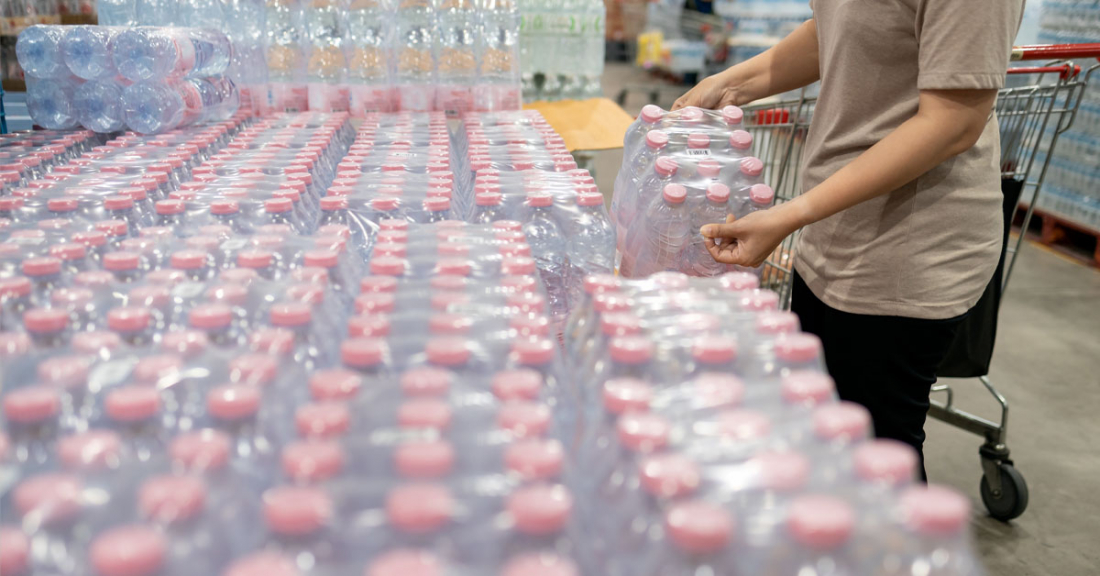
The consumption of single-use plastics is not good for the environment. But did you know that it can also be quite harmful to your health?

2. Polycyclic aromatic hydrocarbons
The second group of substances that you may regularly encounter without knowing it are the so-called polycyclic aromatic hydrocarbons, also known as PAHs or PAHs. These substances are typically formed as products of imperfect combustion and when meat is cooked at high temperatures. Ordinary people are most likely to encounter them at summer barbecues, when animal fat drips directly onto hot coals or other heat sources and then rises through the meat and out of the grill as smoke. These substances, typically found in bacon or fattier cuts of meat, have been linked by research to several types of cancer, and animal studies have revealed damage to the respiratory and immune systems as well as impaired reproduction. As we mentioned in a separate article on reducing PAHs when grilling, it's definitely a good idea to pay attention to the marinade used, use foil or trays, and choose lean rather than fatty meats.
3. Coumarin
While many of you have no doubt heard of the first two groups of substances mentioned, coumarin is completely unknown to many people. Still, it's a substance that's definitely worth your attention, because according to many sources, coumarin can cause things like headaches, drowsiness and dizziness in large doses. There are even concerns that it has potential carcinogenic and mutagenic properties. And where can you find coumarin? In something as inconspicuous as cinnamon, which for many people is synonymous with the healthy spice they add to their porridge, for example. Yet you may also come across scientific research that finds elevated levels of coumarin in children who regularly eat the aforementioned cinnamon porridge. The solution in this case is quite simple - instead of buying cheap cinnamon from the supermarket, start buying the more expensive cinnamon known as Ceylon cinnamon or real cinnamon , which contains much less coumarin.

If you use cinnamon in your food regularly, go for the Ceylon one instead.
4. Mercury and other contaminants from the sea
Another food group that most people consider synonymous with a healthy lifestyle is fish. Paradoxically, fish also contains a number of substances whose effect on our health is questionable to say the least. In addition to the mercury mentioned above, this may include dioxins or PCBs - while mercury is accumulated by predatory fish (some types of tuna, some mackerel and swordfish), dioxins are more likely to be found in fattier fish such as salmon. Althoughthese fish have been shown to contain these contaminants, in reality the amounts are not staggeringly high and, unless you eat several kilograms of fish a day, the positive effects of the substances contained will definitely outweigh any potential negatives.
5. Trans fats
We'll end our article with substances that most of us come into contact with on a regular basis, and that is trans fats. As we mention in our detailed article on dietary fats, fats can be divided into saturated, unsaturated and trans fats, and it is the latter category that poses quite a significant risk to our health. Previously, these fats were widely consumed in the form of margarines (i.e. vegetable fats that have undergone a solidification process), but nowadays products such as Rama are produced by other processes and the amount of trans fats in them is not very high. These potentially harmful substances, which have been linked , for example, to the development of inflammation in the body, are still found in various fast-food products, convenience foods and products with a high degree of industrial processing.

Suspiciously cheap desserts usually do not contain any good quality fats, but instead you may find trans fats in them.
What to take away from today's article?
The main thing you should take away from today's article is that nowadays it is possible to find a whole range of potentially harmful substances even in foods that people generally consider healthy. But while some of these are not a concern if you have a varied and balanced enough diet, others are worth keeping an eye on. In particular, we'd recommend limiting contact with single-use plastics containing BPA (whether for the environment or for your own health), and keeping an eye on your intake of both trans fats and simple sugars, which are more represented in many of our diets than would be ideal.
Recommended

Smart Shake Reforce DC 900ml
No posts have been made yet.








