





Don't buy the cheapest shakers! What is BPA and why is it a problem?
 Author:
 If you have ever bought a shaker or any other plastic bottle, you will have noticed that there are often quite significant differences in their price. Have you ever wondered what causes this? In our article today, we're going to look at a substance called BPA, which is often found in plastic bottles and which you definitely don't want in your home.
Article content:
- What is BPA?
- Why is BPA harmful?
- Can anything be done against BPA?
- But I only buy BPA-free bottles
- And what do the official institutions say?
- Well, yeah, but how do I solve it?
What is BPA?
Plastics have made our lives much easier in recent years, although unfortunately they are still highly debated in terms of their impact on health and nature. One of the reasons for this is the presence of a substance called bisphenol A (or BPA for short), which is used in the manufacture of plastics. It is indeed found in many places - firstly, it is used in the production of the thermosensitive paper you take from ATMs and supermarkets or put behind the glass of your car, and secondly, it is used in the production of polycarbonates. This means it's found almost everywhere from CDs and DVDs to baby bottles and plastic cutlery to the aforementioned shakers. If you do not believe that BPA is all around us, you may be convinced by the fact that studies have been able to detect the presence of BPA in the urine of up to 85% of Korean children aged around one year.
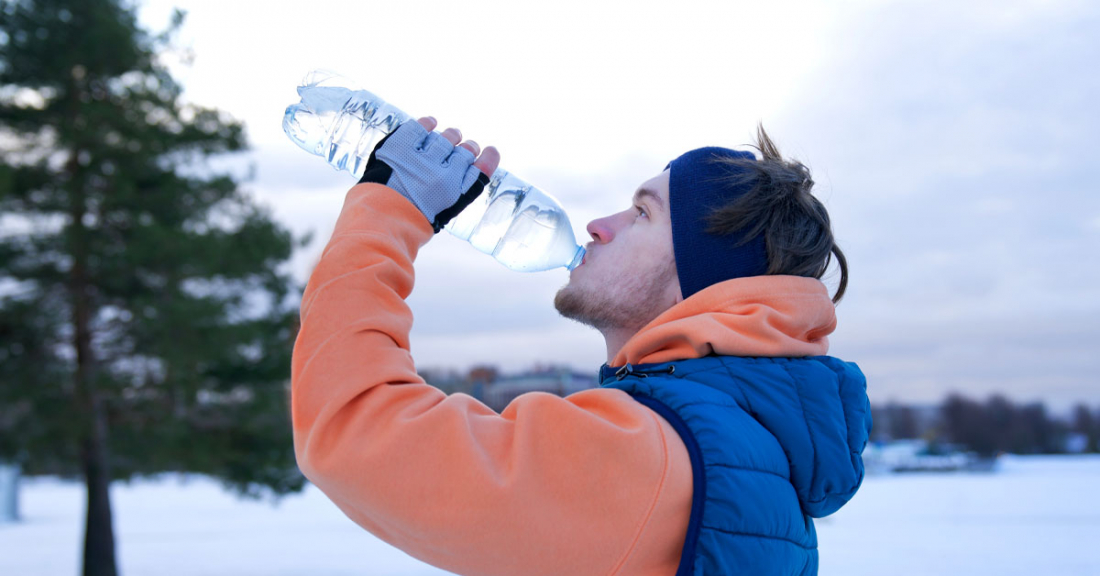
If you regularly fill your water in a disposable plastic bottle, you should stop.
Why is BPA harmful?
BPA is harmful for many reasons, but the most glaring one is the fact that it has been shown to have very similar effects to estrogen - although at first glance their chemical structures are a little different, estrogen receptors cannot fully distinguish bisphenol from estrogen. Let's take a look at some of the negatives that are (not only) related to this:
Potential cancer risk
Most of us have heard so many times that something we are surrounded by can cause cancer that we have become numb to it. While that's not always entirely true, in the case of BPA, some of the studies that have been done actually point to it. Specifically, bisphenol A can increase the risk of ovarian, breast and prostate cancer, organs very closely related to hormone production. In addition, some research also suggests that BPA may interfere with the effectiveness of chemotherapy in people with the aforementioned breast cancer.
Negative effects on fetal development
While it sounds like science fiction to many of you, cigarettes and alcohol are far from the only factors that can interfere with healthy fetal development. In fact, research has actually shown that BPA may be behind the disruption of certain processes related to fetal development. This study even mentions that BPA can also affect the reproductive system in men, which could be a very serious problem for our reproduction in the future.

Smoking cigarettes and consuming alcohol would probably not occur to most sensible mothers. But few people pay attention to plastic bottles or cutlery.
A threat to overall health
In addition to the above negatives, there are even studies that talk about the negative effects on blood pressure, diabetes and even the cardiovascular system. But not to put a damper on BPA, scientists do know that there is some connection between these things, but the exact mechanism of interaction has not yet been described. Still, we think it's best to avoid BPA.

Can anything be done against BPA?
The effect of BPA is much worse if you expose it to heat. So heating food in plastic containers in the microwave may not be the best idea, and we don't recommend, for example, drinking from the same bottle (if it contains BPA or is intended for single use) or drinking from a bottle that has been left in a heated car for a long time.
But I only buy BPA-free bottles
Unfortunately, BPA is far from the only problematic substance used within plastic bottles. And while it may sound unbelievable, according to some sources, BPS used as an alternative to BPA in popular BPA-free products can be just as harmful. Some of the substances used may be even more harmful, affecting things like thyroid production in addition to estrogen. And since there is no legislation to address this, you may well find that buying a BPA-free product actually makes you worse off instead of doing something for your health.
And what do the official institutions say?
Despite the many studies that have been carried out, official institutions do not take a very hard line on BPA. But as current popular articles show, BPA may be much more dangerous than originally thought. Thus, in 2015, the maximum amount of BPA to which a person can be exposed without health risks was reduced from 50 to 4 micrograms and, in addition, bisphenol A cannot be used in baby bottles in the EU. However, you should still be particularly wary of buying toys, pacifiers or bottles from outside the EU, where different legislation may apply.
Well, yes, but how do I sort it out?
While the whole issue of potentially harmful plastics may sound a bit complicated, the solution is actually quite simple. Replace single-use plastics with materials that are much safer. A typical example of a suitable bottle is a steel shaker, which is slightly heavier than a plastic one, but once you get used to it, you won't want to take it out of your hand. Borosilicate glass bottles have also become quite popular in recent years, as they are relatively strong, durable and of course contain no harmful plastics.
In case you don't want to give up plastic, you should always at least reach for bottles that declare the absence of other potentially harmful chemicals besides BPA. In our shaker category, the Nutrend shaker is a good example. Although it is of course not possible to cut out plastic bottles completely, we recommend limiting contact with them as much as possible and using the alternatives mentioned.
Recommended
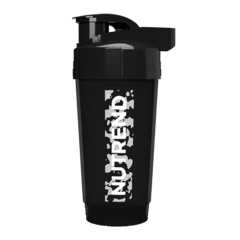
Šejkr Nutrend
No posts have been made yet.








