





Nine foods that are subtly killing your fat reduction!
 Author:
 If you're trying to reduce fat, you know that you need to create a calorie deficit. But even on a diet, we don't want to bore ourselves with chicken and broccoli 100 times different and yet the same, so we like to look for the "best foods for reduction". In reality, any food is suitable as long as we can regulate the amount. However, on the other hand, there are tons of foods that we consider healthy and super suitable for fat reduction, but they are not so super and very often they are the hidden killers of our fat reduction process. Let's take a look at which foods are the most common.
Smoothies and fruit juices
Fruit smoothies. A popular snack that looks seemingly completely harmless. Isn't it? All fruit, that's liquid health. Yes, fruit is healthy, but it takes several pieces to make one smoothie, and that's the problem. You know from our articles that the difference between medicine and poison is always the quantity. With a seemingly harmless-looking drink, you take in a lot of sugar. Half a litre of some rich smoothie can contain up to a whopping 70g of sugar. Plus, by juicing the fruit, it loses so much of the beneficial fibre that is known for its ability to fill us up, so this drink doesn't do much to satisfy our hunger.
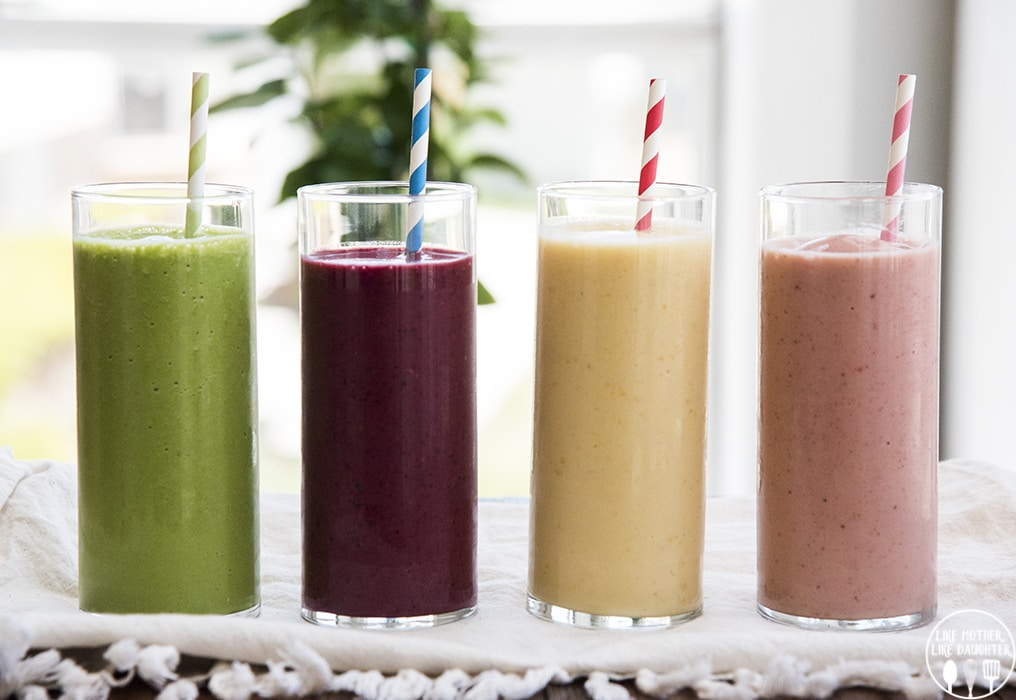
If you have a craving for fruit, it's better to have it in its whole form, for example, sliced in yoghurt. Because, hand on heart, who can eat two bananas, two oranges, half an apple and a handful of blueberries at the same time? That's roughly equivalent to the amount of fruit used to make a smoothie. I'm guessing that a piece or two would be plenty in its unblended form. If you like smoothies, try making one at home - take one piece of fruit, a handful of raspberries or strawberries, add yoghurt and a little water, or blend fruit, kefir milk and protein and you've got a delicious drink that'll fill you up and save you a huge load of sugar.
Detox pills/juices
The marketing gimmick of the decade - detox products. Detox, or also known as body cleansing. In recent years, the popularity of detoxification or cleansing treatments has been on the rise, and their proponents and promoters claim that these "diets" help our bodies get rid of toxins and improve digestive health. After a detox, they say, you'll feel younger, healthier, have more energy and God knows what else. But is this really true? Do we even need to undergo any of these treatments and spend hundreds, if not thousands of crowns on products that will help us?
Of course we don't need to. Detoxifying the body may seem like a great idea - especially after reading an advertisement for a product promising miracles when you buy and use it. However, in reality, detox is a completely unnecessary affair. Our body is indeed a "magic machine", and if you have a healthy liver and kidneys, then we can congratulate you because you are detoxing 24 hours a day and you don't need any pills, juices or other miracle products to do it. Don't believe everything you read on the internet and don't take rash action. In fact, the only thing these things effectively detoxify is the contents of your wallet. So instead of investing in a product designed to detoxify, invest in a good quality healthy solid food, which is the real key to health and the best "detox". As long as you don't take drugs or drink alcohol heavily, you don't need to go through any targeted detox program.
Breakfast cereals and store-bought granola
Breakfast cereals and granola are popular snacks. Why not, just pour them into yogurt and your breakfast or snack is on the table in minutes and without much effort. Both of these ingredients are often presented as a healthy breakfast option for sleepers or those who don't get a workout in the morning. But the truth is different. Granola and breakfast cereals usually contain a giant load of added sugar, oils or other additives that you simply don't need to ingest.
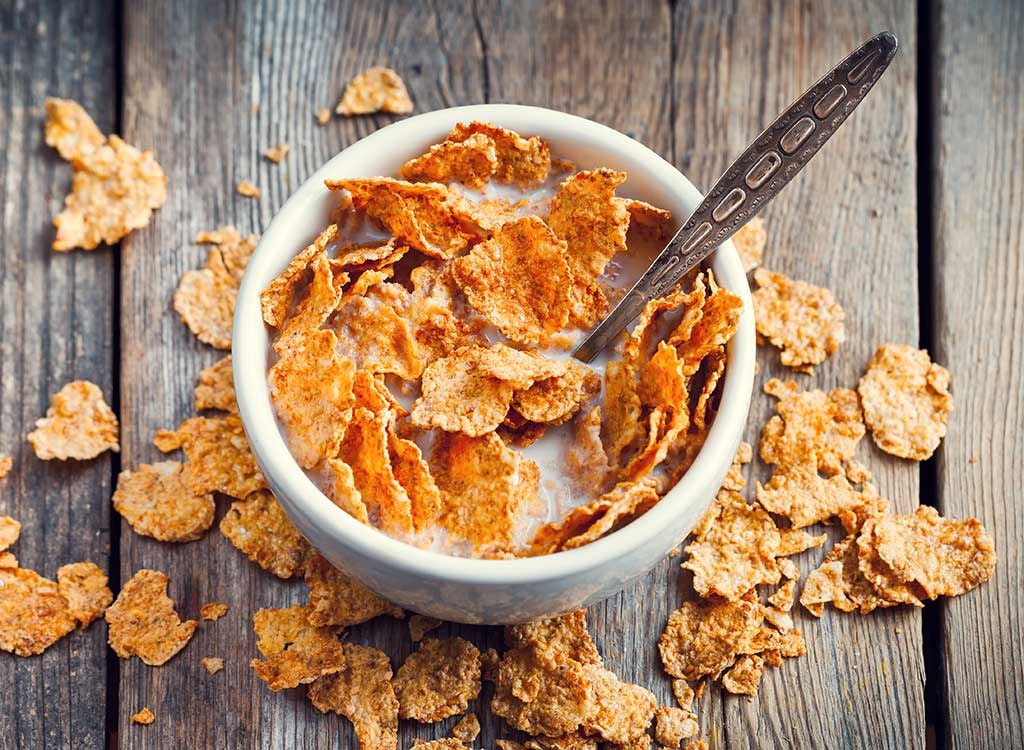
How do you solve this? Instead of buying granola, even if the packaging promises it contains XX% less sugar, just make your own. Just toast your oatmeal, add your favorite fruit, nuts, or even coconut. You can also make breakfast the day before and such overnight oats, porridge that you leave in the fridge overnight and just take out in the morning, or chia pudding that also waits for you in the fridge, is a great option and you don't have to reach for the bought products with high sugar content! You can also try some instant protein porridge, but keep an eye on the ingredients.
Gluten-free pastries and other products
In an effort to skip gluten, because some sources say gluten is responsible for everything bad that happens to our bodies, we often reach for a gluten-free product thinking it's healthier than the gluten options. But the truth is, it's usually just the opposite. Gluten-free packaged baked goods and other products are usually many times higher in calories, carbohydrates, tons of additives, and ingredients so long and full of words you don't even understand. Do you really think it's healthier than bread that's made up of sourdough, flour and water? Come on.
The problem is not the consumption of gluten as such, it is never just one food or one factor that is responsible for fat cells, but it is a complex problem where we simply take in more calories than our body needs. The real problem occurs when we consume wheat foods exclusively and forget to diversify our diet with other grains and carbohydrate sources. Rather than gluten-free packaged alternatives, choose baked goods containing spelt, rye, barley or buckwheat flour, or feel free to start baking your own, because homemade baked goods are always the best! If you want gluten-free baked goods, look for some fresh ones and avoid packaged products.
Protein/energy bars
Oh yeah, bars. Protein bars are a great and the absolute quickest snack you can have. Or, at least seemingly, because there's no such thing as a candy bar. We covered what such a protein bar should actually look like and what you shouldn't find in it in this article. Unfortunately, many products mislead with their name and turn out to be a calorie bomb that would be worth a whole lunch in terms of nutritional value.
When you do reach for a protein product, make sure it's of good quality. Such a bar should contain at least 20g of QUALITY protein, fibre, minimal sugar, a suitable source of fat (such as nuts or coconut) and possibly a small proportion of complex carbohydrates. Again, the simpler the bar's composition, the better. Unfortunately, there is a really wide choice of quality products on the market today, but on the other hand there are still some that we should avoid.

And the same goes for energy bars, oat bars and muesli bars. They shouldn't contain too much added sugar, always check where the carbohydrates in the bar come from, the ideal choice is if most of it comes from complex sources such as oatmeal or a bit of fruit. Oat bars shouldn't be a sugar bomb either and you need to really study the ingredients used carefully when choosing one. Even in this respect, you can find both good and poor quality products.
Low-fat products
'Fat-free, fitness, low-fat' yoghurt. Yeah, that sounds really tempting, but you need to study the ingredients carefully. Why? Fat is usually the carrier of taste and if the manufacturer removes it from the product, "something" needs to be added to make the product edible and replace the naturally created taste with fat. And what is that usually? Well, a bunch of sugar, artificial sweeteners or other additives. So we're not entirely sure low-fat options are a total win.
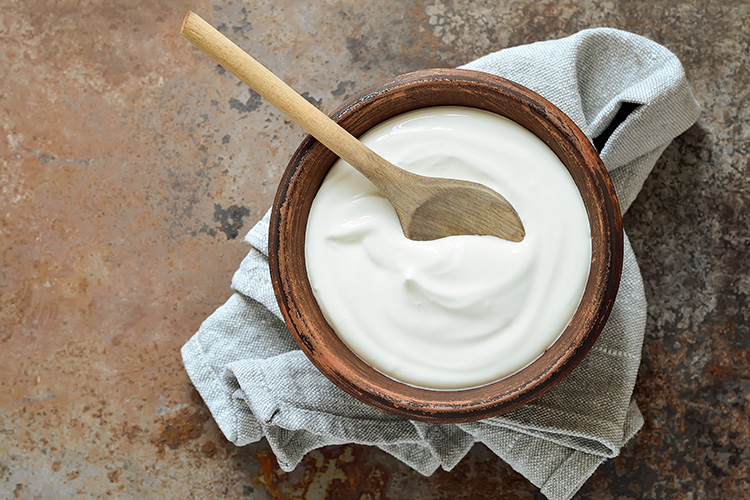
Dairy products are very healthy and your body will appreciate them, not only for the fact that they contain very important probiotics, but they are a source of protein, calcium and other micronutrients. The ideal choice is therefore classic white yoghurt with a fat content of up to 3 - 3.5%. A dairy product should really keep its composition as simple as possible - the more natural the product, the more benefits it offers. The product should not contain any added sugars, sweeteners or other ballast substances. In the case of products such as cottage cheese, mozzarella and other cheeses, or Greek yoghurt, you don't have to worry at all about reaching for the low-fat option - they don't contain any extra chemicals, and may even be preferable to their fattier versions.
Don't believe it? Then take a look at what low-fat cottage cheese contains - no additives, no sweeteners. In fact, the amount of fat depends on the milk used - we differentiate curds into skimmed (0.1% fat), low-fat (up to 1% fat), semi-fat (up to 5%), full-fat (above 5%) - or goat, sheep, etc. The amount of fat is expressed in relation to the total weight of the curd, so it is not a percentage of fat in the dry matter. This is around 4 - 5% for the low-fat version. So low-fat cottage cheese is an absolutely amazing source of protein with virtually no fat - and you can indulge in it in a different form. Same with skyr, or light mozzarella. But not all light products are the same, and unfortunately most products with this label are flavoured with sugar, sweeteners or other additives, so we'll repeat the perhaps somewhat clichéd phrase "check the ingredients".
Poor quality chocolate
Have you heard that chocolate is a health food? Chocolate, in the sense of real chocolate as dark chocolate with the highest percentage of cocoa, is actually very beneficial for health and athletic performance, which we even dedicated a separate article to. But the truth is that few people like dark chocolate, so often people reach for a more "palatable" version - ideally some milk, white or even containing lentils, cookies and other treats. But such chocolate is far from a health food. Loads of sugar, solidified fats and additives, health benefits are minimal. And as you know, you'll never stay with just one cube of such goodies.
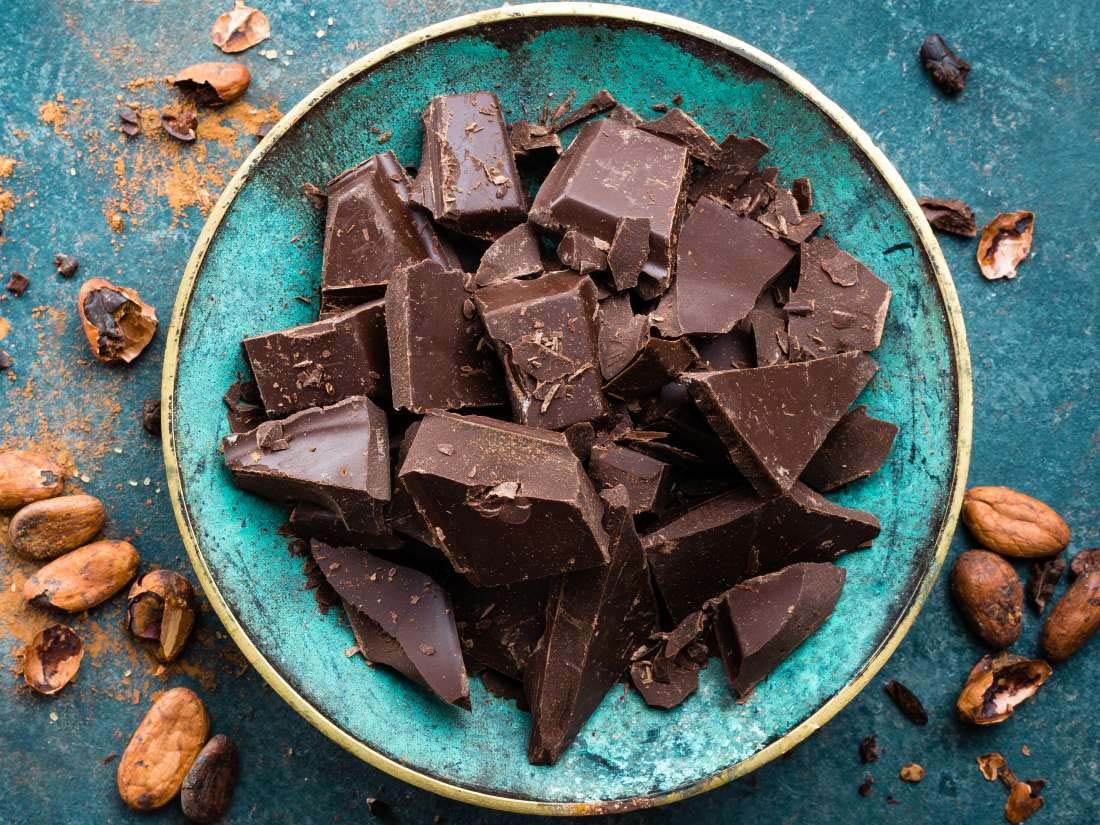
Feel free to indulge in chocolate, it's actually a very beneficial food for the gut biome, energy, boosts cognitive function, lowers blood pressure, contains tons of antioxidants, is beneficial for heart health, and can even help us build muscle. The benefits we've listed only apply to good quality dark chocolate - the higher the cacao content, the better. So if you want to get the most out of the health benefits of chocolate, you should aim for products with 85% or more cocoa. Even so, the product should not contain too much added sugar - the simpler the formula, the better.
Energy and sports drinks
Sports drinks are developed with the needs of athletes in mind no doubt, but are recreational athletes really in the same boat, going to the gym 4 times a week to lift something, cycling 50km in a week, or going for a 5k run at a moderate pace every day? Of course not. Sports drinks contain electrolytes (salts) and sugar, which can be helpful for elite athletes in many cases. However, most regular recreational athletes don't necessarily need to ingest electrolytes and certainly don't need liquid sugar during training (except for elite athletes, individuals who train several hours a day, etc.).
Although sports drinks are often considered a better choice than, say, cola or other fizzy sodas, there really isn't much of a difference, except that they contain extra electrolytes, which regular fizzy sodas do not. During training it is very important to ensure your body is adequately hydrated, but most people will be fine with plain water, or you can add a scoop of bulk bcaa. If you do want to try a sports drink or energy drink, reach for the sugar-free version. In the case of energy drinks, also watch out for the high caffeine content and other stimulants.
Recommended
Prom-in BCAA Synergy
Viridian SPORTS Electrolyte Fix
Products labelled "fitness/protein/healthy"
And finally, here's a modern trend. Fitness and healthy living are becoming more popular every year, and more and more brands are resorting to using enticing labels like fitness, protein, healthy, etc., on products that are nothing special. Unfortunately, these labels have no structured legislation, and so today we see a range of 'fitness products' from cottage cheese, to milk, to sausages. Such products are usually many times more expensive than their 'unfitness' versions, and yet, when we look at the ingredients, we often find that the only thing that says 'fitness' on the product is the wording on the packaging.
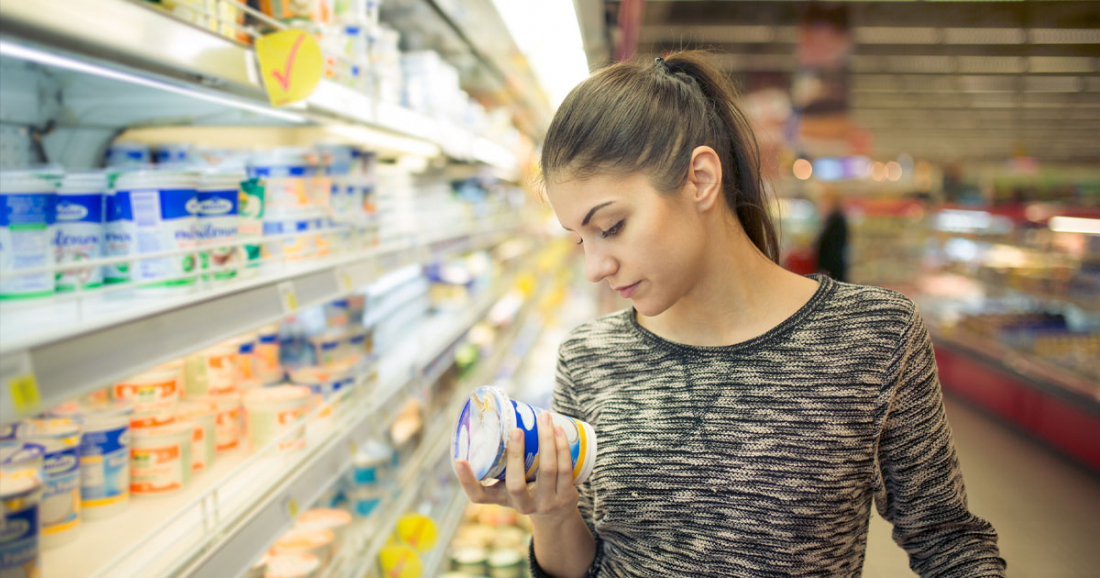
When choosing products, you need to use common sense and be able to read the ingredients. Don't buy a product just because the packaging has an appealing label or because it has a pretty picture on it. Study the ingredients and decide for yourself whether you really want to invest more money in a product that is (often) not very different from the regular version. Sometimes products with some such label have even worse ingredients than the classics, and that's really sad. Of course, even in this case there are bright exceptions, but caution is in order.
What to take away from the article
I often mention in my articles that there is no such thing as an unhealthy food, only an unhealthy amount, and of course this is also true for all the foods mentioned. It won't kill anyone to have a store-bought cereal from time to time, to buy a smoothie for a snack, or to pour granola and pretzels into our oatmeal, but if we are to consume these foods on a daily basis, we'd better think more deeply about the concept of our diet or try homemade options without added sugar and other additives. Nothing is ever just black or just white, and each of the foods mentioned can be found in a really good quality version that will be super suitable for a reduction regime, and at the same time unsuitable if we can't control the quantity.
Sources:
https://www.thelancet.com/journals/landia/article/PIIS2213-8587(14)70013-0/fulltext
https://www.ncbi.nlm.nih.gov/pubmed/24521561
https://annals.org/aim/article-abstract/1846638/association-dietary-circulating-supplement-fatty-acids-coronary-risk-systematic-review
https://www.ncbi.nlm.nih.gov/pubmed/23594708
https://www.ncbi.nlm.nih.gov/pubmed/16076991
https://www.bezpecnostpotravin.cz/kategorie/oznacovani-potravin.aspx
https://my.clevelandclinic.org/health/articles/16774-heart-healthy-benefits-of-chocolate
https://www.ncbi.nlm.nih.gov/pubmed/18045712
https://www.sciencedaily.com/releases/2019/07/190710193917.htm
No posts have been made yet.








