





The king of volume exercises, this is a deadlift!
 Author: Šárka Randáčková
 You simply can't ignore a dead move. In this article, we'll give you a detailed look at it and list programs for beginners and advanced.
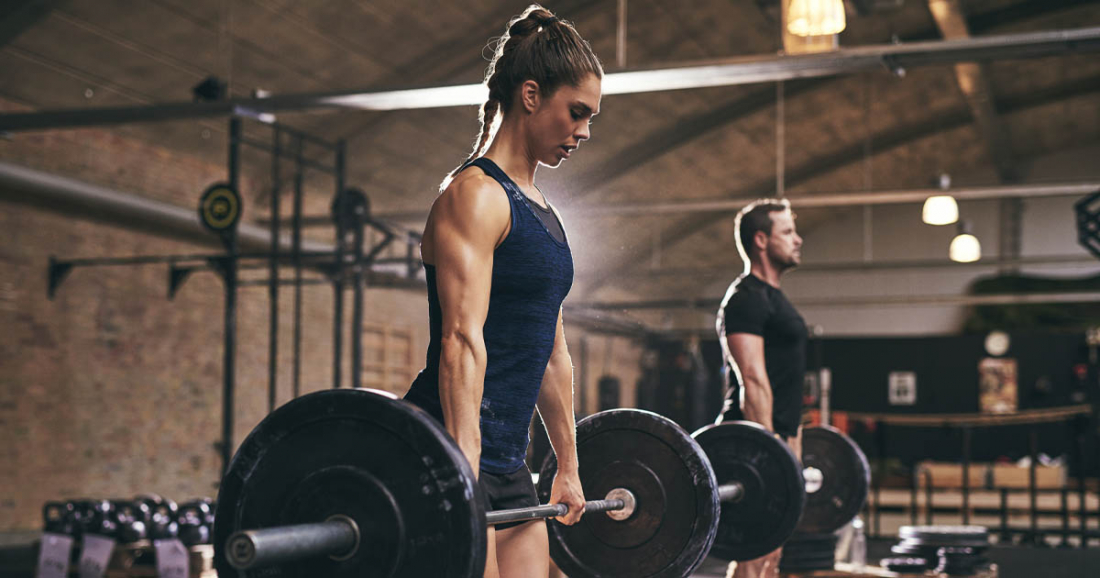
Anyone who wants to pack on huge muscles on their lower and upper body and create a stronger and more impressive physique should practice the deadlift. This is my experience with my clients. If you practice the deadlift correctly, it has no competition. And yes, I realize many will argue with me that the real king of exercises is the squat.
The deadlift will further strengthen your entire back, making it an excellent rehabilitative and preventative exercise. You'll also use it to effectively build your midsection, which supports all muscles in all athletic activities. The midsection is essential for health and the deadlift is in turn key to a strong midsection.
All compound exercises are good, but the deadlift has a special place among them, and should not be missing from any workout. Still not convinced? This article will help with that.
Why practice the deadlift?
As I already mentioned, its benefits are many.
Minimum equipment
You will need very little. Basically, an axle and a strong willpower will suffice. Tear bars are optional and often unnecessary.
Mid-body stability
The deadlift builds it excellently, as it targets the muscles responsible for posture and core strength. A properly performed deadlift will keep you upright during normal daily activities.
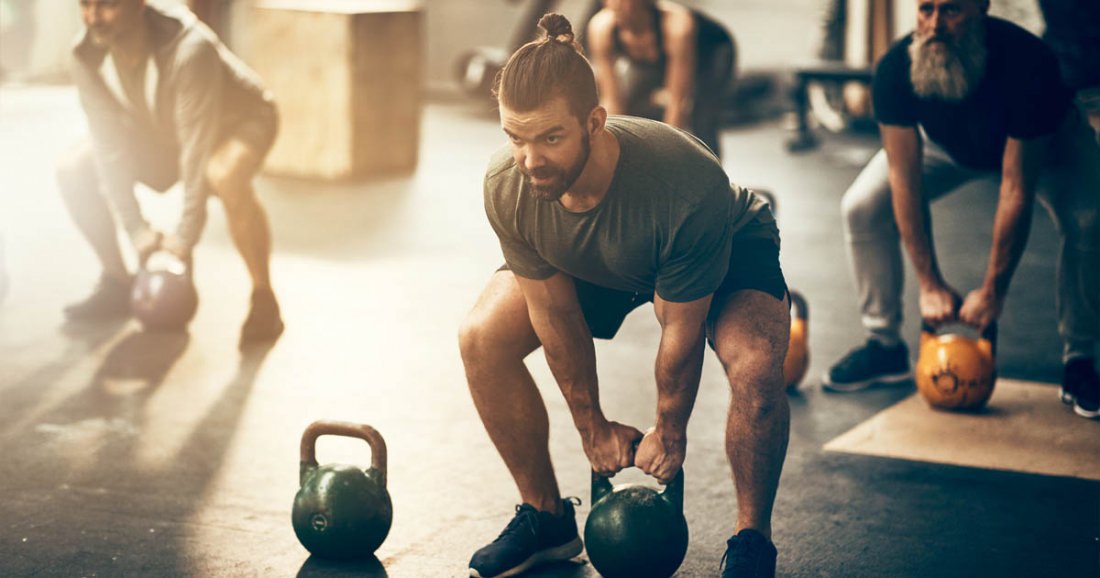
You will also strengthen the supporting muscles around your waist, buttocks, hips and of course your lower back. The center of the body is indispensable for balance and power transfer (in sports and normal daily activities).
More muscles involved
More muscles are involved at once than in any other exercise. The deadlift will make your whole body grow.
Safety
This is a relatively safe exercise. The maximum weight won't overwhelm you, and if you exercise correctly, you won't put a dramatic strain on your joints either.
Transfer to everyday life
Lifting objects off the ground is a daily necessity. You'll appreciate the deadlift when you're moving furniture and can do it without risk of injury.
Grip strength
If you practice without the snatch, you will again be practicing a skill useful in everyday life. There's nothing special about getting to 150+ on reps in the deadlift. That's already a decent grip.
Training by strongman Jirka Vytiska - Grip strength #7
The true measure of strength
In triathlon, the deadlift could be considered the most crucial exercise because you don't have much help from any equipment. It also engages the most muscles, or could be used as the fairest indicator of strength.
A special spell
It's like ripping a tree right out of the ground, such a strange feeling when you grab a heavy weight and lift it. When you straighten up, it's an amazing feeling of strength.
Cardio
If you practice vigorously, the exercise is very demanding to breathe. This of course has a positive effect on cardiovascular health. It is a very heavy aerobic exercise.
How to practice the deadlift
It's not an easy exercise. If you practice it incorrectly, the risk of injury will be relatively high. Below is a detailed procedure on how to perform the deadlift.
Step 1: Attitude
Straddle shoulder-width apart and grasp the axis so that your forearms touch the outside of your feet and your shins lightly touch the axis. Choose either an overhand grip or an alternating grip (which you should usually prefer).
Step 2: Adjusting your stance
Place your spine in a neutral position (neither up nor down, but looking straight ahead) and get your hips low. Drawing in the lower abdomen will arrange the pelvis in a neutral position. You should keep your shoulders back, pushing them together and keeping them above the centerline - you should never round them.
The chest should be pointing forward, not down. Before lifting the axis, clench your shoulders and glutes to create maximum force.
Step 3: Lifting the weights
Firmly grasp the axle and push into your legs. Your legs must propel it. Shoulders and hips rise together. Tighten by engaging your upper body, starting roughly when the axle is mid-thigh.
You should push into the pad of your feet, and during the exercise (when the axis gets over your knees) your center of gravity should shift to your heels. The axis will be touching your body the whole time.
Step 4: Lower the weights
Perform step 3 in reverse, stop at the bottom and repeat until you have worked out the desired number of reps. Do not slam the barbell on the floor. Lower it in a controlled manner and stay clenched.
Do not bounce the weight off the floor. This could cause a twisting motion that will only bring you closer to a spinal injury.
Recommended

Czech Virus Testo Virus Part 1
HMS AirBike MP5420


Czech Virus Liposomal Vitamin C
Deadlift variations
The design described above is a common deadlift that will work for pretty much anyone. However, there are circumstances where it will be better to reach for one of the variations.
Increasing or decreasing the range of motion
This can dramatically assist in getting over a difficult spot.
You can extend the exercise by standing on a platform. This will shift more of the load to your legs. Conversely, you can shift more of the load to the upper body by placing the axle on the platform, thus shortening the range of motion.
Deadlift with legs extended
This execution doesn't compare to the classic deadlift, but it engages the hamstrings well.
Position the axis so that you start just above the knees (ideally in a standing position), and choose an overhand grip. Lift it up and take a few steps back. Bend your knees slightly and, with a breath, keep all your weight over your ankles. Allow your buttocks to move backwards and keep your back and head in alignment. Look straight ahead.
When the lowering is complete, smoothly lift the weight back up (never explosively). The full range of motion will require considerable flexibility. It is not uncommon for beginners to get just below the knees. This should improve with increasing flexibility.
Quadriceps deadlift
Here you want to load the quadriceps when you lower. Start by lifting the weight as you would when performing the exercise normally. You will lower more using knee flexion, and less using hip flexion. This will engage the quadriceps more, and the glutes, lower back and hamstrings less.
Sumo deadlift
The sumo variant reduces the load on the lower back in the starting position. Because of the enormous weights they lift, this variation is often used by triathletes.
Start with a wide stance (about 30 cm more than shoulder width), grasp the axle between your legs and lift.
With this design, the back will be less prone to rounding, making it a good choice for a beginner looking to build some strength base, or someone coming back from an injury (with doctor approval).
What muscles deadlifts exercise
The main advantage is that they will help you with overall muscle development. I think they are better than squats because they feel good to practice. Doing squats is a pain.
Back
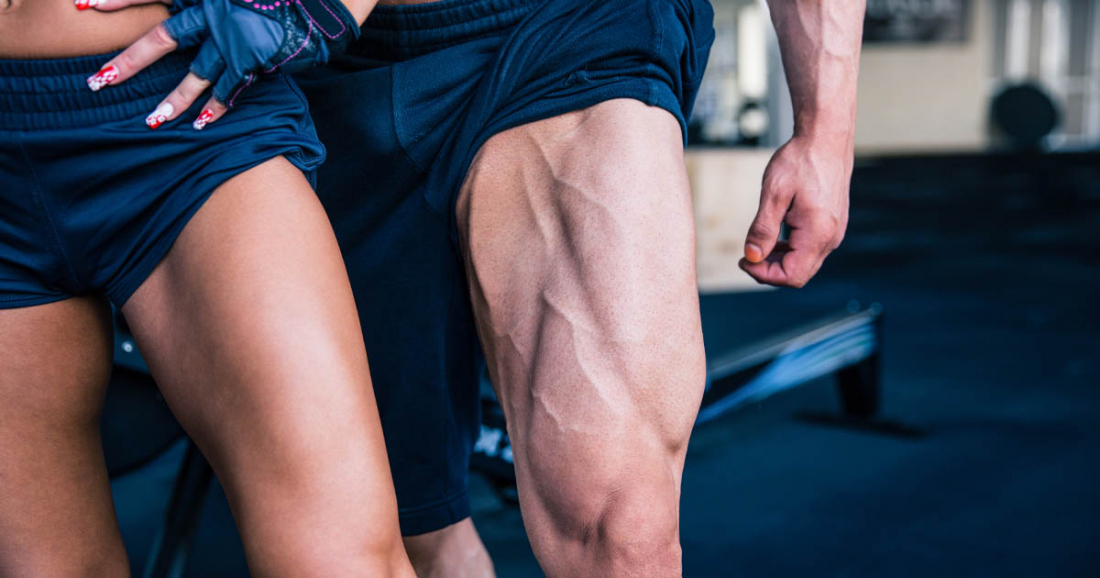
The deadlift is primarily thought of as a back exercise because the back is put under the most stress during the deadlift. It will strengthen your spine surprisingly quickly. And at the top of the movement, you'll also exercise the lats and surrounding muscles.
Glutes
The deadlift is probably the best exercise for round glutes, which by clenching significantly help to overcome a difficult spot about halfway through the exercise. The muscles around the hips and pelvis are also exercised.
Legs
These are exercised in the deadlift in much the same way as in the squat (the squat is obviously better for leg development). The legs should pull most of the weight during the deadlift. The back should just hold a compact stance.
Hands
The arms are in contraction when lifting the weight. The deadlift is especially great for the forearms.
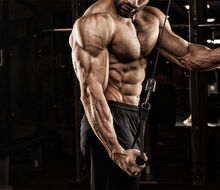
Shoulders and trapeze
You will need to engage the following muscles when tightening. People who lift heavy weights in the deadlift are known for their huge shoulders and trapezius.
Deadlift tips
Because of the high weights, the potential for injury in the deadlift is significant. It is essential to always maintain proper technique. Keep the following principles in mind.
- Keep your chest turned out and look in front of you. The back should never round. This is a risk of injury and will hinder your progress.
- Do not jerk. Tighten with the momentum you gain at the bottom of the exercise.
- Keep your knees locked the whole time, don't swing them in or out. Do not move your feet or lean forward. You're just asking for an injury.
- The movement will be smooth. This is the best injury prevention for all exercises. Never jerk the weights.
- I'm generally not a fan of snatches, but if you have a huge weight loaded or can't get through a stall, they may have their place in your workout. However, you should only use them until your grip gets strong enough to hold the weight.
Recommended training program
You need to alternate the intensity because the deadlift is a very demanding exercise (especially for the lower back).
This is what my six-week deadlift workout would look like. For beginners, I would recommend deadlifting only once a week. In the beginning, you need to build mainly training capacity and technique
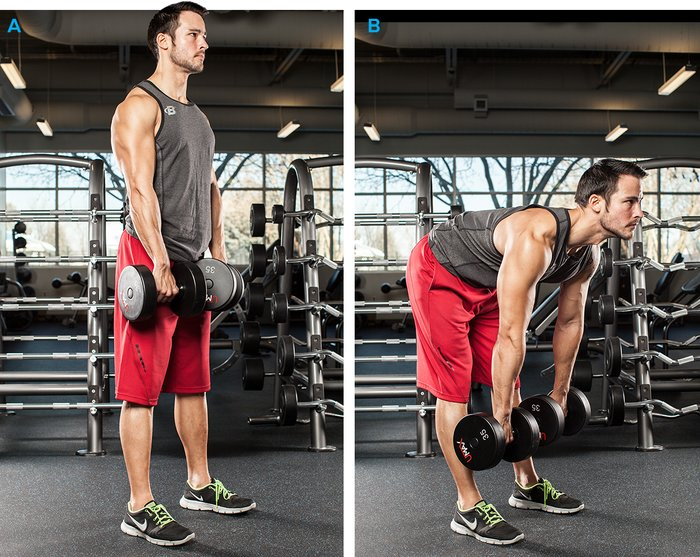
In the beginning, you'll keep the rep count relatively high. You will then gradually lower it.
Training for beginners
Once a week, ideally at the end of your back training.
- 1st set: 8-12 reps with 50-65% 1RM
- 2nd set: 8-12 reps with 50-65% 1RM
- 3rd set: 6-10 reps with 65-75% 1RM
- 4th set: 6-10 reps with 65-75% 1RM
Advanced Training (my current program)
Tuesdays
Light training: focus on speed of execution and technique. This kind of training builds technique very well for heavier weights. It's a separate workout, after which I do cardio.
- 1st set: 15-20 reps with 50-65% 1RM
- 2nd set: 15-20 reps with 50-65% 1RM
- 3rd set: 10-15 reps with 65-75% 1RM
- 4th set: 10-15 reps with 65-75% 1RM
Friday
Heavy workout: focus on heavy weights. I add this to the end of my back workout. I have two reasons for this. My back is well warmed up by then, and I don't have the energy to do any more exercises after the deadlifts.
- 1st set: 10-15 reps with 55-65% 1RM
- 2nd set: 8-10 reps with 65-75% 1RM
- 3rd set: 6-8 reps with 75-85% 1RM
- 4th set: 6-8 reps with 75-85% 1RM
- 5th set: 2-4 reps with 80-90% 1RM
Weeks 2-6
In these weeks, repeat the Tuesday and Friday workouts. Then skip the deadlifts for a week and repeat the cycle.
Deadlift records
Right after the squat, these are the highest values in strength sports.
- With belt and snatches - 501 kg - Hafþór Júlíus Björnsson (2020)
- Raw - 460 kg - Benedikt Magnússon ( 2014)
Warning
If you have lower back problems or any kind of heart problem, you should be careful with deadlifts. It is very demanding on the lower back and raises blood pressure considerably. Any such person should consult a doctor first.
Conclusion
If I haven't convinced you, I'll say it again. The deadlift is essential for the development of the muscles of the whole body as well as for stability and strength of the middle of the body. Add it to your program, and the results won't be long in coming.
Source: www.bodybuilding.com - Deadlifts: The King Of Mass-Builders?
By David Robson
Translated by Jaromír Uhlíř
Author: Šárka Randáčková No posts have been made yet.








