





Many exercisers waste time in the gym! We'll teach you how to use it efficiently!
 Author: Šárka Randáčková
 The more your training swells, the more you will swell too!
This is what you need to know...
- Warming up with cardio is a waste of time. Do the same exercises as in the workout, just at a lower intensity.
- Cut your rest time in half with a superset of upper and lower body strength exercises.
- Roll, stretch and work on mobility between sets.
- Choose two exercises for each muscle group, work them off properly and move on.
- Don't plan your workout around a prescribed number of sets, but allocate a specific amount of time for each part of the workout.
1 - Warm up on the treadmill
How is this supposed to prepare you for heavy exercises?
Yes, it will warm you up, but that's it. After that, you'll need half a dozen warm-up sets before the real work anyway.
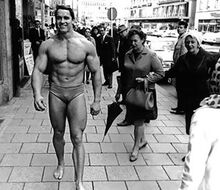
A real warm-up will prepare the body so that it will be able to lift heavy weights immediately afterwards.
A proper warm-up consists of the movements you will later perform with heavy weight, and the movements you practiced in your previous workout.
This helps recovery. It will conclude with a plyometric series or two to warm up the nervous system.
Here is a sample warm-up for deadlift and bench press training. Practice the following exercises for 5-10 repetitions:
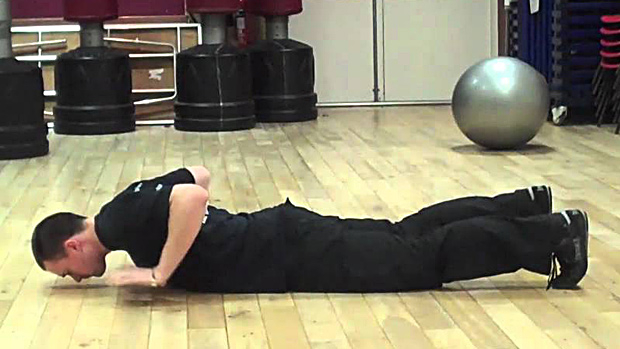
Handles with lifting hands
- Simply in the bottom position of each rep, lift your hands off the floor.
Deadlift on one leg with a deep reach

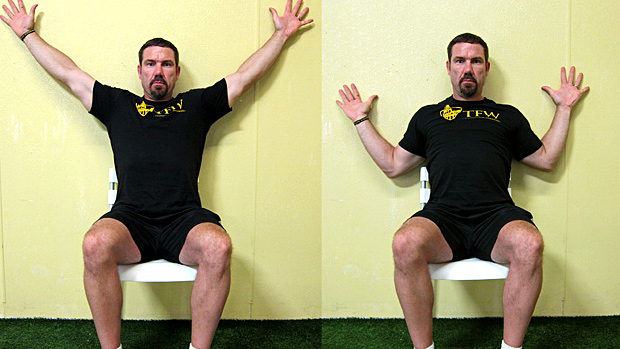
Scapular wall push-up
- Practice it standing or sitting with your arms overhead. Slide your elbows, wrists and hands down the wall until you create a W position. Stay in that position for 5 seconds.
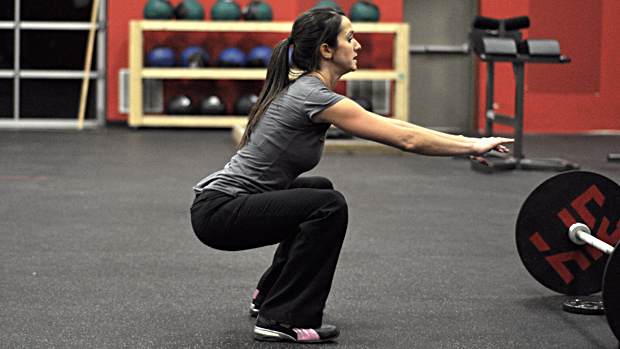
Squats with your own weight
Lunges
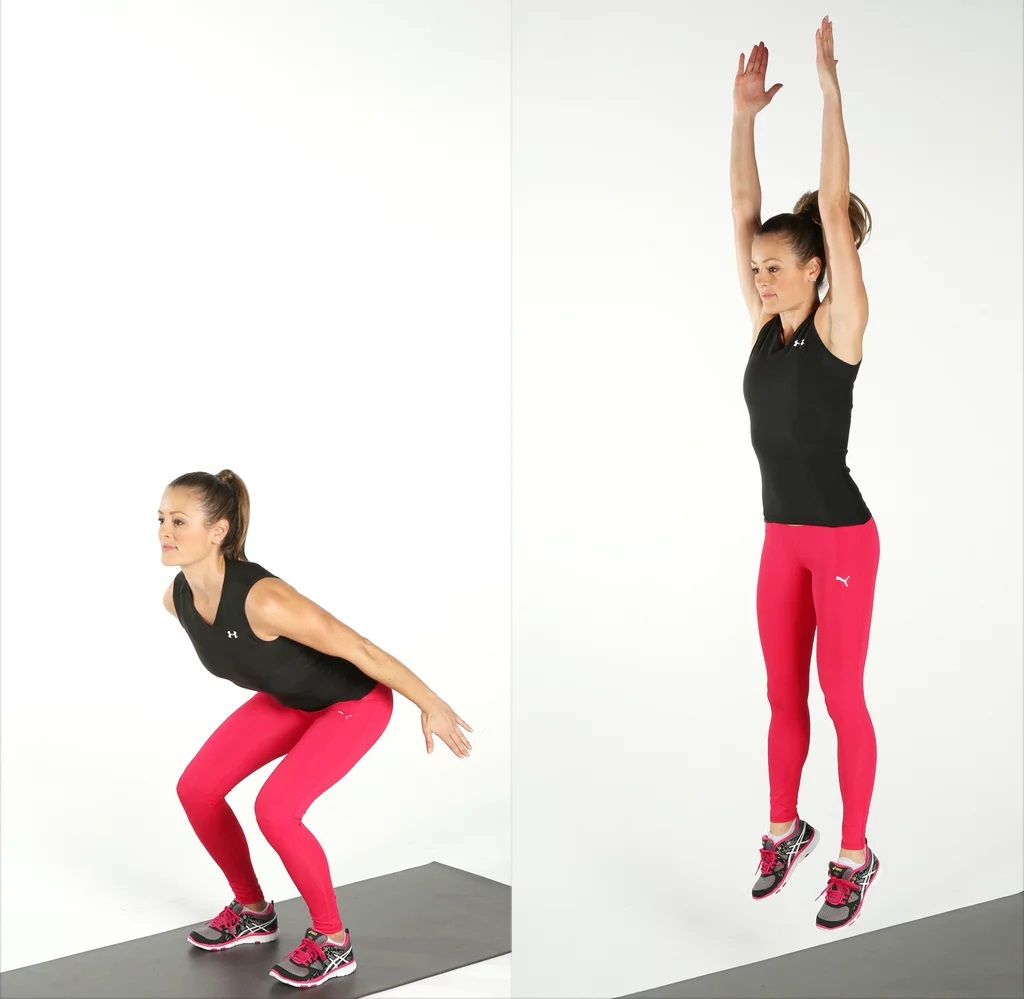
Plyometric push-ups


2 - Training only one exercise
You may already use superseries for pre-fatigue or antagonistic training. But have you tried them in strength training? Why not?
Unless you're max testing, you should be training superseries for lower and upper body strength exercises. This will cut your rest time in half.
No need to make a drama out of it. One set of push-ups with weights will definitely not give you problems during squats.
On the contrary, it will do wonders for your spine, which you will be squeezing and relaxing at the same time. Another great pair are overhead presses and deadlifts.
3 - Cool down during breaks
This is the most common cause of marathon training. To increase the density of the workout and the accumulation of metabolic load, you need to train the muscles partially unrested.
With the ubiquitous cell phones and televisions, your one-minute breaks become five-minute breaks. Before you know it, you'll be working out just your biceps for an hour and a half.
Recommended

Nebbia Bandeau podprsenka BACK CHECK 612

Nebbia Tvarující legíny s vysokým pasem GLUTE PUMP 247

Nebbia Washed muscle back stringer GOLDEN AGE 791

Nebbia Tvarující fitness overal STRONG BEAUTY 427
The solution? Wear a watch. While it's true that really big guys don't track their breaks, they certainly didn't get to their size by sitting around.
4 - Sitting between sets
Once again, if you're not going to test your max, use the precious time between sets for some rehab.
Activate a stabilizing muscle, stretch or roll an opposing muscle, train your midsection, learn to inhale into your abs, whatever.

Although you may not be able to impress those around you, such exercises can bring fantastic results in terms of improved performance and accelerated recovery.
5 - Exercising an excessive amount of variation
Isolated exercises are a perfectly valid tool for hypertrophy.
Endless variations of the same exercise are definitely not valid. Don't be the guy who practices the single-arm shoulder shrug, followed by the big-axis shoulder shrug, and finally the multi-press shoulder shrug.

Pick one or two single-joint exercises per muscle group and work a few heavy sets on them - to failure or beyond - and move on.
Unless you're on supportive means, your ninth set of biceps lifts probably won't be quite as intense.
Don't be shy about increasing your training frequency by working the same muscle group again in the same week.
Workout plan
Workouts are usually planned for a specific number of sets. What if you planned it for the number of minutes dedicated to each goal instead? You would then try to work out the maximum number of sets in that time period.
The specific plan will depend on your goals, of course, but for the average exerciser trying to gain strength, size, and endurance, the following schedule will be ideal.:
Goal - Dedicated Time
- Warm-up - 10 minutes
- Strength/Endurance - 15 minutes
- Volume - 15 minutes
- Conditioning - 10 minutes
- Cool down - 5 minutes
That's a total of 55 minutes. Even if you rest 5 minutes between blocks, it's still only 75 minutes. How much time do you normally spend in the gym?
Cram a little mid-body work into any block.
If you follow all the strategies mentioned, you'll come out of this article with an example of an effective and compact workout.
Source: www.t-nation.com - 5 Ways You're Wasting Time in the Gym
Author.
Author: Šárka Randáčková No posts have been made yet.








