When and why is it good to supplement with glycine?
 Author:
 Glycine is a non-essential amino acid and a neurotransmitter that the body can make on its own, but in relatively small amounts. It is the second most abundant amino acid found in human enzymes and proteins, making it clear that it is essential to perhaps every part of our body. Glycine is essential for many different muscular, cognitive and metabolic functions. It helps break down and transport nutrients (especially glycogen and fat), which are then used for energy production. To make matters worse, glycine is also a major component of collagen. Today, let's take a closer look at this important amino acid and find out what it does in the body and where we can get it from.
Article content:
- Theoretical window - what is glycine?
- Benefits that glycine provides to our body
- Where to look for glycine in the diet?
- Do we need to supplement glycine?
- Risks and side effects
Theoretical window - what is glycine?
As already mentioned, glycine is a non-essential amino acid and a neurotransmitter that our body can make on its own. In the human body, glycine is found in high concentrations in the skin, connective tissues, joints and muscle tissue. Glycine is essential for cell division, enables tissue regeneration and is one of the most important components for protein synthesis. In addition, it is also essential for the healthy development of the skeleton, muscles and tissues. Glycine also helps to break down and transport nutrients that are important for the production of energy in the form of ATP.

Glycine is a substance inherent to the body, but the body's own production of glycine is very low, which is why in some cases, such as active athletes, it is very important to make sure that we get enough of it from our diet or supplements. We can draw it especially from meat or bone broths. In addition, glycine can also be found in many other foods such as dairy products, fish, spinach, kale or legumes. Another option is, of course, supplementation, but we will come back to this later.
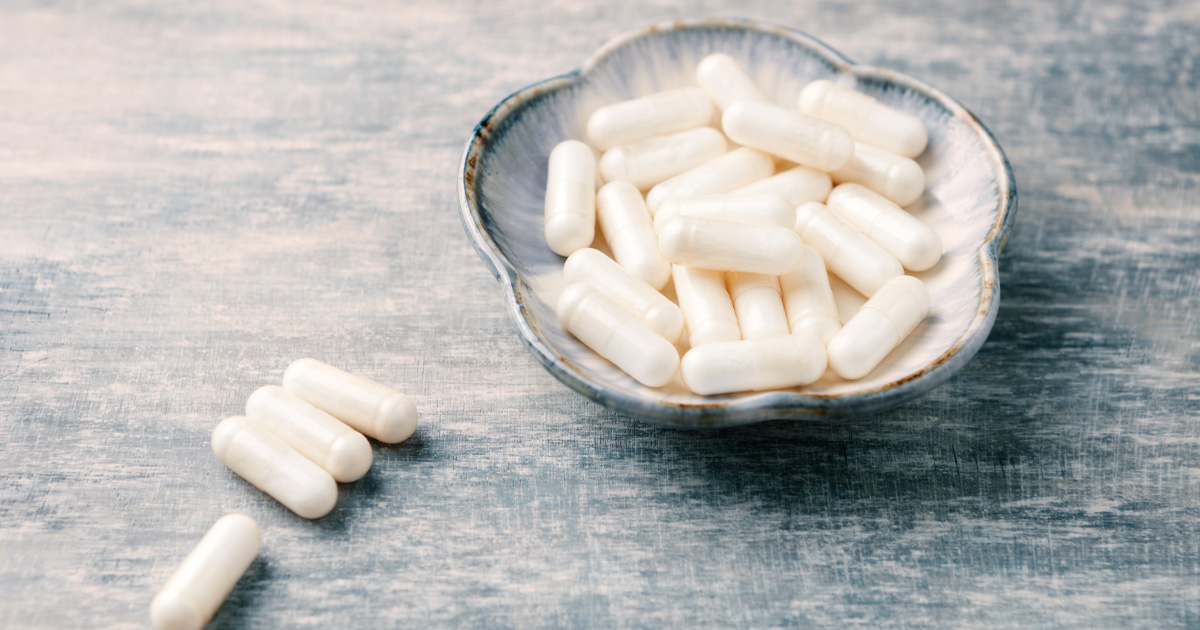
Benefits that glycine provides to our body
Let's jump from theory to some practice and talk about how glycine can actually benefit us and what role it plays in our bodies. Especially for active individuals, glycine is a very important amino acid that should not be forgotten in the diet and we will tell you why.
Glycine helps build muscle mass
Numerous studies have confirmed that glycine helps inhibit the degradation of the protein tissue that makes up muscles and supports their recovery after hard workouts. Glycine helps maintain muscle mass into old age, stimulates growth hormone secretion, prevents cartilage loss in joints, and promotes energy production, which is important for delivering quality physical and mental performance.
Glycine is used in the biosynthesis of creatine, which provides muscles with a direct source of fuel to repair damage due to training and supports the stimulation of their growth. Due to its vital role in the breakdown and transport of nutrients we take in from our diet, glycine also helps to supply energy to the cells, which can facilitate recovery, increasing endurance, strength and performance. In addition, studies suggest that it benefits hormone production and regulation, helping the body to naturally synthesize steroid hormones that regulate the fat to muscle ratio and control energy expenditure, which can be beneficial not only when we're trying to shed some pounds.
Restores and protects joints and cartilage
Along with other amino acids, especially proline, glycine is involved in the formation of collagen, supporting the growth and function of joints, tendons and ligaments. Approximately one-third of collagen is made up of glycine, and collagen is a key substance for the formation of connective tissue that keeps joints flexible and vital. As we age, it is especially important to consume enough protein (amino acids) to ensure that the body has enough nutrients to rebuild damaged tissue in the joints, which suffer from free radical damage as a result of daily exertion. Multiple studies have shown that glycine is essential for the formation of flexible cartilage, helps heal damaged or worn joints, and helps prevent loss of mobility and function of joints and joint cartilage in older adults. Glycine has been identified in research as an amino acid that is effective against the signs of ageing, precisely because it helps to keep joints in good condition.
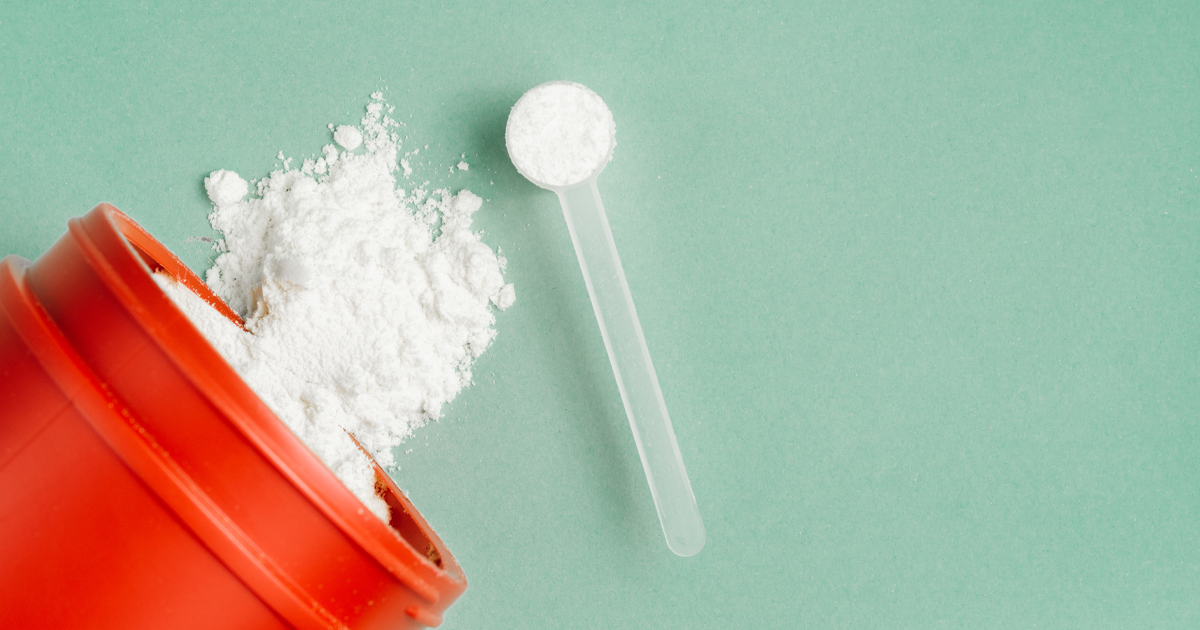
It has a beneficial effect on our digestion
Amino acids, including glycine and proline, help rebuild the tissue that lines the digestive tract and help keep food particles and bacteria inside the gut where they belong, helping to eliminate the formation of small holes that carry particles into the bloodstream where they trigger inflammation. Glycine helps form two of the most important substances that make up the lining of the gut: collagen and elastin. These substances, among others, also help people with food allergies and hypersensitivities to tolerate problematic foods more easily, and have a beneficial effect on digestion in individuals suffering from inflammatory bowel disease or digestive disorders such as leaky gut syndrome, IBS, Crohn's disease, ulcerative colitis and others. These substances even promote probiotic balance and the production of healthy bacteria that inhabit our tract.

In the GI tract, glycine also acts as a metabolic fuel. It is needed to produce bile, nucleic acids, creatine phosphate, and porphyrins, which are used to break down nutrients from the diet. For example, it helps break down fats by aiding the production of bile acids and helps transport glycogen into cells to be used for energy production in the form of ATP. Research results also suggest that glycine can help stabilize blood sugar levels, resulting in our bodies having consistent access to energy, helping to eliminate sweet cravings and prevent fatigue.
It acts as a balm for the nerves and nourishes the brain
Studies show that glycine benefits cognitive performance and the central nervous system because it plays a role in the metabolic synthesis of specific nutrients that the brain and nervous system use as fuel. Glycine helps regulate nerve impulses throughout the body by balancing electrolyte levels such as calcium, chloride and potassium. Glycine is also a great help in fighting anxiety. It can improve sleep quality, support mental performance, and positively affect mood, memory, and how we feel. Glycine works with other amino acids, especially taurine and gamma-aminobutyric acid (GABA), as an inhibitory neurotransmitter. It may even play a role in the treatment or prevention of mental disorders, schizophrenia, bipolar disorder/manic depression and epilepsy.
Promotes sleep quality
Because of its role in the central nervous system and digestive system, glycine may also aid in the quality of our sleep. Some studies suggest that glycine benefits sleep by increasing the production of serotonin, which is a good prevention for the development of both anxiety and insomnia. Glycine can be used in medication to help calm anxiety or nervousness, feelings that often make it difficult for people to fall asleep and have a negative impact on sleep quality. As already mentioned - glycine helps to break down nutrients and facilitate their transport to cells and tissues, ensuring that cells have sufficient fuel for energy production, thus regulating the occurrence of fatigue during the day quite significantly.
Fights fatigue and regulates energy production
One of the most important effects of glycine is to aid in the biosynthesis of heme, a component of hemoglobin that helps produce and maintain red blood cells. Red blood cells help transport oxygen throughout the body, support cellular function and provide energy to the tissues, heart and brain. That's why glycine is often used in supplements designed to support energy production in athletes, to combat fatigue caused by anemia, and is also used as an aid to regulate blood sugar levels, which can benefit more than just diabetics.
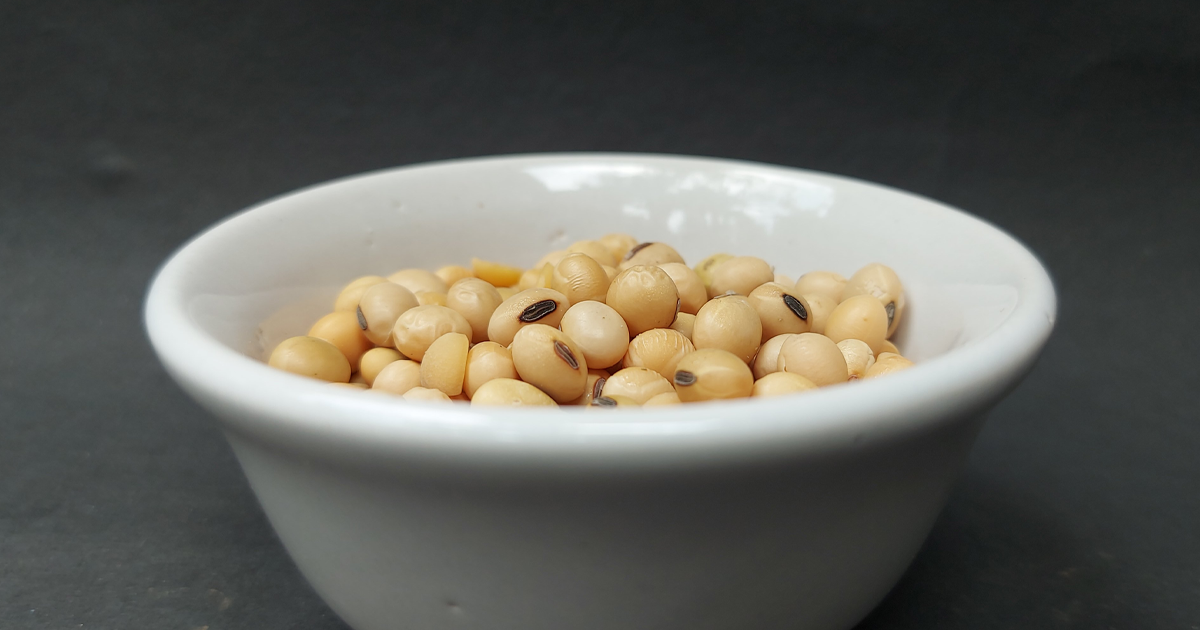
Where to look for glycine in the diet?
As we mentioned in the introduction to this article, the biggest dietary sources of glycine are bone broths, meat, fish and dairy products. Vegetarians and vegans can get it from plant sources such as beans, kale, spinach, cauliflower, cabbage, squash, bananas or kiwi. It can also be found in abundance in products containing gelatine or collagens.
Do we need to supplement glycine?
Although we have many foods that are sources of glycine and the body produces it itself, the total amount produced by these two methods is not staggering and often does not cover the actual daily needs of our body. For this reason, supplementation can be really important in certain cases. The use of glycine appears to be particularly effective for athletes or individuals struggling with various illnesses or fatigue syndrome.
It is believed that most people take in approximately two grams of glycine per day from their diet, but the optimal daily dose varies depending on activity level and health status. Depending on the symptoms we wish to address with glycine, supplementation of more than ten times the average daily glycine intake may provide benefits. If you choose to supplement with glycine, however, choose products that contain truly 100% pure glycine without ballasts or other substances. These are for example Nutriworks Glycine or LSP Glycine 100% pure.
Recommended
LSP Glycine 100% pure
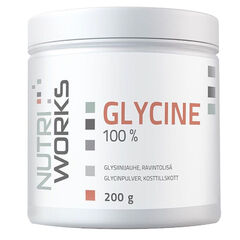
NutriWorks Glycine
Risks and side effects
Since glycine is the body's own amino acid, there are very few cases where negative side effects occur. Higher doses of glycine (between 15-60 grams) are safely used in medication for a variety of conditions without causing side effects. However, this amount should be taken under the supervision of a physician. However, glycine supplements can interact with certain medications - especially antidepressants. Although glycine is very safe for most people, if you are taking medication, you should consult your doctor about including glycine in your supplementation. If you experience side effects such as indigestion, restlessness or dizziness, you should stop supplementing.
What can I take away from this article?
Glycine is a non-essential amino acid that plays an important role in our bodies. It aids in energy production, helps build muscle, is important for quality sleep, strong immunity, proper brain function and healthy bones. Glycine can be made by our bodies and can also be found in a variety of food sources. However, the amount that our body gets from these two methods is not staggering, so it is not a bad idea to supplement glycine in certain cases. If you choose this option, however, choose products that contain a truly 100% pure substance.
Sources:
Ham, D. J., Murphy, K. T., Chee, A., Lynch, G. S., & Koopman, R. (2014). Glycine administration attenuates skeletal muscle wasting in a mouse model of cancer cachexia. Clinical Nutrition (Edinburgh, Scotland), 33(3), 448-458, ,Gannon, M. C., Nuttall, J. A., & Nuttall, F. Q. (2002). The metabolic response to ingested glycine. The American journal of clinical nutrition, 76(6), 1302-1307. Diestel, C. F., Marques, R. G., Lopes-Paulo, F., Paiva, D., Horst, N. L., Caetano, C. E., & Portela, M. C. (2007). Role of L-glutamine and glycine supplementation on irradiated colonic wall. International journal of colorectal disease, 22(12), 1523-1529. , Bello, A. E., & Oesser, S. (2006). Collagen hydrolysate for the treatment of osteoarthritis and other joint disorders: a review of the literature. Current medical research and opinion, 22(11), 2221-2232. , Bannai, M., Kawai, N., Ono, K., Nakahara, K., & Murakami, N. (2012). The effects of glycine on subjective daytime performance in partially sleep-restricted healthy volunteers. Frontiers in neurology, 3, 61., Ham, D. J., Murphy, K. T., Chee, A., Lynch, G. S., & Koopman, R. (2014). Glycine administration attenuates skeletal muscle wasting in a mouse model of cancer cachexia. Clinical nutrition (Edinburgh, Scotland), 33(3), 448-458. , Arwert, L. I., Deijen, J. B., & Drent, M. L. (2003). Effects of an oral mixture containing glycine, glutamine and niacin on memory, GH and IGF-I secretion in middle-aged and elderly subjects. Nutritional neuroscience, 6(5), 269-275.
No posts have been made yet.