





What is the best plant milk?
 Author:
 Cow's milk is a popular drink across all ages. It is consumed as a drink, poured over cereal, used in baking both sweet and savoury and added to smoothies, tea or coffee. Despite its great popularity, a certain segment of the population finds milk consumption completely unacceptable - due to personal preferences, dietary restrictions, allergies or intolerances. Fortunately, there are now a number of different non-dairy alternatives, particularly of plant origin, that you can incorporate into your diet, and it is these that we will look at in today's article.
The most common reasons why people seek plant-based milk alternatives
Cow's milk boasts a rather interesting nutritional profile. It contains a good proportion of easily digestible protein and important vitamins and minerals such as calcium, phosphorus and B vitamins. However, cow's milk is not an option for everyone. Here's a list of the most common reasons why people seek out dairy alternatives:
- Milk allergy: 2-3% of children under the age of three are allergic to cow's milk. This can cause symptoms such as rashes, vomiting, diarrhea and other digestive problems. Approximately 80% of children outgrow this allergy by the age of 16.
- Lactose intolerance: an estimated 75% of the world's population is intolerant to lactose, a sugar found in milk and dairy products. This condition occurs when people are deficient in lactase, the enzyme that breaks down lactose.
- Dietary direction and dietary restrictions: some people choose to exclude animal products from their diet for ethical reasons, or are "forced" to do so for health reasons. For example, vegans exclude all animal products, and therefore eating cow's milk is out of the question.

The good news is that there are many plant-based milk options that we can use when we want or need to avoid cow's milk. Let's now take a look together at the most interesting and well-known ones.
Soy milk
Soy milk is made from either soybeans or soy protein isolate and often contains thickeners and vegetable oils to improve taste and consistency. It typically has a smooth and creamy taste, but this can vary between brands. It works best as a substitute for cow's milk in savoury dishes, in coffee or poured over cereal. One cup (240 ml) of unsweetened soy milk contains an average of 80-90 calories, 4-4.5 grams of fat, 7-9 grams of protein, and 4 grams of carbohydrates.
Nutritionally, soy milk is one of the most popular non-dairy substitutes for cow's milk and has a very similar nutritional profile. It contains a similar amount of protein but about half the number of calories, fat and carbohydrates. In addition, soy is one of the few plant sources of protein that can be considered 'complete', meaning that it contains all the essential amino acids. These are the amino acids that the body cannot make on its own and must be obtained from the diet.
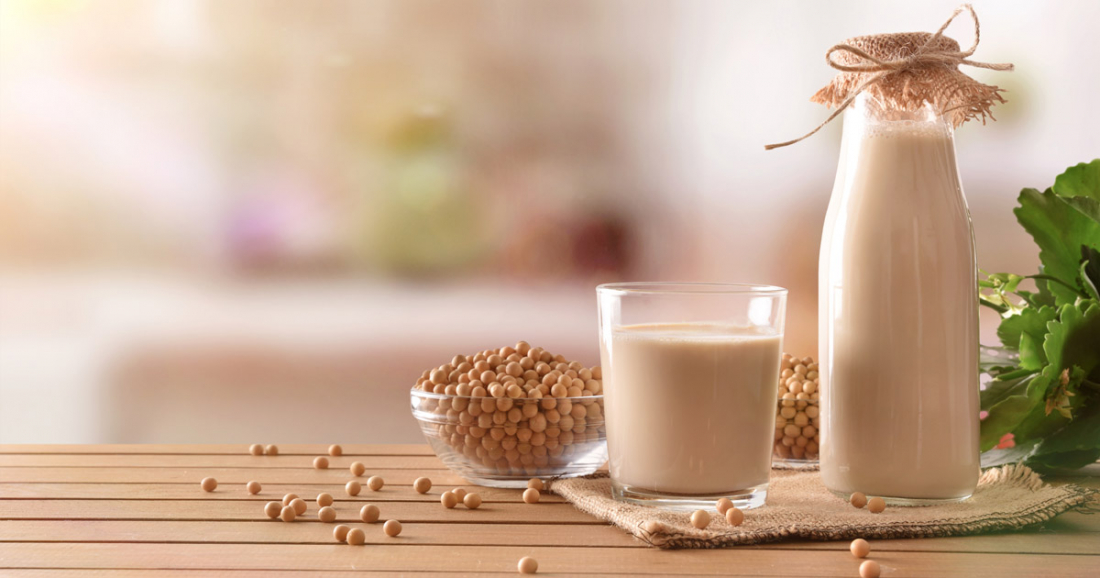
On the other hand, soy has become one of the most controversial foods in the world and people are often concerned about its effects on the body. This is largely due to the large amount of isoflavones, which can affect the estrogen receptors in the body and affect the function of hormones. This is a frequent subject of research and so far soy has not been shown to cause any significant harm to adults when consumed in reasonable quantities.
Soy milk made from soybeans is not recommended for consumption by people with FODMAP intolerance or those who are in the elimination phase of a low-FODMAP diet. FODMAPs are a type of short-chain carbohydrate that occur naturally in some foods and can cause digestive problems such as gas and bloating. However, soy milk made from soy protein isolate can be consumed as an alternative.

Almond milk
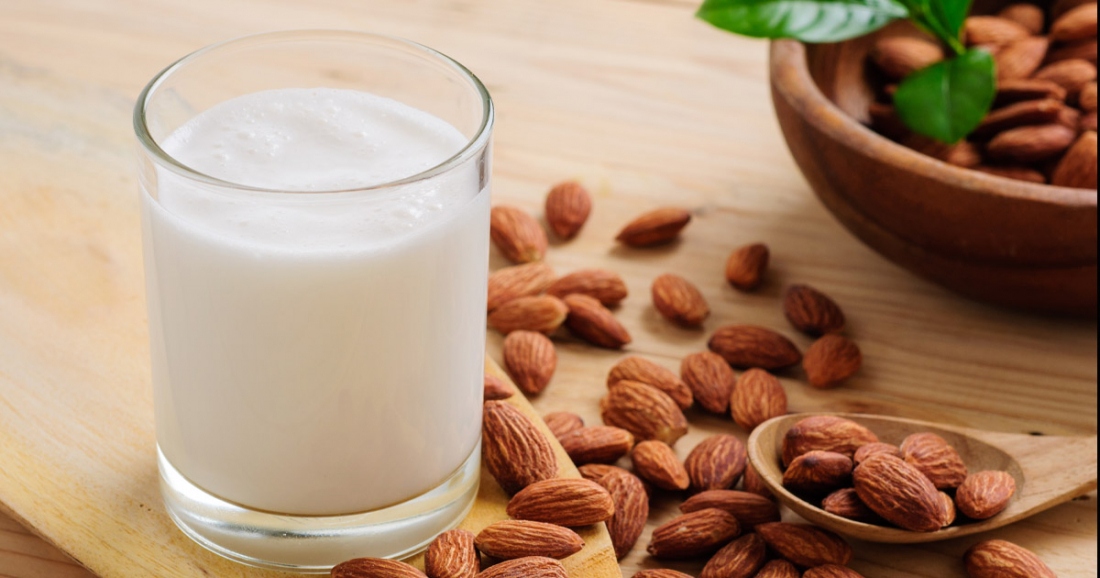
Almond milk is made from either whole almonds or almond butter and water. It has a light texture and a slightly sweet, nutty taste. It can be added to coffee and tea, blended into smoothies or used as a substitute for cow's milk in desserts and other baking. One cup (240 ml) of unsweetened almond milk contains 30-35 calories, 2.5 grams of fat, 1 gram of protein and 1-2 grams of carbohydrates. Compared to cow's milk, it contains less than a quarter of the calories and less than half the fat. It is also significantly lower in protein and carbohydrates.
Almond milk is a natural source of vitamin E and other antioxidants that help protect the body from disease-causing substances known as free radicals. On the other hand, it is true that almond milk is a significantly less concentrated source of beneficial nutrients than almonds in their whole form. This is due to the fact that almond milk is composed mostly of water.
In fact, products labeled almond milk contain only 2% almonds. These are often blanched and the skin is removed, which further significantly reduces the fibre, protein, vitamin and mineral content. The concentration of beneficial substances in such a product is therefore minimal. For almond milk, look for products that contain at least 8-10% almonds, or make your own almond milk at home.
Coconut milk
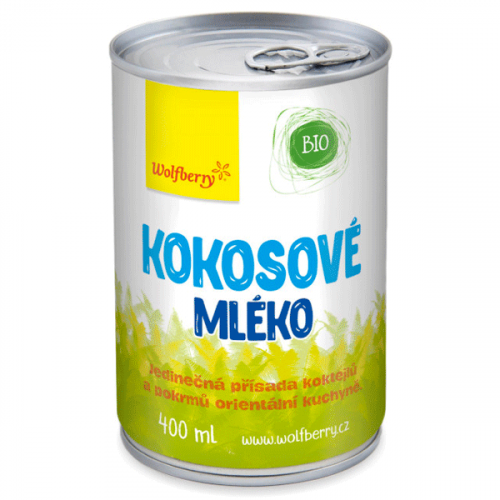
Another very popular alternative to cow's milk is coconut milk (we're talking about the kind you buy in a carton, not coconut milk in a can). Coconut milk is made from water and the white pulp of coconuts. It is usually sold in cartons as a more diluted version of the type of coconut milk commonly used in Southeast Asian and Indian cuisine, which is usually sold in cans and has a thick consistency. Coconut milk has a creamy texture and a sweet but mild coconut flavour. One cup (240 ml) contains approximately 45 calories, 4 grams of fat, no protein and almost no carbohydrates.
Coconut milk has the lowest protein and carbohydrate content of the non-dairy alternatives. It will therefore suit anyone who is significantly watching their carbohydrate intake. About 90% of the calories from coconut milk come from saturated fat, particularly a type of saturated fat known as medium chain triglycerides(MCTs). Some research suggests that MCTs may help reduce appetite, aid in weight loss and improve cholesterol levels.
However, even here, there is no such thing as coconut milk. Many manufacturers add a tiny amount of coconut (about 2%) to soy milk and water. On the other hand, the coconut milk that can be bought in a can is very thick and very thick and is more suited for making Asian dishes such as curries or some good soup.

Oat milk
In its simplest form, oat milk is made from a mixture of oats and water. However, manufacturers often add other ingredients such as gums, oils and salt to create the desired taste and texture. Oat milk is naturally sweet and has a mild taste. It can be used in cooking just like cow's milk and tastes great with cereal or in coffee to add a pleasantly sweet taste. One cup (240 ml) contains 140-170 calories, 4.5-5 grams of fat, 2.5-5 grams of protein and 19-29 grams of carbohydrates. In terms of nutritional value, it is thus clearly the most carbohydrate-rich of all the plant-based alternatives and does not contain God knows how much protein.
Interestingly, oat milk is high in fibre, and of special note is its beta-glucan content, a type of soluble fibre that forms a thick gel as it passes through the gut. This gel binds to cholesterol and reduces its absorption in the body. This helps to lower cholesterol levels, especially LDL (bad) cholesterol, which helps to reduce the risk of developing heart disease. We've already mentioned beta-glucans in a separate article on oatmeal, so you'll know that in addition to its positive effect on cholesterol levels, this beneficial type of fiber also has the ability to satiate. What's more, you can also make oat milk very easily at home.
Hemp milk
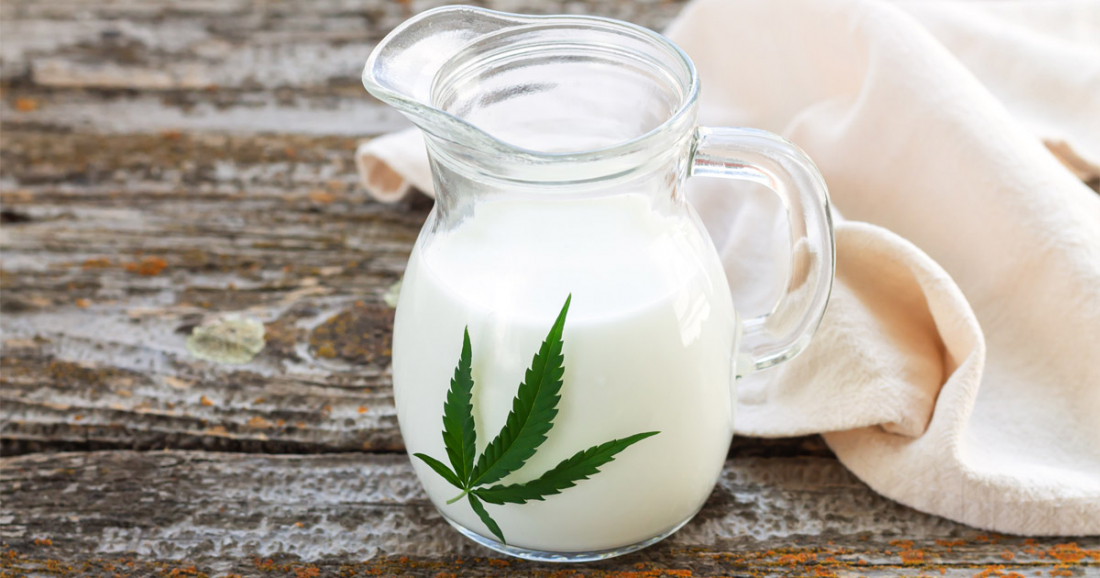
Hemp milk is made from the seeds of the hemp plant, Cannabis sativa. This is the same species that is used to produce the drug cannabis, also known as marijuana. Unlike marijuana, however, hemp seeds contain only trace amounts of tetrahydrocannabinol (THC), the chemical responsible for marijuana's "intoxicating" effects. So don't worry, you won't get that "high" feeling after consuming hemp milk. Hemp milk has a slightly sweet, nutty taste and a watery texture. The consistency is more like skimmed milk. One cup (240 ml) of unsweetened hemp milk contains 60-80 calories, 4.5-8 grams of fat, 2-3 grams of protein and 0-1 gram of carbohydrates.
Hemp milk has a similar percentage of fat as cow's milk, but contains only about half the calories, less protein, and significantly fewer carbohydrates. Hemp milk is a good choice for vegans and vegetarians because hemp is also considered a complete source of protein. One jar provides 2-3 grams of high-quality protein with all the essential amino acids. Hemp milk is also a source of two essential fatty acids: the omega-3 fatty acid alpha-linolenic acid and the omega-6 fatty acid linoleic acid, which are often deficient in diets.
What to look out for when choosing an alternative milk
The range of plant-based milk alternatives is now really wide. However, there is not always enough to go around. Many products may be labelled "coconut" "almond" "cashew" or any other milk, but when you look at the ingredients you will find that the nuts have been passed by the product rather than being part of it. Since plant-based milk alternatives are often not the cheapest, consider carefully whether you really want to invest your money in water with a little sugar and two percent nut content. Some milks also contain added sugar. Sugar is often added to enhance flavor and texture. Definitely choose unsweetened and unflavoured milks and try to avoid products that list sugar in the first few ingredients.
Recommended
Wolfberry Kokosové mléko BIO
Wolfberry Ghí
Also beware of various additives. Some non-dairy alternatives may contain additives such as carrageenan, oil or vegetable gums to achieve a thick and smooth texture. These additives are not necessarily unhealthy, but the question is whether we need to accept them. Choose options that are fortified with vitamin B12 and calcium, micronutrients that are naturally found in cow's milk and are very important for health.
Also watch out for food allergies, if you are allergic to gluten or nuts, you need to read the ingredients well. And finally, the price. Plant milks are often many times more expensive than cow's milk. To save a little money, try making plant milk at home. You'll probably find that there's nothing quite so challenging about it, but shelf life is an issue, and it's also hard to fortify with vitamin B12 or calcium.
What to take away from the article?
Milk is a frequent topic of debate and many people avoid it. Whether out of their own conviction, because they prefer a plant-based diet or because of an allergy or intolerance. Fortunately, nowadays there are many alternatives that we can use.
Today, we've taken a look at the most popular plant-based alternatives to milk and commented on how they can be beneficial and where they stand from a nutritional perspective. We also said that we need to read the packaging well, as not all alternative milks are really worth the investment. There is no one option that is best, as it depends on our personal preferences and which alternative suits us best in terms of individual health.
Sources:
Bosy, T. Z., & Cole, K. A. (2000). Consumption and quantitation of delta9-tetrahydrocannabinol in commercially available hemp seed oil products. Journal of analytical toxicology, 24(7), 562-566. https://doi.org/10.1093/jat/24.7.562
Othman, R. A., Moghadasian, M. H., & Jones, P. J. (2011). Cholesterol-lowering effects of oat β-glucan. Nutrition Reviews, 69(6), 299-309. https://doi.org/10.1111/j.1753-4887.2011.00401.x
Rebello, C. J., Chu, Y. F., Johnson, W. D., Martin, C. K., Han, H., Bordenave, N., Shi, Y., O'Shea, M., & Greenway, F. L. (2014). The role of meal viscosity and oat β-glucan characteristics in human appetite control: a randomized crossover trial. Nutrition journal, 13, 49. https://doi.org/10.1186/1475-2891-13-49
Ekanayaka, R. A., Ekanayaka, N. K., Perera, B., & De Silva, P. G. (2013). Impact of a traditional dietary supplement with coconut milk and soy milk on the lipid profile in normal free living subjects. Journal of nutrition and metabolism, 2013, 481068. https://doi.org/10.1155/2013/481068
Hwang, C. S., Kwak, H. S., Lim, H. J., Lee, S. H., Kang, Y. S., Choe, T. B., Hur, H. G., & Han, K. O. (2006). Isoflavone metabolites and their in vitro dual functions: they can act as an estrogenic agonist or antagonist depending on the estrogen concentration. The Journal of steroid biochemistry and molecular biology, 101(4-5), 246-253. https://doi.org/10.1016/j.jsbmb.2006.06.020
Zaheer, K., & Humayoun Akhtar, M. (2017). An updated review of dietary isoflavones: Nutrition, processing, bioavailability and impacts on human health. Critical reviews in food science and nutrition, 57(6), 1280-1293. https://doi.org/10.1080/10408398.2014.989958
House, J. D., Neufeld, J., & Leson, G. (2010). Evaluating the quality of protein from hemp seed (Cannabis sativa L.) products through the use of the protein digestibility-corrected amino acid score method. Journal of agricultural and food chemistry, 58(22), 11801-11807. https://doi.org/10.1021/jf102636b
No posts have been made yet.








