





Tips to get your metabolism going at full speed
 Author:
 If you're looking to tweak your swimsuit shape at the last minute, we're probably not the article for you. Instead, we'll give you important tips on how to work on your metabolism to keep it running at full speed. But don't expect recommendations for miracle products that will do all the work for you - they don't really exist. Instead of promising miracles, we'll start by telling you how the metabolism actually works, how we can influence it and how to keep it in good shape. So let's do it!
Article content:
- What is metabolism?
- How do I know if something is wrong with my metabolism?
- Six effective ways to kick-start your metabolism
A theoretical window - what is metabolism anyway?
Metabolism is a rather complex mechanism, a thorough introduction of which would take a whole article, which fortunately we already have on the web, so today we'll just give a more concise definition. Metabolism is basically a complex series of processes taking place in our bodies that convert the calories we consume into usable energy. Technically, metabolism includes all the chemical reactions that take place in any living organism in a day to help keep it alive.

An optimally functioning metabolism is essential for burning fat and preventing unwanted weight gain, but it is also essential for many other bodily functions. Every single system in the body, from the endocrine system to the digestive system, is linked to the rate of energy production at the cellular level. A properly functioning metabolism is tied to more than a lean body - it is beneficial for, for example:
- immune function
- lower incidence of infectious and degenerative diseases
- fertility and a healthy sex drive
- building and maintaining muscle mass
- more energy and vigour
- proper brain function and performance
- longevity
- and much more
For the record - the human brain is actually one of the organs that will benefit the most from a higher metabolic rate because its energy demands are extremely high. It takes approximately 16 times more energy to keep the brain functioning than it does to support skeletal muscle! So far from just affecting how we look, metabolic rate also affects how we feel, how productive we are and our overall health.
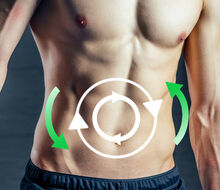
Metabolic rate is influenced by a number of different factors, including gender, genetic predisposition, percentage of fat and muscle mass, activity level, hormonal health, age, and so on.Some of these factors are entirely within our control (such as percentage of muscle and fat mass or activity level), while others are not (genetics and age).
How do I know if something is wrong with my metabolism?
You may be asking how to actually know that you need to kick-start your metabolism. There are a great many indicators that can suggest that your metabolism is not working as it should. Some of the most common include:
- Extreme fatigue
- frequent feeling of cold
- extreme hair loss
- cracked and dry skin
- low libido and poor sexual health
- irregular menstruation
- slow-growing and brittle nails
- chronic sleep problems
- constipation and slow-moving bowels
- bloating after meals
- mood disorders, anxiety and depression
- frequent urination
- excessive thirst and dry mouth
- difficulty concentrating
- allergies and hypersensitivity
- low motivation for physical activity
- frequent illnesses, etc.

It's true that not all of the above mentioned problems necessarily mean that you have a metabolic problem - but if you observe several of the above mentioned symptoms on yourself and you know that you are in an extreme calorie deficit, move a lot, are under a lot of stress, or have a very particular eating style, then it's a good idea to think about the fact that this is not the way to go. Fortunately, we already know that some of the factors that affect metabolic rate and function are in our hands, and the moment we focus on taking the best possible care of our bodies, our metabolism will run like clockwork too.
Six Effective Ways to Kick Up Your Metabolic Rate
So, let's take a look together at the ways we can influence our metabolism ourselves and what good we can do for its optimal function.
Eat well, enough, varied and balanced
We certainly can't put anything else at the top of the list other than a balanced diet. After all, as mentioned, metabolism is a system of reactions that convert fuel in the form of food into energy that our bodies use to function. The moment we give it too little, or give it enough but give out even more, our metabolic rate logically decreases. If you start to notice excessive fatigue, loss of muscle mass, difficulty concentrating, moodiness, sleep disturbances or are often sick, you will need to think about whether your calorie deficit is too extreme and give your body enough energy in the form of good quality food.

This is because even when our goal is to lose weight, we need to remember that we need to eat and we need to eat enough. The essence of reducing is not to eat little, but to eat right. When this is not the case, we may be losing weight, but certainly not in a healthy way and, moreover, not in a way that is sustainable in the long term. In addition to the symptoms already mentioned, when we eat extremely or insufficiently, especially when we are harming our bodies for a long period of time, there are changes in hormone levels which can lead to very serious and difficult to resolve problems.
So forget about hunger strikes, extreme calorie deficit or unnecessary restriction of certain foods or individual macronutrients. Give your body what it really deserves. Eat food that is real food and eat it in quantities that reflect your needs, goals, preferences and your individuality. Eat varied, balanced meals, try new foods and don't be afraid to experiment. Food is nothing to be afraid of, even when we are on a diet, sick, or on our day off. Getting enough good quality fuel is the foundation for a strong, healthy and functional body in every way, including optimal function of our metabolism. Long or inadequate diets can negatively affect it and it can take a lot of work to get it back to normal - so please keep that in mind.
Get enough rest and quality sleep
We don't just affect our metabolism by what we eat, but also by a number of other factors. One of the most important ones is the ability to get proper rest and get enough sleep - both quality and quantity. The moment we neglect sleep for long periods of time, it can be easy to start gaining weight. If we don't get enough sleep, our bodies are tired and can show it. This can then have a negative impact on our physique on several levels - one of which is that we have much less desire, strength and motivation to move, and this is of course bad not only when we are trying to lose weight, but also when we are maintaining our weight and building a healthy body.

The second level is the research-confirmed fact that when we are tired, major hormonal changes occur, which can affect, among other things, the choice of food we eat. When we are tired, our body often craves calorie-dense foods, sweets and foods that should appear more sporadically in a healthy diet. There is also evidence that when we are tired, levels of the hunger hormone ghrelin are higher and we consume more calories. Neither phenomenon, combined with reduced appetite and energy to exercise, is exactly doubly positive - for our weight or for our health in general.
While the optimal amount of time each of us needs to fully recover is highly individual, it is generally stated that we should sleep 7 - 9 hours per day. Make it a priority to give yourself as much quality sleep as your body needs each day. As well as making you feel rested, this will also ensure stable hormone levels, including cortisol, whose fluctuations can cause quite a stir in the body. High cortisol levels caused by lack of sleep, for example, lead to impaired attention and mental activity, weight gain and can also have a negative impact on blood sugar levels.
Regular and sensible strength training
Another way in which the metabolic rate can be affected is through regular physical activity. Of course, any activity that we enjoy and can do regularly counts, but strength training enthusiasts may enjoy it a little more. Strength training - whether in the sense of lifting weights or just doing it with your own weight - can increase your resting metabolic rate. This is because strength training builds muscle mass, which naturally consumes more calories than body fat. Moreover, strength training (along with HIIT training) is one of the activities that have the highest afterburn effect. This means that by practicing them, there is an increase in metabolic rate not only during the workout, but also after it is over.

But here, too, of course, more is not necessarily better. Excessive activity is definitely not good for the body and can have a very negative effect on it. Repeated overtraining causes fatigue, loss of muscle mass, loss of motivation, hormonal changes, leads to sleep problems, and despite popular belief, also leads to a decrease in basal metabolic rate, the exact opposite of what we are trying to achieve. Exercise affects hormonal status and intense exercise without rest increases cortisol levels. This results in a decrease in insulin sensitivity, impairing the body's ability to recover from training, and it has a negative effect on the processes that lead to the recovery and building of muscle tissue. So don't forget that although activity is very important, we also need to compensate for it - with sufficient energy in the form of a good diet and proper rest.
Again, the drinking regime
Adequate fluid intake also plays a role, of course. Our body is largely made up of water, and every cell in our body needs enough of it without exaggeration. Water helps cleanse our body, helps distribute nutrients and oxygen, ensures the elasticity of our skin and is equally important for our brain. So it's no big surprise that the moment we are dehydrated, it can result in a lower metabolic rate, among other things. But it's also true that there's actually no such thing as an "optimal drinking regime". Or rather, not one that is universally applicable to everyone. But if we did want a number, we should drink about 35 ml for every kilo of our weight. Ideally, we should fill our drinking regime with plain water, which can be flavoured with herbs, chopped fruit, ginger or even cucumber. You can also include unsweetened teas or mineral water to spice things up.
On the other hand, avoid alcohol - at least on a regular basis. Alcohol contains a lot of calories with no higher nutritional value, which are difficult for our bodies to process, and can lead to eating things we wouldn't normally eat while drinking. Beware also of sweetened juices and sodas, which, although they taste good, contain a lot of sugar, which can quite easily be reflected in our weight, and moreover - excessive sugar intake is one of the indicators that also negatively affect the metabolic rate.
Recommended
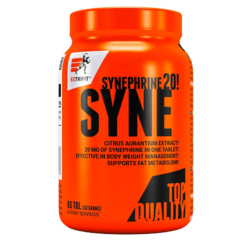
Forget the miracle drugs and focus instead on what's really important
Last and perhaps the most important point. Don't rely on some miracle pills, detox cures and teas that promise to kick-start your metabolism. Because none of that works the moment you don't work for it too. Before you invest in anything like that, make sure you're doing everything you can for your health, see the previous four points. Don't rely on lists of foods that can fire up your metabolism like chili, coffee, pepper, ginger, etc. These foods may boost the metabolism, but the resulting effect is very low when eaten normally and certainly not all-pervasive. Really focus on giving your body enough energy from good quality food, make sure you drink enough, keep your body regularly active, get enough quality sleep - these are really the best things you can do for your health and optimal metabolic function.
What to take away from the article?
Metabolism is essentially a complex series of processes in the body that convert the calories we consume into usable energy. Many people think that it is only important for burning calories, but the energy it produces is also used by things like our brain and other organs. We know that a number of factors influence its rate, some of which we can control and others that are unfortunately beyond our control, such as genetic makeup or gender. But the moment we focus on the ones we can influence, we can ensure that our metabolism works as it should. Avoid extreme diets, unnecessary restrictions and give your body plenty of fuel in the form of food of the highest plural quality and quantity reflecting your individual needs, preferences and goals. Move regularly, but don't forget to rest and get enough sleep. These are the best ways to care for your metabolism and keep it in good shape.
Sources:
Koliaki, C., Spinos, T., Spinou, Μ., Brinia, Μ. E., Mitsopoulou, D., & Katsilambros, N. (2018). Defining the Optimal Dietary Approach for Safe, Effective and Sustainable Weight Loss in Overweight and Obese Adults. Healthcare (Basel, Switzerland), 6(3), 73. https://doi.org/10.3390/healthcare6030073
Martins, C., Roekenes, J., Salamati, S., Gower, B. A., & Hunter, G. R. (2020). Metabolic adaptation is an illusion, only present when participants are in negative energy balance. The American journal of clinical nutrition, 112(5), 1212-1218. https://doi.org/10.1093/ajcn/nqaa220
Copinschi, G., Leproult, R., & Spiegel, K. (2014). The important role of sleep in metabolism. Frontiers of hormone research, 42, 59-72. https://doi.org/10.1159/000358858
Zhu, B., Shi, C., Park, C. G., Zhao, X., & Reutrakul, S. (2019). Effects of sleep restriction on metabolism-related parameters in healthy adults: A comprehensive review and meta-analysis of randomized controlled trials. Sleep medicine reviews, 45, 18-30. https://doi.org/10.1016/j.smrv.2019.02.002
Reljic, D., Frenk, F., Herrmann, H. J., Neurath, M. F., & Zopf, Y. (2021). Effects of very low volume high intensity versus moderate intensity interval training in obese metabolic syndrome patients: a randomized controlled study. Scientific reports, 11(1), 2836. https://doi.org/10.1038/s41598-021-82372-4
Helms, E. R., Aragon, A. A., & Fitschen, P. J. (2014). Evidence-based recommendations for natural bodybuilding contest preparation: nutrition and supplementation. Journal of the International Society of Sports Nutrition, 11, 20. https://doi.org/10.1186/1550-2783-11-20
No posts have been made yet.








