





The most important micronutrients for the health of our skin
 Author:
 When creating a skin care routine, most of us tend to focus on moisturizers, serums, toners and various other externally applied products. While these are certainly important components of skin care, the real secret to skin health goes beyond the surface. In fact, the most important part is the intake of a wide range of vitamins and minerals - whether through diet or supplementation. In today's article, we'll take a look at what vitamins are most beneficial for the skin in general, and we'll also take a look at what substances can be used to help with acne, dry skin, rashes and other specific skin problems.
Theoretical window - what role do vitamins and minerals actually play in skin health?
Micronutrients (vitamins and minerals) are absolutely key to maintaining overall health and wellness, and in recent years, more and more research has shown that vitamins play an integral role in the health of our skin. It actually makes perfect sense - in our articles we often allude to how our lifestyle and diet affects literally every bodily process. How the food we eat affects our mood, how we feel, how much energy we have, how efficient we are, how we look, the quality of our sleep and, last but not least, the appearance and health of our skin.

Vitamins and minerals play a very important role in this regard. They help keep the skin hydrated, give it the nourishment it needs and look after its elasticity. Certain micronutrients are involved in cell regeneration, collagen production, protection from sun spots and other factors that are essential for maintaining healthy skin. By combining an appropriate diet containing important micronutrients, following a healthy lifestyle and using the right cosmetic products, you can achieve skin that literally glows.
What vitamins and minerals are most important for skin health?
Enough theory, let's get straight to what you're most interested in - what micronutrients does our skin need most, how can we supply them and what can we incorporate into our diet or supplementation plan to keep our skin glowing?
Collagen
As the most abundant protein in the body, collagen plays a central role in skin health. Collagen is often referred to as a "complex protein", which is not surprising as it contains a whopping 19 different amino acids. To break down the entire collagen, all of its types and functions, in detail would make for a separate article, which thankfully we already have on the site, so we don't need to go into that right now. You can find it here:

As we age, collagen stores begin to decline, resulting in cosmetic ailments such as wrinkles and sagging skin. Collagen is one of the best anti-aging supplements for the skin, helping to keep the skin supple and smooth. There are even studies that confirm that supplementation with collagen peptides can improve skin vitality and elasticity in an incredibly short time frame (first results can be seen after just 8 weeks). However, we need to be a bit wary, as collagen products have been on a tear lately, and not all products are really worth investing in.
Vitamin D
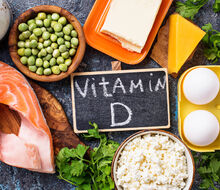
Vitamin D plays an integral role in many aspects of health, and skin health is no exception. Recent research shows that vitamin D may even provide benefits in the treatment of serious skin conditions such as psoriasis. The sad reality is that vitamin D is fundamentally deficient in the majority of the population, due to our generation spending little time in the sun and fresh air.
In fact, the sun is the best source of this vital vitamin, which is why it is important to be exposed to it every day, and over the winter it is especially important to consider whether to supplement this vitamin, which is crucial for overall health. While it can be found in certain foods (such as salmon, egg yolk or tuna), it is never found in the concentrations we need in food sources. That's why it's important to spend at least 30 minutes in the sun every day and, at least over the winter, it's definitely a good idea to take a supplement containing it.
Omega-3 fatty acids aka fish oil
Fish oil is a great source of omega-3 fatty acids, a type of fat beneficial for the heart, brain, optimal athletic performance and many other aspects of human health. In fact, omega-3 fatty acids also have powerful anti-inflammatory properties. The amino acids EPA and DHA are literally essential for skin health, affecting skin hydration and elasticity, are effective in fighting acne and can also have an anti-aging effect. Omega-3 fatty acids can also help protect skin from ultraviolet damage, help keep skin healthy and vital, and even potentially help protect against skin cancer.

Biotin
Biotin (vitamin B7) is a water-soluble B complex vitamin that is also known as the "beauty vitamin". Biotin is often marketed as one of the best vitamins available for healthy hair, skin and nails. Although rare, a deficiency of this important vitamin can result in hair loss, flaky skin, or an unpleasant rash. Biotin helps with the production of collagen, prevents acne, promotes hair growth, helps transition aging and wrinkles, and keeps skin beautiful and soft.

To maximize its beneficial effects on the skin, incorporate plenty of foods containing it into your diet. For example, it can be found in eggs, avocados, spinach, nuts, cheese and cauliflower. In addition to foods, it can of course be conveniently taken in the form of a dietary supplement. Biotin is also a frequent ingredient in cosmetic products because its functions are desirable even when taken externally.
Vitamin A
Vitamin A is one of the nutrients that stands in the front lines of defense against skin problems, acne and the signs of aging. The results of recent studies on problematic acne-prone skin show that even low doses of vitamin A can be very effective in reducing moderate acne. Many other studies have shown that retinol, a vitamin A derivative, can be very effective in combating the signs of aging when applied externally directly to the skin.

Keep in mind, however, that in the case of vitamin A, it is preferable to use cosmetic products containing it - i.e. take it externally, as high intakes of vitamin A can lead to toxicity and there is a risk of serious side effects when taking it. It is therefore not recommended to take vitamin A in supplement form at all - it is sufficient to take it through food sources such as carrots, sweet potatoes, melon, spinach, pumpkin, mangoes, egg yolks and fattier fish. If you do decide to take a supplement, be sure not to exceed the recommended daily dose or you could cause yourself really serious health complications.
Vitamin C
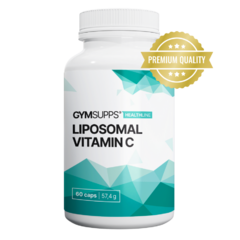
Vitamin C is well known for its antioxidant properties and its ability to fight free radicals, helping to prevent cell damage and the accumulation of oxidative stress in the body. Not only that, but as one of the most important vitamins for skin health, it can also help protect against sun damage and stimulate collagen synthesis, thereby benefiting skin renewal, reducing wrinkles, and helping to keep skin supple and smooth. The best way to get vitamin C is through food sources such as citrus fruits and vegetables. However, you can also conveniently take vitamin C in the form of a dietary supplement or find it in your multivitamin. Vitamin C is also often added as an ingredient in skin serums and cosmetic creams for the body and face.

Multivitamin
A multivitamin is the first supplement I recommend taking for virtually everyone, especially then active individuals. If you play sports, the need for micronutrients increases significantly as your body loses them during training. This is due to a number of factors - loss of minerals in sweat and urine, as well as the need for more of them in energy production during exercise, and their use for recovery processes and protein synthesis after training also plays a role. The need increases especially if you are in a caloric deficit. Investing in a multivitamin should be at the very beginning of your supplementation plans.
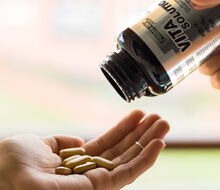
In fact, a quality multivitamin can be a useful tool to help fill in dietary deficiencies and supply a number of important micronutrients, including micronutrients for skin health. Most multivitamins contain a fairly appropriate blend of vitamins, minerals and other health-promoting compounds that can help prevent nutritional deficiencies and help you easily fill the necessary doses of these health-promoting substances.
Incorporating a multivitamin is beneficial for health, whether it's for bones, skin, strong immunity or organ function. A quality multivitamin plays an equally important role in supporting athletic performance. However, there is no multivitamin like a multivitamin and it is very good to take care to choose a really good quality product. If you want to read more about choosing a multivitamin, check out the article below.
Vitamin E
Vitamin E has been widely used in dermatology for more than 50 years. Research shows that vitamin E is an essential ingredient in cosmetics and skin care products because it helps scavenge harmful free radicals, thereby protecting skin health. It also has photoprotective properties that protect the skin from sun damage. Vitamin E strengthens capillary walls, gives skin elasticity and freshness, and acts as a natural protection against the visible signs of aging. Vitamin E also accelerates cell regeneration and is therefore often used as a supportive agent for the treatment of scars, acne and wrinkles. In addition to the aforementioned, it can also help soothe sunburn.
Rich sources of vitamin E include sunflower seeds, almonds, olive oil, avocados, hazelnuts, poppy seeds, spinach, tomatoes, mangoes and wheat germ. It is also found in small amounts in egg yolk, liver, mammalian meat and dairy products. Outside of these foods, vitamin E can be taken in supplement form, but doctors recommend taking it only when an individual is suffering from a significant deficiency, as taking a supplement can cause negative side effects such as stomach upset or fatigue. In addition, by using food sources, we cannot overdose on vitamin E.
Zinc
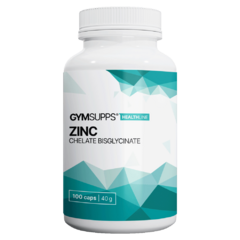
When it comes to skin health, we must not forget to mention zinc, which has anti-inflammatory properties and promotes wound healing. Zinc is widely used in the treatment of burns, eczema and other skin injuries including acne. This is because this mineral plays a key role in collagen synthesis, prevents the development of inflammation and is essential for proper healing. People who suffer from acne often struggle with zinc deficiency and supplementation can help them with this problem significantly. There is no harm in using ointments containing zinc, which can promote healing. Zinc can be easily supplied to the body by eating foods such as beef, chickpeas, pumpkin seeds and cashews. Besides, zinc can also be conveniently supplemented in the form of a supplement.
Recommended


When to take supplements and what to look out for?
If you notice that your hair is falling out, your nails are fraying, you have dry skin, rashes, or acne, it may be time to consider whether your diet is lacking any of the micronutrients mentioned above, or more generally, whether you are getting enough nutrients into your body. However, more is not necessarily better, and we highly recommend sticking to the recommended dosage. Biotin, for example, is one of the best vitamins for skin health and a lack of it can cause hair loss and flaky skin. However, taking too much can worsen acne symptoms and cause skin problems.
Certain types of vitamins are also better applied topically (i.e. externally) and taken through food sources rather than in supplement form. Vitamins A, C and E are some of the best antioxidant supplements for the skin, but it is often more convenient and appropriate to take them in the form of skin serums and creams rather than in capsules or pills. High doses of certain fat-soluble vitamins can also accumulate and potentially lead to toxicity that causes various health complications.
Tips for conclusion
Of course, skin health depends on a number of factors. A key point is adherence to a healthy lifestyle. The basis is a properly adjusted diet without excessive restrictions and limitations, based on eating plenty of fresh, minimally processed foods. Of course, variety is also important to ensure that our bodies receive the maximum range of health-giving substances. Eat plenty of fruit and vegetables, but don't forget sources of good quality protein, complex carbohydrates and healthy fats.
You can also reach for supplements, of course, but make sure you really need them. Adequate fluid intake, especially clean water, should not be overlooked. Adequate hygiene and the right cosmetics are also beneficial. Last but not least, we should get enough quality sleep, because it is important for the health of our skin and our health as a whole. We should not forget about regular exercise, daily fresh air intake, stress management and so on.
What to take away from the article?
Our skin reflects our habits. We influence its health by what we eat, how well we sleep and how well we take care of it externally. Our diet is an important factor that reflects beautifully on our skin. If we are deficient in any of the vitamins that affect the appearance or function of the skin, we can often easily tell. Collagen, vitamins A, E and C, but also zinc, biotin or omega-3 fatty acids are crucial for skin health. The first choice should of course be to enrich our diet with foods that are rich in these substances, but we can also choose the convenient way of taking them in the form of supplements or skin creams to restore our skin to its best possible appearance.
Sources:
Proksch, E., Segger, D., Degwert, J., Schunck, M., Zague, V., & Oesser, S. (2014). Oral supplementation of specific collagen peptides has beneficial effects on human skin physiology: a double-blind, placebo-controlled study. Skin pharmacology and physiology, 27(1), 47-55.
Barrea, L., Savanelli, M. C., Di Somma, C., Napolitano, M., Megna, M., Colao, A., & Savastano, S. (2017). Vitamin D and its role in psoriasis: An overview from the dermatologist and nutritionist. Reviews in endocrine & metabolic disorders, 18(2), 195-205. https://doi.org/10.1007/s11154-017-9411-6
Forrest, K. Y., & Stuhldreher, W. L. (2011). Prevalence and correlates of vitamin D deficiency in US adults. Nutrition research (New York, N.Y.), 31(1), 48-54. https://doi.org/10.1016/j.nutres.2010.12.001
Khayef, G., Young, J., Burns-Whitmore, B., & Spalding, T. (2012). Effects of fish oil supplementation on inflammatory acne. Lipids in health and disease, 11, 165. https://doi.org/10.1186/1476-511X-11-165
Pilkington, S. M., Watson, R. E., Nicolaou, A., & Rhodes, L. E. (2011). Omega-3 polyunsaturated fatty acids: photoprotective macronutrients. Experimental dermatology, 20(7), 537-543. https://doi.org/10.1111/j.1600-0625.2011.01294.x
Zempleni, J., Hassan, Y. I., & Wijeratne, S. S. (2008). Biotin and biotinidase deficiency. Expert review of endocrinology & metabolism, 3(6), 715-724. https://doi.org/10.1586/17446651.3.6.715
Kotori M. G. (2015). Low-dose Vitamin "A" Tablets-treatment of Acne Vulgaris. Medical archives (Sarajevo, Bosnia and Herzegovina), 69(1), 28-30. https://doi.org/10.5455/medarh.2015.69.28-30
Penniston, K. L., & Tanumihardjo, S. A. (2006). The acute and chronic toxic effects of vitamin A. The American journal of clinical nutrition, 83(2), 191-201. https://doi.org/10.1093/ajcn/83.2.191
Pullar, J. M., Carr, A. C., & Vissers, M. (2017). The Roles of Vitamin C in Skin Health. Nutrients, 9(8), 866. https://doi.org/10.3390/nu9080866
Keen, M. A., & Hassan, I. (2016). Vitamin E in dermatology. Indian dermatology online journal, 7(4), 311-315. https://doi.org/10.4103/2229-5178.185494
No posts have been made yet.








