





There is no multivitamin like a multivitamin! What to watch out for to make a product truly functional
 Author:
 Article content:
- Why actually take a multivitamin?
- So what to look for when choosing a truly functional product?
- Opposite and mutually exclusive elements
- Inappropriate form of ingredients used
- Absence or insufficient quantity of essential elements
- Poor absorption
- What to say in conclusion?
Why take a multivitamin?
To begin with, we should probably say why it is important to take amultivitamin. Many people claim that if you have a varied enough diet, you don't need a multivitamin. This is, of course, a question for a long debate. Either because some micronutrients are contained in calorie-dense foods and to ensure adequate intake we would have to get very high intakes, or because the quality of some foods, especially imported ones, is simply not such that they contain the nutrients our bodies need.
In addition, some dietary components hinder the absorption of micronutrients. For example, refined sugars, as well as white flour products such as white bread, can reduce the levels of minerals in the blood, such as zinc and magnesium. Calcium-rich foods, such as dairy products, in turn inhibit the absorption of both zinc and magnesium. Another reason to get a good vitamin is definitely sport. If you play sports, the need for micronutrients increases significantly as your body loses them during training. This is due to a number of factors - loss of minerals in sweat and urine, as well as the need for more of them in energy production during exercise, as well as use for recovery and protein synthesis after training. The need increases especially if you are in a caloric deficit.

The information that a multivitamin is actually a completely unnecessary supplement can unfortunately be read from the mouths of "experts" on various healthy lifestyle websites. Such an expert is either poorly educated on the subject of vitamins or imaginary and such an article serves only as a marketing ploy by the pharmaceutical industry to convince their customers that it is not the prevention of disease that is important, but its treatment.
Some doctors and nutritionists have even gone so far as to claim that taking vitamin and mineral supplements can be life-threatening. However, this claim is based on poorly conducted and therefore biased studies. Recently, a large study was carried out which examined 38 000 elderly women and reportedly observed a higher likelihood of mortality when supplementing with a multivitamin, vitamin B6, folic acid, zinc and copper. Yes, but now let's get to the bottom of the study.
First - this was a study among OLDER women, which in itself is misleading, and furthermore - no one provided the supplements to the subjects, they were merely relied upon to take them. This is a very nice practice, but certainly not scientific and that is why the result cannot be considered reliable. The other "detail" of this study that is questionable is the fact that many people who are diagnosed with a disease start taking supplements in the hope that they will save them. It is not possible to argue that if a sick person starts taking a vitamin in the belief that their health will improve and dies, that the dietary supplement is the cause of death.
Fortunately, there are far more studies that are in favor of taking vitamins than those that label multivitamin supplementation as harmful. These studies show that vitamin inclusion is beneficial to health, whether it is for bones, skin, healthy appearance or organ function. A quality multivitamin plays an equally important role in supporting athletic performance. It even appears that a multivitamin is important for supporting brain function. What's more - you can use it as a fat burning support! Investing in a quality multivitamin should be one of your first investments in supplements ever.
So what to look for when choosing a truly functional product?
A multivitamin should be an essential element of supplementation, not only for all hard training athletes, but for the general population as well. Vitamins and minerals are essential for many body functions, including proper muscle recovery and growth. It's just that there is no such thing as a "multivitamin". On the market we can find products that are really functional, and then unfortunately also a lot of those that, although they look useful, have "their flies".
You say to yourself that choosing a multivitamin is really just about how much you want to invest in it? You may be making a mistake. In fact, there are aspects that you shouldn't take lightly when choosing a vitamin, because products are not always designed correctly, and you won't always find what they should contain. So what should you look for and what should you look out for when choosing a vitamin?
Opposite and mutually exclusive elements
It may surprise you, but there are combinations of vitamins and minerals that "repel" each other, or in other words, block the absorption of each other, or their respective blood concentrations affect the absorption of other important nutrients.
Since a multivitamin is usually taken with a meal, ideally breakfast, which contains protein and amino acids, it is necessary to be careful with zinc. Zinc can interfere with the absorption of amino acids from food. It also inhibits the absorption of copper and iron, elements that should be included in a multivitamin, so it is better to take it separately.
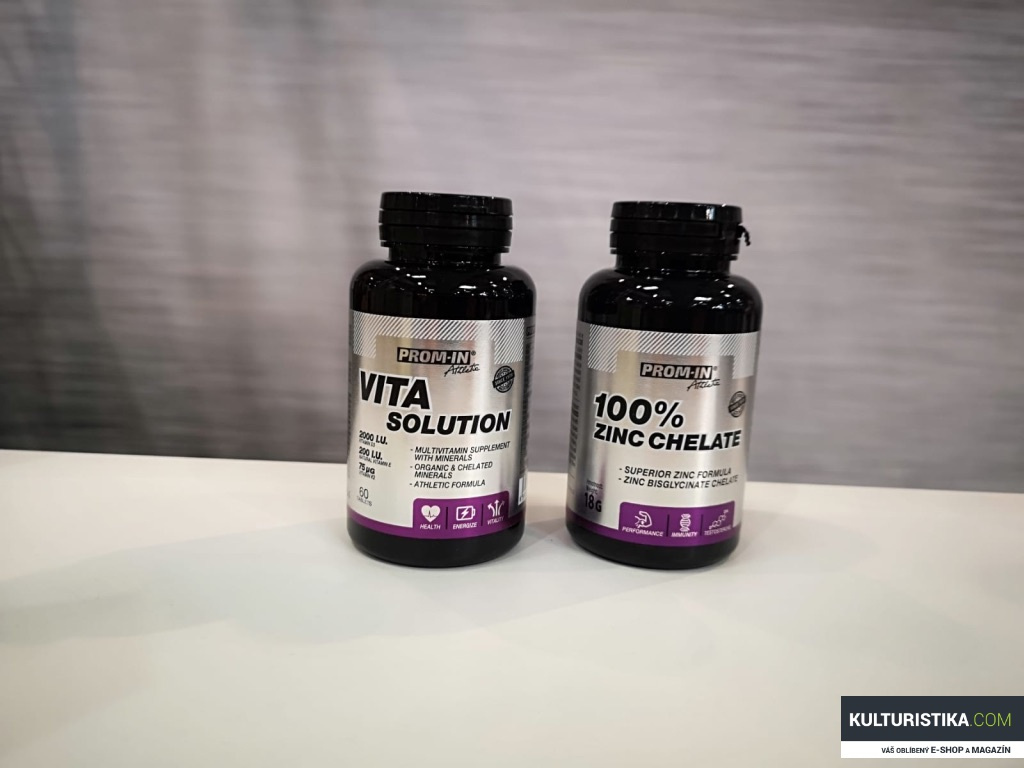
The second ingredient that your multivitamin should not contain is magnesium. Magnesium is undoubtedly an important mineral, especially for athletes, but it can interfere with calcium absorption, which is why it should not be included in a multivitamin. The ideal time to take magnesium, as you know, is in the evening, ideally around bedtime. Zinc and magnesium make a very effective combination to support your sleep and recovery.
The list of elements that could make mischief in a vitamin doesn't end here. Another such important one is calcium. A very essential mineral but one that affects the absorption of zinc, iron and manganese. So logically it should not be in a comprehensive multivitamin supplement, yet 95% of multivitamins contain it! Its deficiency is quite rare, so it is actually "not needed" in a multivitamin, but in its absence it is also better to take it separately.
The last element you don't want in your multivitamin is phosphorus. This is because the normal diet contains plenty of it, and an excess can interfere with the conversion of vitamin D to the active form of 1,25-dihydroxyvitamin D in the kidneys. Since this form is the most potent form of vitamin D, providing most of its health benefits to the body, it can have negative consequences for bone health, as well as deprive you of other benefits that vitamin D provides, such as greater muscle strength and higher testosterone levels.
Inappropriate form of ingredients used
It doesn't only matter what elements your multivitamin contains, but also what form they are in the supplement. Unfortunately, a common problem that occurs today is that companies use cheap, ineffective or even potentially dangerous forms of certain vitamins and minerals.
For example, most multivitamins do not even contain chromium, and if they do, it is often chromium chloride, which is a very poorly absorbed form. But athletes in particular need a form that is easily and quickly absorbed. Much better is chromium picolinate. Carefully examine not only what your vitamin contains, but also the forms of the ingredients used, as these affect the absorption of the individual nutrients.
The other ingredient that matters is vitamin A in the form used. Make sure the multivitamin you choose has trans-beta-carotene added, a form of provitamin A that prevents potential toxicity and provides you with only the amount of vitamin A your body needs and will use. Vitamin A is often found in multivitamins primarily as pre-formed vitamin A (retinol) in the form of retinyl palmitate or retinyl acetate. These forms are quickly absorbed but slowly excreted from the body, which can lead to toxicity and liver problems if the dose is too high.
The third vitamin whose form should be considered when choosing a multivitamin is vitamin K, if it is included in the product at all. Studies are still being conducted on vitamin K to determine whether the K1 (Phylloquinone) or K2 (Menaquinone) form is more effective. When both forms are used, the ideal ratio is 1:8, i.e. 5mg K1 and 45mg K2. However, the form of vitamin K2-MK7 offers the highest bioactivity and bioavailability of all forms of vitamin K according to studies.

Absence or insufficient amounts of essential elements
Another thing you should check before investing is whether the product you choose contains all the essential elements and also in what amounts each nutrient is present.
One very important vitamin that manufacturers "forget" to add to their products is the aforementioned vitamin K. Yet vitamin K is truly essential for the body - it serves as a support for many of its functions such as regulating blood clotting, building healthy and strong bones, influencing insulin sensitivity and regulating blood glucose levels. It also supports brain function and is used to prevent cancer and heart disease. It is also worth noting that it promotes skin health and increases testosterone production. A decent list of benefits, right? Yet vitamin K is the most commonly missing vitamin in multivitamins, and research suggests that many more people are deficient than previously thought. Which is alarming.
Another critical item in the list of elements that are often missing from the ingredients is iodine. The main function of iodine is to support thyroid function. Since most of the earth's iodine is found in the oceans, iodine deficiency is a significant health problem worldwide. With the improper demonization of salt/iodine, its intake decreases with the table salt to which it is added. Table salt is iodized - meaning it has iodine added, and is thus the easiest way to take in iodine. So if you don't salt and don't eat sea fish, you need to find a multivitamin that contains iodine and can cover your daily requirement of this element.
A third element that is often not covered or not covered in sufficient amounts is copper, which is also important for a number of functions in the body, specifically red blood cell production and fat metabolism. To ensure its adequate absorption, it is important not to take it together with zinc, which, as we have already mentioned, is therefore better taken separately.
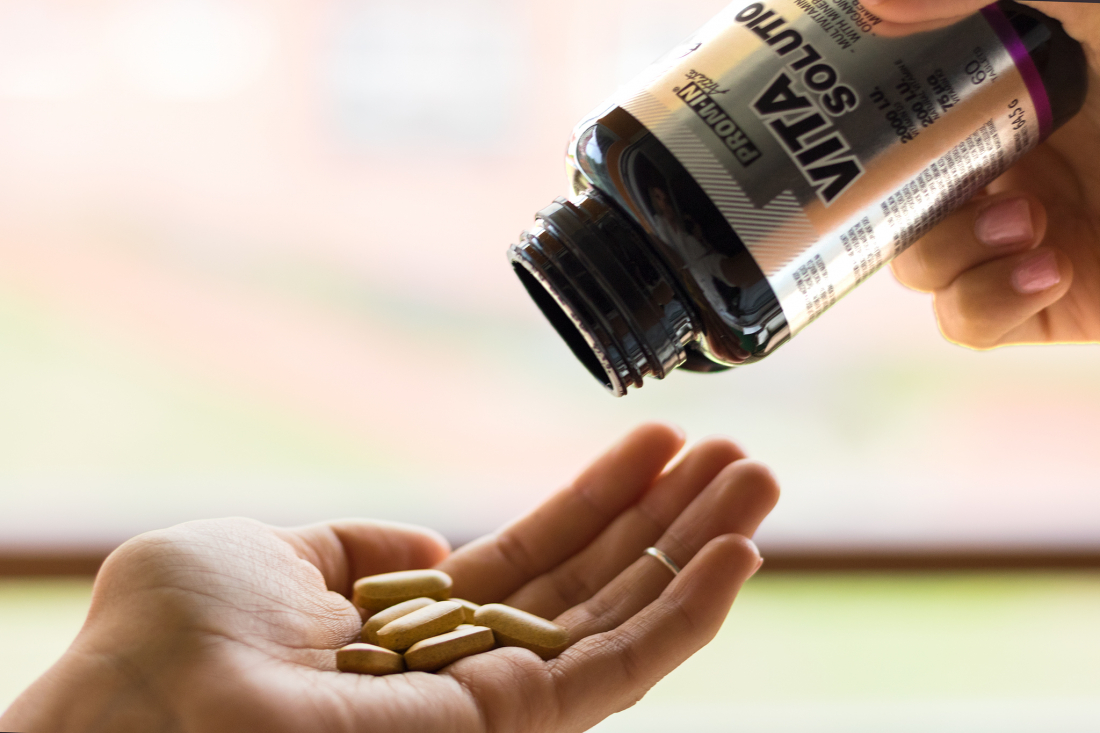
TIP: a vitamin that meets all the criteria listed - VITA SOLUTION
Chromium has already been mentioned, but even this is often in insufficient quantities, even though we usually take very little of it in our diet. The absorption of chromium is aided by vitamin C, so it is ideal to take these elements together if you choose to take them separately outside of your multivitamin.
The last group we should focus on when choosing an effective supplement as athletes are the B vitamins. Although they are usually present, often in insufficient quantities, B vitamins are very important micro-ingredients for athletes, as they strengthen nerves and maintain healthy blood cells, among other things.
Of course, the average consumer does not examine the ingredients in detail, which is what most manufacturers rely on, so there is the possibility to cheat the content a bit. After all, how many people really know how much copper, iodine or even B vitamins they need? Very few. And many vitamin supplement companies take advantage of this to make more money with the tiny doses they put in the ingredients.
Poor absorption
Of course, buying a multivitamin supplement with all the ingredients and in the right proportions is not a done deal. In fact, many vitamins and minerals in supplement form may not be properly processed by the body. Therefore, it is necessary not to rely only on preparations, but also to ensure a high-quality, balanced and varied diet as a natural source of vitamins and minerals.
When it comes to vitamins, we have good news. You can use a few tricks from everyday life to increase their bioavailability and therefore ensure better absorption. For example, it is ideal if the vitamin itself contains spice components such as piperine, capsaicin or gingerols*. Piperine, for example, is an extract from black pepper, which has been shown to increase the absorption of a large number of vitamins and minerals, especially B vitamins, beta-carotene and selenium. Thus, consuming a multivitamin with a meal that contains any of the above-mentioned ingredients can help. Or spice up your life! and ensure the best possible absorption of vitamins and minerals.
*gingerol is the active ingredient in fresh ginger and is related to capsaicin.
What can I say in conclusion?
A quality multivitamin supplement is one of the best services you can provide your body. When choosing one, make sure it does not contain mutually exclusive ingredients or poorly absorbed forms of each vitamin. On the contrary, a good quality multivitamin must contain all the important elements that the body needs in the right proportions and forms. Unfortunately, there are many products on the market that do not meet these conditions. Carefully study the labels and ingredients of each product to ensure that your investment is not wasted.
Recommended
Prom-in Vita Solution 2.0
Reflex Nexgen Pro + Enzymes
Sources:
Gibson, J. C., et al. Nutritional status of junior elite Canadian female soccer athletes. Int J Sports Nutr Exerc Metab. 2011 Dec;21(6):507-14.
Louis, J, et al. Vitamin and mineral supplementation effect on muscular activity and cycling efficiency in master athletes. Appl Physiol Nutr Metab. 2010 Jun;35(3):251-60.
Clarkson, P. M. Effects of exercise on chromium levels. Is supplementation required? Sports Med. 1997 Jun;23(6):341-9.
Dam, B. V. Vitamins and sport. Br J Sports Med. 1978 Jun;12(2):74-9.
Rautiainen, S., et al. Multivitamin use and the risk of myocardial infarction: a population-based cohort of Swedish women. American Journal of Clinical Nutrition 2010.
https://www.ncbi.nlm.nih.gov/pmc/articles/PMC2424093/
Major, G.C., et al. Multivitamin and dietary supplements, body weight and appetite: results from a cross-sectional and a randomised double-blind placebo-controlled study. Br J Nutr. 2008 May;99(5):1157-67.
Lukaski, H. C. Magnesium, zinc, and chromium nutriture and physical activity. Am J Clin Nutr. 2000;72(2 Suppl):585S-593S.
Badmaev, V., et al. Piperine, An Alkaloid Derived From Black Pepper, Increases Serum Response Of Beta-Carotene During 14-Days Of Oral Beta-Carotene Supplementation Nutrition Research 19(3):381-388, 1999
Li, K., et al. Vitamin/mineral supplementation and cancer, cardiovascular, and all-cause mortality in a German prospective cohort (EPIC-Heidelberg). Eur J Nutr. 2012 Jun;51(4):407-13.
No posts have been made yet.








