





Collagen really works! You just need to know which type is the right one
 Author:
 Collagen is a supplement that's been experiencing a real boom lately, so you may be wondering if it's really as effective as we read about it. A simple question with a rather complicated answer, but that wouldn't be us if we didn't break it down. The marketing campaigns of companies selling collagen supplements are really tempting and it seems that its supplementation actually has some benefits, but on the other hand there are a few details that we as consumers should be aware of before we decide to invest in such a supplement.
Article Content:
- Theoretical window, what is collagen anyway?
- Digestion and absorption of collagen
- Types of collagen
- Collagen and its effects
- Does it make sense to supplement collagen?
Theoretical window, what is collagen?
We can't start with anything other than a theoretical introduction to understand what collagen actually is and what its role is. Collagen is often referred to as a "complex protein", which is not surprising as it contains a whopping 19 different amino acids. These include a combination of both essential and non-essential types. Collagen is a particularly great way to get more essential amino acids, being especially rich in arginine, glutamine, glycine and proline.

Collagen is composed of three chains, coiled together in a tight triple helix. Each chain contains over 1,400 amino acids! Proline and glycine are the primary types of amino acids found in collagen chains. Somewhat surprisingly, these two amino acids are not found in large quantities in meat, which is the most common source of amino acids for most people. For example, they are found abundantly in organ meats such as kidney, liver and heart. Collagen is the basic building block of all connective tissues, so it is not surprising that it makes up 25-30% of all proteins in the mammalian body. At least 27 different types of collagen are currently known.
The human body can also naturally make collagen from certain amino acids and vitamins and minerals, in particular vitamin C, and to a lesser extent vitamin A and copper. In fact, vitamin C is essential for the formulation of collagen, so a lack of it can impair our body's natural production. Collagen synthesis in the body naturally decreases as we age, which means that over time our bodies don't produce collagen as fast as they used to. Around the age of 25 to 30, collagen levels start to drop by about 1% per year, meaning our bodies can't make it as quickly. And as collagen production decreases, some people anecdotally indicate symptoms such as slower wound healing, greater instances of joint pain, or an increase in the frequency of bone fractures.
Digestion and absorption of collagen
The biggest questions surrounding the effects of collagen stem from how the body processes it. When you find that your collagen supply decreases over time, it's logical to conclude, "Okay, I'll take this collagen supplement here and solve the problem." Studies dealing with oral ingestion of collagen are very limited and there is a lot of false information out there. For starters, there is no research that proves that the collagen we consume automatically turns into collagen in our tissues.
The collagen you consume in collagen powder is broken down into amino acids by enzymes in the stomach, and that's exactly where we lose control over it. Because just like you can't tell your body where to store fat, you can't tell it how to use amino acids. Instead, the amino acids derived from the breakdown of the collagen you ingest (or whatever other protein you ingest) are distributed throughout the body based on which area needs them most at the time.
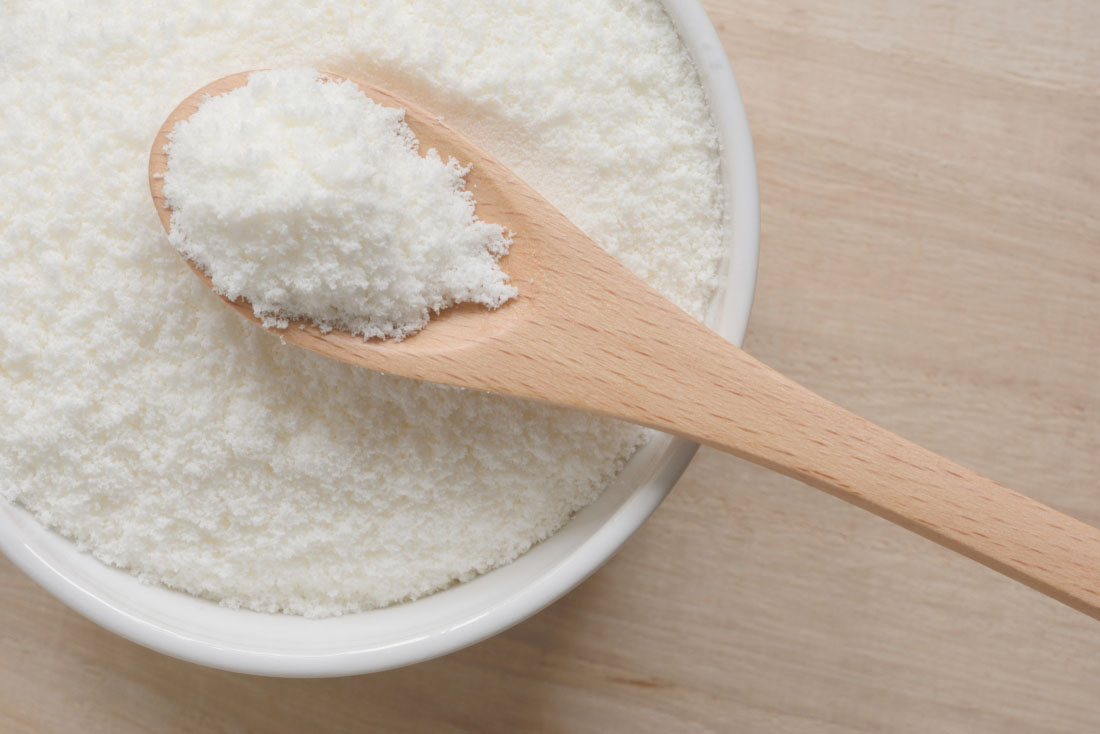
However, it seems that in the case of hydrolyzed collagen, some of the peptides have been shown to enter the bloodstream intact. The peptide, prolylhydroxyproline (Pro-Hyp), appears to be a specific substance that has the ability to remain intact longer and enter the bloodstream during digestion and subsequently interact and support functions related to restoring and promoting skin or tendon health. As more research is still being conducted on these and similar peptide bonds and their interaction with skin or tendon related functions following consumption and digestion, we should be able to obtain relevant information very soon on how beneficial collagen supplementation may be for skin and joint health.
Types of collagen
There is no such thing as collagen, and the fact is that there are at least 16 different types of collagen in the human body. We have an abundant representation of collagens types 1, 2, 3, 5 and 10. However, the vast majority of collagen - between 80% and 90% - is made up of types 1, 2, and 3. Type 1 collagen specifically accounts for nearly 90% of all the body's stores. There are also different types of collagen that are found in foods or that are used to create collagen products and supplements. So what are the most common types?
Type I collagen
This is by far the most abundant type of collagen in the human body and is also considered the strongest. It consists of eosinophilic fibers that make up body parts such as tendons, ligaments, organs and skin. Type 1 collagen also helps form bone and is found in the digestive tract. It is important for wound healing, gives skin flexibility and elasticity, and holds tissues together. In addition, it is a component of many industrial products.

Type II collagen
Type II collagen primarily helps build cartilage, which is found in connective tissues. The health of our joints depends on the cartilage made up of type 2 collagen and is therefore beneficial for preventing age-related joint pain or various symptoms of arthritis.
Type III collagen
Type III collagen is very similar to type I collagen and is beneficial for skin health and vitality. It is also found in blood vessels and tissue in the heart. For these reasons, research suggests that a lack of type 3 collagen is associated with a higher risk of weakening of the blood vessels and even premature death.
Type IV collagen
Type 4 collagen plays an important role in the formation of the basal lamina, which is found in the endothelial cells that make up the tissue surrounding organs, muscles and fat. The basal lamina is required for various functions of nerves and blood vessels. The basal lamina is found in the gaps between the top layer of skin/tissue and the deepest layer. It is a thin layer of gel-like fluid that provides a cushion/padding to the tissue above it.
Type V collagen
This type of collagen is important for the formation of the surface cells, hair and tissues found in the female placenta.
Type X collagen
Helps with the formation of bone and articular cartilage. It is useful for fracture healing and synovial joint repair. It is involved in the process of endochondral ossification, which is how bone tissue is formed in most mammals.
Collagen and its effects
We have already said enough about the many types of collagen. Let's now take a look at what benefits collagen can potentially offer us.
Collagen and its effect on the skin
From what we've already said about collagen, it's probably clear that it can actually have quite a significant effect on skin health. And it is for its effect on reducing wrinkles and improving skin elasticity and flexibility that collagen is most commonly sought after. And yes, collagen can indeed REDUCE the development of wrinkles associated with aging. Please note that I used the word REDUCE not prevent.

Studies have been published that showed that 2.5 g and 5 g of bioactive collagen peptides per day had a statistically significant positive effect on skin elasticity in a population of 45-65 year old women and older women. It is believed that collagen supplementation promotes the production of type 1 collagen and elastin production, which contributes to skin elasticity.
Another study published in 2015 from the UK showed positive effects on wrinkle depth in post-menopausal women who consumed a nutritious drink containing several vitamins and minerals as well as hydrolysed collagen peptides. It should be noted that the drink contained vitamins and minerals along with collagen, which somewhat biases the results of the study, as we do not know to what extent the vitamins and minerals contained contributed to the outcome.
One comment that definitely needs to be made is that the results of most studies that support the effectiveness of collagen supplementation are mostly in older people who have already experienced a significant decline in skin health. Thus, we cannot say with certainty that the same degree of effects can be expected in younger populations based on studies in older individuals. However, it stands to reason that collagen supplementation may provide some preventive support.
Collagen and building or maintaining muscle and healthy weight
A high-protein diet is very important not only for building muscle mass, but also for protecting it and maintaining body weight. The more muscle you have, the more calories you burn at rest and during exercise, which makes weight maintenance and weight loss much easier. A diet higher in protein also helps to suppress appetite, which leads to a tendency not to reach for sweets or overeat.

Collagen, of course, also counts towards total protein intake and has been shown to be useful in maintaining muscle mass, especially in the elderly. A minor drawback is that collagen is not particularly rich in leucine, the primary amino acid responsible for initiating muscle protein synthesis ( i.e. muscle growth). Therefore, definitely don't rely on collagen alone, take in more complex protein sources and if you're looking for protein, reach for whey rather than collagen.
The quality of protein is largely based on the amino acid profile of the source. The profile of essential amino acids in a protein largely determines its effectiveness in muscle development. In this respect, animal proteins such as meat, low-fat dairy milk, whey and casein protein powder are slightly better off. But otherwise, the same effectiveness can be achieved by a strategic compilation of non-animal sources.
Collagen and joint health
While wrinkle reduction seems to be a major concern for most people interested in collagen supplements, another popular claim supporting the need for its supplementation is the reduction of joint pain and improved mobility. Similar to its effects on the skin, it appears that collagen supplementation may actually have some effect when looking at joint health. Several studies have confirmed its positive effect in reducing joint pain and stiffness, and even as a supportive treatment for injuries.
In addition, a 2018 published study demonstrated a positive effect in terms of skin elasticity (as assessed through skin biopsy) and also reported joint pain relief and improved mobility after three months of daily consumption of a drink containing collagen, glucosamine and several other vitamins. The glucosamine and vitamin content somewhat biased the results (similar to the previous skin health study we mentioned above), so it cannot be said with certainty that the collagen peptides themselves are the main factor, and not the glucosamine or vitamins. However, we do find several other positive findings in the potential of collagen to improve joint pain.

How to get collagen the natural way
For some, it may be beneficial to supplement collagen, but we've already discussed that collagen is made by the body on its own and that we can also get it directly from food. So how can we boost its production in a natural way?
1) Eat vitamin C-rich foods regularly, such as citrus fruits, dark vegetables, strawberries and blueberries. Vitamin C is very important for collagen production. Vitamin C deficiency has been linked to a reduction in natural collagen production, so if you ensure your body gets enough of it, you'll significantly boost the stability of your collagen stores.
2) Eating foods high in vitamin A such as sweet potatoes, carrots and spinach are also helpful. Similar to vitamin C, vitamin A helps maintain an adequate supply of collagen.
3) Logically, all foods rich in protein are also helpful - especially animal products, i.e. meat, dairy products and eggs.
4) Make bone broth. Yes, it is true that homemade quality bone broths are a very rich source of collagen. The longer you let it simmer, the more collagen you get from the broth. If you want to maximize the amount of collagen, then cook the broth at a low temperature for up to 24 hours. Be sure to keep the temperature low to prevent the collagen from breaking down, making it less usable by the body.
Does it make sense to supplement collagen?
That is the question. As with many other supplements, collagen has its pros and cons. The body makes collagen itself from available amino acids with the help of vitamin C, but it still makes sense to supplement, especially for older individuals or those with bone problems. By consuming digestible collagen, you are providing your body with essential amino acids to build and repair collagen-based tissues such as skin, hair, ligaments, tendons, bone and cartilage.
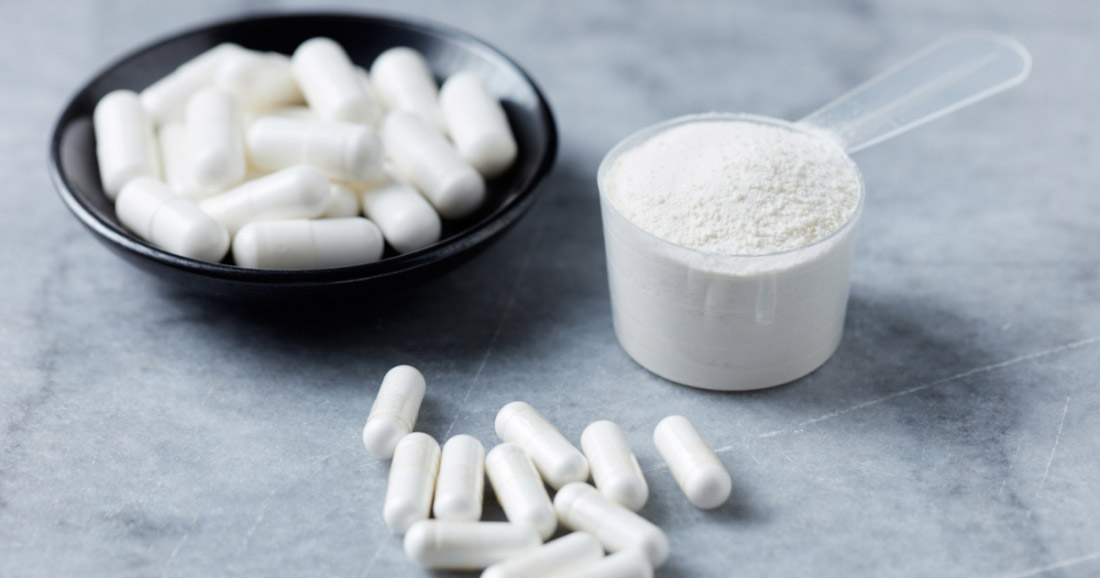
Collagen supplements appear to be effective for improving skin elasticity, reducing wrinkles and minimizing the development of cellulite. Research also supports their use to relieve joint pain, stiffness and degeneration. However, the evidence is not conclusive for collagen supplements when it comes to treating hair loss, brittle nails, osteoporosis, gastrointestinal disorders, heart disease, and liver disease.
Therefore, to reap the benefits of collagen, you need to take an amount of around 2.5g per day. The rest of the protein should come from quality sources such as beef, poultry and eggs, lean pork, wild fish - especially marine ones. Of course, plant sources such as fermented soy products, beans, lentils, peas, and grains such as quinoa or buckwheat are not out of place either.
What to take away from the article
Collagen as a joint food can be a very effective aid for strengthening the health of bones, tendons, ligaments and can help in the treatment of musculoskeletal problems or for speeding up recovery from injuries. It can also be used for skin health and elasticity. However, it is important to distinguish that there are several types of collagen and if you intend to use it for a specific purpose, you need to choose a supplement with the right type. Many companies use cheap types of collagen, but they promise miraculous results and the price often does not match the quality.
Recommended
Prom-in Joint Care Drink
Scitec Collagen Xpress
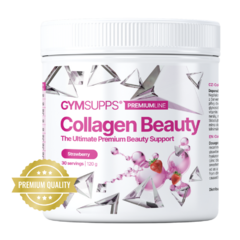
GymSupps Collagen Beauty
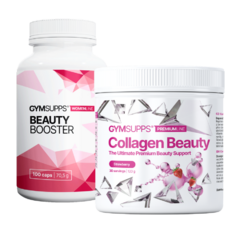
GymSupps Balíček pro krásu
Sources:
https://www.ncbi.nlm.nih.gov/pubmed/21440076
http://www.jmnn.org/article.asp?issn=2278-1870;year=2015;volume=4;issue=1;spage=47;epage=53;aulast=Borumand;type=0
https://www.ncbi.nlm.nih.gov/pubmed/30681787
https://www.ncbi.nlm.nih.gov/pubmed/30122200
https://www.ncbi.nlm.nih.gov/pubmed/21430254
https://www.ncbi.nlm.nih.gov/pmc/articles/PMC5395331/
https://www.ncbi.nlm.nih.gov/pubmed/30368550
https://www.ncbi.nlm.nih.gov/pubmed/16076145
https://www.ncbi.nlm.nih.gov/pubmed/27040390
https://www.ncbi.nlm.nih.gov/pubmed/23683987
https://www.ncbi.nlm.nih.gov/pubmed/23949208
https://thescholarship.ecu.edu/bitstream/handle/10342/4698/Tullock_ecu_0600O_11344.pdf?sequenc
No posts have been made yet.








